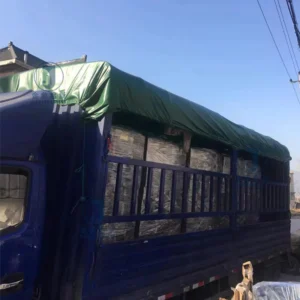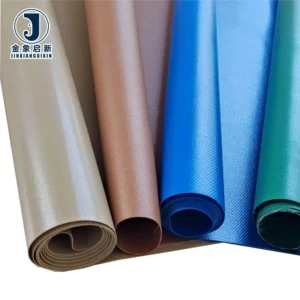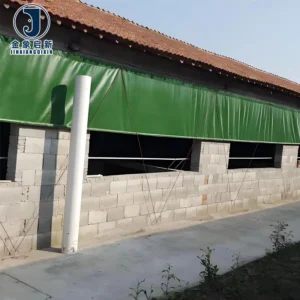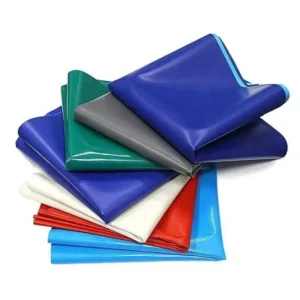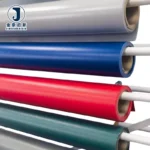
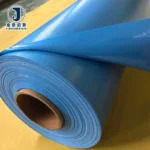
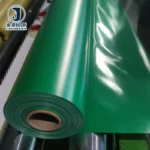
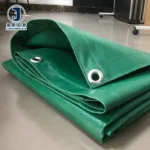
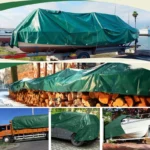
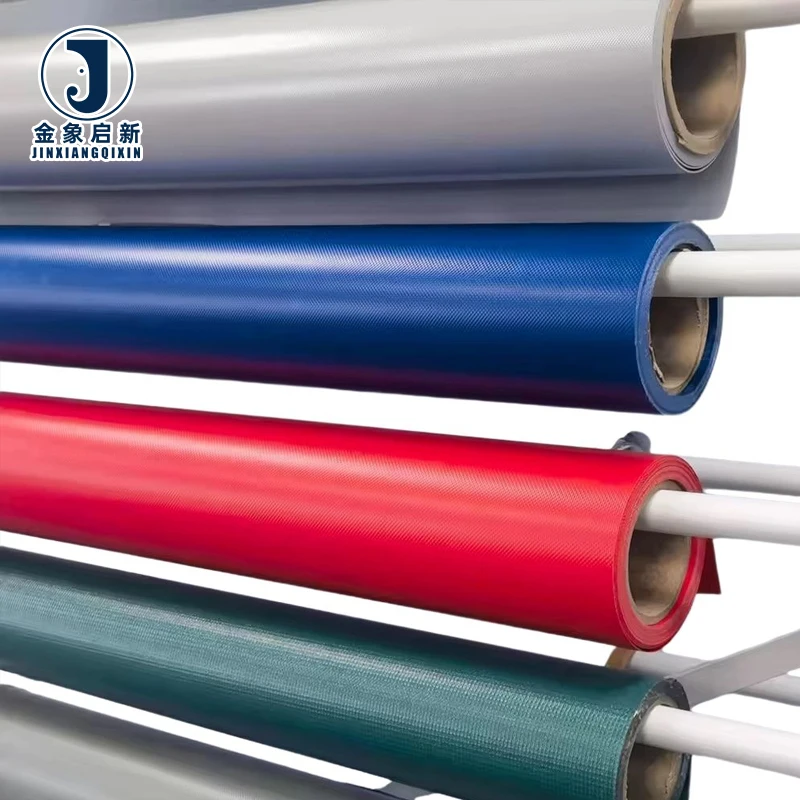
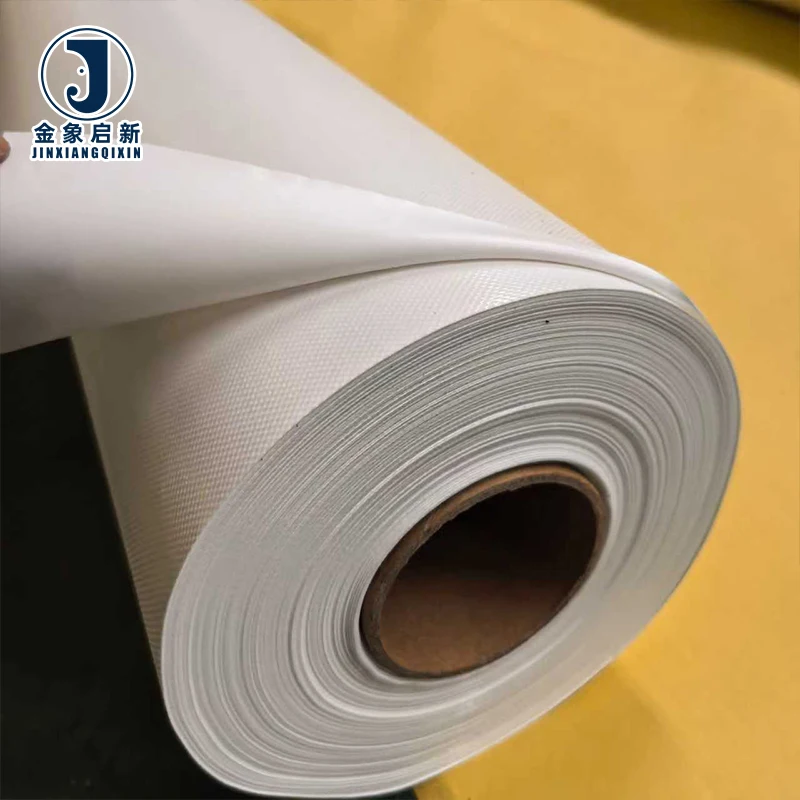
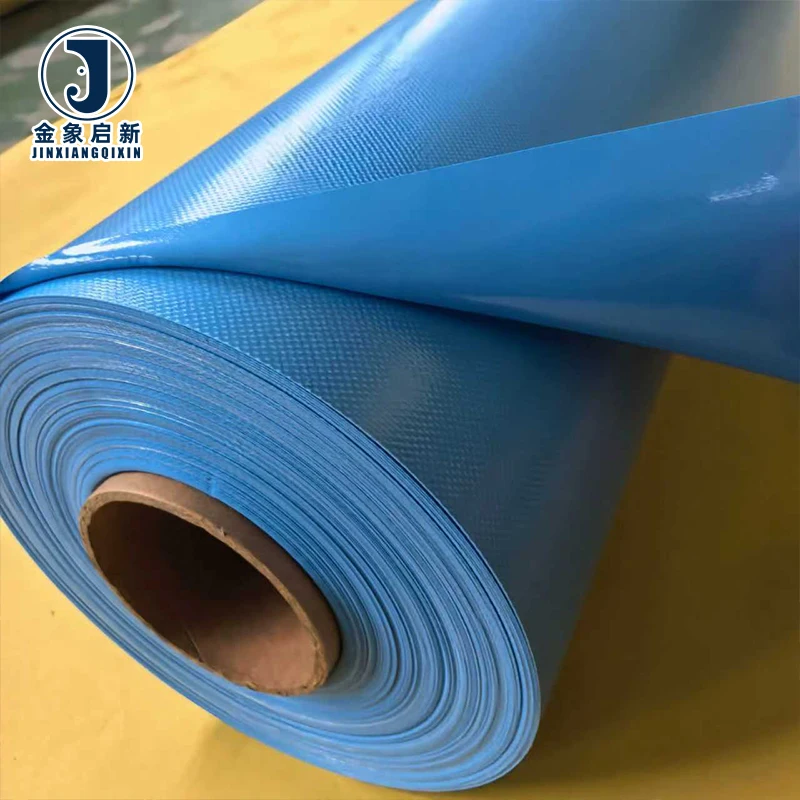
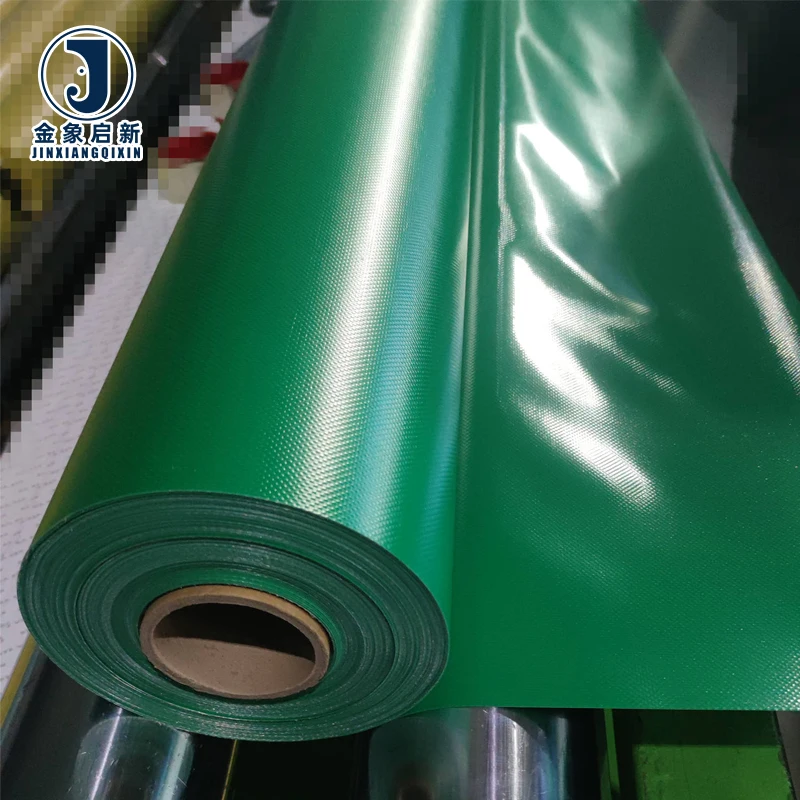
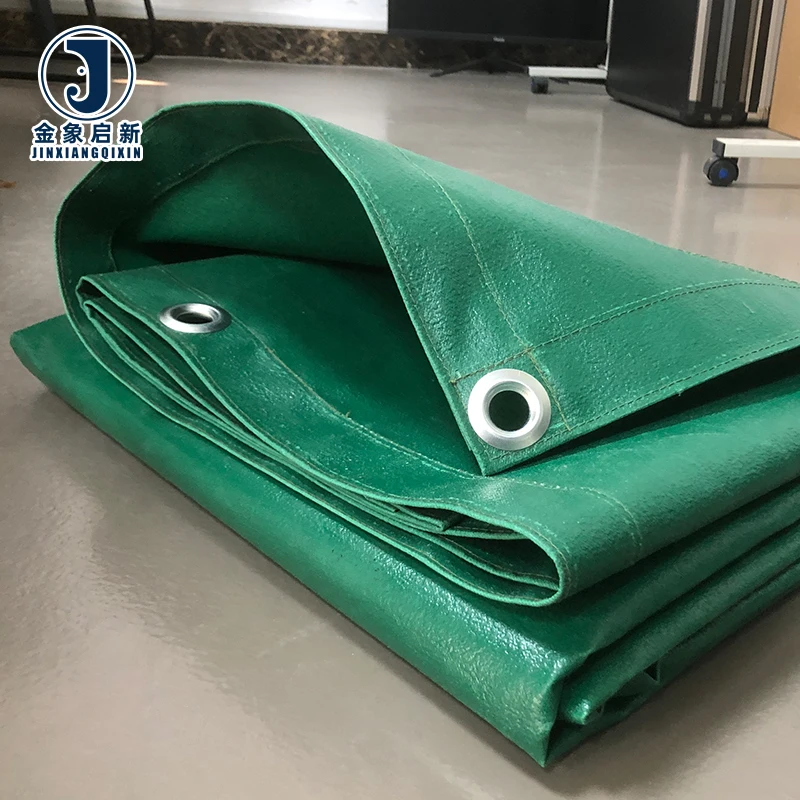
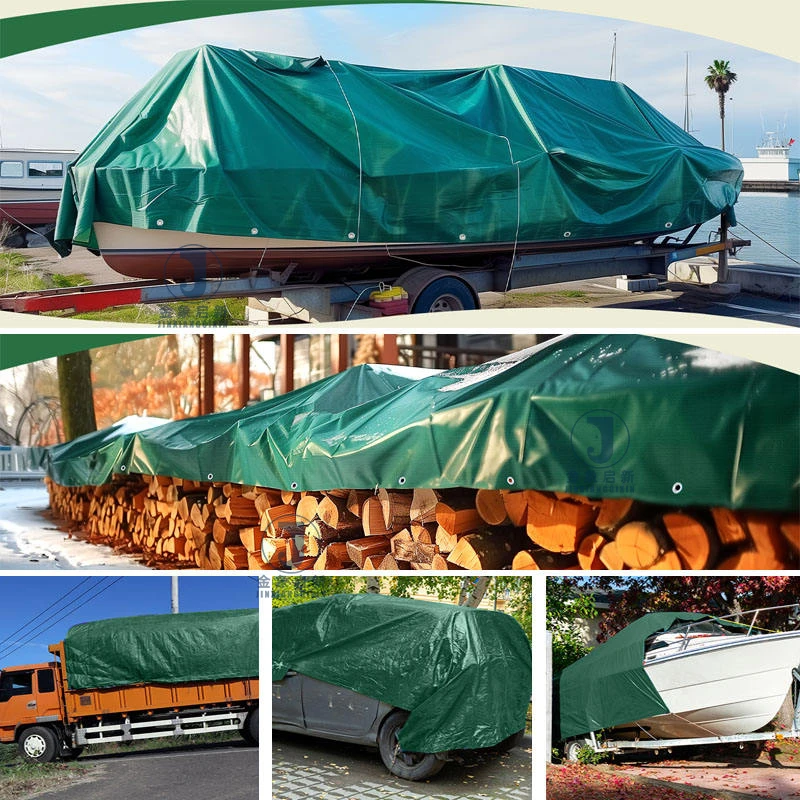
Coating Weight Control — Every roll of 1000D PVC tarpaulin fabric is verified against the stated specification before dispatch, with in-process QA at each coating stage to maintain batch consistency across membrane and tensile structure projects.
Technical Specifications
| Parameter | Value |
|---|---|
| Product Type | PVC Tarpaulin Roll |
| Base Fabric Denier | 1000D Polyester |
| Coating Material | PVC |
| Finish | Blackout |
| Flame Retardant | Available in flame retardant grades — confirm the grade required for your market |
| UV Treatment | Anti-UV treated — request test report for project-specific basis |
| Anti-Mildew | Antibacterial and mildew proof |
| Oil and Stain Resistance | Stated |
| Acid and Alkali Resistance | Stated |
| Temperature Resistance | High temperature and cold resistance |
| Anti-Oxidation | Stated |
| Weather Resistance | Stated |
| Cracking Resistance | Highly flexible, resistant to cracking |
| Self-Cleaning | Stated |
| Welding Options | HF, Hot Air, Sewing |
| Key Features | Fire retardant, anti-static options, chemical resistance, blackout construction |
Application Suitability
| Application | Exposure & Requirement |
|---|---|
| Tensile and architectural membrane structures | Sustained tension loads, wind uplift, long-term UV exposure, aesthetic surface demands |
| Airport hangar and aviation shelters | Wide-span coverage, fire compliance, chemical exposure from fuels and de-icing agents |
| Stadium architectural structures | Large-format panels, high wind loads, public safety fire classification requirements |
| Event exhibition shade tents | Rapid deployment and teardown, repeated folding, UV and rain exposure |
| Portable storage structures | Abrasion from stored goods, temperature fluctuation, puncture resistance |
| Shade systems and shadings | Continuous solar exposure, colour stability, self-cleaning surface for maintenance reduction |
What Fire-Retardant Certification Actually Means for Membrane Structures
A fabric labelled "fire retardant" without a named test standard is a liability on any regulated job site.
Tensile membrane and inflatable structure contractors regularly face site inspectors who demand a specific fire classification — B1 per DIN 4102, M2 per NF P 92-507, or NFPA 701 depending on jurisdiction. When the 1000D PVC tarpaulin fabric arrives without the matching test report, the entire installation can be rejected at final handover [NEED_CITE: fire classification standards for tensile membrane structures in public venues]. This is not a paperwork delay; it is a project stoppage. We supply the test documentation matched to your market’s fire code before the roll ships, so the compliance conversation happens at the specification stage, not on the scaffold.
Weld Compatibility Across HF, Hot Air and Sewing Paths
This 1000D PVC tarpaulin fabric supports high-frequency welding, hot air welding, and conventional sewing — a combination that matters when a single tensile structure requires curved seams at panel joins and straight structural seams at anchor points. HF welding produces a bond that matches the coating chemistry, reducing the risk of seam delamination under sustained membrane tension. Hot air welding allows on-site repair and field adjustments without bringing heavy HF equipment to the structure location. Sewing remains relevant for edge reinforcement and attachment to cable or rail systems where thermal welding cannot be applied.
Coating Integrity Under Chemical and Thermal Stress
Airport hangars and industrial shade structures expose membrane fabric to fuel vapour, de-icing fluid, and wide seasonal temperature swings. The PVC coating on this 1000D base fabric is formulated for acid and alkali resistance, oil and stain resistance, and performance across both high-temperature and cold conditions [NEED_CITE: chemical resistance testing protocols for PVC coated polyester in aviation environments]. The blackout finish serves a dual function: it blocks light transmission for shade-sensitive applications and adds an additional barrier layer that supports the chemical resistance of the overall coating system. Anti-oxidation treatment further protects the coating surface from the oxidative degradation that accelerates under continuous UV and heat exposure.
Reading the Specification Sheet Beyond GSM
The 1000D denier designation tells you the yarn thickness of the base polyester fabric, which directly governs how a tear propagates once initiated — thicker denier yarns arrest tear growth more effectively than lighter base fabrics. However, tensile strength depends on the combination of base fabric weave density and coating weight together, not on GSM alone. A roll with high GSM but loosely woven base fabric can show poor tear resistance, while a tightly woven 1000D fabric with balanced PVC coating delivers consistent load-bearing performance across the panel. The blackout finish also influences fabrication: light-blocking layers add coating thickness that affects HF weld parameter settings, requiring voltage and pressure calibration specific to this construction rather than generic PVC weld profiles.
When the Wrong Specification Reaches the Site
A membrane structure fabric that lacks the required fire-retardant grade does not just fail inspection — it triggers a full removal and replacement cycle on a structure that may already be partially erected [NEED_CITE: rework costs from non-compliant membrane fabric in large-span structures]. Batch colour inconsistency across rolls becomes visible only when panels are installed side by side on a stadium canopy or event tent, turning an aesthetic issue into a client rejection. Welded seams that fail before the fabric itself reaches its service limit point to a mismatch between the welding parameters and the coating formulation, a problem that surfaces at the flex points where the membrane moves under wind load.
Why Source This Fabric Through Jinxiang Tech
Nearly 30 years of focused coated fabric production means the coating adhesion and weight consistency on this 1000D PVC tarpaulin fabric is controlled from the mixing stage through to winding. Three full production lines and 36 sets of professional equipment support the volume required for multi-roll tensile structure orders without splitting production across batches. The 10-person R&D team develops samples within days when your project requires a specific colour reference, custom width, or fire-retardant grade matched to a particular test standard. Dedicated QA/QC at every production stage with 100% inspection before shipment catches coating defects and GSM deviations before they leave the factory floor.
Documentation & Verification
- Material specification sheet stating GSM, 1000D base fabric denier, PVC coating weight, and blackout colour reference
- Flame retardant test report matched to the fire classification required by your project jurisdiction
- UV resistance test data with stated test basis for outdoor exposure validation
- ISO and CE certificate copies included with shipment documentation
- Pre-shipment inspection record confirming 100% roll inspection against specification
- Certificate of origin and customs documentation for international dispatch
Fabrication, Handling & Storage
- HF welding parameters must account for blackout coating layer thickness — run test welds on roll ends before production panels
- Hot air welding temperature and speed should be calibrated to the 1000D PVC coating formulation to avoid surface scorch
- Store rolls upright on pallets in a shaded, ventilated area to prevent flat-spot deformation on the coating surface
- Unroll in ambient temperature above the cold-resistance threshold to avoid creasing the PVC coating during handling
- Use PVC-compatible cleaners only — solvent-based products can degrade the self-cleaning surface treatment
- Allow minimum seam overlap width proportional to the 1000D fabric weight to ensure weld bond area carries structural load
Request the Specification That Matches Your Project
To move from inquiry to sample, provide the tensile structure type, expected span dimensions, and the fire classification standard your local authority requires. Specify whether you need rolls in standard widths or custom-cut panels, and whether colour consistency across the full order is critical for visible architectural surfaces. If your project involves aviation or public venue compliance, state the exact test standard upfront so the correct fire-retardant grade is applied from the first production run.
Frequently Asked Questions
Q: What fire-retardant grades are available and how do I confirm the right one for my market?
A: This 1000D PVC tarpaulin fabric is available in multiple flame-retardant grades. The correct grade depends on your project’s jurisdiction — DIN 4102 B1 for many European building applications, NFPA 701 for North American venues, or M2 for specific regional codes. Provide your local fire classification requirement at inquiry stage and we will supply the matching test report with your sample.
Q: How is the anti-UV treatment verified and what test basis applies?
A: Anti-UV treatment is applied during coating and can be validated through accelerated weathering test reports. The specific test basis varies by project requirement. Request the UV test documentation at the specification stage so you can confirm it aligns with your expected outdoor exposure conditions and any project-specific durability criteria.
Q: Which welding method should I choose for my tensile structure design?
A: HF welding delivers the strongest bond for panel seams under sustained membrane tension. Hot air welding suits on-site repairs and field modifications. Sewing is used for edge reinforcement and hardware attachment. Many tensile structures combine all three. We can supply weld test samples on the 1000D fabric so your fabrication team can set parameters before full production.
Q: How do I verify the GSM on arrival matches the specification I ordered?
A: Every roll undergoes 100% pre-shipment inspection with weight verification against the stated GSM. We recommend you conduct a cut-sample weight check on receipt using a calibrated scale and a measured sample area. Any deviation from the specification sheet should be reported before fabrication begins to ensure a resolution without project delay.
Q: Can I get a sample before committing to a full roll order?
A: Yes. Samples are developed within days for custom requirements including specific colour references, fire-retardant grades, or width specifications. Request your sample with the test documentation relevant to your project so you can evaluate both the physical fabric properties and the compliance paperwork together before placing the production order.