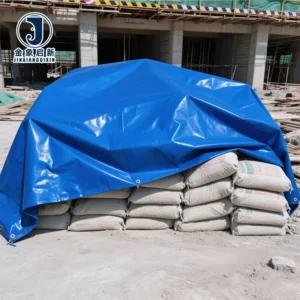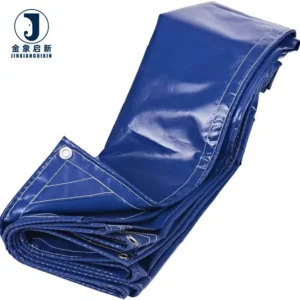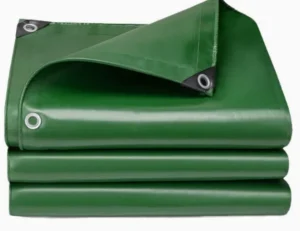
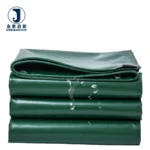
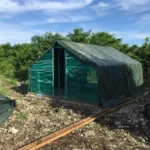
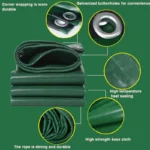
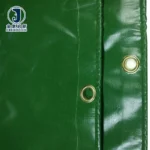
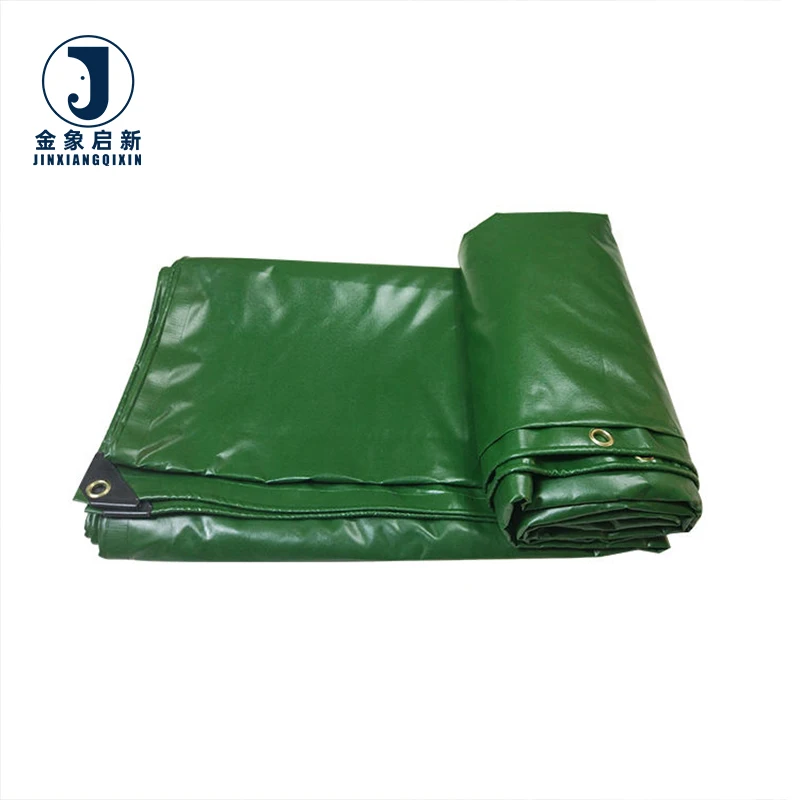
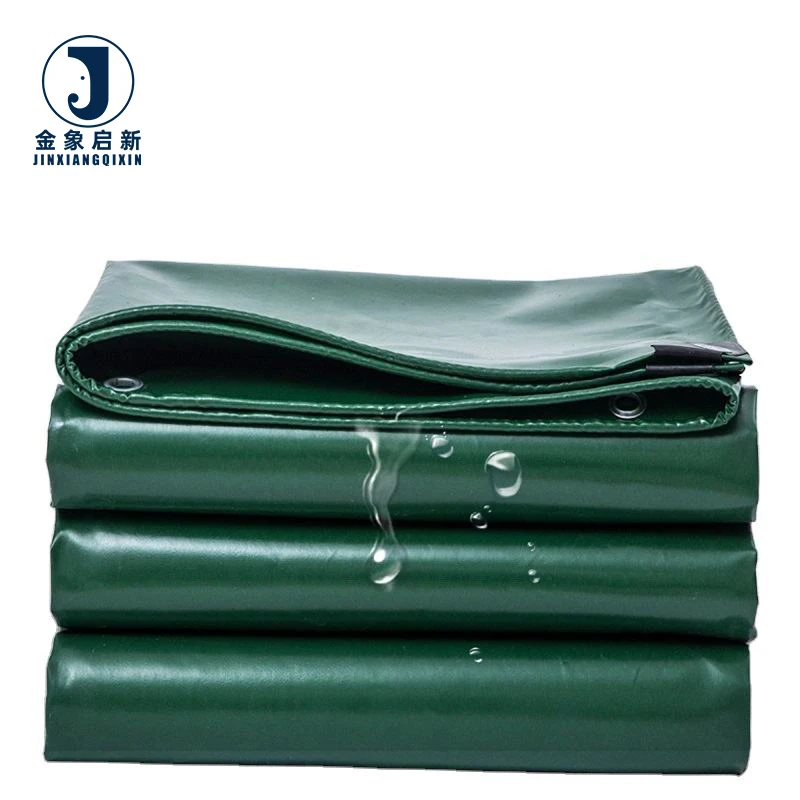
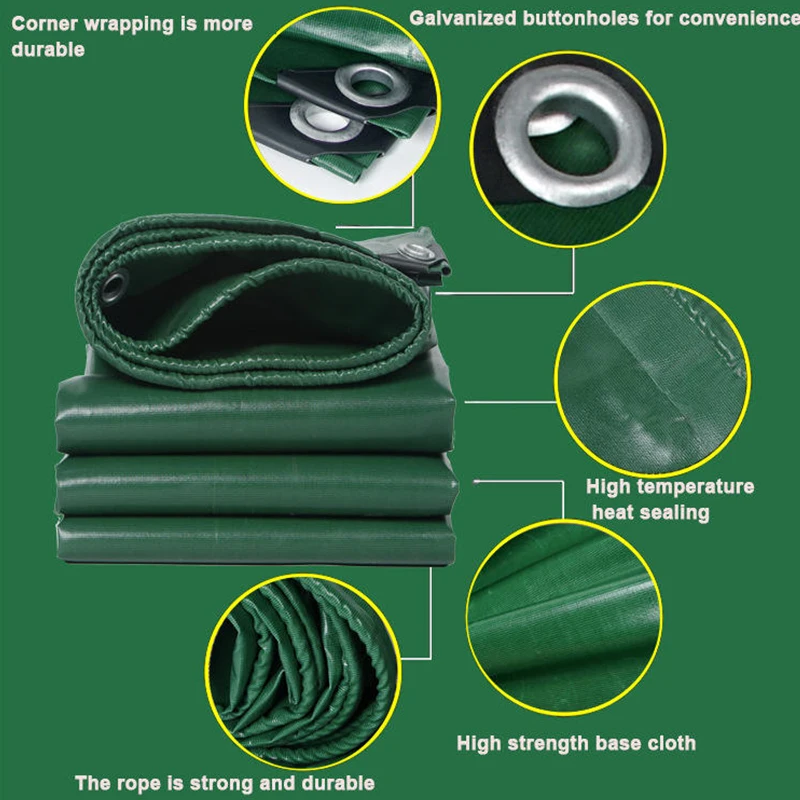
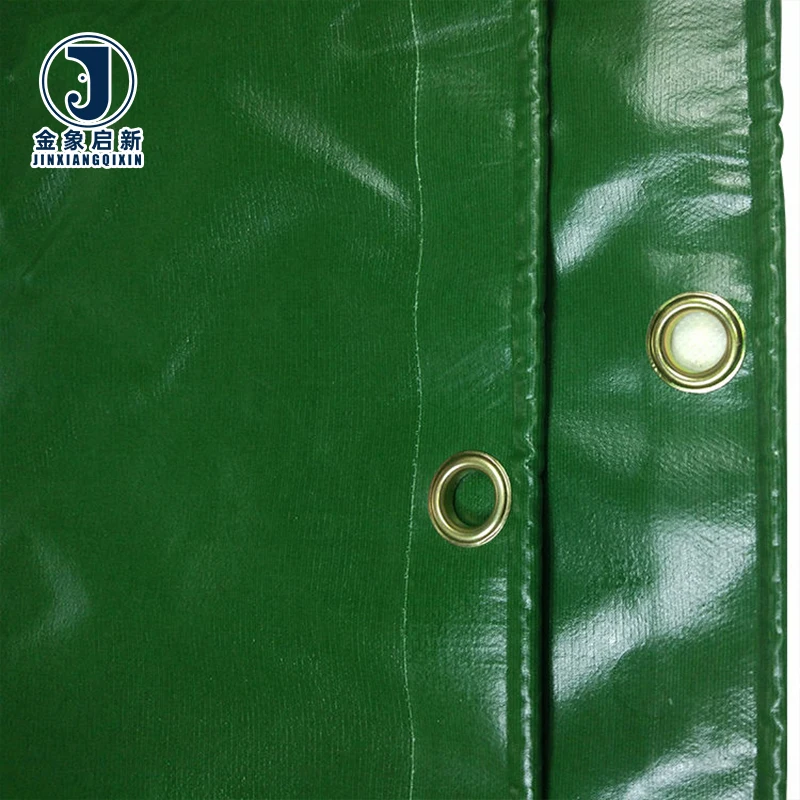
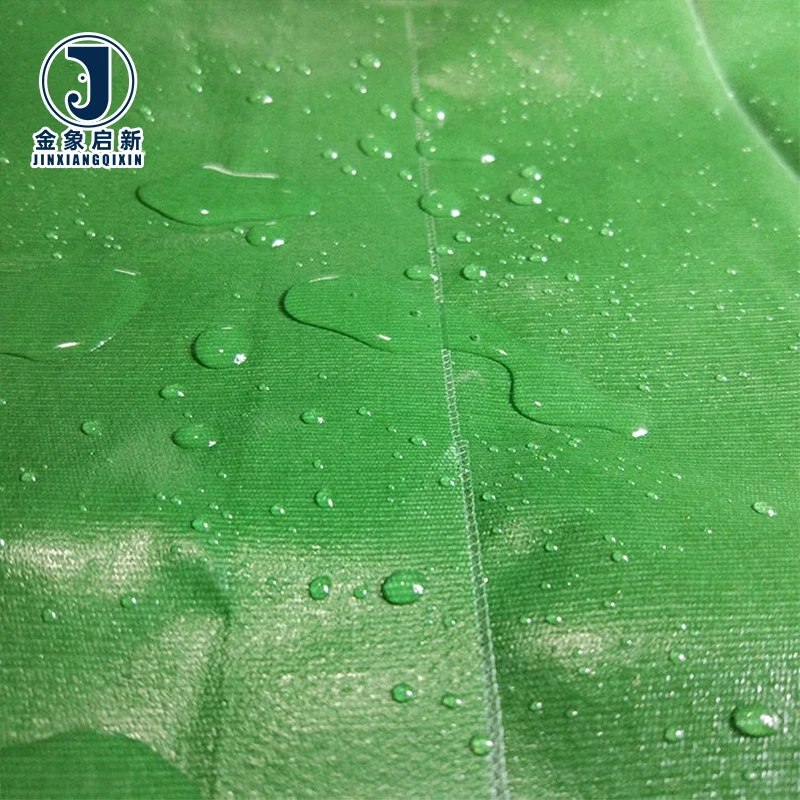
Precision Coating Control — hot-melt lamination and 100% pre-shipment inspection ensure every roll of 500gsm PVC coated tarpaulin meets the stated weight and adhesion spec before it leaves the line.
Technical Specifications
| Parameter | Value |
|---|---|
| Product Type | PVC Coated Tarpaulin |
| Material | PVC + High-strength polyester mesh fabric |
| Weight (GSM) | 350gsm / 420gsm / 500gsm / 550gsm / 600gsm / 750gsm |
| Total Thickness | 0.32mm / 0.35mm / 0.4mm / 0.45mm / 0.5mm / 0.65mm |
| Coating Technology | Laminated technology & Hot-melt Coating technology |
| Roll Width | 2m / 2.1m |
| Roll Length | 75m (for 2m width) / 50m (for 2.1m width) |
| Color Options | Blue / Red / Yellow / Light Blue / Grey (Customized) |
| Waterproof | Fully waterproof coated construction |
| Cold Crack Resistance | Yes |
| Anti-Mildew | Yes |
| Anti-Static | Anti-static treatment available (standard not stated in source — confirm compliance requirement) |
| Flame Retardant | Available upon request (grade not stated — confirm the grade required for your site) |
| Recyclable | 100% recyclable |
| Certifications | ISO 14001, ISO 45001, CE, RoHS |
Application Suitability
| Application | Exposure & Requirement |
|---|---|
| Mining ventilation duct | Continuous airflow, dust-laden atmosphere, fire-retardant and anti-static compliance mandatory |
| Tunnelling temporary ducting | Confined space, high humidity, abrasion from rock dust, flame-retardant certification required on site |
| Aviation ground support duct | Fuel-proximate environment, strict fire classification, frequent deployment and retraction cycles |
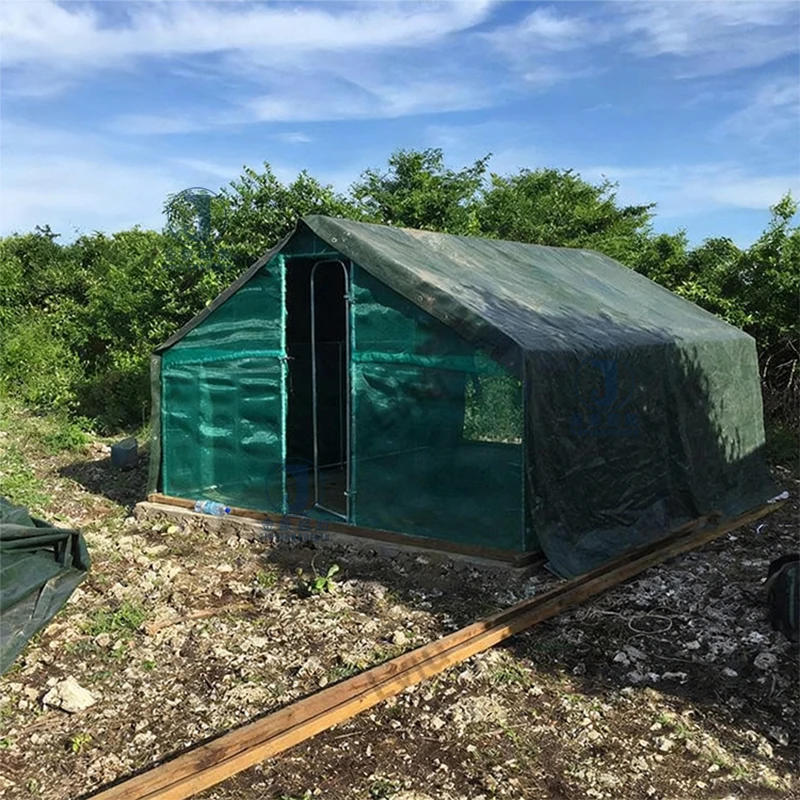
| Membrane structure enclosure | Wind load, UV exposure, long-term tension, colour consistency across panels |
| Inflatable industrial shelter | Repeated inflation cycles, flex stress at seam lines, rapid deployment requirement |
Why Certified PVC Coated Tarpaulin Matters More Than Stated GSM
A 500gsm PVC coated tarpaulin roll without a fire test certificate is just heavy fabric — not a compliant ventilation duct material.
Mining and tunnelling projects require ventilation duct fabric that meets specific fire-retardant and anti-static standards enforced at the site gate. Yet procurement teams regularly receive PVC coated tarpaulin shipments where the flame-retardant claim on the quotation has no matching test report in the documentation pack. The result is failed site inspection, work stoppage, and emergency reordering at premium freight cost. [NEED_CITE: fire classification requirements for underground ventilation duct materials]
When a ventilation duct is specified for an explosive atmosphere, the anti-static property is not optional — it is a safety-critical requirement tied to the site’s risk assessment. Fabric that arrives without documented surface resistivity data puts the entire installation at compliance risk.
Coating Adhesion and Duct Fabrication Integrity
Hot-melt coating technology bonds the PVC layer to the high-strength polyester mesh base fabric under controlled temperature and pressure, creating a unified structure where the coating penetrates the mesh interstices. This adhesion method is critical for ventilation duct fabrication because the fabric undergoes repeated flexing during installation and operation. Poor coating adhesion leads to delamination at the fold lines and weld seams — the exact points where duct sections connect and flex under airflow pressure.
Laminated technology provides an alternative coating approach where pre-formed PVC films are bonded to the base fabric, offering consistent thickness control across the roll width. For duct applications requiring precise GSM verification, this method supports tighter tolerance on coating weight. The PVC coated tarpaulin fire retardant grade must be compatible with whichever coating method is selected, as flame-retardant additives can behave differently in hot-melt versus lamination processes.
Anti-Static Treatment for Hazardous Atmospheres
In mining and tunnelling environments where combustible dust or gas may be present, ventilation duct fabric must dissipate static charge to prevent ignition. Anti-static treatment is applied to the PVC surface to reduce surface resistivity, but the effectiveness of this treatment depends on the specific standard your site enforces. Different jurisdictions and mining authorities reference different test methods and acceptable thresholds. [NEED_CITE: anti-static testing standards for underground ventilation materials]
Request the anti-static test report matched to your target compliance standard before placing the order. The PVC coated tarpaulin fire retardant and anti-static combination must be validated together, as some flame-retardant chemistries can interact with anti-static surface treatments and reduce the effectiveness of one or both properties.
Reading the Specification Sheet Beyond Weight
The GSM figure tells you the total mass per square metre but does not distinguish between base fabric contribution and coating contribution. A 500gsm fabric with a heavier base mesh and lighter coating will behave differently under tensile load than one with a lighter mesh and heavier coating. The base fabric denier and weave density govern tensile and tear strength, while the coating weight governs waterproofing, chemical resistance, and surface properties like flame retardancy.
Hot-melt coating versus laminated technology affects peel strength — the force required to separate the coating from the base fabric. Higher peel strength means better resistance to delamination during welding and flexing, which is directly relevant when fabricating duct sections with longitudinal weld seams. Thickness alone does not predict peel strength; a thinner hot-melt coated fabric can outperform a thicker laminated one if the coating penetration is superior.
Colour consistency across rolls matters significantly for membrane structures and visible architectural applications. Batch-to-batch colour variation becomes apparent when panels from different rolls are installed side by side. Request in-process QA records showing colour reference checks across the production run. [NEED_CITE: colour measurement methods for coated fabric per ISO standards]
The Cost of Specifying on Weight Alone
When a ventilation duct is ordered based on GSM without requiring fire-retardant and anti-static test documentation, the consequences surface at the worst possible moment — site compliance inspection. A failed inspection halts ventilation installation, delays the entire underground operation, and triggers emergency procurement at significant cost and lead time.
Colour variation across rolls in a membrane structure project forces the contractor to reject partial shipments, re-sort inventory, and delay enclosure completion. Weld seam failures in duct sections under operational airflow pressure create unplanned maintenance shutdowns. [NEED_CITE: common failure modes in industrial ventilation duct fabric installations] These outcomes trace back to procurement specifications that omitted critical test requirements or assumed that a stated GSM guaranteed overall fabric quality.
Why Source This PVC Coated Tarpaulin From Jinxiang
Three full production lines with 36 sets of professional equipment support bulk ventilation duct fabric orders with consistent on-time delivery across multiple roll batches.
A 10-person R&D team handles material selection and sample development for project-specific fire-retardant and anti-static combinations, delivering samples within days for custom compliance requirements.
Dedicated QA and QC inspection at every production stage, with 100% pre-shipment inspection, ensures GSM, thickness, and colour match the material specification sheet before dispatch.
ISO 14001 and ISO 45001 certified production processes, with CE and RoHS compliant products, provide the documentation foundation required for regulated mining, tunnelling, and aviation projects.
Deep process control over coating weight and adhesion developed through nearly 30 years focused on coated fabric translates to reliable weld seam performance in fabricated duct sections.
Documentation & Verification
- Material specification sheet stating confirmed GSM, base fabric construction, and coating method for each roll batch
- Fire-retardant and anti-static test reports matched to the compliance standard specified in your purchase order
- Pre-shipment inspection record documenting weight verification and visual quality check per roll
- Certificate of origin and customs documentation package for international shipment clearance
- Roll packing list with batch traceability linking each roll to its production QA record
Fabrication, Handling & Storage
- Hot-melt coated rolls weld cleanly using standard high-frequency or hot-air equipment — test weld parameters on a sample strip before full production
- Store rolls upright on their core in a dry, shaded area to prevent permanent creasing across the 2m or 2.1m width
- Allow cold-stored rolls to reach ambient temperature before unrolling to avoid coating crack at low temperature
- Clean PVC surfaces with mild detergent only — solvents can degrade the anti-static treatment layer
- Repair minor field damage by hot-air welding a patch from the same batch material for colour and thickness match
What to Include in Your Enquiry
Specify the fire-retardant grade and anti-static standard your site or jurisdiction requires so we can match the treatment chemistry and supply the correct test documentation. Confirm whether you need roll stock in standard 2m or 2.1m widths, or custom-cut panels with finished dimensions. Provide your project volume and timeline so we can allocate production capacity and confirm lead time for your compliance-critical PVC coated tarpaulin order.
Frequently Asked Questions
Q: What fire-retardant grade can you provide and which test standard does it meet?
A: Flame-retardant treatment is available upon request for our PVC coated tarpaulin range. The specific grade depends on your target market and site requirements. Provide the standard your project references — such as DIN 4102, NFPA 701, or a local mining authority specification — and we will confirm the achievable grade with a matching test report before production.
Q: How is anti-static performance measured and certified for mining applications?
A: Anti-static treatment reduces the surface resistivity of the PVC coating. The test method and acceptable threshold vary by mining authority and jurisdiction. Share the specific standard your site enforces, and we will supply treated fabric with a test report documenting surface resistivity values measured to that standard.
Q: Can the fabric be welded into duct shapes and what seam strength can be expected?
A: The hot-melt coated and laminated PVC construction is designed for high-frequency and hot-air welding. Weld seam integrity depends on base fabric mesh density and coating adhesion. We recommend testing weld parameters on sample material from your actual batch before full fabrication to optimise temperature and dwell time settings.
Q: How do you ensure colour consistency across rolls for large membrane structure projects?
A: Our QA process includes colour reference checks at multiple production stages. For membrane projects requiring multiple rolls installed as adjacent panels, we schedule production within a single batch run and document colour verification per roll in the pre-shipment inspection record.
Q: What documentation is included for site compliance and customs clearance?
A: Each shipment includes a material specification sheet, pre-shipment inspection record, roll packing list, and certificate of origin. Fire-retardant and anti-static test reports are supplied where applicable to your order specification. ISO and CE certificates are available to support your site compliance submission.