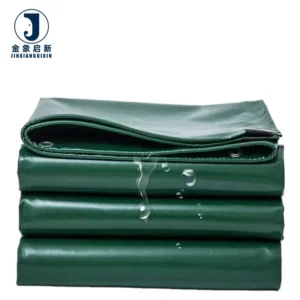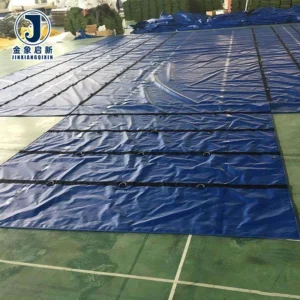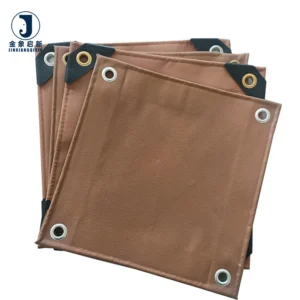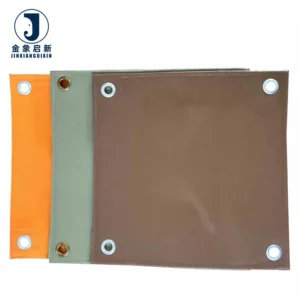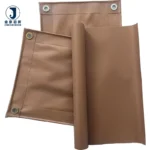
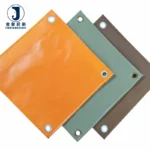
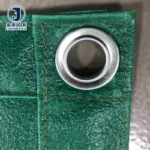
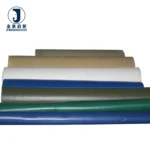
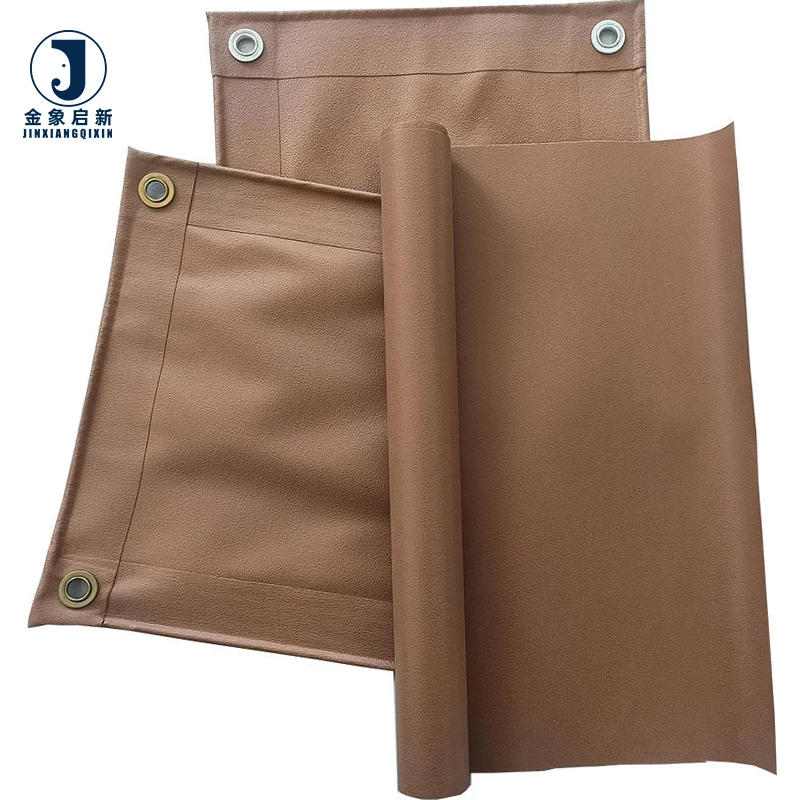
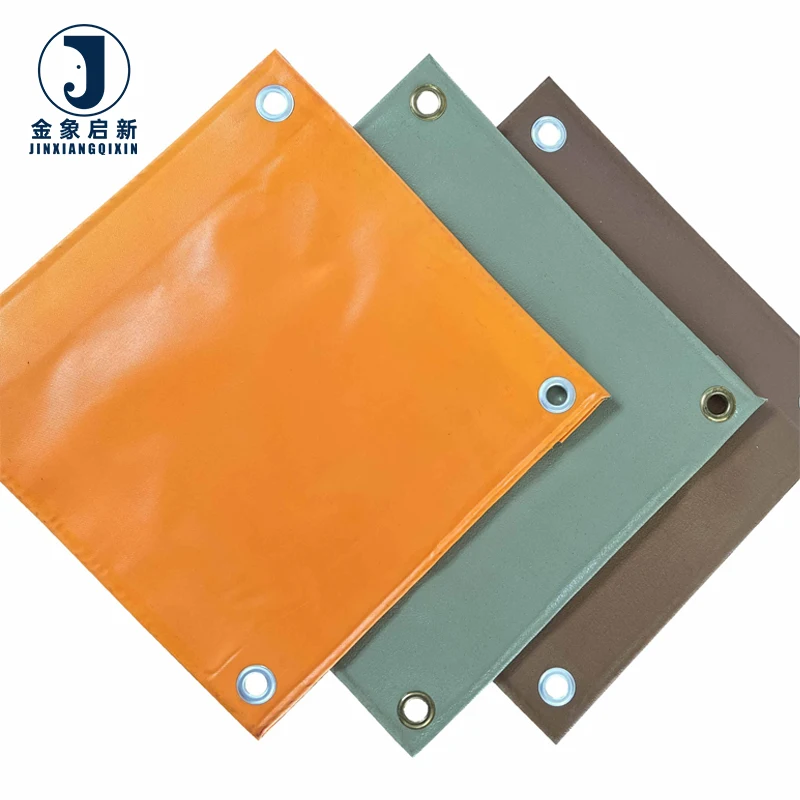
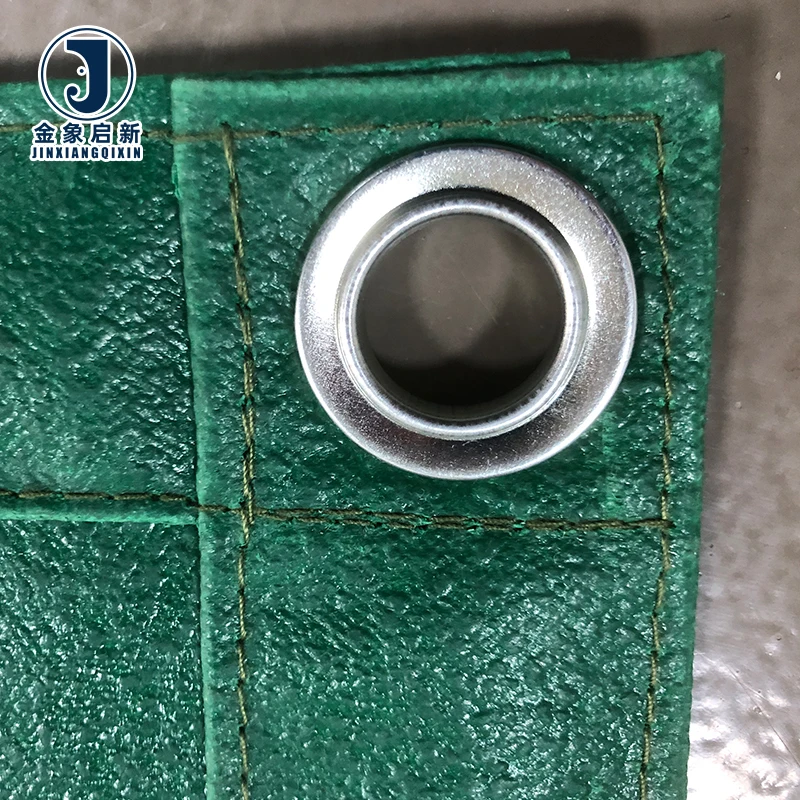
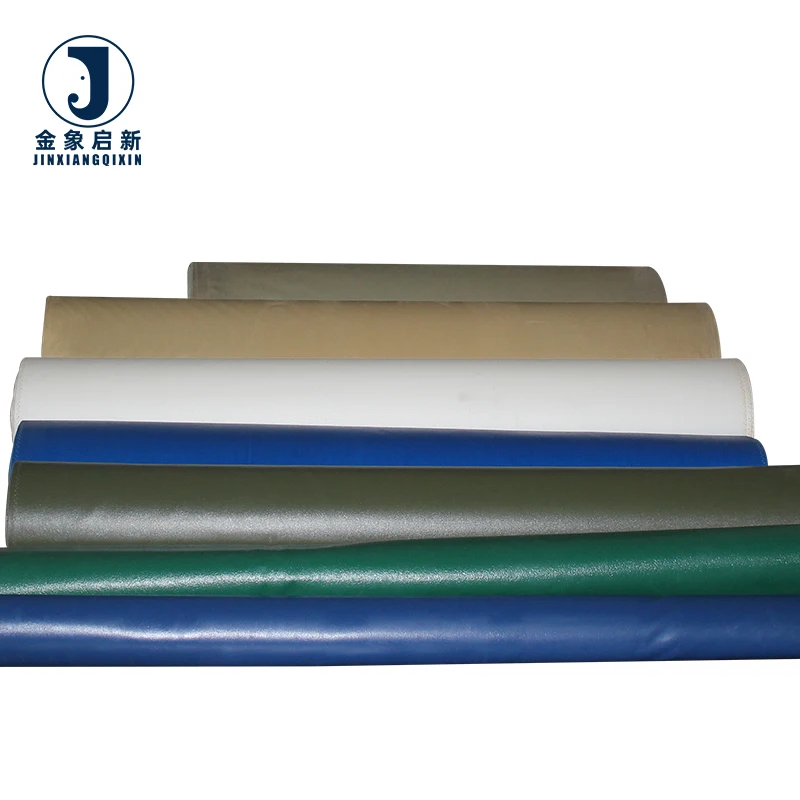
Coating Adhesion Control — Hot melt coating and lamination technology on this PVC coated tarpaulin fabric ensures the PVC layer bonds to the polyester base as a unified structure, so welded seams hold as long as the material itself in technical duct and membrane applications.
Technical Specifications
| Parameter | Value |
|---|---|
| Product Type | PVC Coated Tarpaulin |
| Base Fabric | 100% high toughness polyester yarn |
| Coating Material | PVC |
| Coating Technology | Lamination and hot melt coating |
| Surface Treatments | Flame retardant (grade to be confirmed per market requirement), anti-static (surface resistance to be verified), UV resistant, cold resistant, mold proof |
| Waterproof | Yes, fully coated construction |
| Weather Resistance | Suited to extended outdoor exposure |
| Key Features | Cold resistant cracking, mold proof, high welding tear strength, best color fastness claimed (test basis not stated) |
| Certification | ISO, CE (company-level, documentation available upon request) |
Application Suitability
| Application | Exposure & Requirement |
|---|---|
| Mining and tunnelling ventilation duct | Constant airflow, dust abrasion, underground fire safety compliance requiring flame retardant and anti-static certification |
| Aviation ground support duct | Fuel vapour proximity, electrostatic discharge risk, anti-static surface resistance threshold |
| Membrane and inflatable structure fabric | Wind load tension, UV exposure, welded seam integrity under continuous stress |
| Industrial pipe canopy | Weather exposure, chemical-laden atmosphere, puncture risk from maintenance access |
| Tensioned structural fabric | Sustained biaxial tension, thermal expansion cycles, long-term UV and weathering |
What "Flame Retardant" Means Without a Grade Behind It
PVC coated tarpaulin fabric specified for ventilation duct or membrane structure must carry a flame retardant grade that matches the site’s fire safety regulation, not a catalogue claim.
Mining ventilation contractors regularly receive duct fabric labelled "flame retardant" only to discover the test standard does not align with local underground safety codes. Aviation ground support projects face the same gap when anti-static treatment is declared without a measured surface resistance value. These compliance failures surface at site inspection, not at the quotation stage, and they halt installation until replacement material arrives. [NEED_CITE: DIN 4102 fire classification for building materials] The consequence is project delay, re-procurement cost, and strained contractor-supplier relationships.
Coating Technology and Adhesion Performance in Duct Fabrication
Hot melt coating and lamination technology on this PVC coated tarpaulin fabric creates a bonded interface between the polyester base yarn and the PVC layers. For ventilation duct fabricators, adhesion strength determines whether the material survives the heat welding process without delamination at the seam. Lamination-coated fabric allows high-frequency or hot-air welding to fuse the PVC layers into a continuous joint, meaning the weld line carries load comparable to the body of the fabric.
Tensile and Tear Behaviour Under Ventilation and Structural Load
Ventilation ducts operate under internal positive or negative pressure, placing continuous biaxial stress on the fabric. Inflatable and membrane structures face similar sustained tension combined with wind-induced cyclic loading. The polyester base fabric denier and knitting density govern how the material resists tear propagation once a local stress concentration occurs. Anti-static treatment options are relevant for duct installations where dust or combustible particulate flows through the system, and the required surface resistance value must be confirmed against the applicable mining or aviation standard before production begins. [NEED_CITE: tensile and tear test methods for coated fabrics per ISO 1421]
Reading the Specification Sheet Beyond the Weight Figure
GSM alone does not define how a coated fabric performs in a technical application. Base fabric denier determines individual yarn strength, while knitting density controls how those yarns distribute load across the weave. Coating weight and method affect flexibility, weld-ability, and resistance to environmental degradation. A fabric with moderate GSM but high-density base weave and hot melt coating can outperform a heavier material with low-density yarn and simple lamination when it comes to tear resistance and seam integrity. Buyers specifying PVC coated tarpaulin for duct or membrane use should request the full material specification sheet covering base denier, coating weight, and treatment grades rather than relying on a single weight figure.
The Hidden Cost of Specification Mismatches in Technical Fabric
A ventilation duct installed underground without the correct flame retardant grade fails the mine safety inspection and must be stripped out and replaced, doubling material and labour cost. Anti-static fabric that does not meet the specified surface resistance threshold creates a compliance risk in aviation fuel-handling environments. Rolls arriving with colour variation between batches force membrane fabricators to either accept a visible mismatch on a finished structure or absorb the cost of selective cutting and waste. Welded seams that fail ahead of the fabric body indicate a coating adhesion problem, and by the time this surfaces the duct or structure is already erected. [NEED_CITE: common failure modes in coated fabric ventilation duct installations]
Why Source Technical PVC Coated Fabric Here
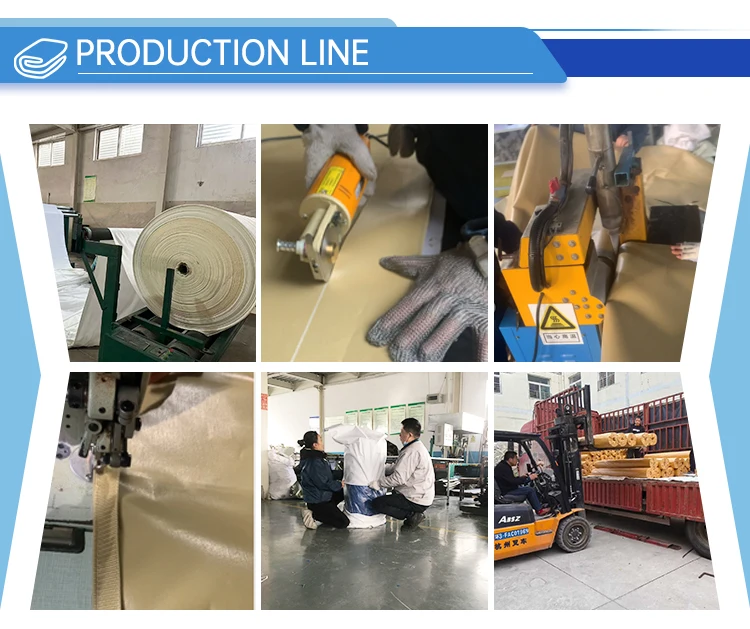
Three full production lines with 36 sets of professional equipment provide the capacity to supply bulk roll quantities for large duct or membrane projects while maintaining on-time delivery schedules. A 10-person R&D team handles material selection, custom sizing, and sample development, allowing specification adjustments before production locks in. Dedicated QA and QC inspection at every production stage, with 100% pre-shipment inspection, catches GSM deviation, colour drift, and coating defect before rolls leave the factory. ISO and CE certification frameworks are in place to support international compliance documentation. Sample development within days enables buyers to validate weld parameters and material hand-feel against their fabrication process before committing to a full order.
Documentation & Verification
- Material specification sheet stating base fabric denier, coating weight, and GSM per roll
- Flame retardant and anti-static test reports matched to the grade specified for the project
- Pre-shipment inspection record with 100% roll-by-roll QA verification
- Certificate of origin and customs documentation for international shipment
- Roll packing list aligned with container loading plan and project delivery sequence
Fabrication, Handling & Storage
- Hot-air welding temperature and speed must be calibrated to the PVC coating thickness for clean seam fusion
- Store rolls upright or on padded racks to prevent permanent creasing in the coated layer
- Allow cold-temperature rolls to reach ambient temperature before unrolling to avoid coating crack
- Use compatible PVC-based repair patches and adhesive for field repairs on duct or membrane sections
- Plan cutting layout to maximise roll width utilisation and minimise welded seam count in the final structure
Requesting a Technical Quotation
Provide the target application, exposure environment, and any fire safety or anti-static compliance standards your site requires so we can match the correct treatment grade. Specify roll width, colour, and estimated annual volume to confirm production scheduling and batch consistency. If your fabrication process demands specific weld performance or material flexibility, request a sample roll to run through your equipment before placing the bulk order.
Frequently Asked Questions
Q: How do we verify the flame retardant grade matches our mining or aviation site requirements?
A: Share the specific fire safety standard and grade your project mandates. We supply a test report from an accredited laboratory confirming the PVC coated tarpaulin fabric meets that exact classification. Test documentation ships with the batch, so your site inspector has the compliance evidence on hand before installation begins.
Q: Can anti-static and flame retardant treatments be combined on the same fabric roll?
A: Both treatments can be applied to the same PVC coated tarpaulin fabric. We confirm the required anti-static surface resistance value and flame retardant grade before production, then supply test reports covering both properties. Combined treatment must be specified at inquiry stage so the coating formulation is adjusted accordingly.
Q: What is the incoming inspection protocol for GSM verification on arrival?
A: Each roll carries a weight record from our pre-shipment inspection. On arrival, cut a measured sample from the roll, weigh it, and calculate GSM against the known area. Our material specification sheet states the quoted GSM so your incoming QC team has the reference value for immediate comparison and acceptance or rejection.
Q: How are rolls packed to prevent coating damage during container transit?
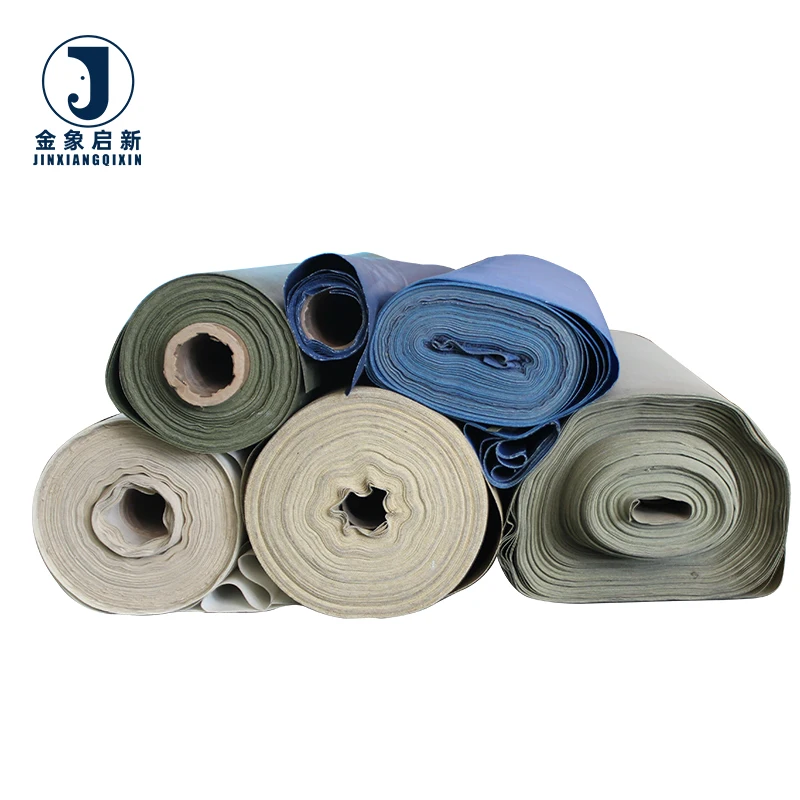
A: Rolls are wound on rigid cores and wrapped in protective outer layers to guard against abrasion and moisture during transit. Container loading plans are confirmed against roll width and diameter before dispatch to maximise space utilisation while preventing compression damage to the PVC coating surface.
Q: What lead time applies to custom widths or non-stock colours for technical fabric orders?
A: Custom widths and colours require dedicated production runs with formulation and colour matching before coating begins. Typical multi-week lead times apply depending on order volume and treatment complexity. Confirm your required delivery window at inquiry stage so production scheduling aligns with your project installation date.