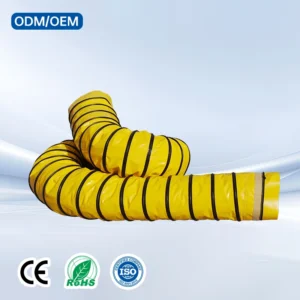




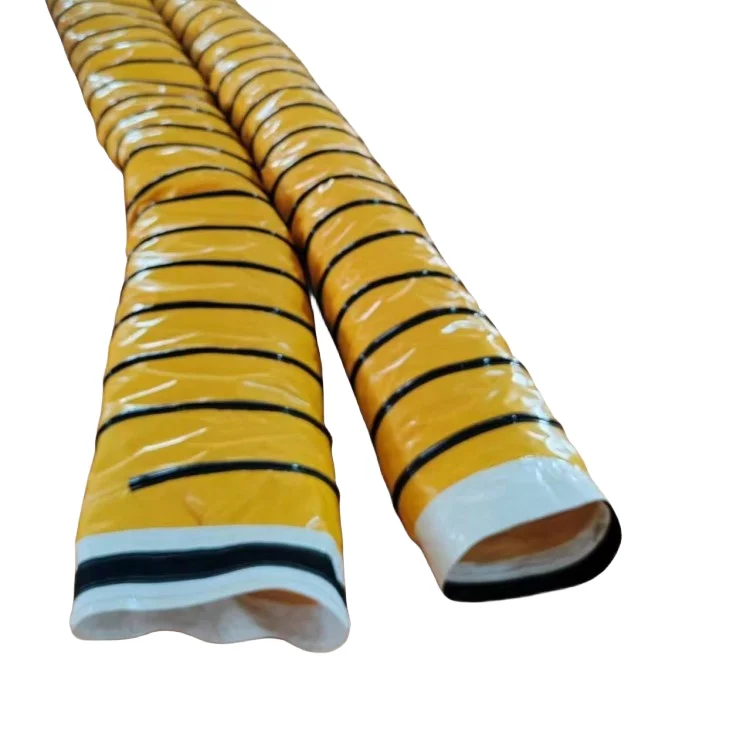
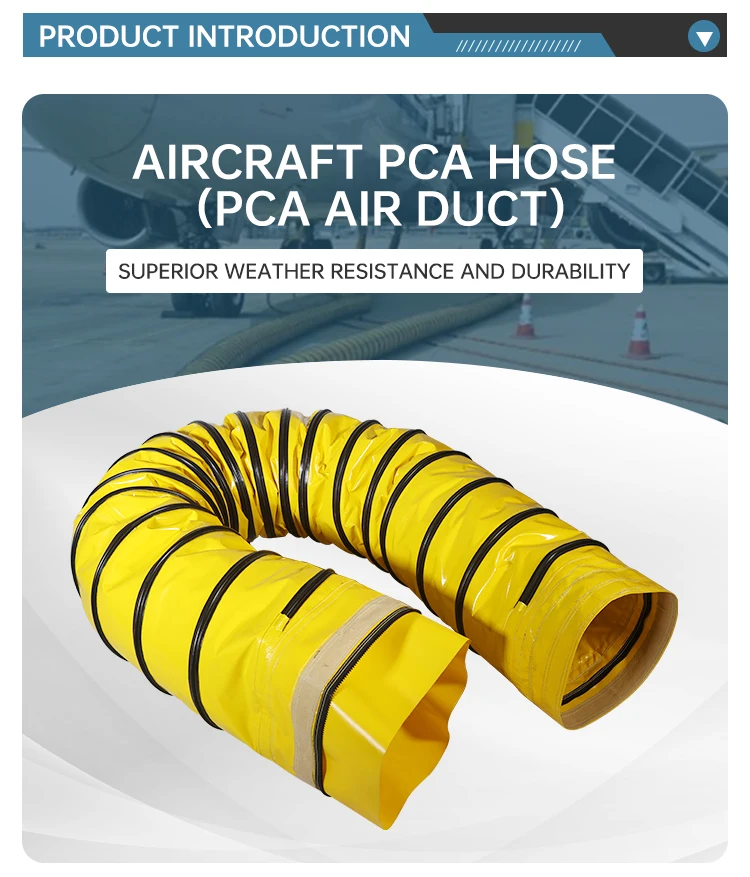

Precision Thermal Insulation Engineering — Each 12-inch PCA duct undergoes 100% pre-shipment inspection with material specification sheets verifying coating composition, aluminum foil insulation integrity, and connection hardware before dispatch to aviation ground support operations.
Technical Specifications
| Parameter | Value |
|---|---|
| Product Type | Aviation Air Conditioning Hose / PCA Duct |
| Diameter | 12 Inch |
| Coating Material | PVC coated cloth with fabric-reinforced layer / aluminum foil insulation |
| Insulation Layer | Built-in aluminum foil bubble film |
| Temperature Range | -30°C to 150°C |
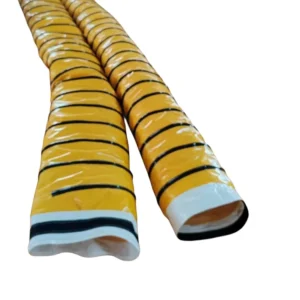
| Outer Layer Coloring | Yellow-black alternating (high visibility) |
| Connection Method | Zipper, Velcro link |
| Key Features | Mildew resistance, water resistance, high tensile strength, strong tension |
| Customization Options | Logo, pattern, outer packaging (MOQ 100) |
| Standards | ISO, CE certified (fire-retardant and anti-static grades available — confirm the grade required for your aviation authority) |
Application Suitability
| Application | Exposure & Requirement |
|---|---|
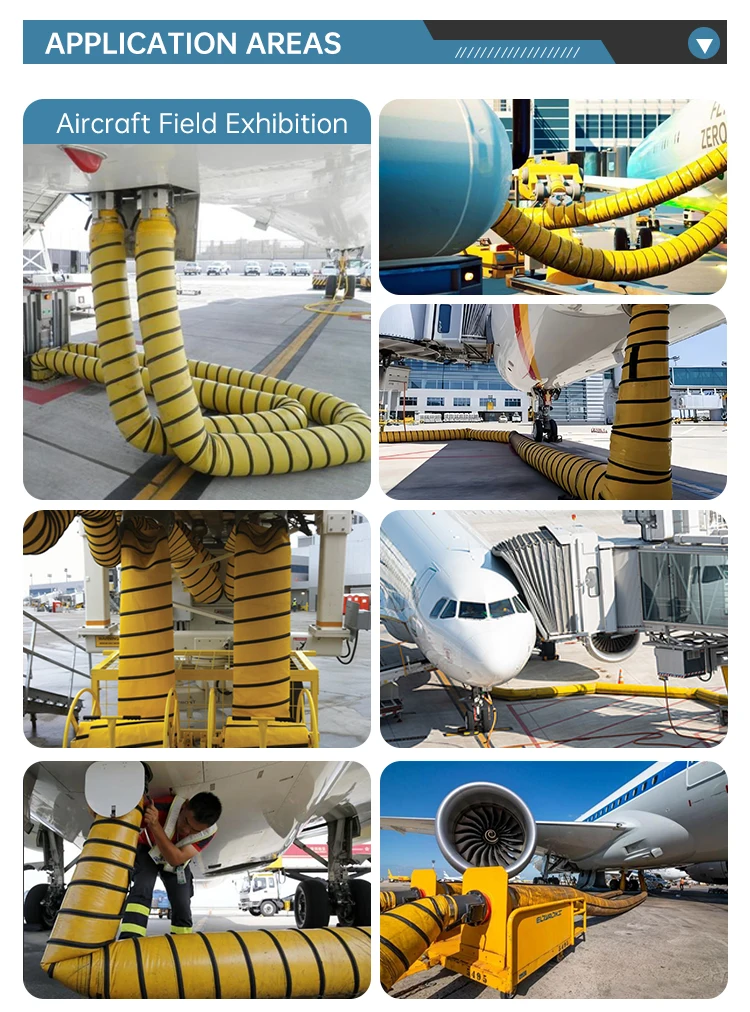
| Airport apron PCA connections | Continuous thermal cycling between ground unit output and aircraft cabin interface, mechanical abrasion from concrete surfaces, jet fuel vapor exposure |
| Aircraft turnaround operations | Rapid deployment and retraction cycles, UV exposure during extended ground time, handling stress from ground crew |
| Hangar climate control systems | Extended static deployment, dust accumulation, temperature differentials between conditioned air and ambient hangar environment |
| Military aviation ground support | Harsh environmental conditions, frequent transport and storage, compliance with military specification requirements |
Why Aviation Ground Support Equipment Demands Documented Thermal Performance
Temperature range claims without verified insulation layer composition create liability exposure on the apron.
Ground support equipment operators specify PCA air ducts based on stated temperature ratings, yet the insulation layer construction determines whether the duct actually maintains thermal integrity during continuous operation. I have reviewed duct failures where the outer PVC layer remained intact while the internal insulation delaminated, causing condensation buildup and reduced cooling efficiency. The aluminum foil bubble film layer in this aviation cooling hose sustains performance across the -30°C to 150°C range, but buyers must verify the specific test methodology used to establish these boundaries [NEED_CITE: thermal cycling test protocols for aviation ground support ducting]. Without documented test procedures, temperature ratings remain marketing claims rather than engineering specifications.
Thermal Insulation Architecture for Pre-Conditioned Air Transfer
The built-in aluminum foil bubble film layer creates a continuous thermal barrier that prevents heat transfer between the conditioned air stream and ambient apron temperatures. This insulation system maintains air temperature from the PCA unit output through the entire duct length to the aircraft cabin interface. Aviation PCA Air Duct manufacturers must balance insulation thickness against flexibility requirements for ground crew handling.
Outer Layer Construction and Apron Visibility Compliance
The PVC-coated fabric-reinforced outer layer provides mildew resistance and water resistance while delivering the high tensile strength necessary for repeated deployment cycles. The yellow-black alternating coloring serves dual purposes: high visibility for apron safety compliance and visual indication of duct orientation during connection. This aviation cooling hose outer layer must withstand mechanical abrasion from concrete surfaces and exposure to jet fuel vapors without degradation.
Connection System Design for Rapid Turnaround Operations
The zipper and Velcro link connection system enables ground crews to deploy and retract the duct within minutes during aircraft turnaround. This connection method eliminates the need for mechanical clamps or bolt-on fittings that require tools and extend turnaround time. The connection interface must maintain an airtight seal while accommodating the thermal expansion and contraction that occurs during continuous operation [NEED_CITE: aviation ground support equipment connection standards].
Understanding Temperature Range Boundaries in Aviation Duct Specifications
The -30°C to 150°C temperature range specification reflects the operational boundaries of the aluminum foil bubble film insulation layer combined with the PVC coating’s thermal stability. At the lower boundary, the PVC coating must resist embrittlement and cracking when exposed to sub-zero ambient temperatures while transmitting heated air. At the upper boundary, the insulation layer must prevent heat transfer that could damage the outer PVC layer or create burn hazards for ground crew handling the duct. Temperature range specifications derived from short-term exposure tests may not reflect continuous operation performance, making it essential to verify the test duration and cycling methodology used to establish these ratings.
The Hidden Cost of Undocumented Fire-Retardant and Anti-Static Performance
Aviation authorities require fire-retardant and anti-static certification for equipment operating on airport aprons, yet duct suppliers frequently provide products without the specific test documentation required for compliance audits. I have encountered situations where ground support equipment passed initial inspection but failed subsequent audits because the duct manufacturer could not provide test reports matching the aviation authority’s referenced standards. The fire-retardant grade must align with the specific regulatory framework governing the airport’s jurisdiction, and anti-static performance must be verified through standardized testing rather than supplier claims [NEED_CITE: airport apron equipment fire safety requirements]. Procurement teams should request test reports before placing orders rather than discovering documentation gaps during compliance reviews.
Why Procurement Teams Source PCA Ducts Through This Manufacturing Process
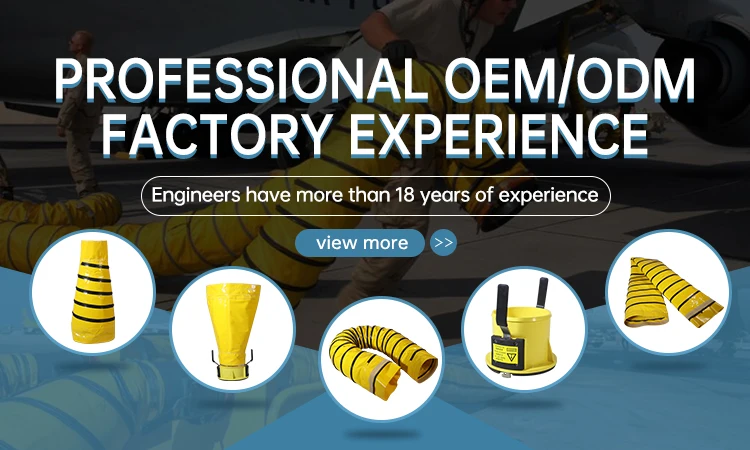
The 10-person R&D team handles custom length and diameter fitment verified against specific aircraft model interface dimensions, ensuring the duct connects properly without adapters or field modifications. Three full production lines with 36 sets of professional equipment support bulk capacity for airport ground support equipment fleets requiring multiple ducts across various aircraft types. Dedicated QA/QC at every production stage includes verification of aluminum foil bubble film insulation integrity and PVC coating adhesion before the duct proceeds to final assembly. Samples developed within days allow ground support equipment operators to test connection fitment and thermal performance before committing to production quantities. ISO and CE certified production processes provide the documentation framework necessary for aviation authority compliance audits.
Documentation & Verification
- Material specification sheet stating PVC coating composition, aluminum foil insulation layer construction, and temperature range test methodology
- Fire-retardant and anti-static test reports matched to aviation authority requirements for apron equipment operation
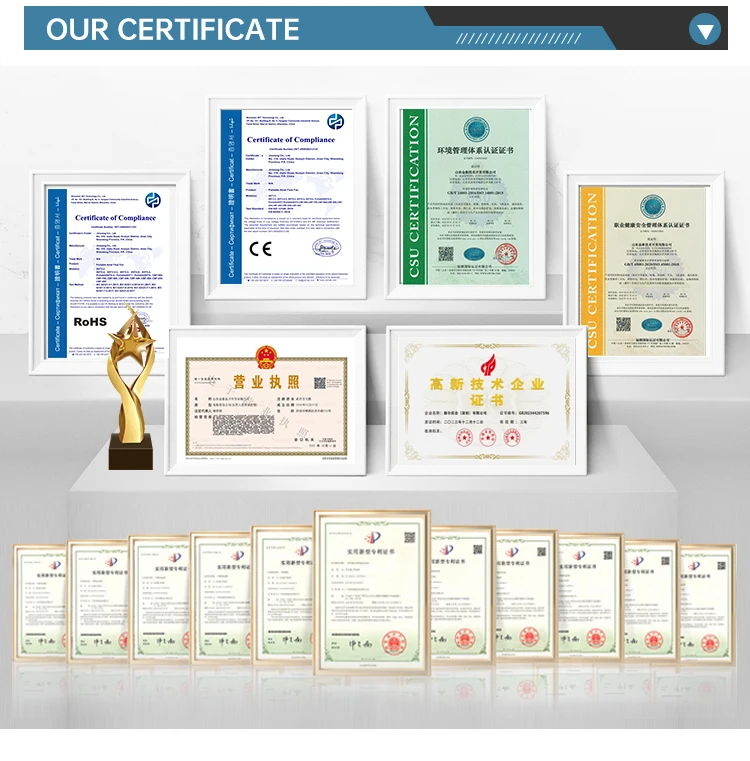
- ISO and CE certificates with pre-shipment inspection records documenting aluminum foil layer integrity and connection hardware verification
- Custom length and diameter fitment verification against specific aircraft model interface dimensions
- Roll packing list with batch traceability for compliance audit documentation
Fabrication, Handling & Storage
- Zipper connection seams require reinforced stitching at stress points to prevent separation during repeated deployment cycles on the apron
- Velcro link surfaces must be protected from dust and debris accumulation during storage to maintain adhesion performance
- Ducts should be stored in extended position or large-radius coils to prevent permanent creasing of the aluminum foil bubble film insulation layer
- PVC-coated outer layer tolerates standard industrial cleaners but requires avoidance of solvent-based products that degrade coating adhesion
- Field repairs to outer PVC layer require compatible adhesive and patch material to maintain water resistance integrity
- Yellow-black coloring should be inspected for fading or abrasion that reduces apron visibility compliance
Requesting Technical Fitment Information
Provide the specific aircraft models and PCA unit interfaces your ground support equipment serves so we can verify diameter compatibility and connection fitment. Specify the fire-retardant and anti-static certification standards required by your aviation authority for apron equipment operation. Indicate your annual duct replacement volume and whether you require custom length configurations or standard production sizes.
Frequently Asked Questions
Q: What fire-retardant and anti-static certifications does the PCA duct carry for airport apron use?
A: The duct is manufactured under ISO and CE certified processes, and fire-retardant and anti-static grades are available to match aviation authority requirements. We provide test reports documenting compliance with the specific standards referenced by your airport’s regulatory framework. Confirm the exact certification standards required for your jurisdiction before ordering to ensure documentation alignment.
Q: How is the duct connected to the aircraft air conditioning interface — and can the fitting be customized per aircraft model?
A: The zipper and Velcro link connection system enables tool-free attachment to standard PCA interfaces. Custom fitment is available for specific aircraft model interface dimensions, verified during sample development before production. Provide your aircraft model specifications so we can confirm connection compatibility and develop appropriate fitting configurations.
Q: What is the temperature range the insulation layer can sustain during continuous operation?
A: The aluminum foil bubble film insulation layer is specified for -30°C to 150°C operation. This range reflects the thermal boundaries of both the insulation material and the PVC coating’s stability. Request the test methodology documentation to verify these ratings match your operational conditions and continuous use requirements.
Q: How do you handle custom length orders and what is the minimum quantity?
A: Custom length and diameter configurations are produced with MOQ 100 units for logo and pattern customization. Standard lengths are available for immediate production scheduling. Provide your required dimensions and annual volume so we can confirm lead time and production slot availability for your ground support equipment fleet.
Q: What documentation is provided with each shipment for aviation site compliance audits?
A: Each shipment includes material specification sheets, fire-retardant and anti-static test reports matched to aviation authority standards, ISO and CE certificates, pre-shipment inspection records, and batch traceability documentation. All documents are formatted to support compliance audit requirements and can be provided in advance of shipment for regulatory review.