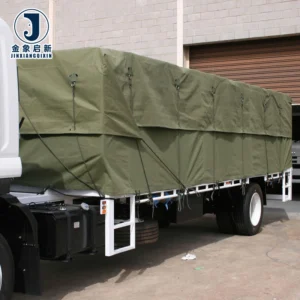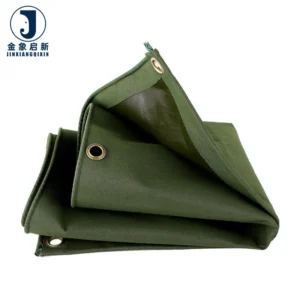





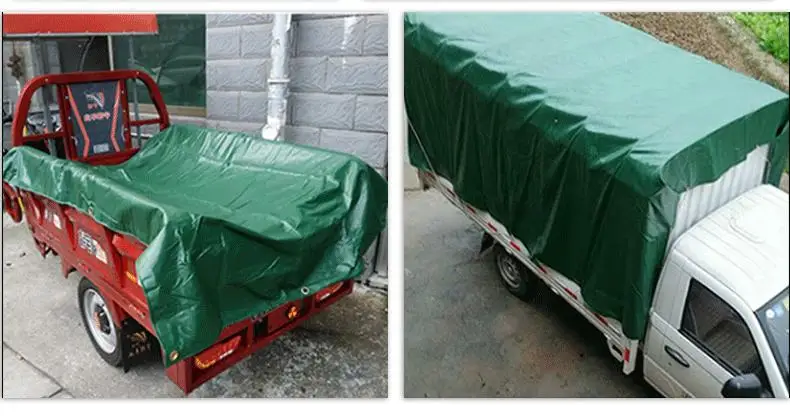
Process-Controlled Coating Weight — nearly 30 years of lamination experience ensures every roll of this 600 GSM woven canvas tarpaulin meets its stated specification before dispatch.
Technical Specifications
| Parameter | Value |
|---|---|
| Product Type | Canvas Tarpaulin |
| Weight | 600 GSM |
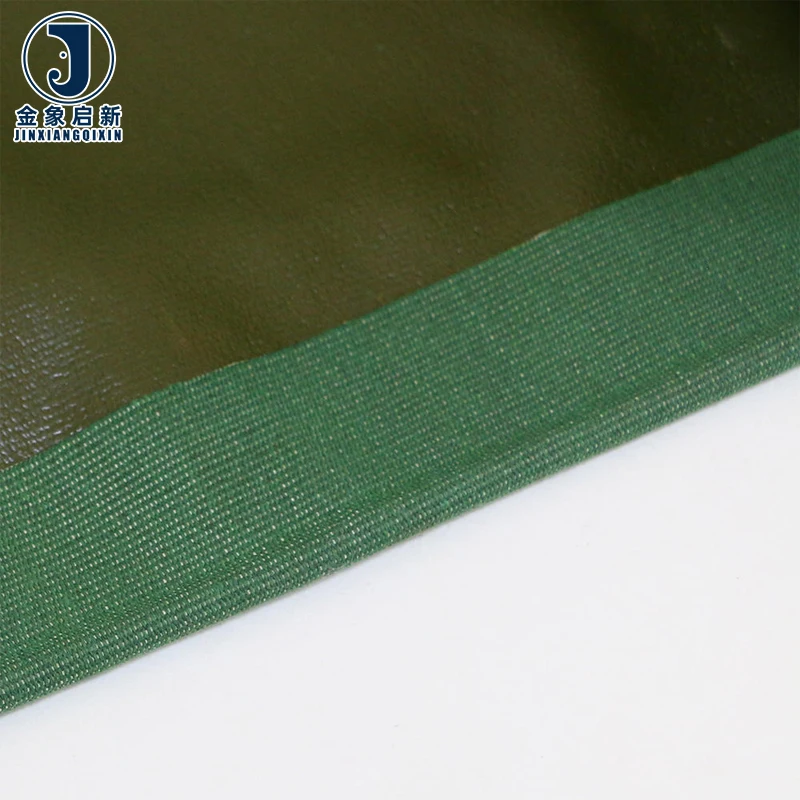
| Base Fabric | Woven Plain Canvas |
| Coating Method | Laminated |
| Waterproof | Fully waterproof laminated construction |
| UV Treatment | UV resistant (test basis not stated in source — confirm required standard) |
| Flame Retardant | Flame retardant treated (grade not stated — verify compliance for your jurisdiction) |
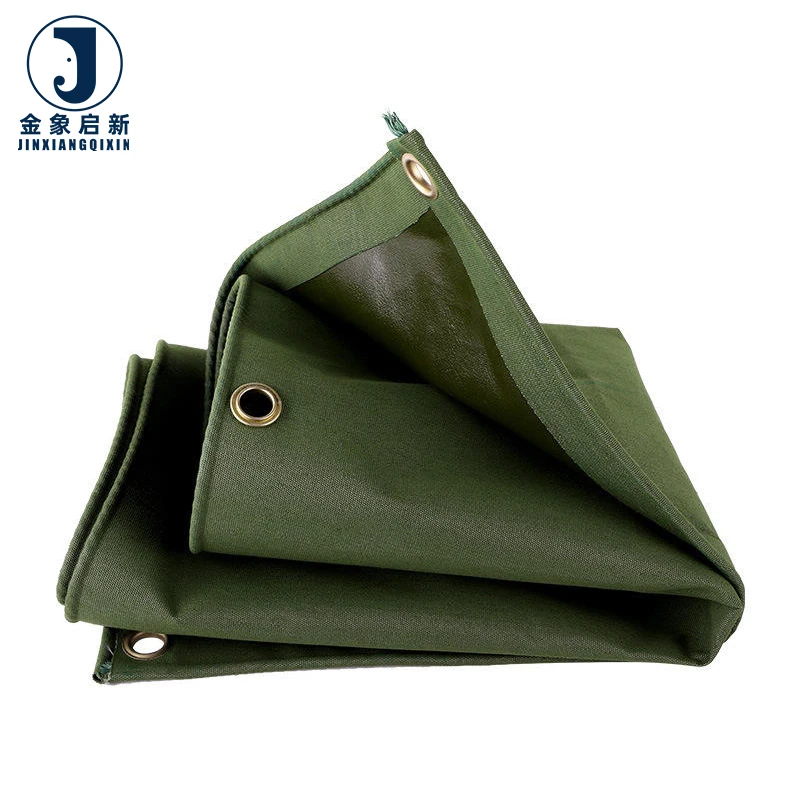
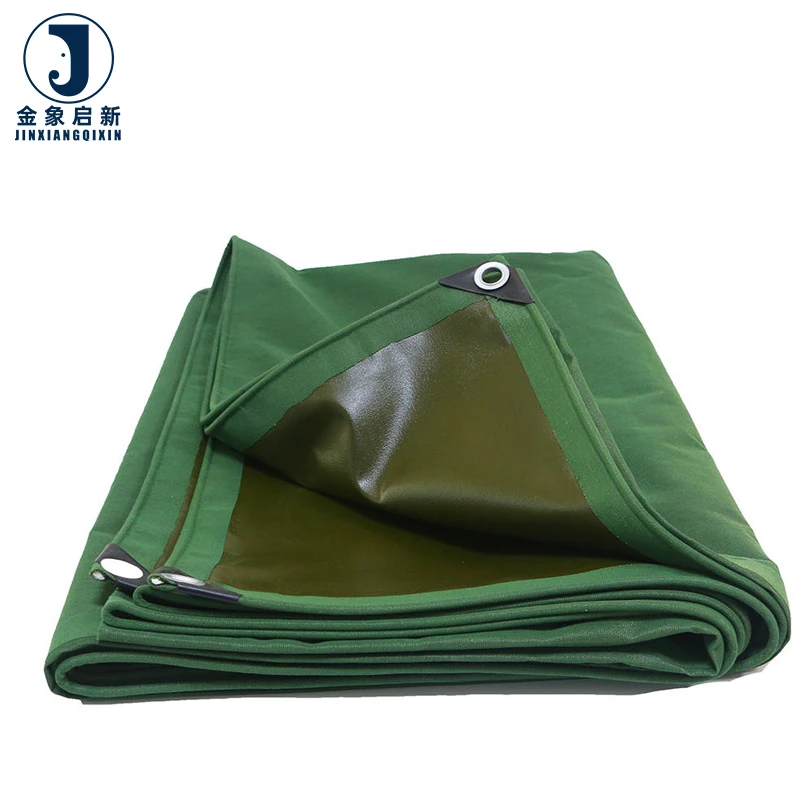
| Edge Reinforcement | Reinforced edges |
Application Suitability
| Application | Exposure & Requirement |
|---|---|
| Mining ventilation duct outer covers | Fire-retardant fabric compliance, continuous airflow exposure, underground particulate abrasion |
| Temporary industrial shelters | Wind loading, UV exposure, structural membrane tension at attachment points |
| Construction site equipment protection | Impact from falling debris, UV and rain exposure, frequent repositioning and folding |
| Membrane structure enclosures | Sustained tensile stress, weather cycling, fire safety code compliance in occupied spaces |
What "Flame Retardant" Means Without a Verified Grade Behind Your Canvas Tarpaulin
A flame retardant claim only protects your project when it carries the specific grade your local fire authority requires.
I have seen contractors receive laminated canvas tarpaulin labeled "flame retardant" on the invoice, only to fail site inspection because the test report referenced a standard their jurisdiction does not recognise. The 600 GSM laminated canvas tarpaulin discussed here carries flame retardant treatment, but the applicable grade — whether M2, B1 per DIN 4102, NFPA 701, or another — must be confirmed against your project’s compliance framework before production begins. [NEED_CITE: DIN 4102 fire classification for building materials]
Mining ventilation applications and occupied temporary structures each demand different certification pathways. Supplying material without the correct documentation delays project handover and, in worst cases, forces full replacement at the contractor’s cost.
Coating Adhesion and Lamination Integrity in Specialist Structures
The laminated construction of this canvas tarpaulin bonds the coating layers to the woven plain canvas substrate under controlled heat and pressure. For mining and tunnelling ventilation duct covers, this bond integrity determines whether the material delaminates under sustained airflow vibration and particulate abrasion. Lamination quality directly affects peel strength at the coating-to-fabric interface, which becomes critical at seams and attachment points where mechanical stress concentrates.
Fire Compliance Documentation for Mining and Tunnelling Projects
Underground ventilation applications require fire-retardant fabric documentation that satisfies both the site safety officer and the regulatory inspector. The 600 GSM canvas tarpaulin is available in flame retardant grades — confirm the grade required for your market before placing your order. Test reports, material specification sheets, and pre-shipment inspection records form the documentation chain that supports compliance verification on arrival. [NEED_CITE: fire safety requirements for underground mining ventilation ductwork]
Reading the 600 GSM Specification in Context
GSM tells you the combined weight of the woven canvas base fabric and the laminated coating per square metre, but it does not isolate how much of that weight comes from the substrate versus the coating layers. A 600 GSM laminated canvas with a heavier base fabric will generally exhibit higher tensile and tear strength than one where the coating accounts for a larger share of the total weight. For industrial and specialist structure applications, requesting the base fabric denier and weave density alongside the GSM gives a clearer picture of how the material will perform under sustained tension at membrane attachment points.
The laminated coating method typically produces lower peel strength compared to knife-coated alternatives, which means heat-welded seams on this material require careful parameter control to avoid delamination at the weld line. Reinforced edges address the most common failure initiation points where stress concentrates during installation and service.
The Hidden Cost of Specifying on GSM Alone
When a 600 GSM laminated canvas tarpaulin arrives lighter than stated, the material may still look and feel acceptable during initial installation. The shortfall reveals itself later — at the point where a ventilation duct cover flexes under airflow pulsation, or where a membrane structure panel reaches its design tension. Material that is underweight stretches further before reaching its yield point, accelerating fatigue at attachment hardware and welded seams. [NEED_CITE: tensile and tear test methods for coated fabrics per ISO 1421]
Flame retardant treatment without a matching test report creates a different category of risk. The material may perform adequately in a small-scale flame test but fail to meet the specific classification your building code or mining regulation demands, resulting in rejected installation and project delays.
Why Source This Canvas Tarpaulin Through Jinxiang Tech
Three dedicated production lines and 36 sets of professional equipment support volume orders with consistent coating weight and lamination quality across every roll in a batch. A 10-person R&D team handles material specification, custom sizing, and sample development — samples for custom width, colour, or treatment combinations are typically developed within days.
Dedicated QA/QC at every production stage means each roll is checked against the stated 600 GSM specification before packing. Pre-shipment inspection records, material specification sheets, and applicable test reports ship with the order, not after repeated follow-up requests. The production process is ISO and CE certified, with documentation structured to support customs clearance and site compliance verification in your destination market.
Documentation & Verification
- Material specification sheet confirming 600 GSM, woven plain canvas base, and laminated coating construction
- Flame retardant test report matching the grade required by your local fire safety jurisdiction
- UV resistance test basis documented alongside expected service environment conditions
- Pre-shipment inspection record verifying weight and dimensions against the purchase order
- Roll packing list and certificate of origin included for customs and logistics processing
Fabrication, Handling & Storage
- Heat welding parameters must be calibrated for laminated construction to prevent delamination at seam lines
- Reinforced edges should align with primary load paths at attachment and tie-down points
- Store rolls upright on pallets to avoid permanent creasing in the 600 GSM laminated canvas
- Unroll in temperatures above freezing to prevent coating micro-cracking during handling
- Use mild, non-solvent cleaners to preserve the laminated coating surface integrity
- Cut panels should allow for thermal expansion in membrane structure applications
Preparing Your Enquiry for Specialist Ventilation and Structure Fabric
Provide your specific application — whether ventilation duct covers, temporary shelters, or membrane enclosures — along with the fire classification your project requires. Specify the roll widths and lengths needed, or the finished panel dimensions if you require cut-to-size supply. Confirm the service environment including UV exposure intensity and temperature range so the correct treatment formulation can be recommended.
Frequently Asked Questions
Q: Which flame retardant grade does this 600 GSM canvas tarpaulin carry?
A: The material is treated for flame retardancy, but the specific grade depends on your target market requirements. We supply test reports for standards including M2, B1 per DIN 4102, and NFPA 701 — confirm which classification your local authority or site safety specification demands before we begin production.
Q: How do I verify the 600 GSM weight when the rolls arrive?
A: Every order ships with a pre-shipment inspection record documenting weight verification per roll. On receipt, cut a measured sample from the roll and weigh it on a calibrated scale — the result should align with the 600 GSM stated on your material specification sheet within normal manufacturing tolerance.
Q: Can laminated canvas be heat welded for duct and membrane fabrication?
A: Yes, laminated canvas can be heat welded, though the process requires careful temperature and pressure calibration to maintain coating adhesion at the weld line. We recommend requesting a fabrication sample to establish your welding parameters before committing to full production runs.
Q: What UV resistance test basis applies to this tarpaulin?
A: UV resistance treatment is applied during lamination, but the specific test basis depends on your service environment. Request the UV test report matching your exposure conditions — whether accelerated weathering or outdoor exposure data — and we will confirm the applicable documentation with your quotation.
Q: Is anti-static treatment available for mining ventilation applications?
A: Anti-static treatment can be incorporated for underground mining and tunnelling ventilation duct covers where static discharge poses a hazard. Specify your anti-static compliance requirement in your enquiry so we can confirm treatment availability and provide the corresponding test documentation.