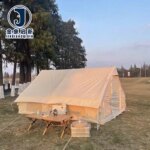
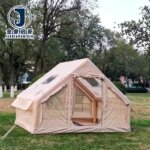
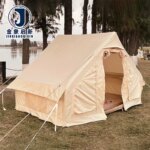

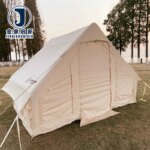
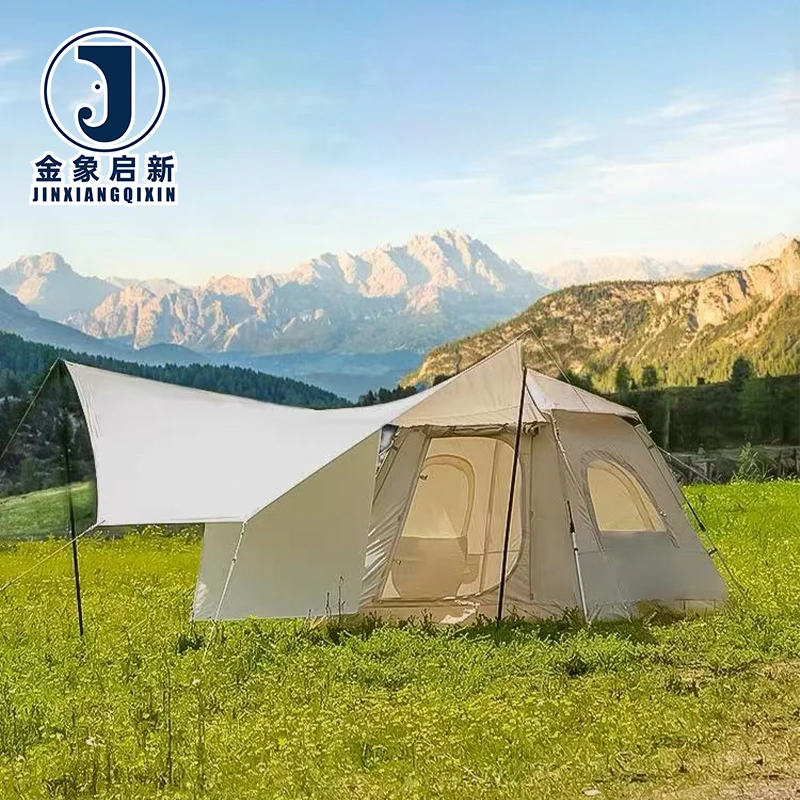
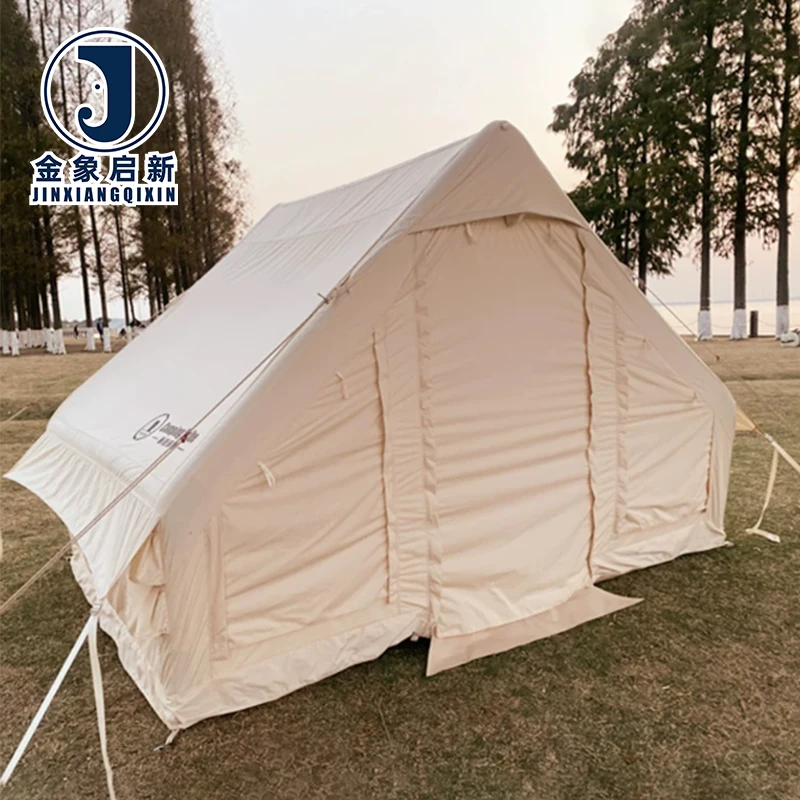
Deep Process Control Over Coated Fabric — nearly three decades of focused coating expertise applied to inflatable tent fabric, with in-process QA at every production stage from base weave through final surface treatment.
Technical Specifications
| Parameter | Value |
|---|---|
| Product Type | Inflatable Tent |
| Core Material | PVC Tarpaulin |
| Key Features | Waterproof, UV-resistant, Tear-resistant, Fire-retardant, Anti-static |
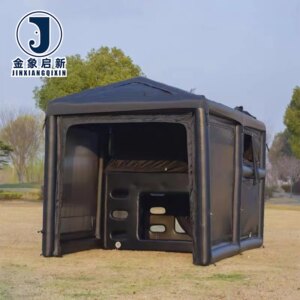
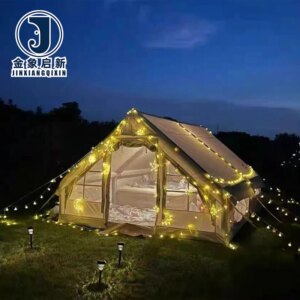
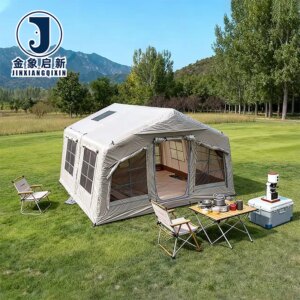
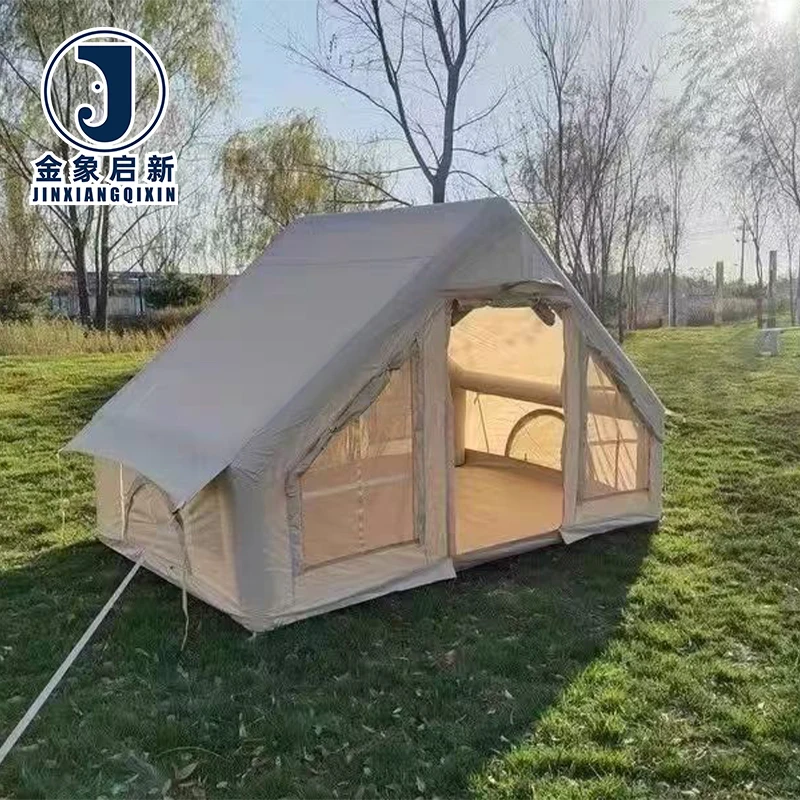
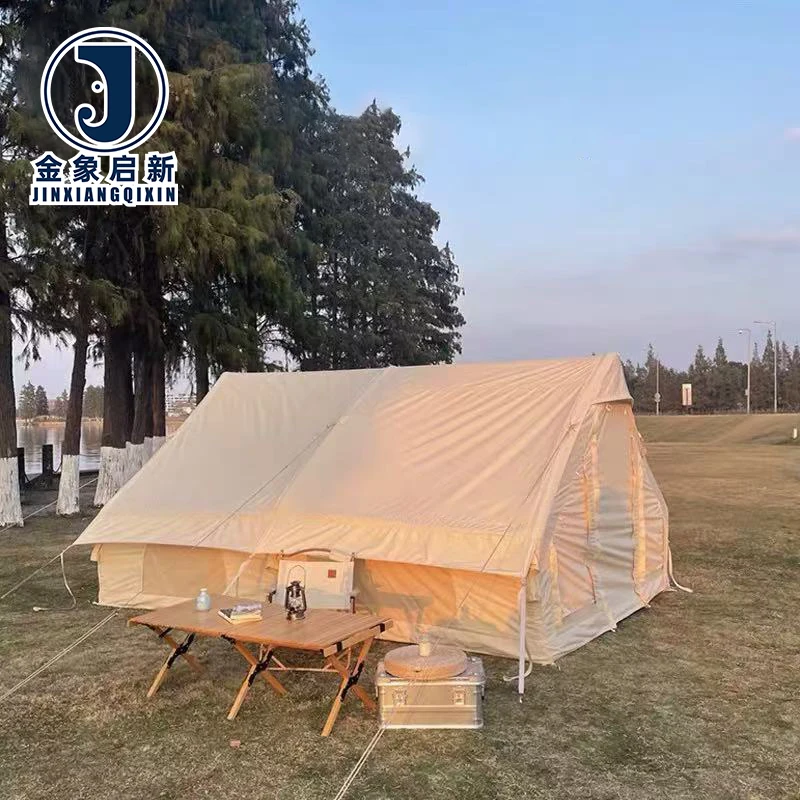
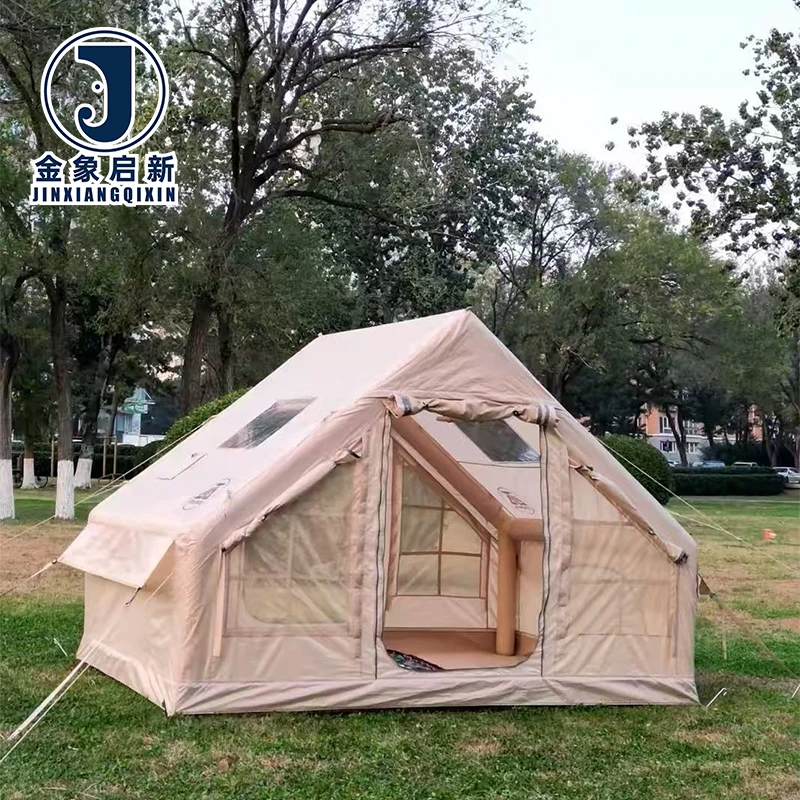
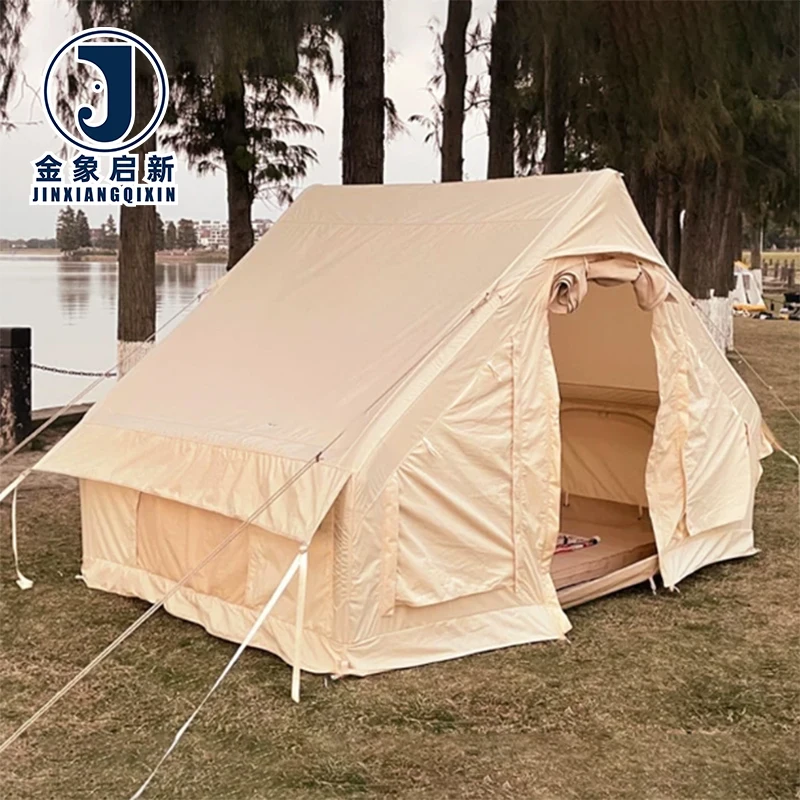
| Product Form | Inflatable structure with quick automatic opening mechanism |
| Fire-retardant Treatment | Available in flame retardant grades — confirm the grade required for your market |
| Anti-static Treatment | Anti-static — confirm standard required for your site compliance |
| UV Treatment | Anti-UV — confirm test basis required for your deployment duration |
| Customization Service | OEM & ODM (sample customization, pattern printing, material selection, product design) |
| Certifications | ISO 9001, ISO 14001, ISO 45001, CE |
Application Suitability
| Application | Exposure & Requirement |
|---|---|
| Temporary site command centers during infrastructure projects | Continuous weather exposure, rapid deployment demand, thermal comfort for personnel |
| Equipment storage shelters in remote construction zones | Permanent water contact, UV degradation over extended outdoor periods, puncture resistance from handling |
| Mobile workshop facilities for field operations | Wind load resistance, thermal stability, abrasion from daily access |
| Emergency response stations for disaster recovery logistics | Rapid automatic opening, fire safety compliance in crowded staging areas, anti-static in sensitive environments |
What "Flame Retardant" Means Without a Grade Behind It
A fabric described as flame retardant without a named standard will not pass a site safety audit — procurement must match the grade to the jurisdiction.
Industrial and mining sites operate under specific fire classification systems. A contractor staging emergency shelters at a tunnelling project may find that the local safety officer requires a particular fire-retardant rating before the structure is permitted on site. Suppliers who quote "flame retardant" as a general claim without attaching a test report leave buyers exposed to rejection during compliance checks [NEED_CITE: DIN 4102 fire classification for building materials]. This is not a documentation preference — it is a hard gate at site entry.
Inflatable Tent Fabric Engineered for Rapid Field Deployment
Industrial inflatable structures depend on fabric that holds air pressure across the beam geometry while resisting the flex fatigue created during inflation and collapse cycles. The PVC tarpaulin base material used in this inflatable tent product line is built to maintain structural rigidity when inflated and to fold down without cracking at the crease lines that form during packing and transport.
Compliance Documentation as Part of the Deliverable
Mining and tunnelling contractors require ventilation and command shelters that carry verifiable fire-retardant and anti-static properties. Each shipment of this custom inflatable tent fabric is accompanied by the documentation needed for site compliance review, not just the material itself. The test reports must name the standard applied and the result achieved, enabling site safety officers to match the fabric against local regulatory requirements before installation begins.
How Base Fabric and Coating Work Together in Inflatable Structures
The performance of inflatable tent fabric depends on the interaction between the base fabric weave and the PVC coating weight applied to it. Tensile and tear resistance are determined jointly by the yarn denier, the weave density of the scrim, and the coating adhesion to the fibre [NEED_CITE: tensile and tear test methods for coated fabrics per ISO 1421]. A heavier coating alone does not guarantee higher strength — it is the base fabric architecture that carries the structural load when the inflatable beam is pressurised. Coating weight and surface finish affect weld seam behaviour during fabrication, where heat and pressure must bond layers without degrading the base fabric underneath. The waterproof and UV-resistant treatments applied during coating determine how the fabric performs under extended outdoor deployment, and their effectiveness depends on consistent application across the full roll width.
The Cost of Specification Gaps in Emergency Deployments
When an emergency shelter fails a site safety audit because its flame-retardant treatment cannot be verified against the required standard, the delay cascades through the entire project timeline. Fabricators who weld inflatable beams from material that lacks consistent coating adhesion may see seam failure occur before the body fabric shows any sign of wear [NEED_CITE: weld seam failure analysis in coated fabric structures]. For disaster response logistics, a shelter that cannot be inflated reliably because the fabric has stiffened during cold storage defeats the purpose of rapid deployment entirely.
Why Technical Buyers Source Inflatable Tent Fabric Here
The 10-person R&D team handles material selection, pattern printing, custom sizing and sample development for inflatable structures, meaning buyers engage directly with engineers who understand how fabric specification affects inflation performance. Three full production lines and 36 sets of professional processing equipment support bulk capacity while maintaining consistent coating weight across every roll in the order. Dedicated QA/QC at every production stage with 100% inspection before shipment ensures that the waterproof, fire-retardant and anti-static treatments applied to this inflatable tent fabric meet the documented specification, not just the quoted one. Samples are developed within days for custom requirements, allowing buyers to test weld parameters and inflation behaviour before committing to full production.
Documentation & Verification
- Material specification sheet stating PVC tarpaulin composition, coating treatment and surface finish for each roll
- Test report for UV, flame-retardant and anti-static grades where applicable, naming the standard and result
- Pre-shipment inspection record confirming weld seam integrity and coating consistency across the batch
- ISO 9001, ISO 14001, ISO 45001 and CE certificates supporting import clearance and project compliance review
- Roll packing list and certificate of origin for customs documentation
Fabrication, Handling & Storage
- Heat weld parameters must account for PVC tarpaulin coating thickness to achieve consistent beam seam adhesion
- Cold storage conditions can stiffen the waterproof PVC coating — allow temperature acclimation before inflation
- Roll handling should avoid compression marks on the UV-resistant surface finish during transport and warehousing
- Anti-static treated rolls require dry storage conditions to preserve surface conductivity for mining compliance
- Custom pattern printing surfaces should be protected from abrasion during fabrication and final packing
Request a Specification Review for Your Project
Provide the deployment environment and the fire-retardant or anti-static standard your site requires, along with the inflatable structure dimensions and annual volume. Our team will confirm whether the available flame retardant and anti-static grades align with your compliance framework, and arrange pre-production samples so your fabrication team can validate weld parameters and inflation performance before the full order enters production.
Frequently Asked Questions
Q: What fire-retardant and anti-static certifications do you provide with each shipment?
A: Each order is accompanied by test reports that name the specific standard and grade achieved for both fire-retardant and anti-static treatment. We confirm the required grade against your market regulations before production begins, so the documentation supports site compliance review without additional testing.
Q: Can you supply tensile strength and flame resistance test data for specific project requirements?
A: Yes, test data for tensile and tear performance is available based on recognised test methods. Flame resistance data is provided with the grade and standard clearly stated. We align the test scope to your project specification during the quotation stage.
Q: What customization options are available for size, pattern printing and structural design?
A: OEM and ODM services cover material selection, custom sizing, pattern printing and product design. The R&D team develops samples within days so buyers can evaluate inflation behaviour and weld performance before committing to production volume.
Q: What is the typical lead time for customized inflatable tent fabric orders?
A: Lead times depend on customization scope and order volume. Custom colours, printing or non-standard widths require additional confirmation during the quotation stage. We provide a confirmed schedule before production begins, with sample approval as the first milestone.
Q: Do you provide installation guidelines and maintenance instructions with delivery?
A: Yes, handling and fabrication guidelines accompany each shipment, covering storage conditions, weld parameters and care instructions for the PVC tarpaulin surface. Our after-sales support extends to installation and field repair guidance.