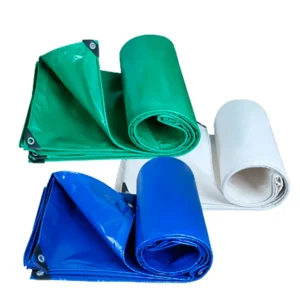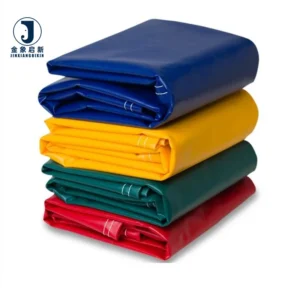
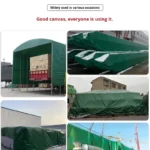

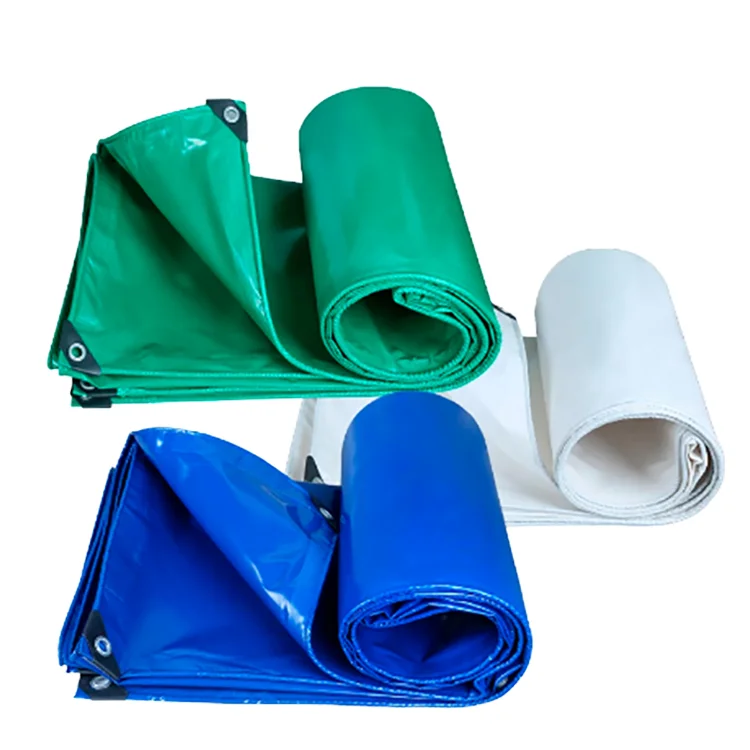

Coating Process Mastery — Nearly three decades of knife-coating expertise ensures every roll of this PVC tarpaulin fabric maintains consistent adhesion and weight from core to edge, critical for membrane structures and ventilation ducts where delamination means system failure.
Technical Specifications
| Parameter | Value |
|---|---|
| Product Type | PVC Knife-Coated Tarpaulin Fabric |
| Coating Material | PVC |
| Coating Method | Knife coated |
| Base Fabric Construction | Plain / Woven / Tricot |
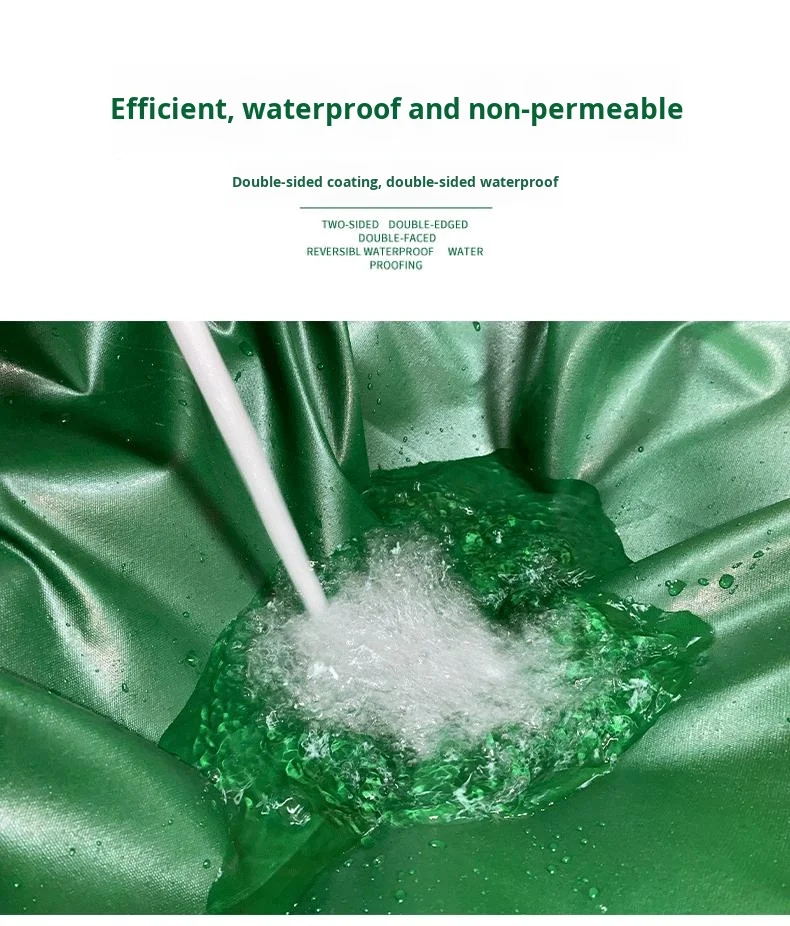
| Waterproof Performance | Anti-permeable ≥20KPa |
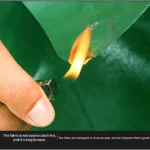
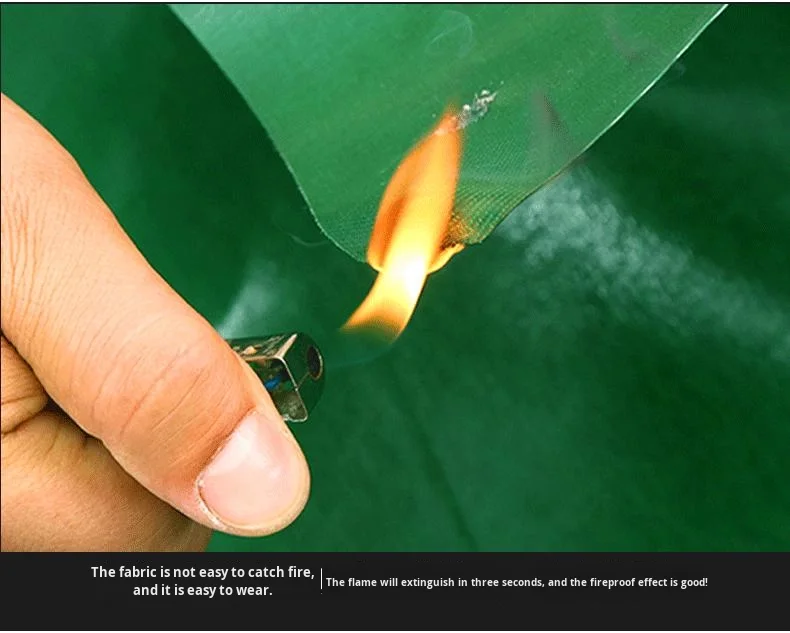
| Flame Retardancy | ≤10 seconds (test standard to be confirmed) |
| Low-Temperature Flexibility | Not fractured at -30°C |
| Corrosion Resistance | Acid, alkali, and brine corrosion resistant |
| Mildew Resistance | Mildew proofing properties |
| Heat Resistance | Adapts to open-air natural conditions |
| Finish | Plain style |
Application Suitability
| Application | Exposure & Requirement |
|---|---|
| Mining ventilation duct outer fabric | Constant abrasion from particulate-laden airflow, chemical exposure from rock dust, flame-retardant compliance for underground use |
| Membrane and inflatable structure enclosures | UV and weather exposure, tensile load from inflation pressure, seam integrity at welded joints |
| Aviation ground support covers | Fuel and hydraulic fluid contact, low-temperature tarmac conditions, rapid deployment and folding |
| Tunnelling enclosure fabric | High humidity, alkaline concrete dust, mechanical contact with equipment, fire safety mandates |
What Compliance Documentation Means When the Inspector Arrives
A ventilation duct or membrane structure is only as legal as the paperwork that accompanies it.
Mining and tunnelling contractors frequently discover at site inspection that the PVC knife-coated tarpaulin fabric delivered for their ductwork or temporary enclosures lacks the specific fire-retardant test report required by local safety regulations. The material may have been quoted as "flame retardant," but without a named standard — M2, B1 per DIN 4102, NFPA 701, or another recognised classification — the claim holds no weight with the site safety officer. [NEED_CITE: fire classification standards for coated fabrics in underground and industrial environments] This gap between quotation language and compliance reality causes project delays, forced material replacements, and failed audits. The fabric we supply for specialist applications ships with documentation aligned to the grade you specify at the inquiry stage, so the test report matches the roll that arrives on site.
Fire Performance Verification for Regulated Environments
When sourcing PVC knife-coated tarpaulin for mining ducts, aviation hangars, or any enclosed specialist structure, the fire classification is the first line item the safety authority checks. This fabric is noted for flame retardancy measured at ≤10 seconds — however, the applicable test standard must be confirmed for your jurisdiction. We recommend requesting the specific test report matched to the standard your site mandates before production begins. Different markets reference DIN 4102, NFPA 701, or local equivalents, and the correct documentation must accompany each dispatch batch.
Low-Temperature and Chemical Exposure in the Field
Membrane structures deployed in cold-climate mining operations or aviation tarmacs face temperatures where standard PVC coatings become brittle and crack at fold points. This material is verified to remain unfractured at -30°C, maintaining flexibility during installation and through seasonal thermal cycling. Additionally, the PVC knife-coated tarpaulin resists acid, alkali, and brine corrosion — properties that matter when ventilation ducts run near chemical processing areas or when enclosure fabrics contact alkaline concrete dust and saline groundwater in tunnelling environments. [NEED_CITE: low-temperature flexibility testing for PVC coated technical fabrics]
How Coating Method and Base Fabric Determine Real-World Behaviour
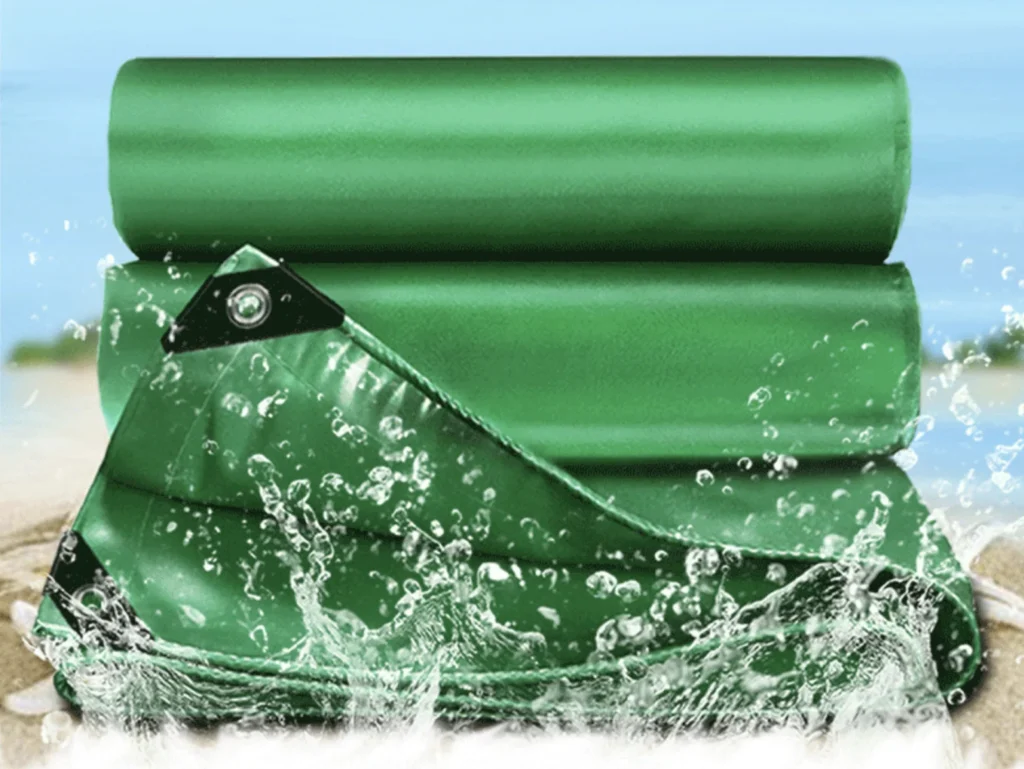
The knife-coating process deposits PVC compound directly onto the base fabric under controlled blade pressure, producing a coating layer that penetrates the weave and bonds to individual yarns. Compared to laminated or calendered methods, knife coating delivers higher peel strength between the PVC film and the textile substrate — a factor that directly governs whether the coating delaminates at welded seams or at fold lines after repeated handling. The base fabric construction — whether plain, woven, or tricot — sets the tensile and tear foundation. GSM alone does not predict performance; a lower-weight fabric with a denser base weave and tighter knife-coat adhesion can outperform a heavier roll with poor bonding. The anti-permeable rating of ≥20KPa confirms that the coated surface resists water penetration under hydrostatic pressure, which is essential for inflatable structures that must hold air and resist moisture ingress simultaneously.
The Cost of Specifying Without Verification
When a mining contractor installs ventilation ducts built from PVC knife-coated tarpaulin that carries no verifiable fire-retardant grade, the entire duct run may need to be replaced after a single safety audit — costing far more in downtime than the original fabric purchase. Similarly, membrane structure fabric that fractures at -15°C because the low-temperature flexibility was assumed rather than tested forces an emergency enclosure replacement mid-winter. [NEED_CITE: coating adhesion failure modes at welded seams in technical fabrics] Colour and finish inconsistencies between rolls in the same order create visible panel mismatches on tensioned membrane facades, triggering aesthetic rejection even when the material itself performs adequately. These are the failures that arise when specifications are accepted at face value without supporting documentation.
Why Technical Buyers Source This Fabric Here
Our production facility runs three full coating lines with 36 sets of professional equipment, allowing us to hold capacity for bulk roll orders without sacrificing coating consistency. A 10-person R&D team handles material selection and sample development specifically for technical applications like ventilation ducts and membrane structures. Every production run goes through dedicated QA/QC at each stage, with 100% inspection before any roll is dispatched. We have nearly 30 years of focused experience in coated fabric, which means our process control over coating weight and adhesion has been refined across thousands of production cycles. Custom widths, treatment grades, and roll lengths are developed as samples within days so you can verify fit and performance before committing to a full order.
Documentation & Verification
- Material specification sheet confirming coating weight, base fabric construction, and stated performance values per roll
- Fire-retardant test report matched to the specific grade and standard required for your mining or aviation site
- ISO and CE certificates included with each shipment for regulatory and contractual compliance
- Pre-shipment inspection record confirming roll count, dimensional accuracy, and surface quality before dispatch
- Certificate of origin and customs documentation prepared for cross-border project delivery
Fabrication, Handling & Storage
- High-frequency or hot-air welding parameters should be trialled on a sample piece to optimise seam strength for this knife-coated surface
- Store rolls vertically on pallets in a dry, shaded area to prevent flat-spot deformation of the PVC coating layer
- Allow cold-stored rolls to acclimatise before unrolling at the installation site to preserve the -30°C flexibility rating
- Use mild, non-solvent cleaners on the plain finish surface to avoid degrading the PVC compound or mildew-proofing treatment
- Plan panel cutting layouts to maximise roll utilisation and minimise welded seam count on membrane and duct assemblies
- Reinforce tie-down and attachment points with additional welded PVC patches to distribute load beyond the base fabric
What We Need to Quote Accurately
To provide a specification and sample that matches your project, share the installation environment — including any chemical exposure, temperature range, and fire safety standards your site mandates. Let us know the required roll width, approximate linear meterage, and whether you need the fabric supplied as rolls only or with factory-finished cuts. If anti-static treatment is required for your ventilation duct application, specify the surface resistivity target so we can formulate accordingly.
Frequently Asked Questions
Q: What fire-retardant grade and test standard does this fabric carry for mining or aviation site compliance?
A: The fabric demonstrates flame retardancy at ≤10 seconds, but the specific test standard — such as DIN 4102, NFPA 701, or M2 — must be confirmed based on your local regulations. We supply the matched test report once the required grade is specified at the inquiry stage, ensuring the documentation aligns with what your site safety officer or regulatory body expects on delivery.
Q: How is the -30°C low-temperature flexibility verified, and is a test report available?
A: The material is tested to confirm it does not fracture at -30°C under controlled conditions, which is critical for cold-climate membrane installations and tarmac-level aviation covers. A test report confirming this low-temperature flexibility result can be included in your shipment documentation package upon request during the specification confirmation process.
Q: What chemical resistance testing supports the acid, alkali, and brine corrosion claim?
A: The PVC compound used in the knife-coating process provides inherent resistance to acid, alkali, and brine corrosion, making it suitable for mining, tunnelling, and industrial environments. We can provide chemical resistance data relevant to the specific agents present in your installation environment when you share those details during the inquiry stage.
Q: Can this knife-coated fabric be supplied in custom width and roll length for membrane structure fabrication?
A: Yes, custom widths and roll lengths are available to reduce seam count and material waste during membrane or duct fabrication. Our R&D team develops samples within days so you can verify dimensional accuracy, weld behaviour, and coating adhesion before committing to a full production run for your project.
Q: What anti-static treatment options are available if the installation requires static dissipation?
A: Anti-static treatment can be incorporated into the PVC coating formulation for ventilation duct and enclosure applications where static discharge is a safety concern. Specify the surface resistivity requirement for your site, and we will confirm the achievable grade and provide supporting test documentation with your order.