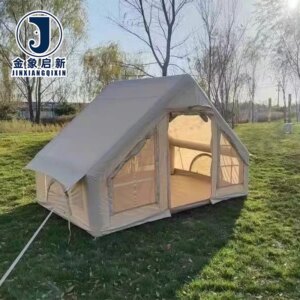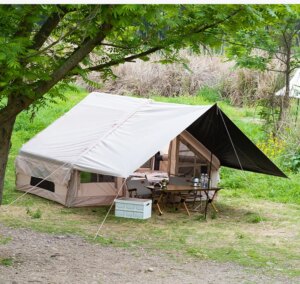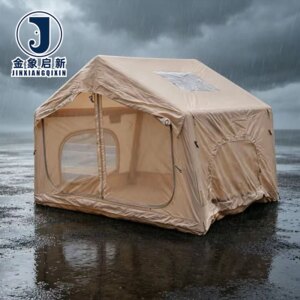
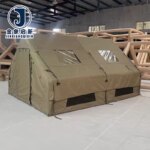
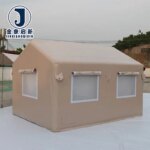

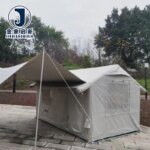
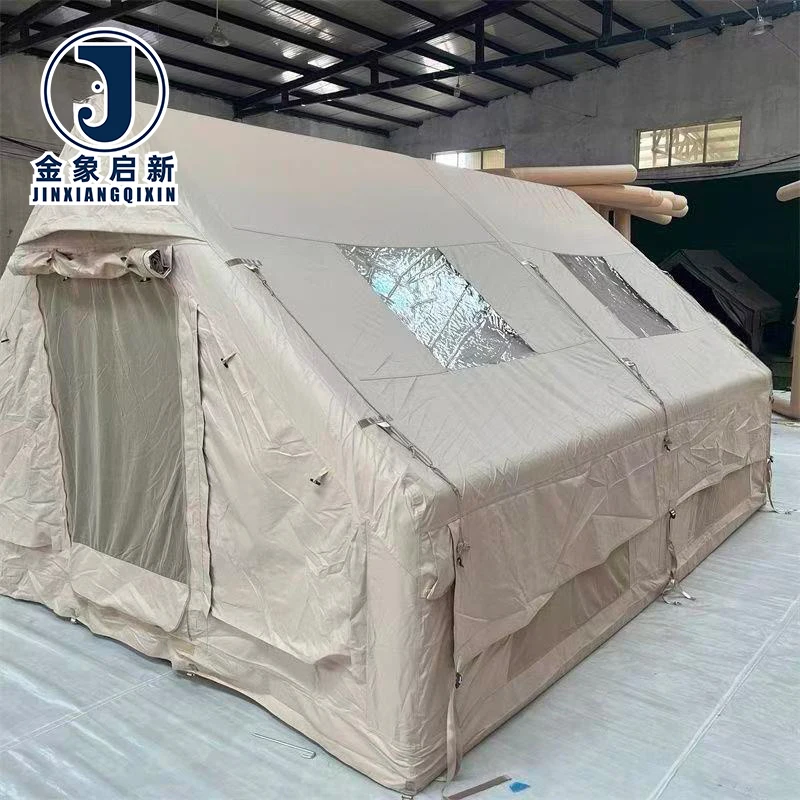
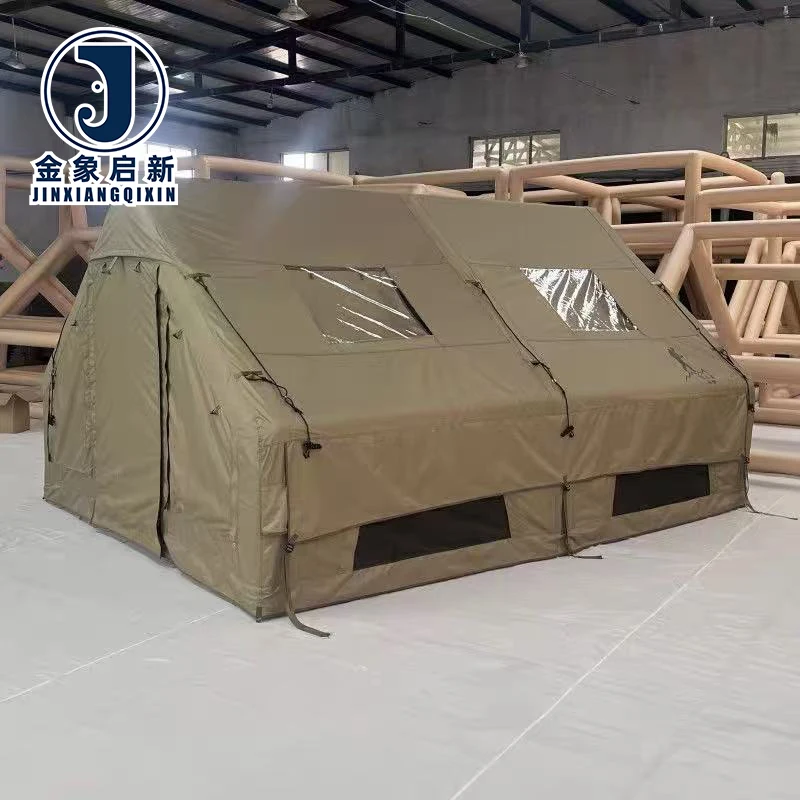
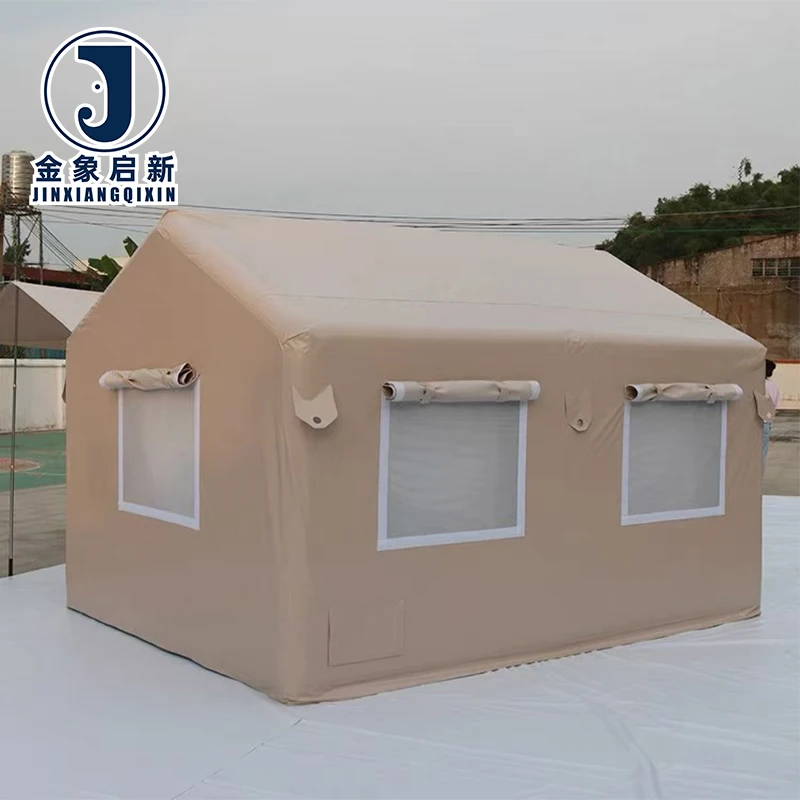
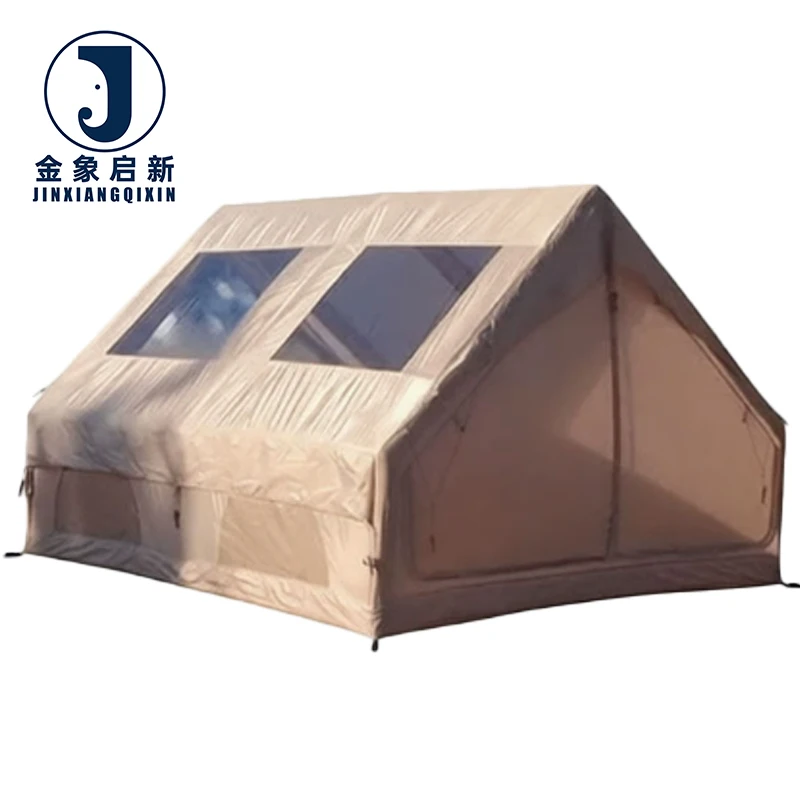
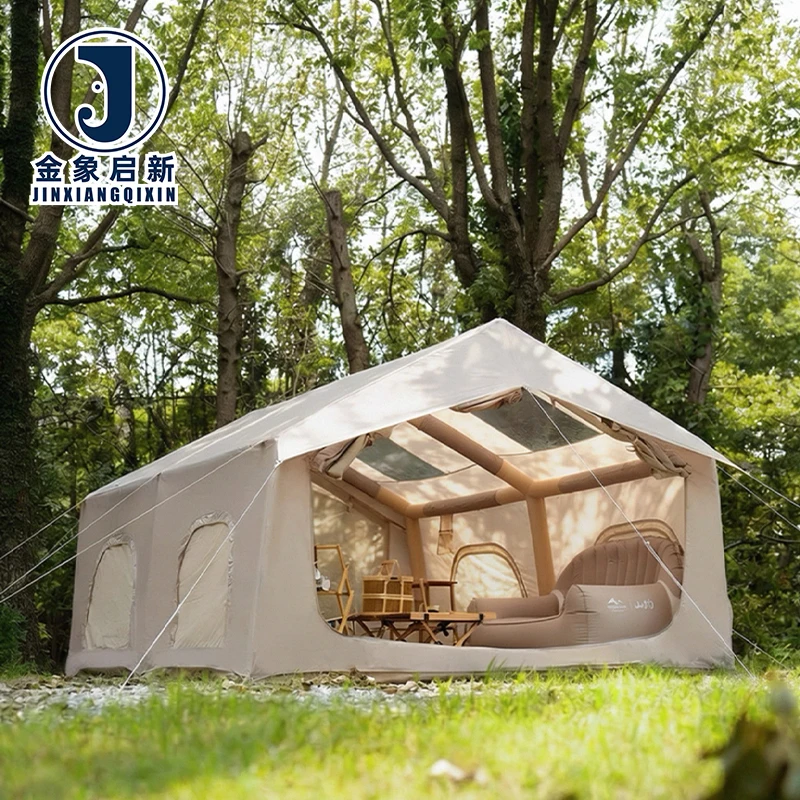
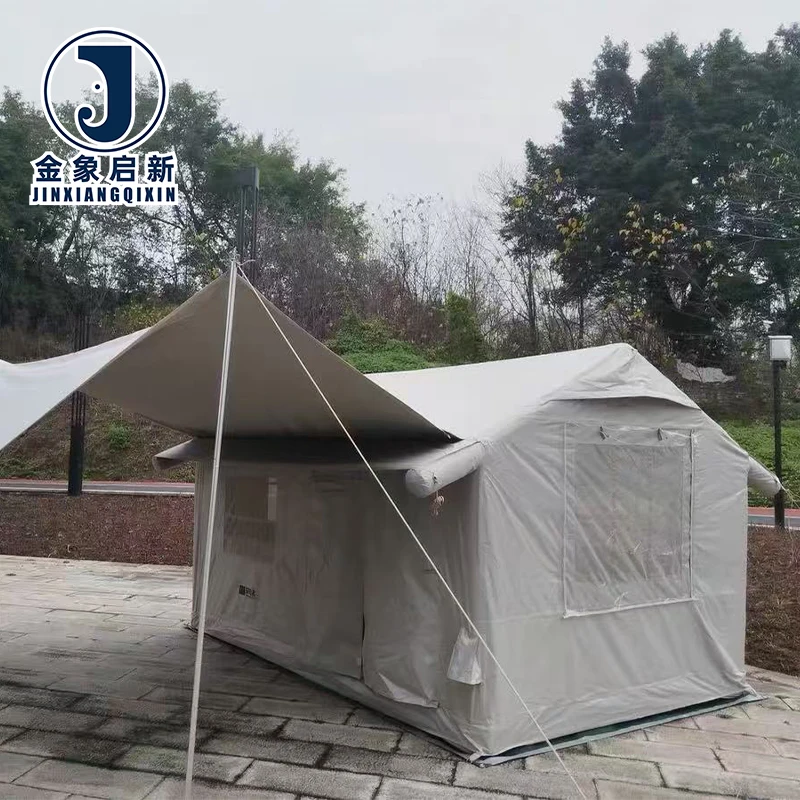
Precision-Coated Fabric Integrity — Every batch of inflatable tent fabric undergoes controlled coating adhesion and weight verification across 3 full production lines before shipment.
Technical Specifications
| Parameter | Value |
|---|---|
| Product Type | Inflatable Tent |
| Core Material | PVC Tarpaulin |
| Waterproof | Yes (test basis not stated) |
| UV-resistant | Yes (test basis not stated) |
| Tear-resistant | Yes (test basis not stated) |
| Capacity | 6-8 Person |
| Season Rating | 4 Season |
| Opening Mechanism | Automatic Opening |
| Customization | OEM & ODM, sample customization, pattern printing |
| Standards | ISO9001, ISO14001, ISO45001, CE |
| Quality Control | Strict full-process inspection with dedicated QA&QC staff |
Application Suitability
| Application | Exposure & Requirement |
|---|---|
| Mining and tunnelling temporary shelters | Underground moisture, confined-space fire compliance, rapid deployment |
| Aviation maintenance inflatable enclosures | Wind load on membrane, chemical exposure from fluids, certified flame retardancy |
| Construction site temporary housing | Continuous UV and rain exposure, repeated inflation cycles, abrasion from ground contact |
| Commercial outdoor events | High guest turnover, frequent pack-down and re-deployment, visual appearance consistency |
| Industrial camping operations | Remote site logistics, multi-season weather extremes, limited repair resources on-site |
What Certified Flame Retardancy Actually Means for Inflatable Structures
Inflatable Tent Fabric fire retardant / anti-static / certified must be backed by a documented test grade, not a marketing claim.
When a mining contractor or aviation facility specifies fire-retardant membrane material, the safety officer on site needs paperwork that names the exact standard and the grade achieved. Too often, Inflatable Tent Fabric fire retardant / anti-static / certified arrives on site with a generic "FR treated" label and no test report that the local authority will accept [NEED_CITE: fire classification standards for temporary membrane structures]. The result is a failed inspection, work stoppage, and an emergency re-source at a premium. The compliance path starts long before the fabric is cut.
Coating Adhesion and Weld Integrity Under Inflation Pressure
An inflatable tent holds its shape only while the membrane resists the internal air pressure uniformly. The weld lines where panels join carry concentrated stress each time the structure inflates or flexes in wind. Inflatable Tent Fabric fire retardant / anti-static / certified must therefore pair a coating formulation that bonds securely to the base fabric with a surface that heat-welds cleanly. When adhesion is controlled at the coating stage, the welded seam reaches a strength close to the parent fabric rather than becoming the first failure point.
Membrane Stress and Four-Season Deployment
A four-season inflatable tent faces temperature swings that change the flexibility of the PVC coating. In cold conditions the membrane stiffens and becomes more vulnerable to cracking at fold lines during transport or inflation. In high heat, the same coating softens and the inflation pressure pushes the fabric outward more aggressively. The base fabric denier and weave density must be matched to the coating weight so the Inflatable Tent Fabric fire retardant / anti-static / certified performs across that full thermal range without premature degradation [NEED_CITE: coated fabric behaviour across temperature extremes per ISO 1421].
Reading the Specification Sheet Beyond the Headline Numbers
A spec sheet listing waterproof, UV-resistant and tear-resistant properties tells you the direction of performance but not the verified level. For procurement planning, the test standard behind each claim matters: a UV treatment tested to a recognised exposure protocol gives you a basis for comparison, while an unverified statement does not. The same applies to tear resistance — the method (trouser tear, Elmendorf, or tongue tear) produces different absolute numbers and must be matched to the load case the inflatable membrane will face. Capacity and season rating define the end-use envelope, while the automatic opening mechanism sets requirements for fabric stiffness and crease recovery so the structure deploys without manual assistance.
The Real Cost When the Spec Does Not Match the Site
A membrane that lacks the fire-retardant grade demanded by a mining safety regulation will halt an entire site until compliant material arrives, delaying every trade working under the structure. Batch colour variation across rolls used on the same inflatable tent shows as visible panel mismatches once inflated in daylight, forcing a costly replacement. Coating that was not formulated for repeated inflation cycles will develop micro-cracks at fold lines, and water ingress follows [NEED_CITE: membrane failure modes in temporary inflatable structures]. These are not theoretical risks — they are recurring patterns when specification shortcuts are taken at the sourcing stage.
Why Source This Inflatable Membrane Fabric Here
Three full production lines and 36 sets of professional processing equipment provide the capacity to fulfil large-volume membrane orders within stable lead times. A 10-technician R&D team handles OEM and ODM requests including pattern printing and sample customization so you can validate appearance and weld parameters before committing to bulk. Strict full-process quality inspection with dedicated QA and QC staff ensures that coating weight, colour consistency and waterproof integrity are verified at each production stage, not only at final roll. ISO9001, ISO14001, ISO45001 and CE certifications underpin the quality management system that governs every batch leaving the facility.
Documentation & Verification
- Material specification sheet stating PVC composition, coating type, and seasonal rating for engineering review
- Test reports for fire-retardant and UV grades where applicable, matched to batch number
- Pre-shipment inspection record confirming waterproof performance and visual consistency across rolls
- ISO9001, ISO14001, ISO45001, and CE certificates supporting regulatory submissions in your target market
- Certificate of origin and customs documentation for international freight clearance
- Roll packing list with net weight and dimensions for warehouse planning
Fabrication, Handling & Storage
- Heat-weld parameters should be established on sample pieces of the PVC tarpaulin before production runs begin
- Store rolls upright on pallets to prevent flat-spot deformation of the coating surface
- Avoid dragging cut panels across rough ground to protect the PVC coating from abrasion damage
- Use compatible PVC adhesive and patch material for field repairs to maintain waterproof continuity
- Clean with mild detergent only — solvents can degrade the coating bond on the base fabric
- Plan panel layout to minimise weld lines in high-stress zones around inflation ports and door openings
Moving Your Enquiry Forward
To specify the correct membrane fabric, share the intended deployment environment, the fire-retardant or anti-static standard your jurisdiction requires, and the target dimensions or roll quantities. If your project calls for OEM branding or pattern printing, provide artwork files and colour references so the R&D team can prepare a physical sample. Confirm whether you need finished cut-to-size panels or full rolls for your own fabrication line.
Frequently Asked Questions
Q: What fire-retardant grade and test standard does the inflatable tent fabric meet for my target market?
A: Available fire-retardant grades are confirmed against the specific standard your market requires, such as DIN 4102, NFPA 701, or local building codes. Request the applicable standard at enquiry stage so the correct test report is generated and included with your shipment documentation.
Q: How is anti-static performance verified and what surface resistance standard applies?
A: Anti-static treatment is applied at the coating stage and verified by surface resistance measurement. The relevant threshold depends on the end-use environment — mining and aviation applications typically demand different limits. Provide your required standard so the batch can be tested and documented accordingly.
Q: What quality inspection reports and certifications are included with each shipment?
A: Each batch ships with a pre-shipment inspection record, material specification sheet, and applicable test reports. ISO9001, ISO14001, ISO45001 and CE certificates are available for regulatory submissions. Additional documentation such as certificate of origin is provided to support customs clearance.
Q: What OEM and ODM customization options are available for pattern printing and sizing?
A: The 10-technician R&D team supports sample customization, pattern printing, and custom sizing. Provide artwork, colour references and dimensional requirements so a physical sample can be produced for your approval before bulk production begins on the 3 full production lines.
Q: What is the sample development process before committing to a bulk order?
A: Submit your material requirements, target application and any compliance standards. A sample is developed within days for you to test weld parameters, verify colour and confirm physical properties. Once approved, the confirmed specification is locked in for production.