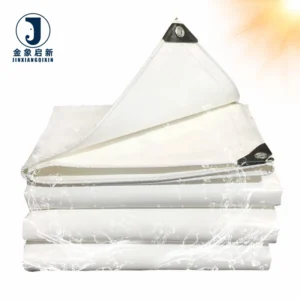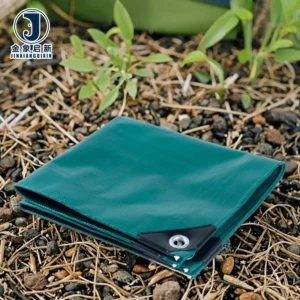
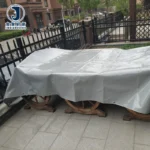
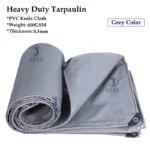
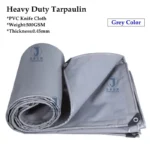
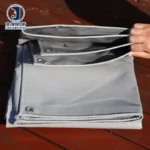
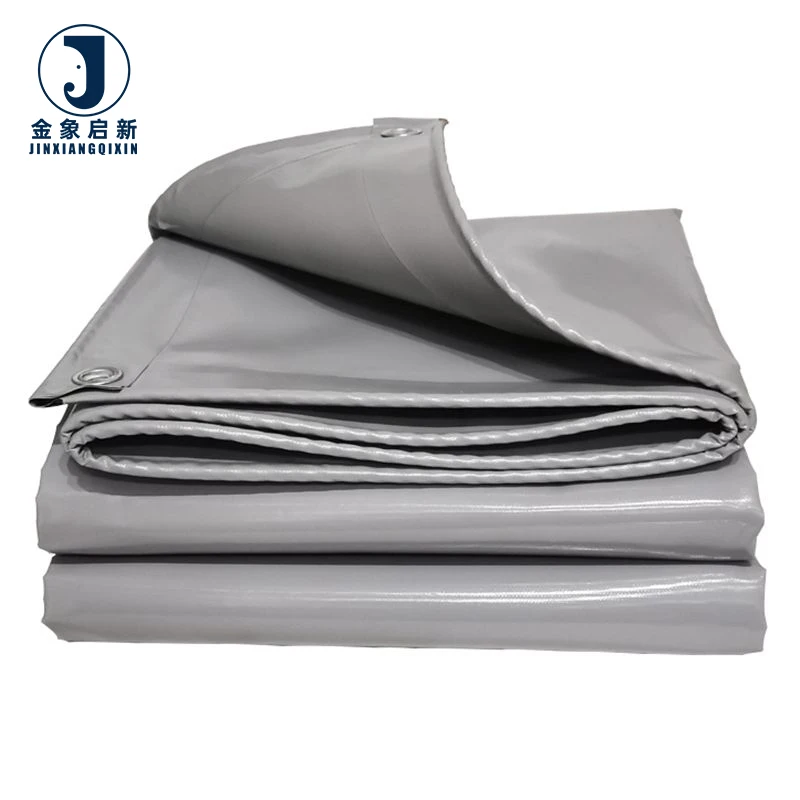
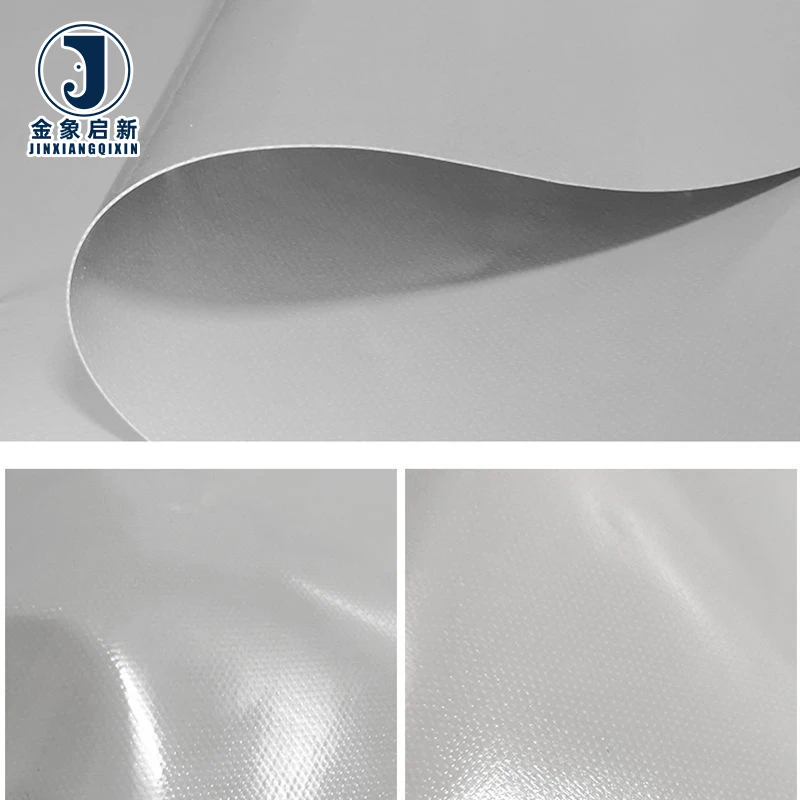
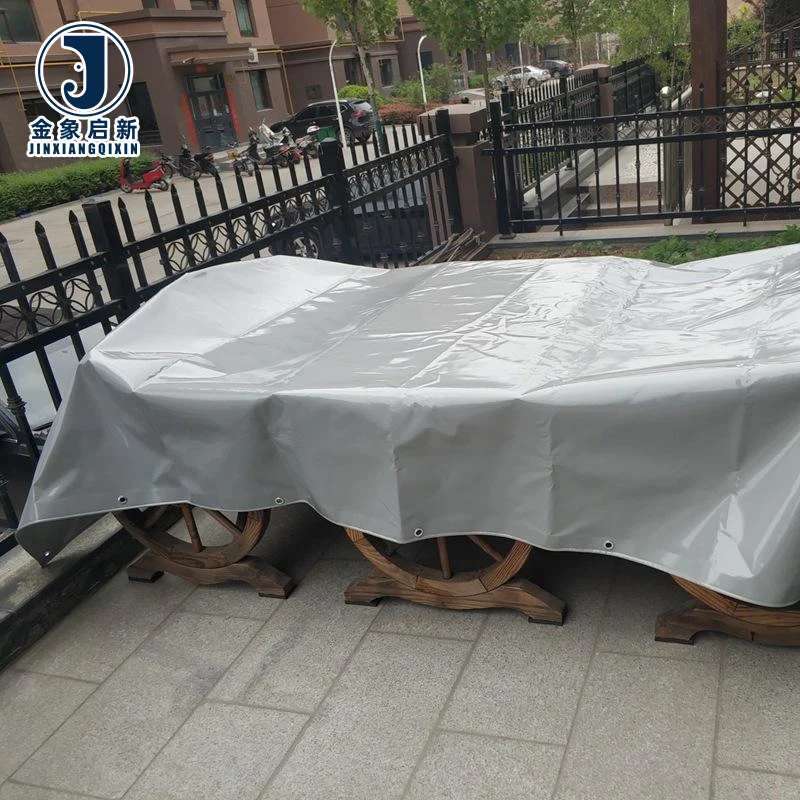
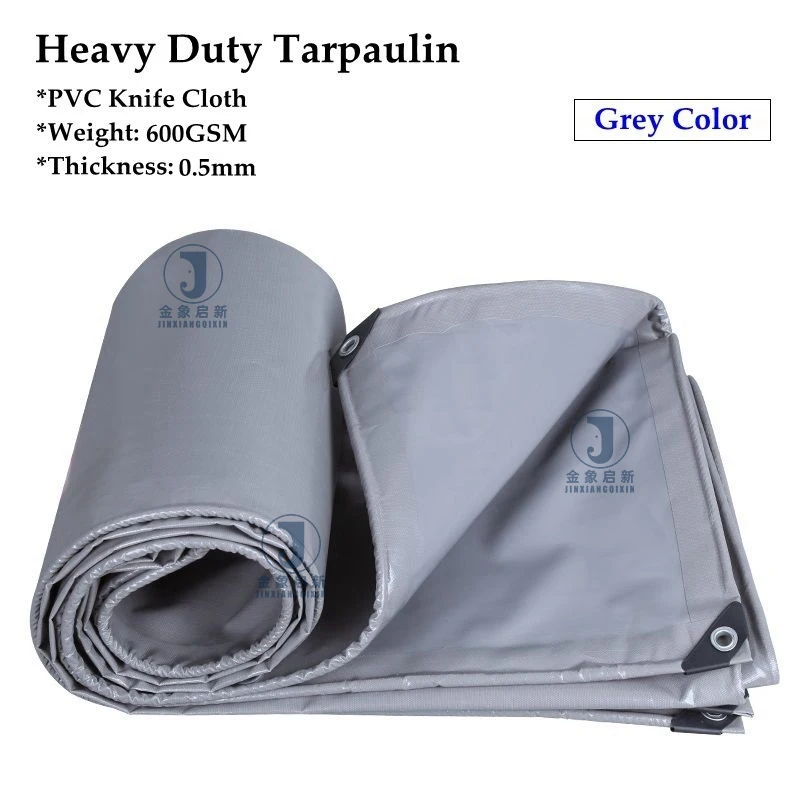
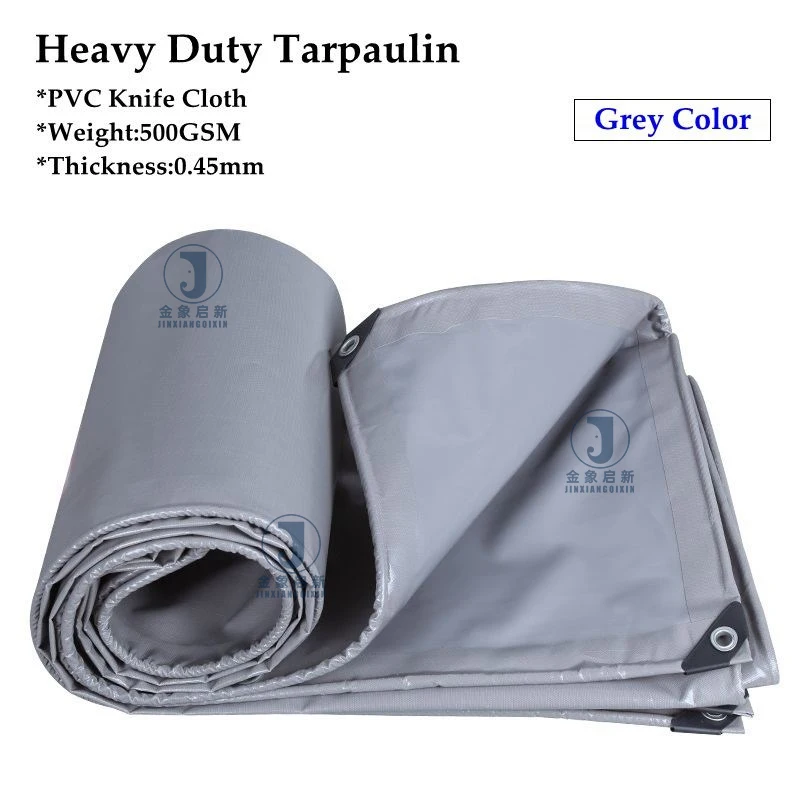
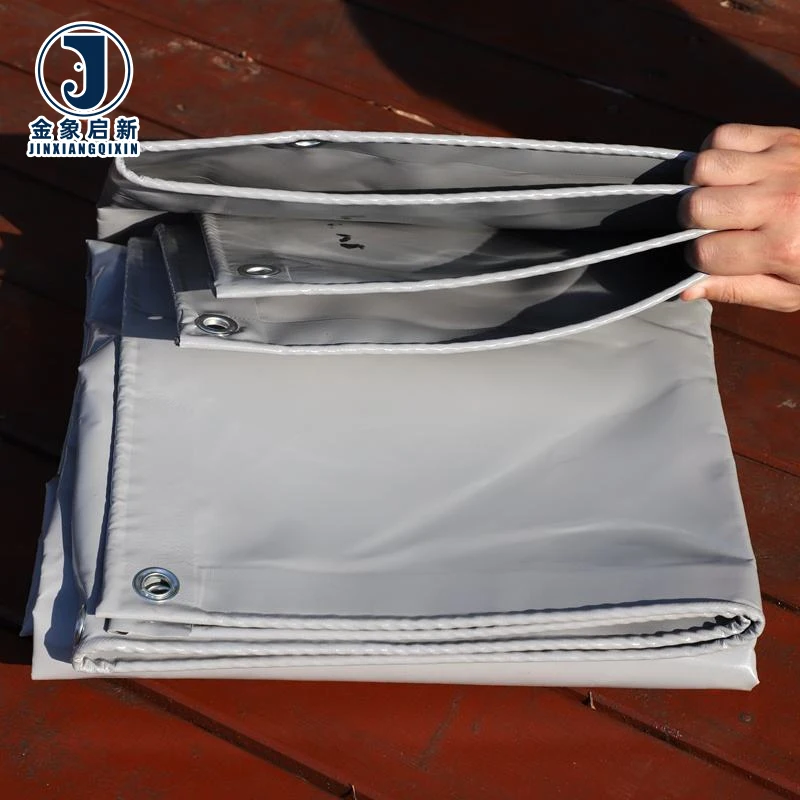
Process Control Over Coating Weight — nearly 30 years focused on coated fabric with dedicated QA at every production stage, ensuring flame-retardant treatment claims are matched to verifiable test documentation before dispatch.
Technical Specifications
| Parameter | Value |
|---|---|
| Product Type | PVC Knife-Coated Tarpaulin |
| Weight (GSM) | 500 to 800 g/m² (confirm the grade required for your application) |
| Coating Material | PVC |
| Waterproof Rating | Anti-permeable ≥ 20 KPa |
| Flame Retardancy | Self-extinguishing ≤ 10 seconds (test standard to be confirmed with supplier) |
| Low-Temperature Flexibility | Not fractured by pliers at -30 °C |
| Heat Sealing | High-frequency heat combined, watertight, will not crack |
| Anti-Mildew | Obvious mildew-proofing properties stated (test basis not stated) |
| Corrosion Resistance | Acid, alkali and brine corrosion resistance stated |
| Water Absorption | Almost no absorbable water, dries quickly |
| Tensile Strength | High strength of tensile (test standard not stated) |
| UV Treatment | Anti-UV treated (test basis not stated) |
Application Suitability
| Application | Exposure & Requirement |
|---|---|
| Mine and tunnel ventilation ducts | Constant airflow, fire safety compliance, abrasive dust, confined-space installation |
| Inflatable and membrane structures | Airtight seam integrity, wind loading, UV exposure, low-temperature deployment |
| Temporary shelter and canopy fabric | Flame-retardant compliance for public assembly, rain and UV exposure, rapid erection |
| Aviation ventilation ducting | Fire classification requirements, chemical resistance to de-icing fluids, lightweight handling |
| Event and military tent fabric | Flame-retardant certification per local authority, repeated packing and unpacking cycles |
Why Flame-Retardant Claims Fail at the Site Inspection Gate
A self-extinguishing time on a data sheet means nothing unless the test standard is named and the report is traceable to your batch.
Contractors working on mining ventilation, tunnel construction, or temporary public structures often receive PVC knife-coated tarpaulin fire retardant certified only on the quotation — then discover the site inspector requires a report referencing a specific standard such as DIN 4102, NFPA 701, or a local mining regulation. The fabric may indeed self-extinguish within ≤ 10 seconds, but without the named standard and a batch-linked certificate, the installation is held up and the contractor absorbs the delay cost [NEED_CITE: common fire classification standards for coated fabrics in mining and construction].
Verifying Treatment Claims Before the Rolls Ship
For technical applications, PVC knife-coated tarpaulin fire retardant certified must be accompanied by documentation that ties the test result to a recognised method. The product data states self-extinguishing within ≤ 10 seconds, which is a measurable figure — but the test standard behind that number determines whether your local fire authority or mine safety inspector will accept it. Request the report before production starts, not after the container is sealed.
Matching the Flame-Retardant Grade to the Regulatory Environment
Different jurisdictions reference different test methods: some mining codes require a specific after-flame and after-glow threshold, while building-related membrane structures may call for a classification under DIN 4102 or an equivalent national standard. Confirm the exact requirement written into your project specification, then cross-reference it with the supplier’s report to ensure PVC knife-coated tarpaulin fire retardant certified documentation aligns with what the inspector will ask for on site [NEED_CITE: regulatory references for ventilation duct and membrane fabric fire performance].
Documentation as Part of the Supply Chain, Not an Afterthought
When fire-retardant documentation is treated as an optional extra, the entire shipment becomes a compliance risk. Embed the test report, material specification sheet, and pre-shipment inspection record into the purchase order terms so that every roll of PVC knife-coated tarpaulin fire retardant certified material arrives with the paperwork already complete and batch-traceable.
Coating Adhesion and Its Role in Duct and Membrane Integrity
In ventilation duct construction and inflatable membrane fabrication, the bond between the PVC coating and the base fabric determines whether the material delaminates under cyclic pressure loading. Knife-coated construction forces the PVC compound into the weave interstices under blade pressure, creating a mechanical and chemical bond that typically outperforms laminated alternatives when the fabric is flexed repeatedly during duct inflation and deflation cycles.
Heat-Sealed Seams for Airtight and Watertight Performance
High-frequency heat sealing fuses the PVC coating layers at the joint without stitching through the fabric, eliminating needle holes that would otherwise leak air or water under pressure. For inflatable structures and positive-pressure ventilation ducts, this sealing method is critical — the specification notes watertight, non-cracking seams, which supports airtight duct runs and inflatable membrane panels that must hold internal pressure across temperature swings down to -30 °C [NEED_CITE: high-frequency welding parameters for PVC coated fabrics].
Reading the Specification Sheet Beyond GSM Alone
The stated weight range of 500 to 800 g/m² covers multiple grades within the product family, and the correct grade for your project depends on the structural load, wind exposure, and handling frequency of the end use. Heavier grades add tensile reserve and abrasion mass but also increase roll weight and handling difficulty on site. The base fabric denier and weave density work alongside coating weight to determine tear propagation resistance — a lighter fabric with a tighter weave may outperform a heavier one with a loose construction when a puncture starts to propagate. Anti-permeability at ≥ 20 KPa indicates the coating resists water penetration under hydrostatic pressure, relevant for pond-liner-style membrane applications and sealed duct joints. Corrosion resistance to acid, alkali, and brine environments extends the service context to chemical plant ventilation and coastal installations.
The Hidden Cost of Specifying the Wrong Fire Grade
Selecting PVC knife-coated tarpaulin fire retardant certified material without confirming the exact test standard leads to one of the most expensive failures in technical fabric procurement: the fabric passes the supplier’s in-house test but fails the site inspector’s reference standard. The duct or membrane is already fabricated, sometimes already installed, and the remediation cost — tear-down, re-fabrication, re-certification — falls entirely on the contractor. Batch-to-batch variation in flame-retardant additive loading can also mean that a passing test report from a previous order does not guarantee the current batch performs identically, making per-batch documentation essential [NEED_CITE: batch variability in flame retardant additive concentration for coated fabrics].
Why Technical Buyers Source This Fabric Here
Three full production lines and 36 sets of professional equipment support bulk rolls for ventilation duct and membrane structure projects without splitting orders across external coaters. The 10-person R&D team handles material selection and sample development for custom widths, fire-retardant grades, and colour specifications required by individual project engineers. Dedicated QA at every production stage means the GSM, coating weight, and flame-retardant additive loading are checked in-process, not only at final inspection. Samples for custom specifications are developed within days, allowing technical buyers to run their own weld tests and fire tests before committing to a full production run. Pre-shipment inspection covers 100 percent of rolls against the agreed material specification sheet, reducing the risk that a non-conforming batch reaches the fabrication shop.
Documentation & Verification
- Material specification sheet stating exact GSM, base fabric denier, and coating method for the grade ordered
- Flame-retardant test report with named standard and batch reference for PVC knife-coated tarpaulin fire retardant certified rolls
- Anti-UV test documentation confirming exposure duration and test method used
- Pre-shipment inspection record with per-roll weight verification against the stated specification
- Roll packing list with batch numbers for full traceability from warehouse to site
- Certificate of origin and customs documentation for cross-border shipments
Fabrication, Handling & Storage
- High-frequency welding parameters must be tuned to the specific GSM grade ordered; test welds on sample offcuts before production runs
- Store rolls horizontally on racking to prevent permanent creasing in the PVC coating layer
- Allow cold-stored rolls to reach above -30 °C ambient before unrolling to avoid coating fracture at low-temperature flex points
- Use compatible PVC-based repair patches and solvent cement for field repairs on heat-sealed seams
- Cut patterns with nesting software to maximise roll yield and reduce waste at the selvage edge
Requesting a Quotation That Matches Your Project Specification
Provide the target fire classification standard required by your local authority or project specification, along with the duct diameter or membrane panel dimensions and the operating temperature range of the installation. Specify whether you need rolls in standard width or a custom width that reduces longitudinal seams in large membrane panels. Confirm the annual volume and whether you require finished cut-and-sewn panels or roll stock for in-house fabrication.
Frequently Asked Questions
Q: Which flame-retardant test standard applies to my ventilation duct project?
A: The product data states self-extinguishing within ≤ 10 seconds, but the applicable standard depends on your jurisdiction and project specification — common references include DIN 4102 for building materials, NFPA 701 for textiles, and various national mining codes. Provide your required standard at inquiry stage so the correct test report can be issued with your batch.
Q: How is anti-UV performance verified for outdoor membrane applications?
A: Anti-UV treatment is stated in the product data, but the test duration and method are not specified. Request a UV exposure test report with the referenced standard and exposure hours before confirming the grade for long-term outdoor membrane or canopy installations.
Q: How do I confirm the exact GSM of the rolls I receive?
A: The product family covers 500 to 800 g/m² across multiple grades. Specify the exact GSM on your purchase order; the supplier conducts 100 percent pre-shipment inspection including per-roll weight verification against the agreed material specification sheet.
Q: What are the heat-sealing requirements for airtight duct fabrication?
A: High-frequency heat sealing is specified for watertight, non-cracking seams. Welding parameters must be calibrated to the specific GSM and coating thickness of the grade ordered — run test welds on sample offcuts to confirm peel strength and airtightness before full production.
Q: Is anti-static treatment available for mining ventilation duct use?
A: Anti-static tarpaulin is referenced in the product keywords, but no specification or certification is provided in the current data sheet. Mining ventilation applications requiring anti-static compliance should request a dedicated test report and confirm the surface resistivity grade before ordering.