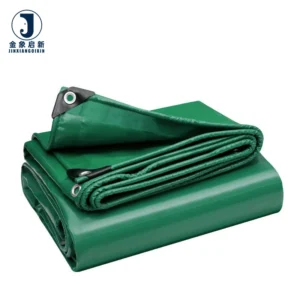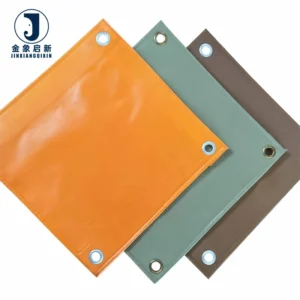
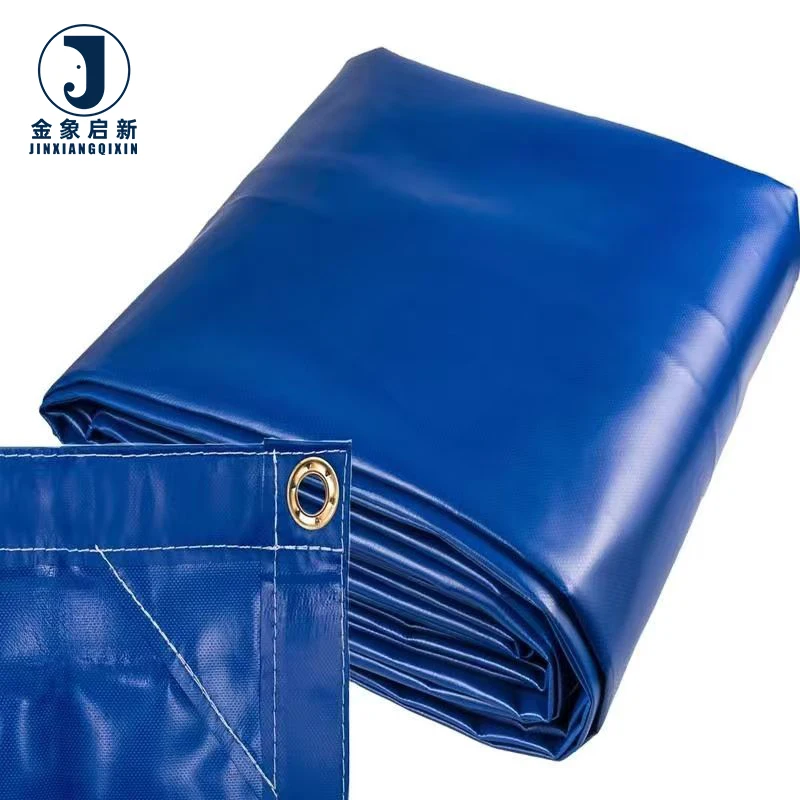
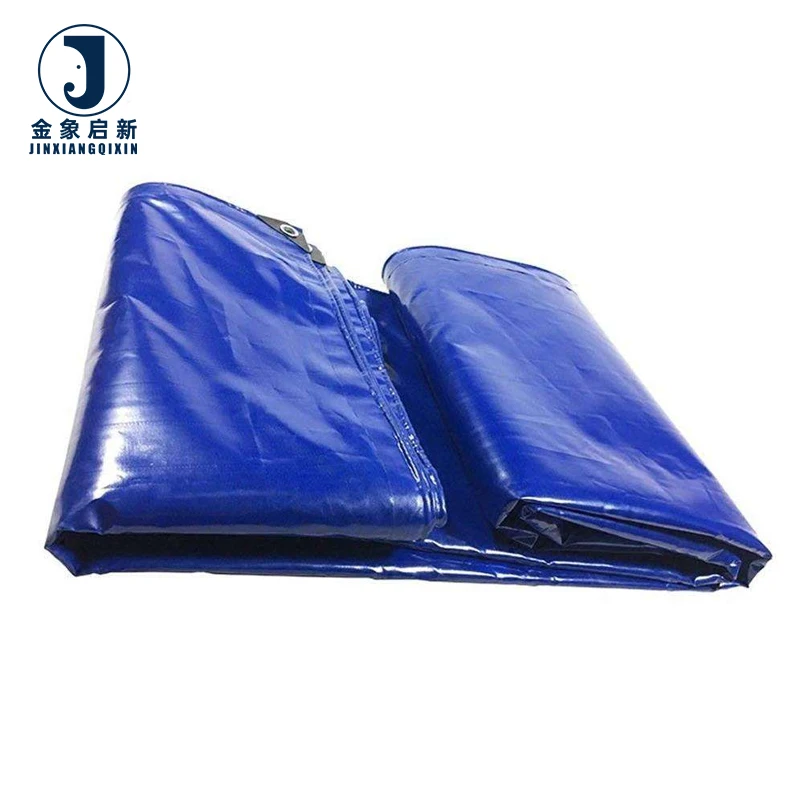
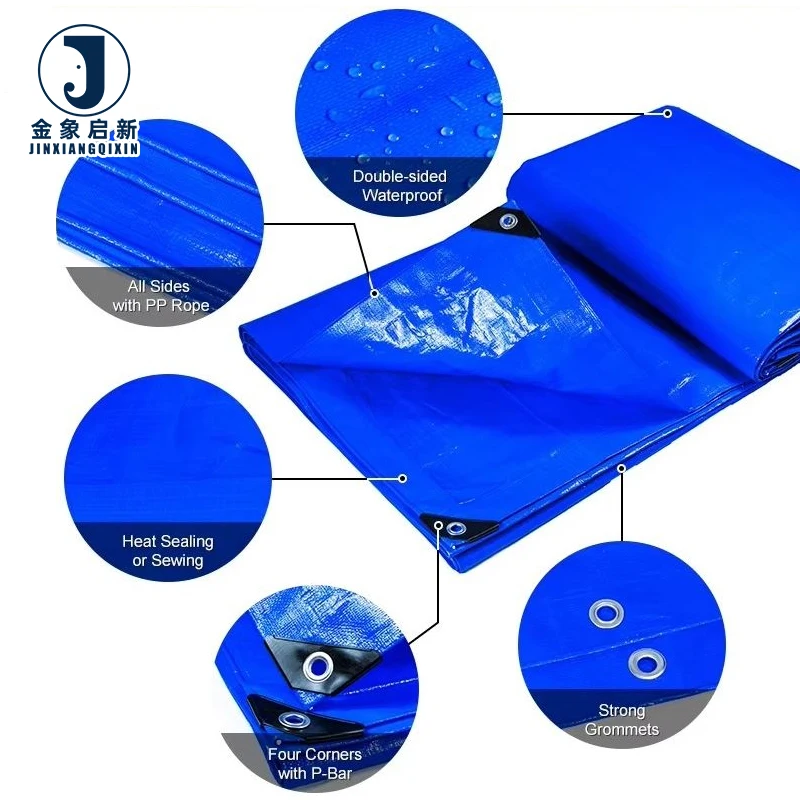
Precision-Coated for Compliance — Every roll of fire retardant PVC coated fabric leaving our facility carries documented test reports matching the ventilation or membrane standard your site demands, eliminating guesswork at inspection.
Technical Specifications
| Parameter | Value |
|---|---|
| Product Type | PVC Coated Tarpaulin |
| Base Fabric Denier | 200DX300D / 500DX500D / 840DX840D / 1000DX1000D |
| Coating Method | PVC coated and laminated |
| Weight Range | 250gsm-1500gsm (confirm the grade for this item) |
| Available Width | Up to 3 m |
| Standard Cut Sizes | 3x4m / 6x8m / 8x10m / 10x12m or custom made |
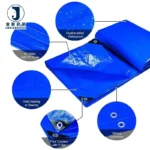
| Colour Options | Blue, yellow, black, green, white, and custom colours |
| Surface Finish | Glossy or matte |
| Operating Temperature | -15°C to 70°C |
| Flame Retardant Treatment | FR treated — confirm the grade required for your market |
| Anti-Static Treatment | Available — surface resistance value to be verified per order |
| Anti-Mildew | Anti-fungal treated |
| Waterproof Rating | Fully waterproof coated construction |
| UV Treatment | Customized — test basis to be confirmed per order |
| Certifications | ISO, CE |
Application Suitability
| Application | Exposure & Requirement |
|---|---|
| Mining ventilation duct | Continuous airflow, underground humidity, fire-retardant and anti-static compliance required |
| Tunnelling exhaust ducting | Abrasive particulate, confined-space fire safety standards, mechanical flex during repositioning |
| Aviation ground support duct | Outdoor UV and temperature swing, certified flame retardant grade per aviation authority |
| Membrane and inflatable structures | Biaxial tension, wind uplift, long-term UV exposure, architectural fire classification |
| Temporary industrial enclosures | Welded seam integrity under wind load, weather sealing, rapid deployment and teardown |
Why "Fire Retardant" Without a Certified Grade Is a Compliance Trap
A fabric can only be called fire retardant when the grade and test standard are documented on the test report you hand to the inspector.
When a mining site specifies a ventilation duct, the safety officer does not ask whether the fabric "resists fire." They ask for the test certificate referencing the exact standard — M2, B1, NFPA 701, or the local mining regulation — and they cross-check the batch number against the roll delivered. PVC coated tarpaulin fire retardant claims without a traceable grade leave the contractor exposed: the material passes your internal check but fails the authority inspection, forcing a tear-out and reinstallation at your cost [NEED_CITE: fire classification test standards for coated fabrics in underground ventilation].
The same logic applies to anti-static treatment. In explosive-atmosphere ducting, surface resistance must fall within a documented range. A supplier statement that the fabric is "anti-static" carries no weight without a measured value on a recognised test method. We supply PVC coated tarpaulin fire retardant and anti-static grades with the test documentation your compliance file requires, so you confirm the exact standard before production begins.
Matching Denier to Duct Diameter and Membrane Span
Selecting the correct base fabric denier is the first engineering decision for any duct or membrane project. Smaller-diameter ventilation ducts operating under moderate static pressure perform well with lighter denier constructions, reducing roll weight and easing handling underground. Larger-diameter ducts or long continuous runs demand higher denier base fabrics to resist the hoop stress and mechanical damage from dragging across rough surfaces. The available options from 200DX300D through to 1000DX1000D allow specification matched to duct geometry rather than defaulting to an over-engineered grade that adds cost and weight without proportional benefit.
Coating Adhesion and Thermal Welding Behaviour
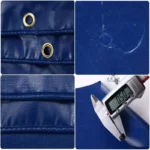
PVC coated and laminated fabrics differ fundamentally in how the coating bonds to the base yarn. Lamination bonds a pre-formed PVC film to the woven substrate under heat and pressure, producing strong peel strength that holds up when the duct flexes repeatedly at support rings. Coated fabrics, where liquid PVC is applied directly to the weave, can offer tighter control over coating weight distribution across the full width. Both processes influence the thermal welding window: the operator must match hot-air temperature and travel speed to the coating formulation, or the weld line becomes the first point of failure [NEED_CITE: peel strength and weld integrity testing methods for PVC coated fabrics per ISO 1421].
Interpreting Weight, Denier and Operating Temperature
Coating weight stated in GSM describes mass per square metre, but it does not independently define tensile or tear performance — base fabric denier and weave density share that role. A 650 GSM fabric built on a 500DX500D base will behave very differently from one on an 840DX840D base under the same duct pressure. The operating temperature range of -15°C to 70°C sets the boundary for safe deployment: below the lower limit the PVC coating stiffens and becomes prone to crack propagation at fold lines, while approaching the upper limit the coating softens and weld seams may creep under sustained tension. Flame retardant treatment availability across the range means the FR additive package must be compatible with the selected GSM and coating method, which is why grade confirmation precedes production scheduling.
The Cost of Specifying on Weight Alone
Contractors who approve a duct fabric based on GSM without verifying denier and coating adhesion often discover the problem after installation. A lighter base fabric beneath a thick coating layer may meet the weight figure on the quotation but lacks the tear resistance to survive duct repositioning in a tunnelling drive. Weld seams on such constructions tend to delaminate before the fabric body fails, because the coating-to-yarn bond was never the controlling design parameter. Batch colour variation between rolls compounds the problem on membrane structures where adjacent panels meet at visible seams, forcing rejection at handover [NEED_CITE: coating adhesion failure modes in flexible ventilation duct installations].
Why Procurement Teams Source This Fabric Here
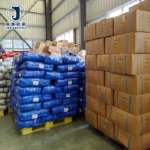
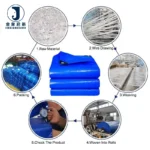
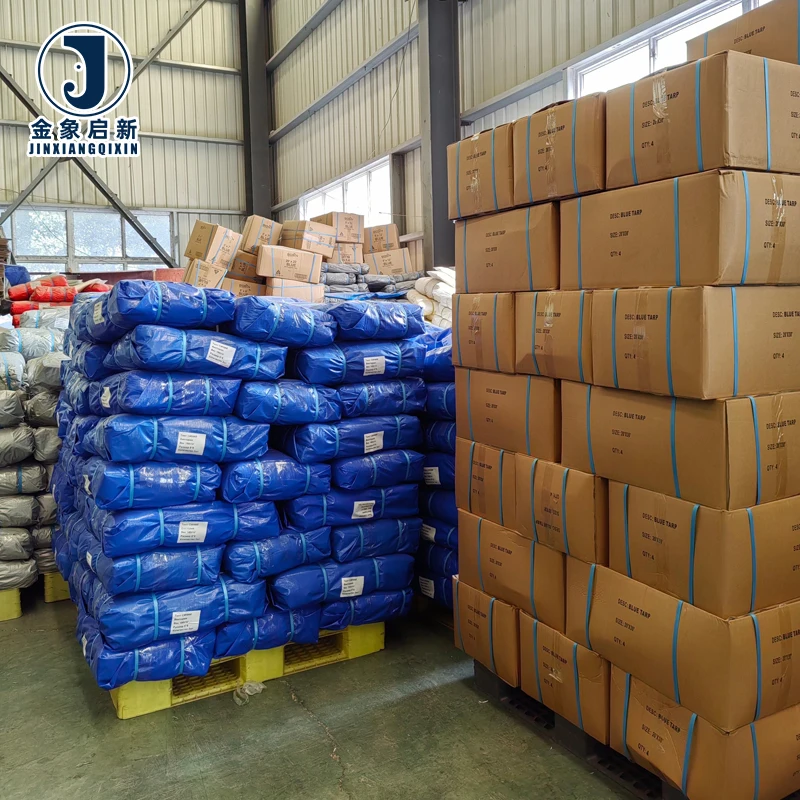
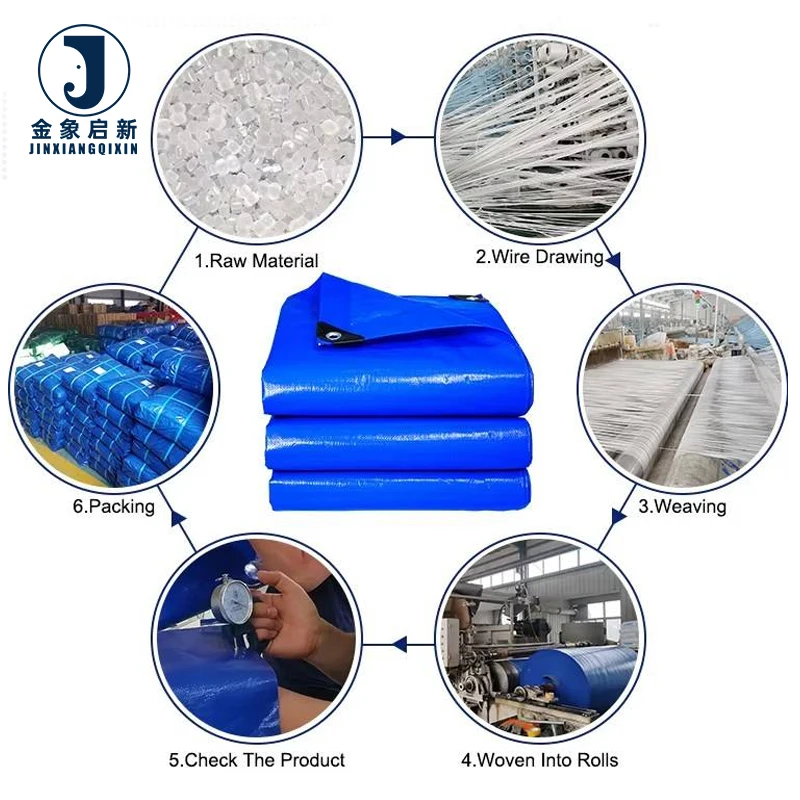
Our ten-person R&D team reviews your duct diameter, support spacing and compliance standard before recommending a denier and coating weight combination, so the material specification is built around your application rather than pulled from a stock list. Three full production lines with 36 sets of professional equipment provide capacity to deliver container-load volumes within the project schedule, including custom widths that reduce longitudinal weld seams in continuous duct runs. Every roll undergoes dedicated QA and QC inspection at each production stage, with one hundred percent pre-shipment verification of coating weight, colour consistency and treatment documentation — the test report you receive is tied to the batch you receive.
Documentation & Verification
- Material specification sheet listing GSM, base denier, coating method and colour reference per roll
- Flame retardant test report citing the grade and standard applicable to your market
- Anti-static surface resistance certificate where required for underground or explosive-atmosphere ducting
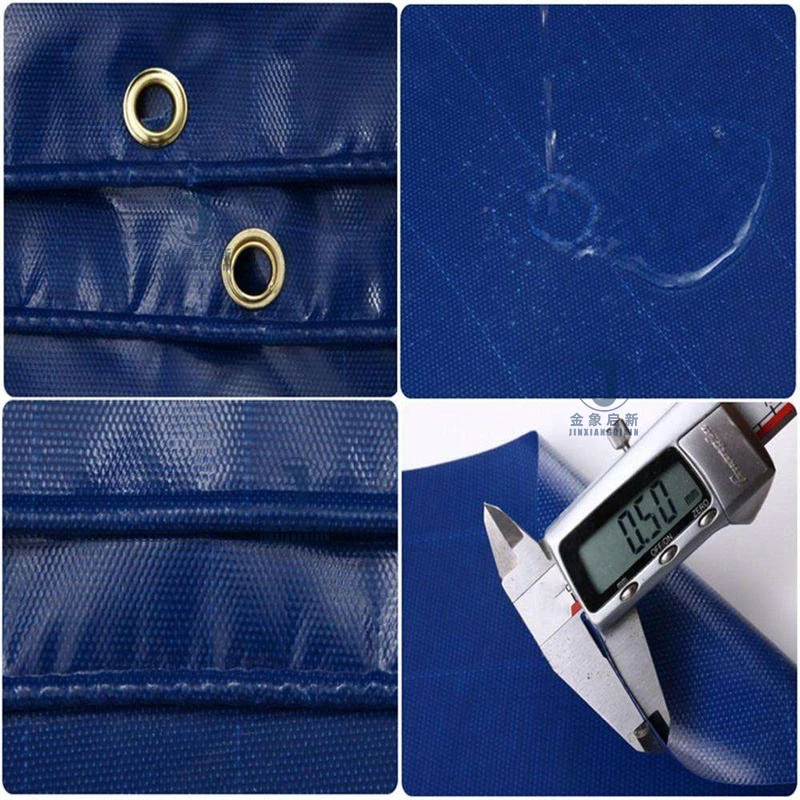
- Pre-shipment inspection record confirming weight verification and visual QA before dispatch
- ISO and CE certificates confirming management system scope covers coated fabric production
Fabrication, Handling & Storage
- Hot-air weld temperature and speed must match the PVC coating formulation — request our recommended parameters for the selected GSM grade
- Store rolls upright on pallets to prevent flat-spot deformation that transfers into visible creases on the duct surface
- Unroll and allow the fabric to relax at ambient temperature before cutting, especially when delivered in cold conditions below the -15°C lower handling threshold
- Use solvent-based PVC adhesive for field repairs on coated surfaces; water-based alternatives do not bond reliably to the plasticiser-rich coating layer
- Plan cutting layouts to minimise transverse welds in continuous duct sections, using the available 3 m width to match common duct circumferences
Requesting a Matched Specification
Tell us the duct diameter or membrane span, the fire classification your local authority requires, and whether anti-static certification is part of the site safety specification. We will return a material recommendation with denier, GSM and treatment grade matched to those parameters, along with a sample roll section for your weld testing and approval before full production.
Frequently Asked Questions
Q: What fire-retardant certifications do you provide for mining ventilation duct applications?
A: We supply flame retardant test reports referencing standards such as M2, B1 or NFPA 701 depending on your market. The exact grade must be confirmed at inquiry stage so the additive package is matched to your compliance requirement and documented on the batch certificate before dispatch.
Q: Can you supply anti-static PVC fabric with test documentation for aviation compliance?
A: Anti-static treatment is available with surface resistance measured on a recognised test method. Provide the aviation or site-specific resistance range at inquiry so we formulate the coating accordingly and include the measured value on the pre-shipment documentation package.
Q: What GSM weight is appropriate for membrane structure versus ventilation duct use?
A: Membrane structures spanning large areas typically require higher denier base fabric combined with a heavier coating to resist biaxial tension and wind uplift, while ventilation ducts prioritise flex fatigue resistance. Share your span or duct diameter and we recommend the matched GSM and denier combination.
Q: How do you verify coating weight and base fabric denier match the quotation?
A: Each production run includes in-process QA checks on coating weight, with one hundred percent pre-shipment inspection against the stated GSM and denier on the material specification sheet. The inspection record accompanies the shipment so you can verify on receipt.
Q: What is the lead time for custom width and fire-retardant treatment orders?
A: Lead time depends on the selected GSM, treatment package and order volume. Custom widths and FR grades are produced on dedicated line slots, so we confirm the schedule at quotation stage once the specification and sample approval are complete.