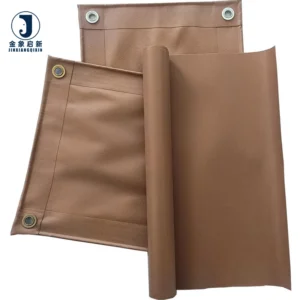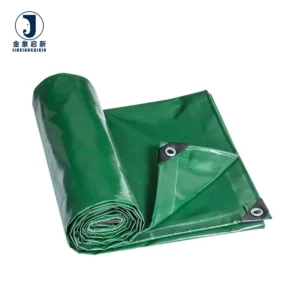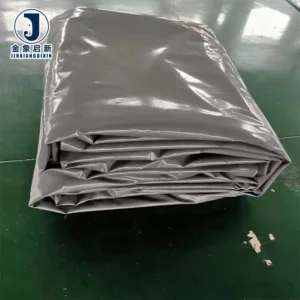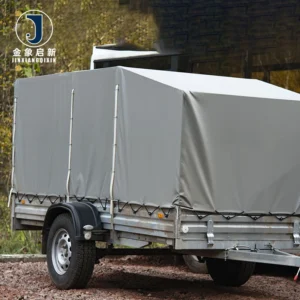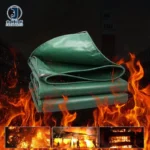
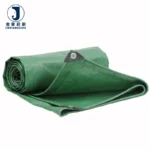
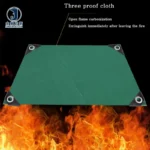
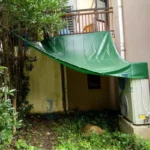
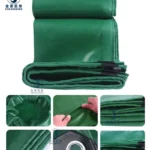
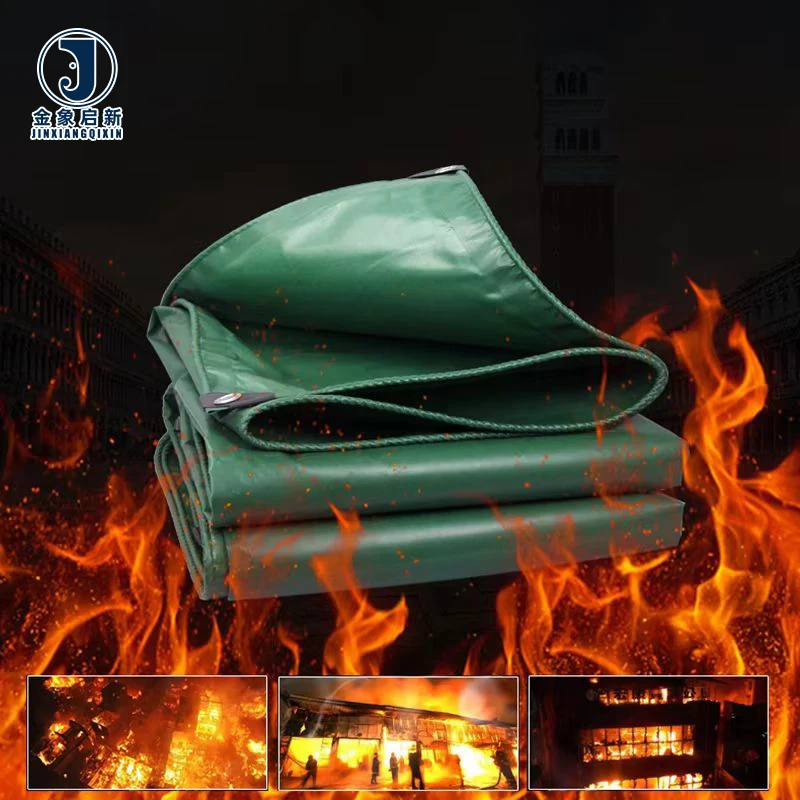
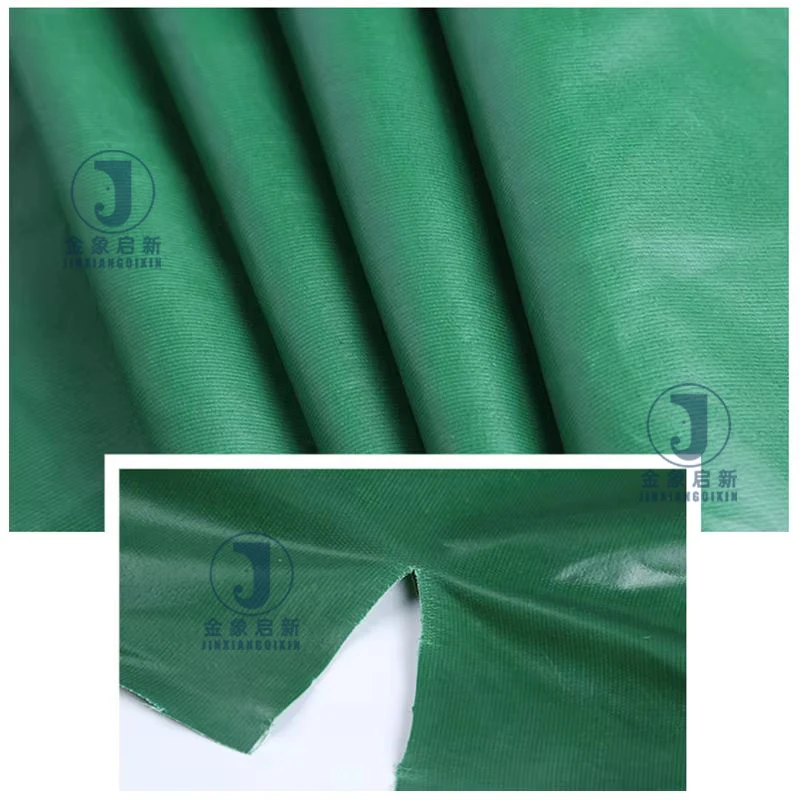
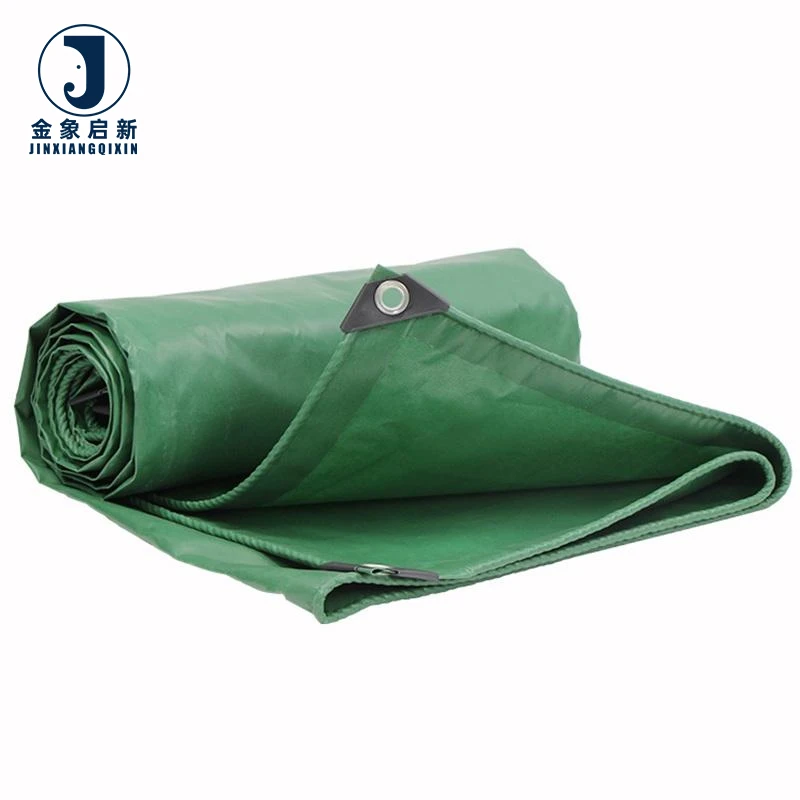
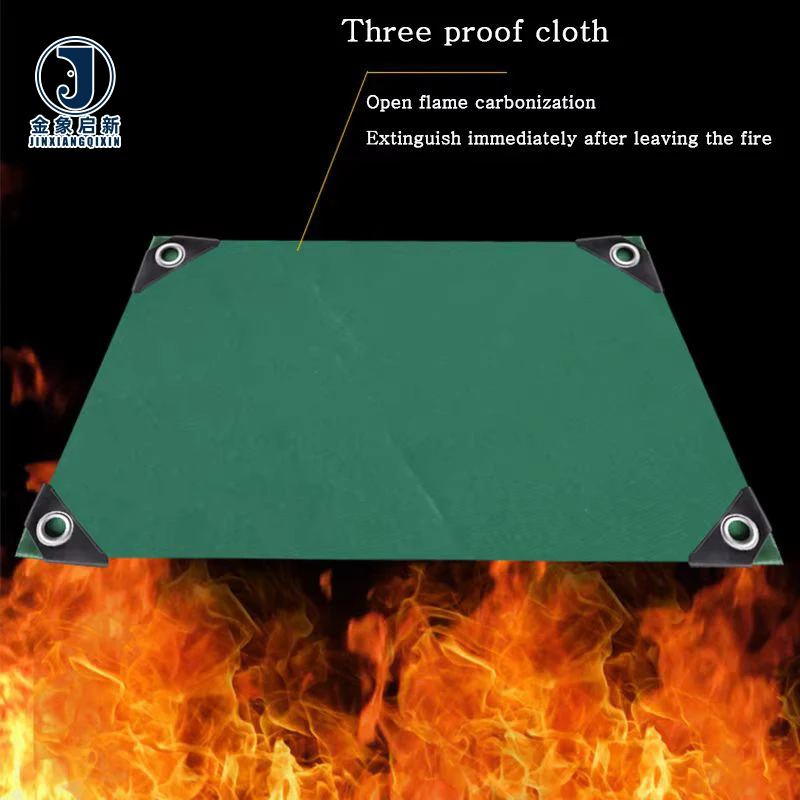
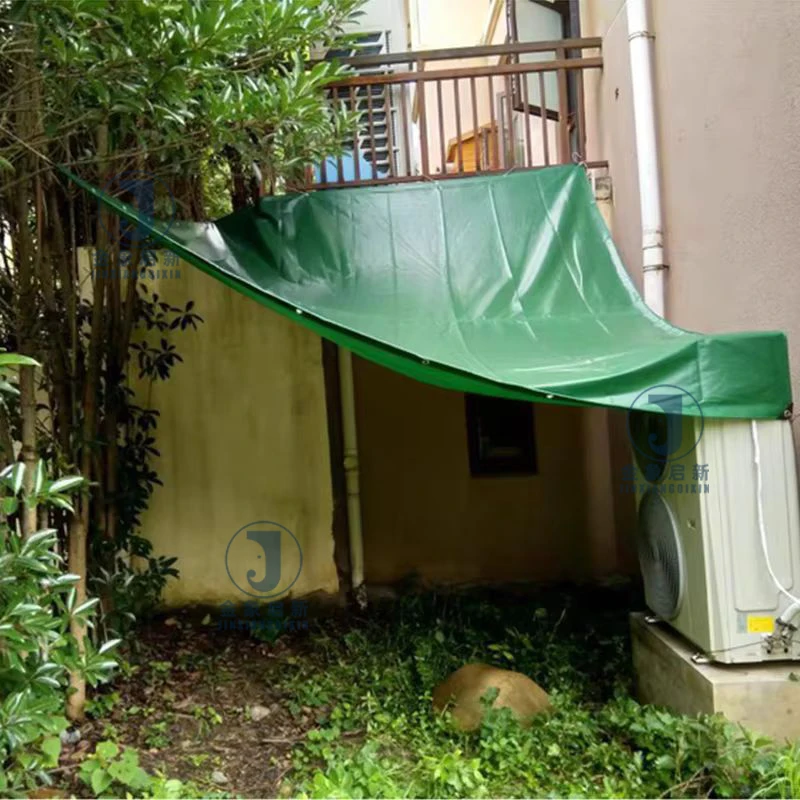
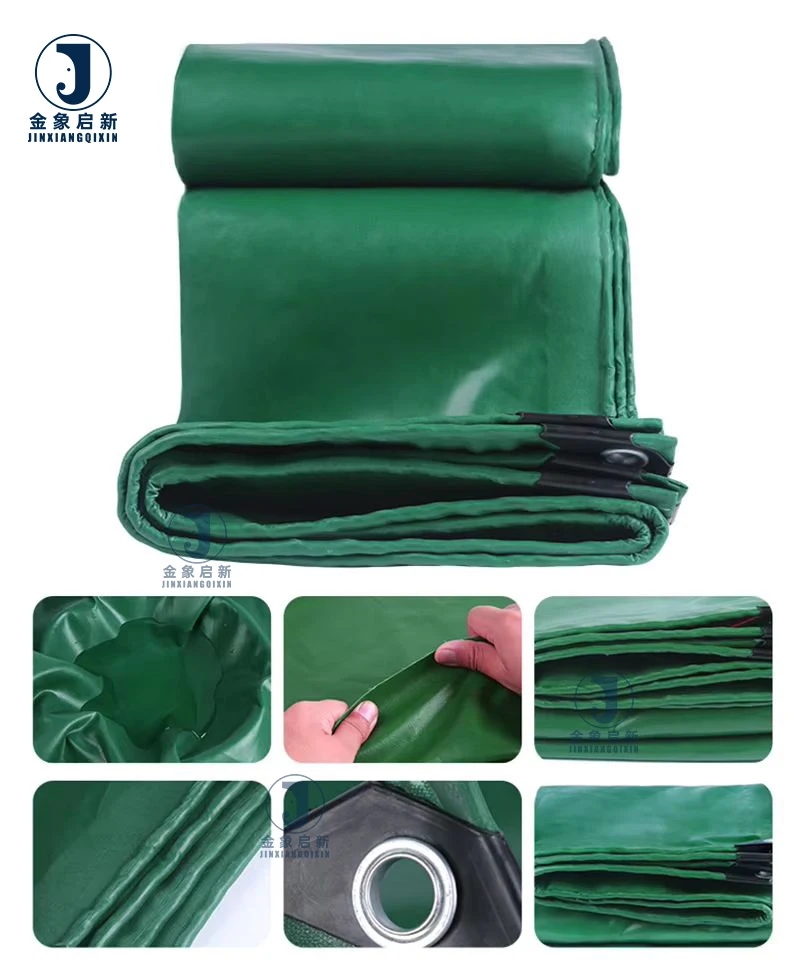
Process Control Expertise — Nearly three decades of PVC coating refinement underpins every roll of fire retardant PVC Coated Tarpaulin we produce, with material traceability from base yarn to final surface finish.
Technical Specifications
| Parameter | Value |
|---|---|
| Product Type | PVC Coated Tarpaulin |
| Base Fabric Yarn Count | 500D-500D polyester |
| Coating Material | PVC & Polyester |
| Weight Range | 450-900 g/m² (confirm grade for your application) |
| Waterproof Performance | Fully waterproof coated construction |
| Flame Retardant Grade | Available in flame retardant grades — confirm the grade required for your market |
| UV Treatment | Anti-UV treatment available — test basis to be specified for target exposure duration |
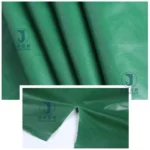
| Surface Characteristics | Smooth, soft surface with leather-like texture |
| Abrasion Resistance | Very strong |
| Repairability | Repairable by hot air welding |
| Service Life | Suited to extended outdoor exposure (3-5 years as manufacturer reference — verify against project conditions) |
| Usage | Truck / car / trailer / machine / wood cover / awning / tent |
| Package | Roll packing, bale packing, carton |
| Certifications | ISO, CE |
Application Suitability
| Application | Exposure & Requirement |
|---|---|
| Mining and tunnelling ventilation duct | Continuous airflow, fire safety compliance, potential anti-static requirement, underground abrasion |
| Membrane and inflatable structures | Sustained UV exposure, wind load flexing, structural tension, weather sealing |
| Industrial equipment and machinery covers | Outdoor weathering, rain and moisture, surface abrasion from handling and transport |
| Aviation ground support covers | Fire safety documentation, chemical exposure from de-icing fluids, UV degradation |
| Temporary construction enclosures | Wind-driven rain, site fire codes, repeated installation and removal cycles |
What a Fire Rating Actually Costs You on Site
A ventilation duct or membrane structure without a verifiable fire-retardant grade is a compliance liability, not a cost saving.
PVC Coated Tarpaulin specified for underground mining or public-access structures must carry a documented flame retardant classification matching the jurisdiction — M2 in France, B1 under DIN 4102 in Germany, or NFPA 701 in North America. When the material arrives with no test report, the entire installation can fail inspection, forcing removal and replacement at the contractor’s expense. I have seen entire duct runs pulled down because the supplier claimed "flame retardant" on the invoice but could not produce a laboratory certificate when the site safety officer asked. [NEED_CITE: DIN 4102 fire classification for building materials]
The cost is never just the fabric — it is the labour to dismantle, the downtime on a tunnel face, and the renegotiated delivery schedule. Specifying the exact grade and requiring the test report before production begins eliminates this risk entirely.
How Base Fabric Denier Translates to Duct and Cover Integrity
The 500D-500D polyester base fabric provides the structural skeleton for every PVC Coated Tarpaulin we produce in this range. Denier determines the individual yarn thickness, and when woven at consistent density, it governs how the material resists tensile load across both warp and weft directions. For ventilation ducts that must hold shape under positive or negative air pressure, and for membrane structures under permanent tension, this balance is what prevents deformation over time.
Coating Weight, Adhesion, and the Weld Line Question
The PVC coating applied to both sides of the polyester base is what delivers waterproof performance and surface durability. However, coating weight alone does not determine seam integrity. The adhesion between the PVC layer and the base yarn is what governs whether a hot air welded joint will hold under flexing or peel apart at the bond line. [NEED_CITE: tensile and tear test methods for coated fabrics per ISO 1421] This is particularly relevant for duct construction, where longitudinal seams run the full length of each duct section and experience continuous stress from airflow pulsation. Requesting a peel strength value alongside your sample allows you to assess weld behaviour before committing to a production run.
Reading the Weight Range: Why 450-900 g/m² Covers More Than One Fabric
This product family spans from lighter grades suited to temporary awnings and tent panels to heavier grades engineered for equipment covers and semi-permanent membrane structures. The weight difference is not cosmetic — it reflects increased PVC coating thickness, which directly affects puncture resistance, stiffness at low temperatures, and the thermal mass available for a strong hot air weld. Selecting the correct grade within this range requires matching the mechanical demand of your specific application, not simply choosing the heaviest option available. A ventilation duct does not need the same coating mass as a machinery cover exposed to sharp-cornered steel frames.
Surface Finish and Outdoor Exposure Behaviour
The smooth, leather-like surface characteristic of this PVC Coated Tarpaulin range influences both cleaning behaviour and UV interaction. A smoother surface sheds dust and particulate accumulation more readily, which matters for membrane structures where soiling reduces light reflectance and accelerates localised heating. Anti-UV treatment is available to extend colour stability and tensile retention during outdoor service, though the specific test basis should be confirmed against the exposure duration your project demands.
When the Specification Gap Becomes a Site Problem
Ventilation duct or membrane fabric that arrives lighter than the quoted GSM forces an immediate decision: accept the shortfall or reject the delivery and wait for replacement. On a tunnel project, that wait can idle an entire ventilation circuit. When flame retardant treatment is claimed without a matching test certificate, the site safety officer has grounds to halt installation regardless of how the material actually performs. [NEED_CITE: common causes of coated fabric specification disputes in industrial procurement] These are not theoretical risks — they recur across projects where the specification was left vague at the inquiry stage and clarified only after the material arrived.
Why Technical Buyers Source This Fabric Here
Nearly 30 years of focused coated fabric production means our process control over coating weight and adhesion is built into the line, not inspected in after the fact. Three full production lines with 36 sets of professional equipment support the volume consistency required for multi-section duct runs and large membrane panels. Our 10-person R&D team handles material selection and sample development for fire retardant grades, producing test-backed samples within days so you can verify weld behaviour and surface characteristics before ordering. Every roll undergoes 100% pre-shipment inspection with documented QA/QC at each production stage — not a sampling protocol that leaves gaps. ISO and CE certification underpins the documentation package that accompanies every dispatch, giving your compliance team what they need to approve material on site.
Documentation & Verification
- Material specification sheet stating GSM, 500D-500D base fabric, PVC coating weight and colour reference
- Test report for the specified flame retardant grade matched to your project standard
- Pre-shipment inspection record confirming weight and coating integrity per roll
- ISO and CE certificates included with dispatch documentation
- Certificate of origin and customs support for cross-border shipment
Fabrication, Handling & Storage
- Hot air welding parameters should be set and tested on sample pieces of the exact 450-900 g/m² grade before production seams
- Duct longitudinal seams require consistent weld speed to maintain peel strength across the full panel length
- Rolls should be stored upright on cores to prevent flat-spot creasing in the PVC coating surface
- Low-temperature transport can stiffen the PVC layer — allow rolls to acclimatise before unrolling on site
- Clean surfaces with mild detergent only; solvent-based cleaners can soften the PVC coating and reduce weld adhesion
- Field repairs are achievable with hot air welding using compatible PVC repair strip from the same coating family
Before You Request a Quote
Provide the fire-retardant standard your project or export market requires — M2, B1, NFPA 701, DIN 4102, or another specification — so we can match the formulation and supply the corresponding test report. Confirm whether you need roll stock for your own fabrication line or finished cut-to-size panels with welded seams. If the application is a ventilation duct, share the duct diameter and section length so we can recommend the appropriate grade and width to minimise longitudinal welds.
Frequently Asked Questions
Q: Which fire-retardant standards can this PVC coated tarpaulin be produced to?
A: The fabric can be formulated to meet several international flame retardant classifications including M2, B1 per DIN 4102, and NFPA 701. The specific grade must be confirmed at inquiry stage so the correct additive package is used during coating. A laboratory test report matching your target standard is supplied with the documentation package before shipment.
Q: Can flame retardant and anti-static treatments be combined on the same roll?
A: Both treatments can be applied to the same PVC Coated Tarpaulin fabric, which is often required for mining and tunnelling ventilation duct specifications. Combining them requires specific formulation adjustments, so both requirements should be stated at the inquiry stage. Test reports for each property are provided separately to support site compliance approval.
Q: How do I verify the GSM of the fabric when it arrives on site?
A: Every dispatch includes a pre-shipment inspection record documenting the measured weight per roll. On arrival, you can cut a measured sample and weigh it on a calibrated scale to cross-check against the stated GSM on the material specification sheet. Any discrepancy should be reported before fabrication begins.
Q: How do welded seams compare to stitched joints for duct construction?
A: Hot air welded seams on this 500D-500D PVC coated polyester fabric create a continuous bond that eliminates the needle holes and thread degradation associated with stitched construction. Weld strength depends on coating adhesion to the base fabric, which is why peel strength testing during sample approval is important before committing to full production runs.
Q: What documentation accompanies shipment for site compliance approval?
A: Each shipment includes a material specification sheet, flame retardant test report for the specified grade, pre-shipment inspection record, ISO and CE certificates, packing list, and certificate of origin. This documentation package is structured to satisfy site safety officers and regulatory inspectors without requiring additional follow-up requests.