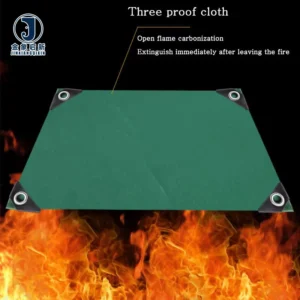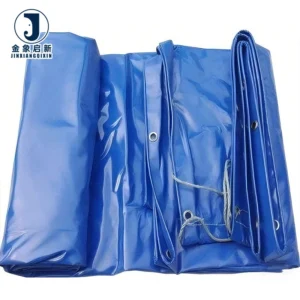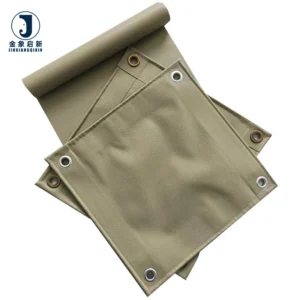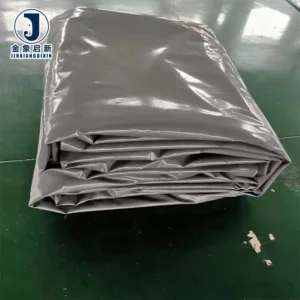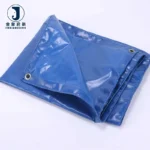
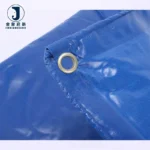
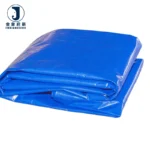
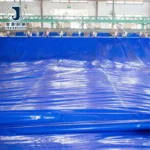
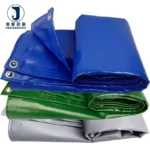
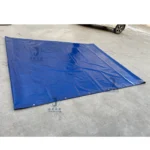
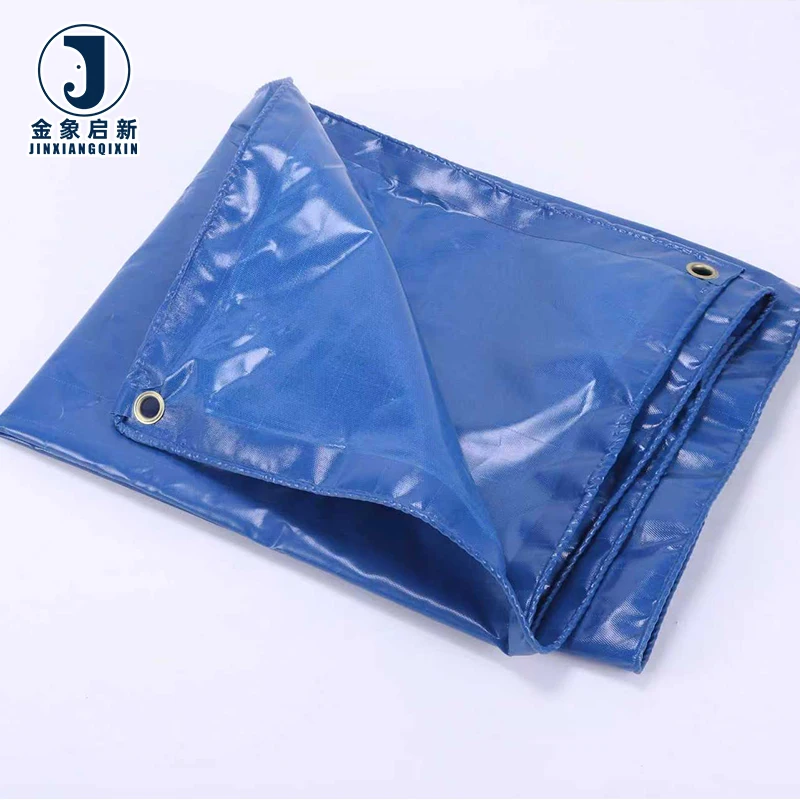
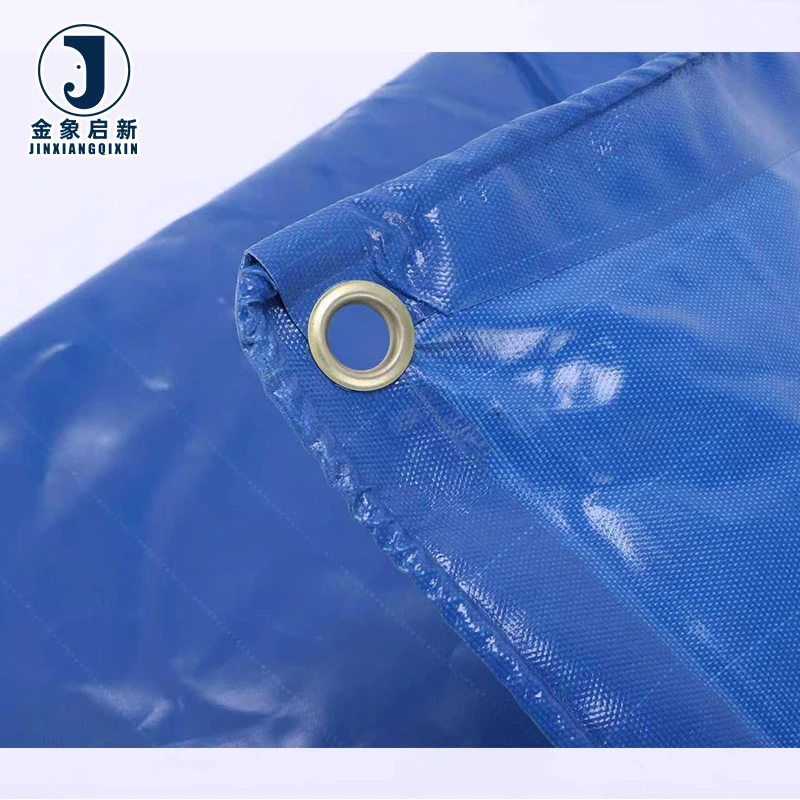
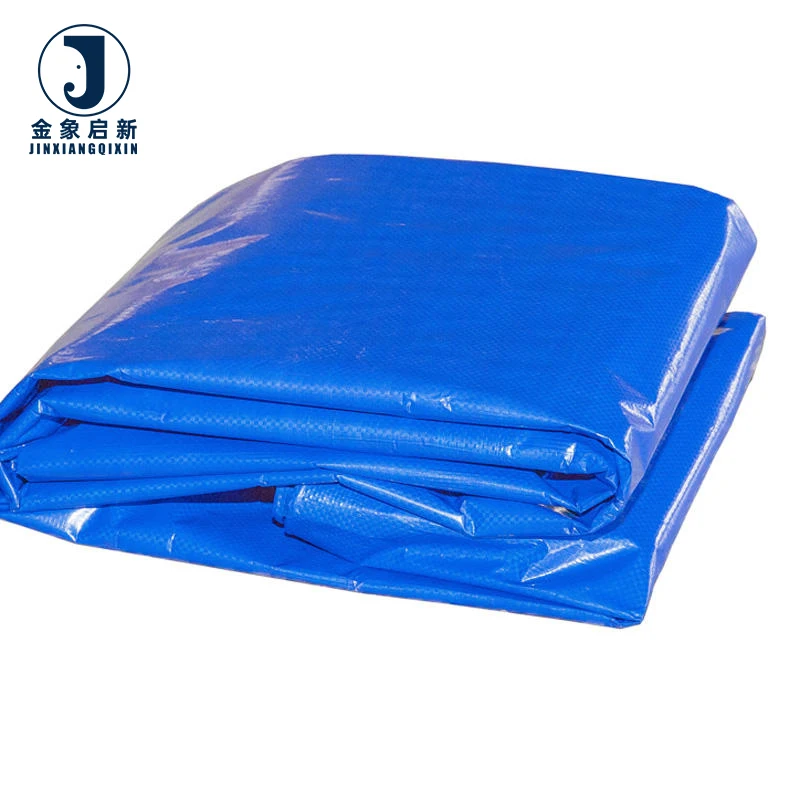
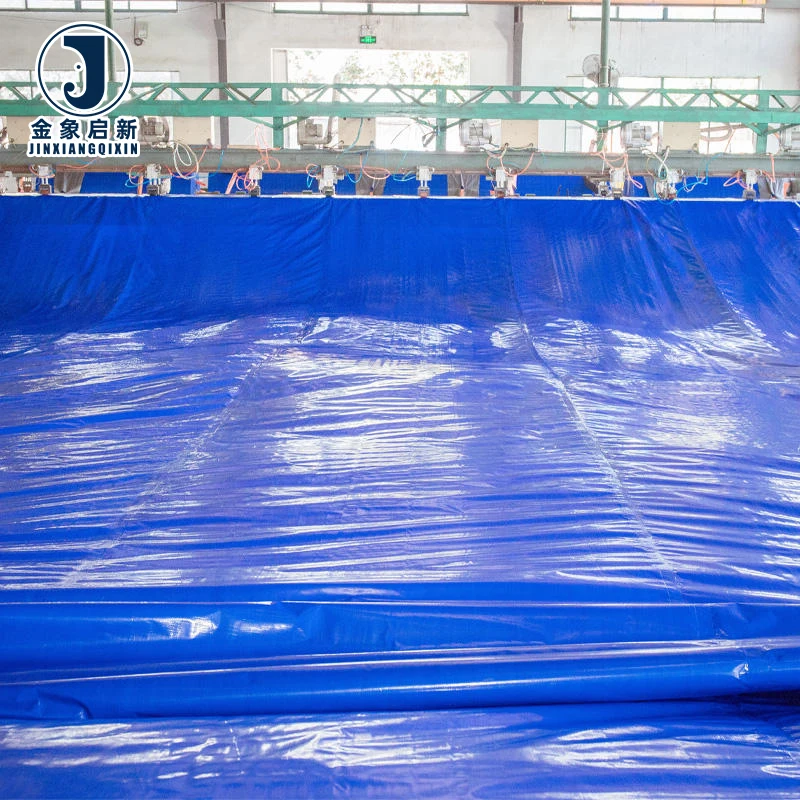
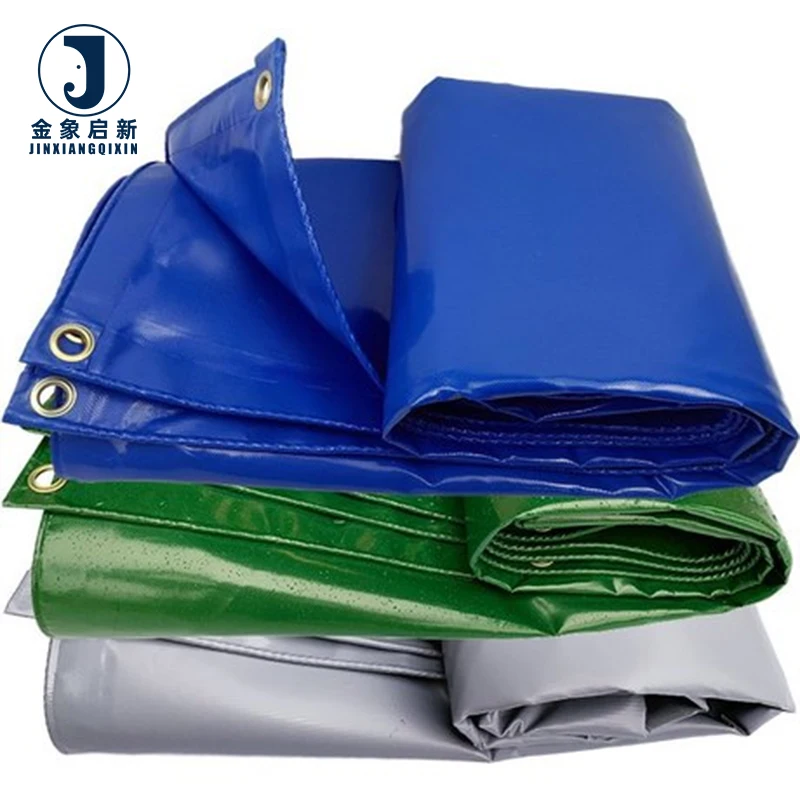
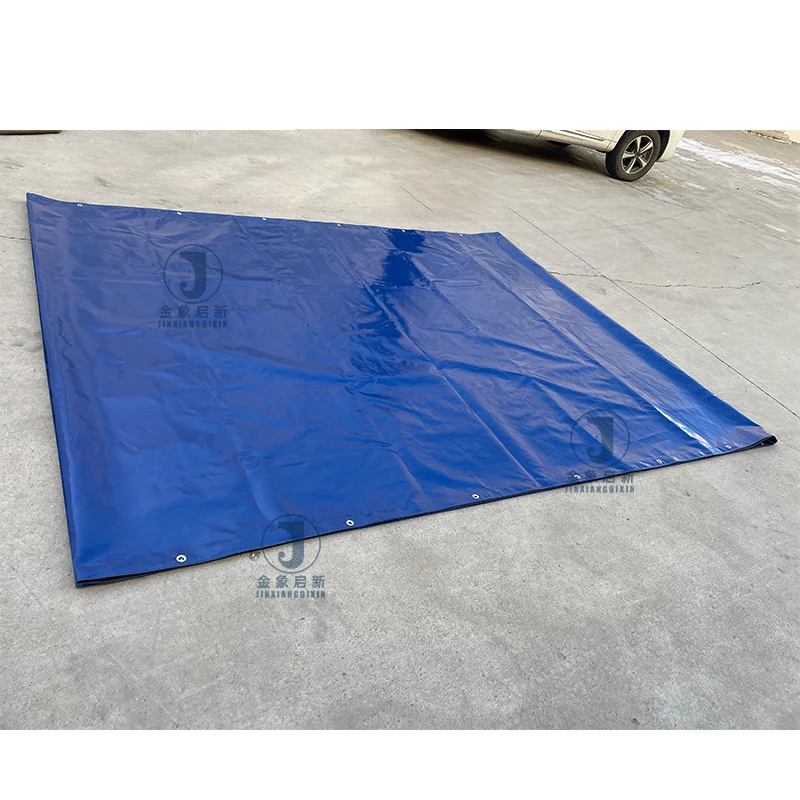
Deep Process Control Over Coating Weight — Verified GSM and base fabric denier matched to your compliance grade before the roll leaves the production line, ensuring every batch meets the exact specification required for ventilation ducts and membrane structures.
Technical Specifications
| Parameter | Value |
|---|---|
| Product Type | PVC Coated Tarpaulin |
| Base Fabric Denier | 500D × 500D |
| Base Material | Polyester woven fabric |
| Coating Material | PVC (double-sided) |
| Water Resistance | Fully waterproof coated construction |
| Flame Retardancy | Flame retardant treatment available — confirm the grade required for your project (e.g., M2, B1, NFPA 701, DIN 4102) |
| UV Resistance | Anti-UV treatment available — test basis to be confirmed per order |
| Anti-Static Treatment | Available for underground ventilation applications — confirm site compliance requirement |
| Finish | Smooth surface, leather-like texture |
| Color | Customizable |
| Printing Option | Custom brand printing accepted |
| Package | Roll packing, bale packing, carton |
| Standards Referenced | ISO, CE (verify applicability to specific grade ordered) |
Application Suitability
| Application | Exposure & Requirement |
|---|---|
| Fire-retardant ventilation ducting (mining, tunnelling) | Continuous airflow pressure, high humidity, suspended installation, mandatory flame-retardant and anti-static compliance |
| Membrane and inflatable structures | Biaxial tension loading, extended outdoor UV exposure, hot-air welded seam integrity across large surface areas |
| Aviation ground support air ducts | Fuel proximity, jet blast zone, requirement for certified flame-retardant and anti-static materials |
| Specialist industrial site covers | Mechanical abrasion from equipment, weather exposure, verified fire safety grade for site approval |
| Temporary construction enclosures | Wind loading, UV exposure, repeated installation and dismantling, weld seam stress at fixings |
What "Flame Retardant" Means Without a Grade Behind It
Specifying a certified fire classification prevents your duct or membrane structure from failing site inspection. Many coated fabrics are described as flame retardant on paper, but when the safety officer asks for the test report, the documentation does not match the material on site. [NEED_CITE: DIN 4102 fire classification for building materials]
I have seen ventilation ducts installed underground in a mining operation only to be pulled down weeks later because the fabric supplier provided no batch-specific test report for anti-static performance. The contractor absorbed the full cost of removal, replacement and downtime. When you order PVC coated tarpaulin fire retardant material for a compliance-driven project, the grade must be confirmed against your site’s safety standard before production begins, not after the rolls arrive.
Engineering the Base Fabric for Welded Duct Construction
The 500D × 500D polyester base provides the dimensional stability required for hot-air welding in duct fabrication. When the weld head passes across the seam, the base fabric must resist distortion to maintain a consistent bond line. Polyester yarn at this denier holds its geometry under heat better than lower-count alternatives, reducing the risk of seam delamination under positive or negative air pressure inside the duct.
Matching Coating Weight to Ventilation Pressure and Handling
Double-sided PVC coating must be balanced — too heavy on one side creates a curl tendency that complicates duct rolling and joining. The coating weight directly influences the flexibility of the finished duct, particularly at bend sections and transition fittings. For membrane and inflatable structures, the PVC coating fire retardant treatment must penetrate consistently to ensure flame resistance extends through the full coating depth, not just the surface. [NEED_CITE: tensile and tear test methods for coated fabrics per ISO 1421]
How Denier and Weave Density Interact Under Load
The 500D denier defines individual yarn strength, but the weave density determines how load distributes across the fabric plane. A tighter weave resists tear propagation more effectively, which matters when a puncture occurs on a pressurised duct or a tensioned membrane. For inflatable structures subject to dynamic wind loading, the interplay between denier, weave count and coating adhesion governs how the fabric behaves at stress concentrations around welded attachment points.
The Hidden Cost of Unverified Compliance Documentation
A flame-retardant certificate that does not reference the actual production batch is worthless during a site audit. Contractors working in mining, tunnelling and aviation face stop-work orders when documentation gaps are found, and the delay cascades through the entire project timeline. [NEED_CITE: fire safety compliance requirements for underground ventilation materials]
I have reviewed cases where PVC coated fabric passed initial inspection but failed a subsequent flame test because the treatment applied at the factory did not match the certificate submitted. The buyer had assumed the grade was standard across all rolls, when in reality the treatment was specific to a different product line. Always request a batch-specific test report tied to your order.
Why Sourcing Compliance-Grade Fabric Here Works
Three dedicated production lines and 36 sets of professional equipment support bulk output without compromising coating consistency across long runs — critical when every roll in a duct installation must perform identically. A 10-person R&D team handles grade-specific formulation, matching flame-retardant and anti-static treatments to your project’s compliance standard rather than applying a single blanket finish.
Dedicated QA/QC at every production stage includes coating weight verification and adhesion testing before any roll is packed, reducing the risk of GSM discrepancies reaching your site. Sample development within days allows you to validate weld parameters, colour match and treatment performance before committing to full production volume. Full documentation packages ship with every dispatch, aligned to the cross-border requirements of your project location.
Documentation & Verification
- Material specification sheet stating base fabric denier, coating weight and exact GSM for your ordered grade
- Batch-specific flame-retardant test report referencing the standard grade confirmed at order placement
- Anti-static test certificate for mining and tunnelling duct applications where site compliance demands it
- Pre-shipment inspection record confirming coating adhesion, colour consistency and weld-seam integrity
- Certificate of origin and customs documentation package for international project supply
Fabrication, Handling & Storage
- Hot-air welding parameters must be calibrated to the double-sided PVC coating thickness to achieve full seam fusion
- Roll storage should maintain the original core orientation to prevent flat-spot distortion on the 500D polyester base
- Allow cold-weather rolls to reach ambient temperature before unrolling to avoid cracking the PVC coating surface
- Membrane fabrication should plan weld seams away from peak stress zones to preserve long-term structural integrity
- Cut edges should be sealed or hemmed to prevent moisture ingress between the PVC layers and polyester base fabric
- Use non-solvent cleaners on the leather-like finish to maintain coating integrity over repeated maintenance cycles
Defining Your Specification Before You Request a Quote
Tell us the fire safety classification your site mandates, the duct diameter or membrane panel dimensions, and whether anti-static treatment is required for your operating environment. Specify the total linear metres needed and whether you require rolls at a set width or finished cut panels with welded seams. If your project demands colour matching across multiple batches or custom printing for identification, include those requirements so the R&D team can develop a sample for your approval before production.
Frequently Asked Questions
Q: What fire-retardant grades can be supplied and how do they align with site requirements?
A: Flame-retardant treatment is available to grades including M2, B1, NFPA 701 and DIN 4102, but the correct grade depends on your jurisdiction and application. Specify the standard your project references at enquiry stage so the production batch is formulated and tested accordingly. A batch-specific test report is issued upon request.
Q: How is anti-static performance specified for underground ventilation use?
A: Anti-static treatment is applied during coating for mining and tunnelling duct applications where static discharge is a safety risk. The required surface resistivity value depends on your site’s safety regulations. Confirm your compliance target at enquiry so the formulation and test method are aligned to your standard.
Q: What GSM and denier options suit inflatable and membrane structure fabrication?
A: The 500D × 500D polyester base with double-sided PVC coating provides dimensional stability for welded membrane and inflatable panels. The recommended GSM depends on panel size, wind load and inflation pressure. Share your engineering requirements so the appropriate coating weight is specified and verified.
Q: Can a batch-specific test report cover flame retardancy, UV and tensile performance?
A: Yes. A test report can be issued per production batch covering the flame-retardant grade, UV resistance and tensile or tear strength as confirmed at order placement. This documentation travels with the shipment and supports your site compliance audit. Request it when placing your order.
Q: What welding parameters and seam strength should be expected for duct fabrication?
A: Hot-air welding settings depend on the exact PVC coating weight and ambient conditions at your fabrication site. The 500D polyester base supports consistent seam fusion when parameters are correctly calibrated. We recommend requesting a sample roll to validate your welding setup before full production is dispatched.