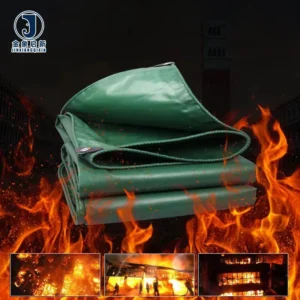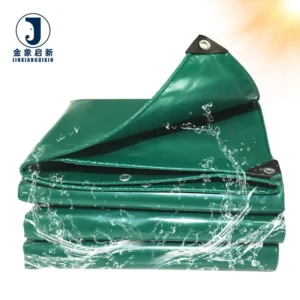
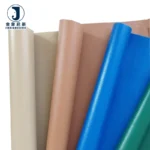
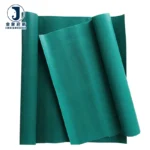
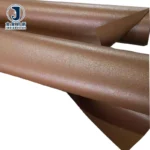
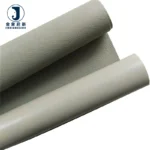
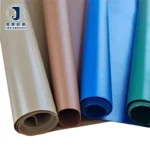
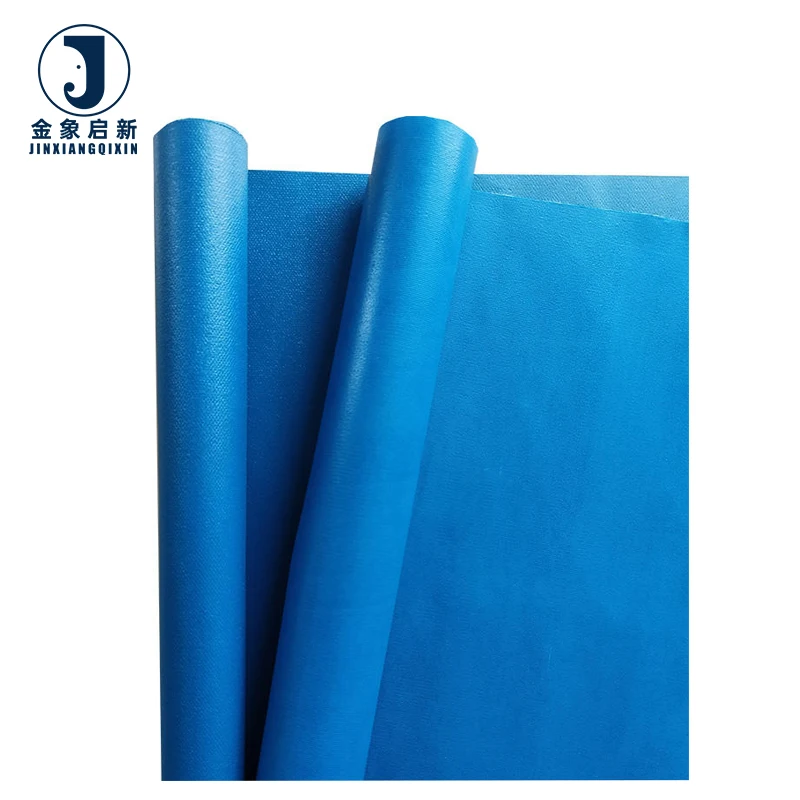
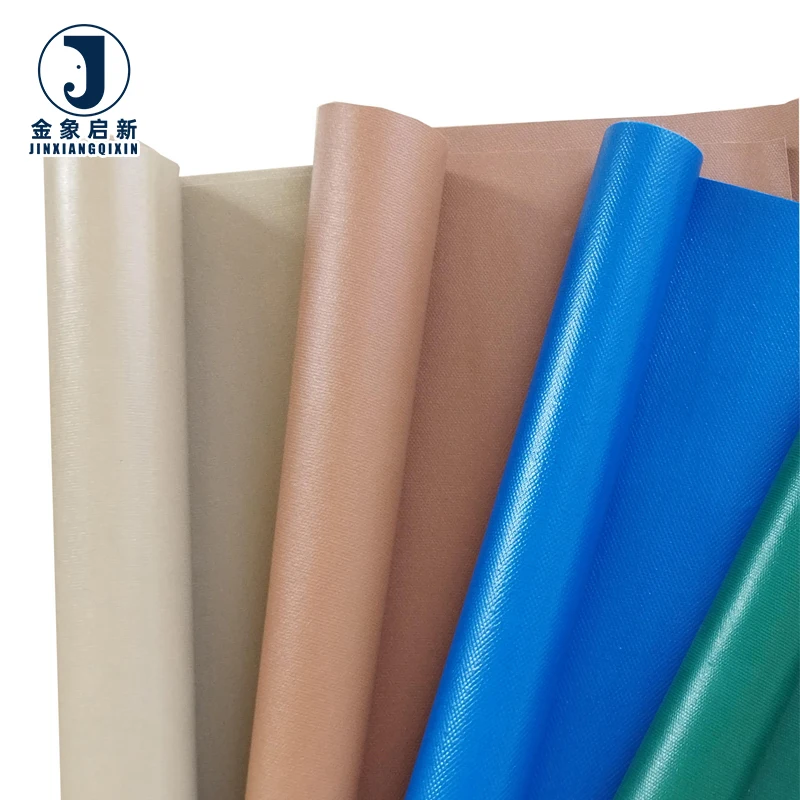
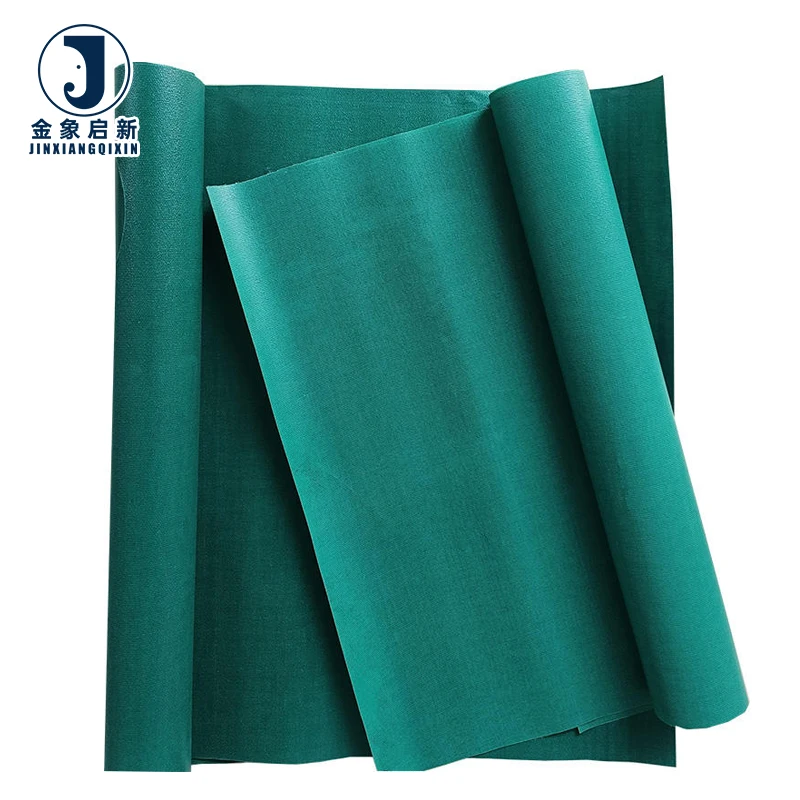
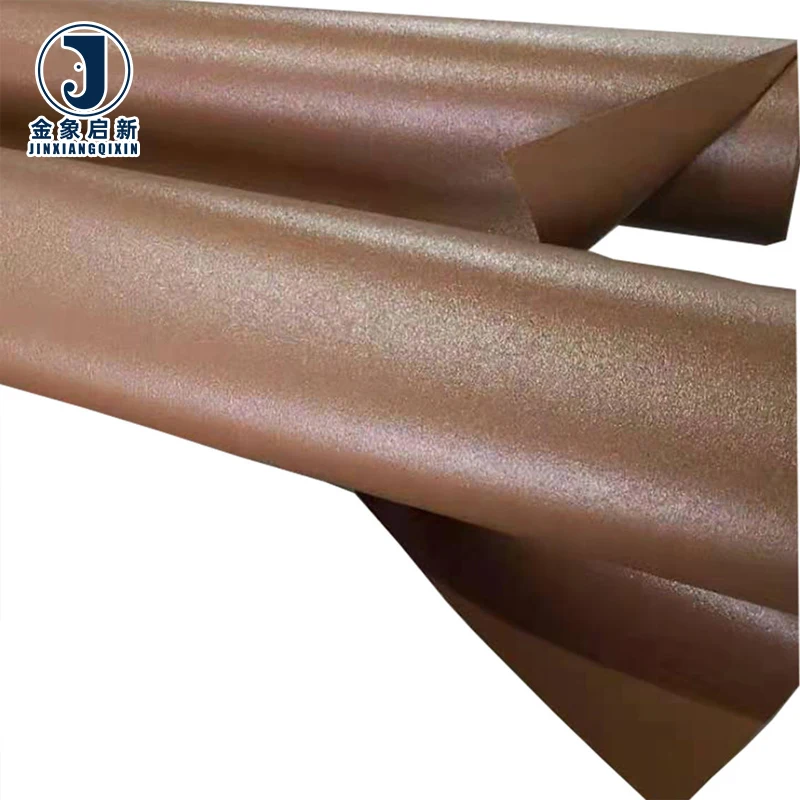
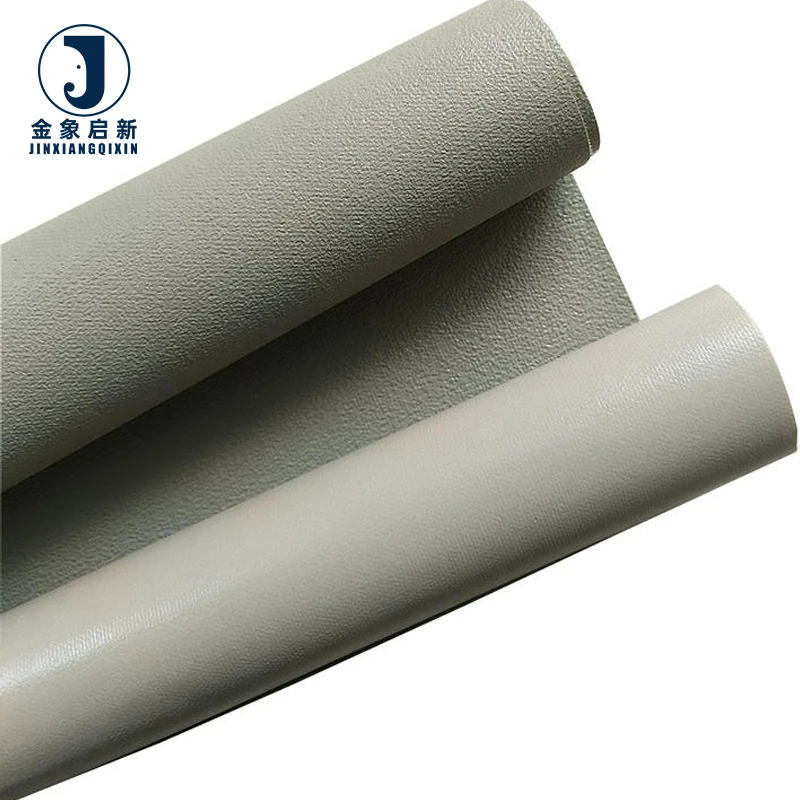
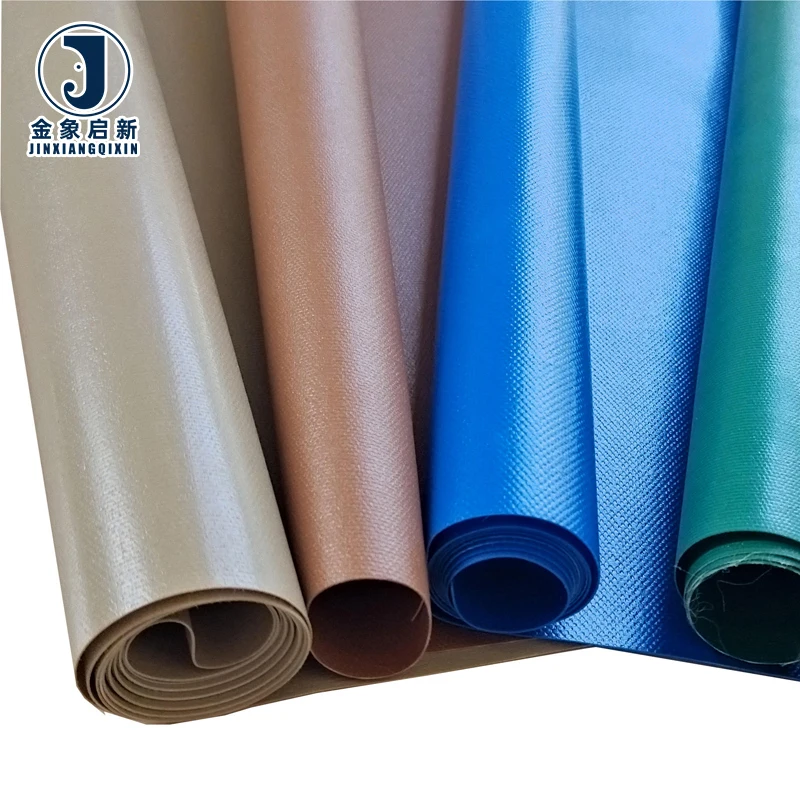
Coating Process Control — Nearly three decades of PVC coating experience ensures consistent adhesion and weight accuracy across every roll of flame retardant and anti-static fabric produced for industrial compliance.
Technical Specifications
| Parameter | Value |
|---|---|
| Product Type | Flame Retardant Tarpaulin |
| Material | PVC Coated Fabric |
| Weight Options | 500gsm, 600gsm |
| Treatment Options | Flame Retardant (grade not stated in source); Anti-Static (grade not stated in source); Anti-cold; Anti-mildew |
| Waterproof Rating | Waterproof (test basis not stated in source) |
| Outdoor Life Assurance | 1-3 years (source value — verify against manufacturer catalog) |
| Finish | Not stated in source |
| Base Fabric Denier | Not stated in source |
| Coating Method | Not stated in source |
| Certification | ISO and CE certified facility (product-specific certification to be confirmed per order) |
Application Suitability
| Application | Exposure & Requirement |
|---|---|
| Truck and trailer cargo covers | Road weather, flex-point abrasion, tie-down stress, fire safety mandates across transport routes |
| Aviation ground support equipment covers | Static discharge control requirements, outdoor weathering, frequent handling |
| Mine and tunnel ventilation ducting | Fire safety certification for underground operations, continuous airflow, particulate exposure |
| Construction site temporary enclosures | Wind load, UV exposure, flame retardant compliance for site safety inspections |
| Industrial ventilation systems in hazardous environments | Anti-static performance for spark prevention, chemical atmosphere resistance |
What "Fireproof" Means Without a Test Report Behind It
Specifying flame retardant PVC tarpaulin without demanding the matching test certificate is how compliance failures reach the site.
Fire Retardant PVC Tarpaulin for truck and transport applications gets ordered every day with "fireproof" written on the purchase description and nothing else. The material arrives, the installation proceeds, and then the site inspector asks for the test report that proves the fabric meets the local fire classification. That conversation ends the project on schedule. [NEED_CITE: fire classification standards for transport and construction covering materials]
The gap between a supplier claiming flame retardant treatment and a buyer holding a document that proves it is where most procurement disputes originate. The treatment may be present in the coating formulation, but without a report citing the applicable standard — whether that is DIN 4102, NFPA 701, or M2 — the claim holds no weight during inspection.
Fire-Retardant Grades and Market-Specific Compliance
Fire retardant PVC coated fabric must match the fire classification required by the destination market and the end-use environment. Available in flame retardant grades — confirm the grade required for your market before approving the production run. European construction sites typically reference DIN 4102 B1 classification, while North American transport and event applications often specify NFPA 701 compliance. Mining and tunnelling projects carry their own ventilation duct fire safety standards that go beyond general building material classifications.
The treatment chemistry differs across these standards. A formulation that passes one test method may not satisfy another, which is why the applicable standard must be locked in before coating begins. Requesting the specific test report tied to your order batch is the only way to close the documentation gap that delays site approval.
Anti-Static Performance for Hazardous Atmospheres
Static discharge on PVC coated fabric surfaces presents a real ignition risk in environments handling combustible dust, flammable vapours, or explosive atmospheres. Anti-static treatment is available as a special option for this Fire Retardant PVC Tarpaulin for truck and transport — confirm the surface resistance value your site mandates before placing the order. Aviation fuel handling areas, grain storage facilities, and chemical processing zones each set different thresholds for acceptable surface resistivity. [NEED_CITE: surface resistance standards for anti-static industrial fabrics]
Verification means receiving a measured surface resistance value tied to the production batch, not a general statement that the material is anti-static. The test method and the measurement conditions should be documented so your safety officer can cross-reference them against the site’s explosive atmosphere risk assessment.
Weight, Base Fabric, and Why GSM Alone Is Misleading
Coated fabric weight stated in GSM tells you how much material exists per square metre, but it does not tell you how that weight is distributed between the base fabric and the coating layers. A 500gsm specification with a high-denier, tightly woven polyester base and a thinner coating will behave very differently under tension than a 500gsm fabric where most of the weight sits in heavy PVC layers over a lighter scrim. Tensile strength comes primarily from the base fabric yarns; tear resistance depends on yarn denier, mesh count, and how well the coating locks those yarns in place.
The coating method determines how deeply the PVC penetrates the base fabric weave. Knife-over-roll coating forces material into the gaps between yarns, creating a mechanical bond that supports stronger welded seams. Lamination bonding relies on adhesive layers that can separate under repeated flexing. Asking which coating method applies to your order matters because it directly affects how the fabric performs at the weld lines where truck covers and ventilation ducts fail most often. [NEED_CITE: tensile and tear test methods for coated fabrics per ISO 1421]
Surface finish — glossy or matte — influences cleanability and print adhesion. Glossy surfaces shed dirt and water more readily, while matte finishes reduce glare and may accept screen-printed markings better. Anti-cold and anti-mildew treatments extend the usable temperature range and prevent biological degradation in humid storage or tropical deployment conditions.
The Hidden Cost of Specifying on Price Per Kilogram Alone
When procurement decisions reduce coated fabric to a cost-per-kilogram calculation, the material that arrives on site often carries less PVC than what was quoted. A roll stamped as 600gsm that actually weighs 540gsm per square metre has thinner coating coverage, which means reduced waterproof integrity at seam overlaps and lower resistance to abrasion at flex points. The savings on the invoice disappear the first time a weld line splits under load. [NEED_CITE: GSM verification practices for coated fabric procurement]
Colour variation between rolls in the same shipment creates visible banding once the fabric is installed side by side on a trailer or site enclosure. Batch consistency is not something you can inspect after delivery — it has to be controlled during coating through pigment dosing accuracy and curing temperature uniformity. Flame retardant grades that lack batch-specific test documentation create a different kind of cost: the entire installation fails the compliance inspection, and the contractor bears the replacement expense.
Why Procurement Teams Source This Fabric Here
Three full production lines and 36 sets of professional coating equipment support bulk roll output with the scheduling reliability that fleet operators and ventilation contractors depend on. Production capacity is allocated against confirmed orders with realistic lead times, not optimistic estimates that slip.
A 10-person R&D team handles material selection, treatment formulation matching, and sample development for custom specifications. When your project requires a specific flame retardant grade combined with anti-static treatment and anti-cold performance, the sample development process confirms compatibility before the production run begins.
Dedicated QA/QC operates at every production stage — base fabric inspection, coating weight verification, curing parameter monitoring, and surface quality checks. Every roll undergoes inspection before packing, so the material that ships matches the specification on the quotation.
Custom widths, colours, and treatment combinations that other suppliers restrict behind high minimums are accommodated here through flexible production line scheduling. This matters for transport fleets running mixed trailer sizes or ventilation contractors needing duct diameter variations across a single project.
Documentation & Verification
- Material specification sheet stating GSM, base fabric construction, and coating type for each roll
- Flame retardant test report citing the applicable standard confirmed before production
- Anti-static surface resistance measurement tied to the production batch
- Pre-shipment inspection record with weight verification per roll against the stated GSM
- Roll packing list with batch numbers for traceability across the shipment
- Certificate of origin and customs documentation for cross-border delivery
Fabrication, Handling & Storage
- Heat welding parameters must match the PVC coating thickness and treatment chemistry — request recommended temperature and dwell time settings for the 500gsm or 600gsm grade ordered
- Reinforce tie-down eyelet positions with additional fabric patches to distribute load across the base fabric weave, not just the coating layer
- Store rolls upright on end cores to prevent permanent creasing that weakens the coating at fold lines
- Allow cold-stored rolls to reach ambient temperature before unrolling to avoid cracking anti-cold treated surfaces
- Use only PVC-compatible cleaning agents to preserve the flame retardant and anti-mildew treatment integrity
- Plan cutting layouts to minimise cross-grain seams at the points where truck covers and duct joints flex most under load
Before You Send the Inquiry
Provide the specific fire classification standard your destination market requires so the correct treatment formulation is quoted from the start. Confirm whether anti-static performance is needed and what surface resistance threshold your site safety plan mandates. Specify the roll widths and treatment combination you need, along with whether you require finished cut-to-size covers or roll stock for your own fabrication.
Frequently Asked Questions
Q: What flame retardant grade is available and which test standard does it meet for my market?
A: Flame retardant treatment is available in grades matched to different market requirements — DIN 4102, NFPA 701, M2, or other classifications. Specify your destination market and application environment so the correct grade is formulated and tested. A batch-specific test report is provided with your shipment to support compliance inspections.
Q: How is anti-static performance verified and what surface resistance value can I expect?
A: Anti-static treatment is applied as a special option with surface resistance measured per the applicable test standard. The measured value is documented on the batch test report. Confirm the threshold your site safety plan requires before ordering so the formulation is adjusted accordingly.
Q: What GSM verification process do you use before shipment to ensure weight accuracy?
A: Every roll is weighed and measured during pre-shipment inspection to confirm the actual GSM matches the quoted specification. The inspection record is included with your shipping documentation so you can verify the material on arrival against the stated values.
Q: How do I specify the right cover size for my trailer model or ventilation duct diameter?
A: Provide the exact dimensions of your trailer frame or duct opening, including any protrusions and tie-down point locations. The R&D team develops a cutting pattern and produces a sample for fitment approval before the full production run proceeds.
Q: What is the minimum order for custom width, colour, or treatment combination?
A: Custom specifications including width, colour, and combined treatments such as flame retardant with anti-static are accommodated through flexible production scheduling. Minimum order quantities depend on the specific combination requested — provide your requirements for a detailed quotation with lead time.