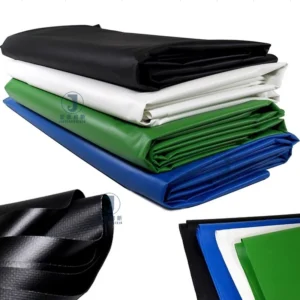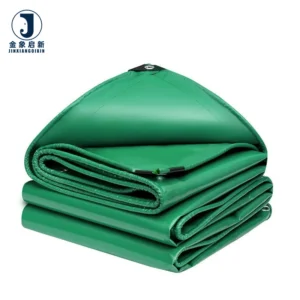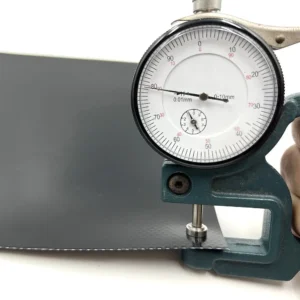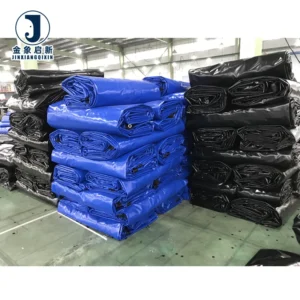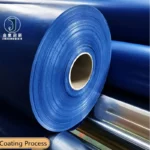

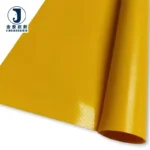
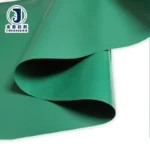
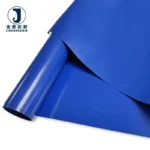
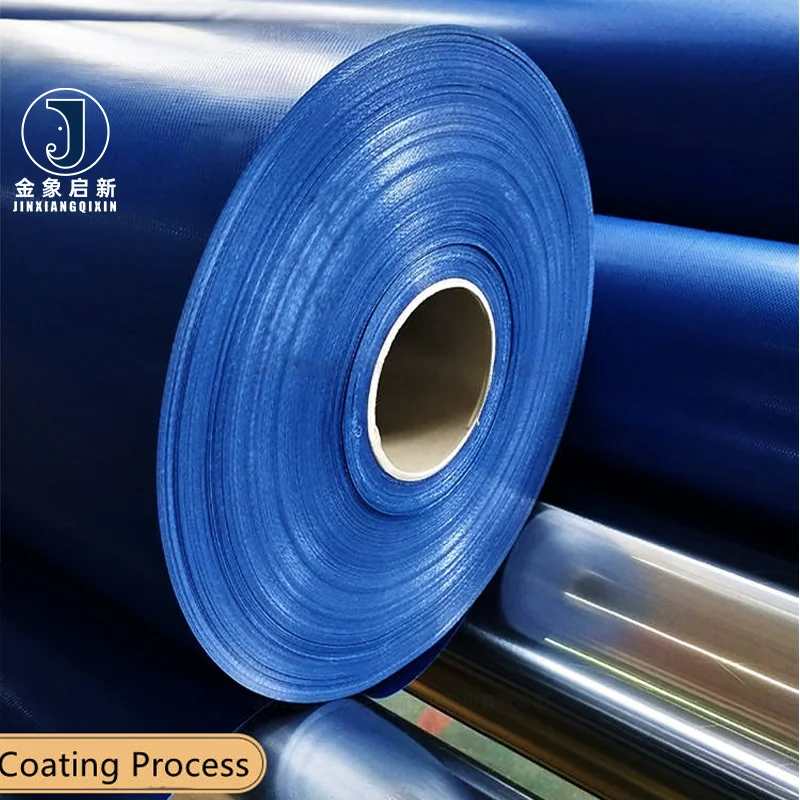
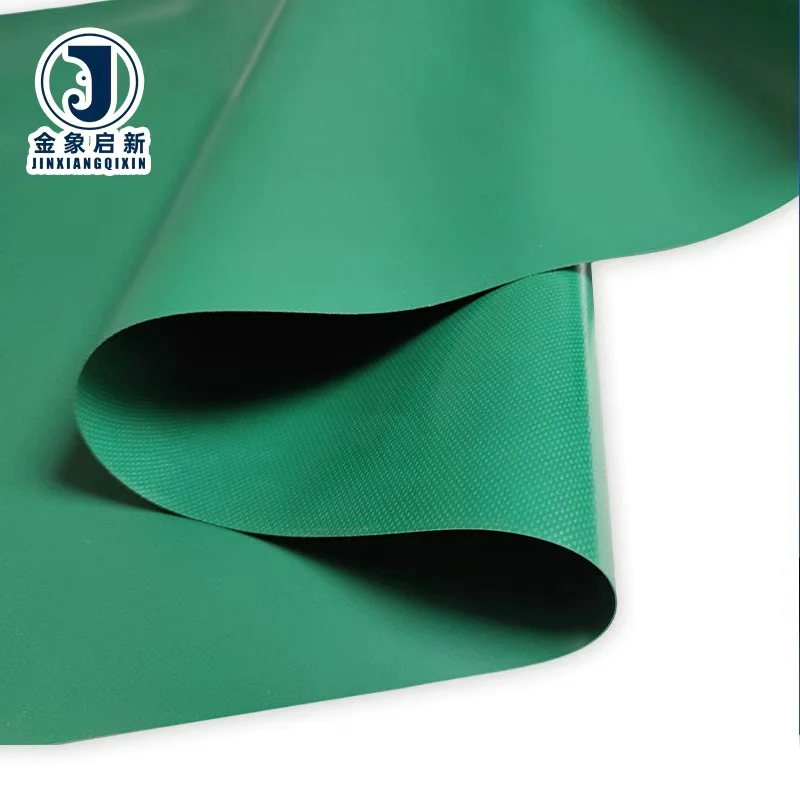
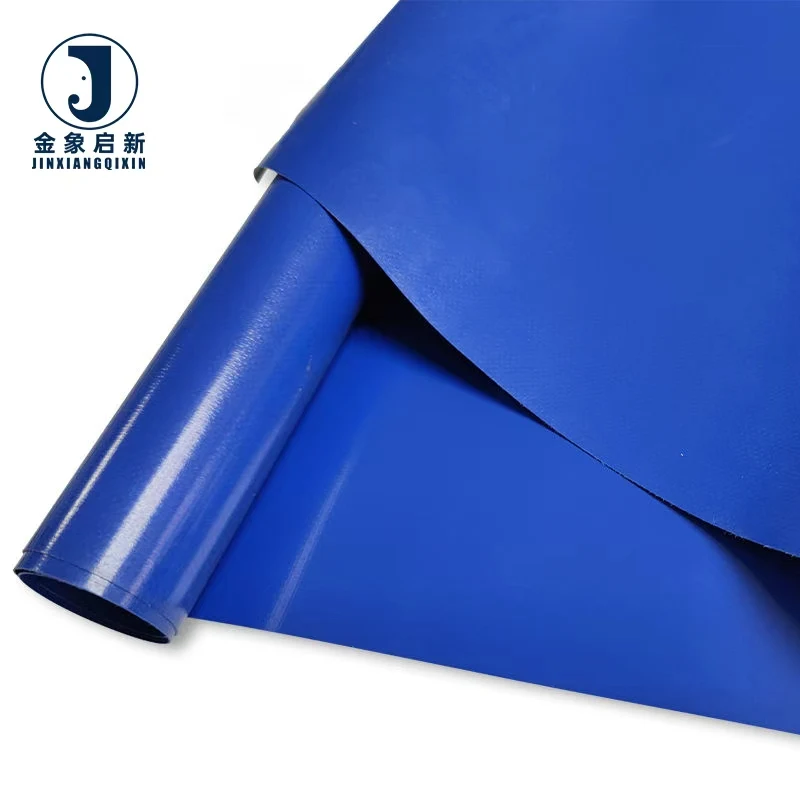
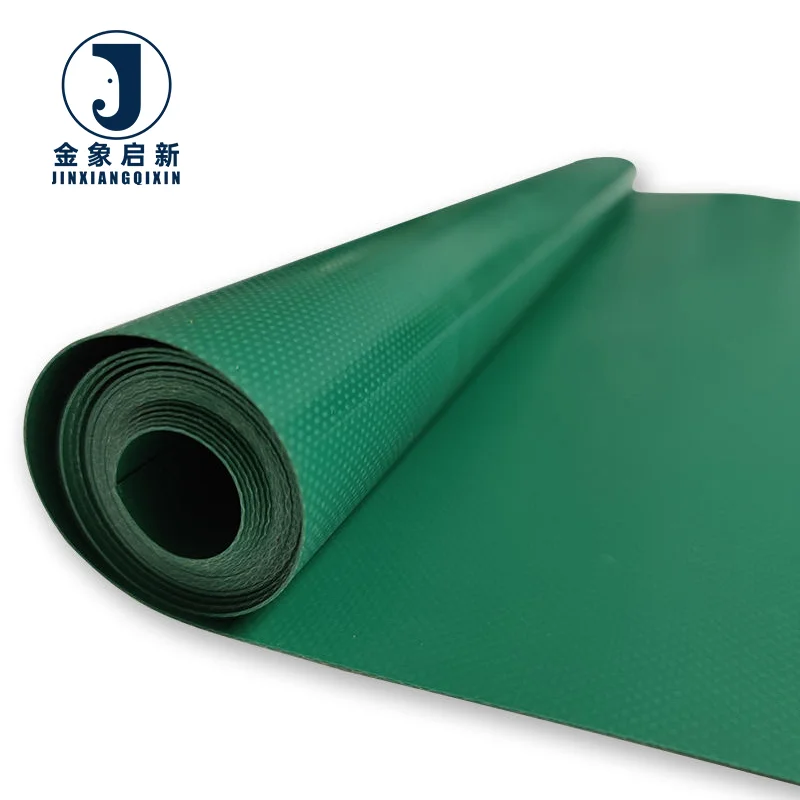
Coating weight control — every roll of 650gsm PVC coated tarpaulin is verified against the material specification sheet before dispatch, with in-process QA ensuring consistent coating adhesion across the full roll length.
Technical Specifications
| Parameter | Value |
|---|---|
| Product Type | PVC Coated Tarpaulin |
| Material | Polyester base fabric with double-sided PVC coating |
| Yarn Count Options | 500D×840D / 500D×1000D / 1000D×1000D / 1000D×1300D / 1300D×1300D / 1000D×2000D |
| GSM Range | 350 / 400 / 420 / 500 / 600 / 650 / 750 / 900 |
| Thickness Range | 0.29mm – 0.65mm |
| Density Options | 30×19 / 20×20 / 30×15 |
| Tensile Strength (Warp) | 1650 N – 3900 N |
| Tensile Strength (Pick) | 1600 N – 3500 N |
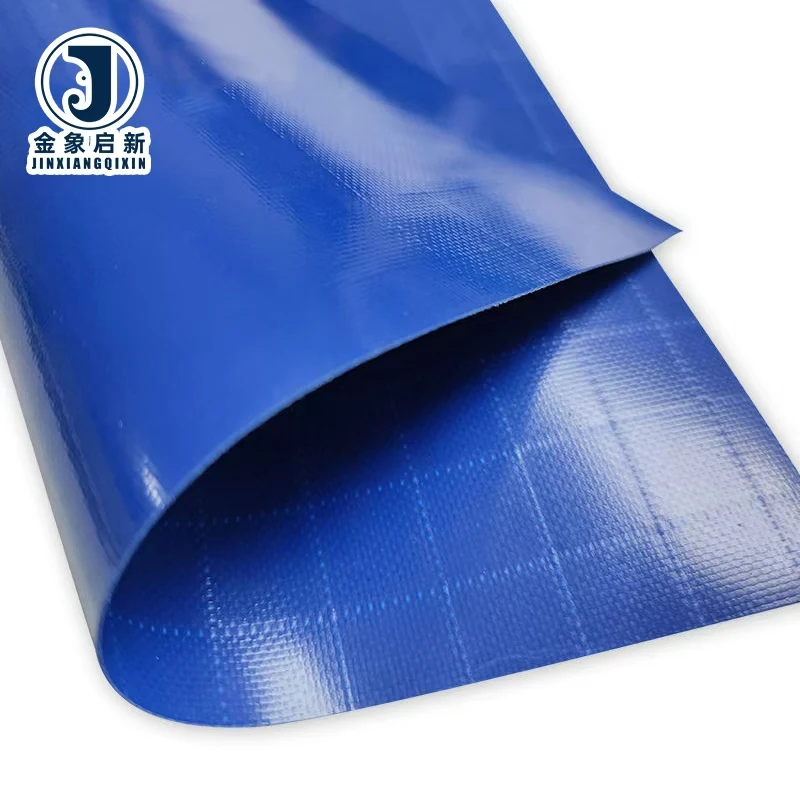
| Surface Finish | Smooth, leather-like texture |
| Key Features | Waterproof, Anti-UV treatment available (confirm test basis for your market), Flame Retardant grades available (confirm grade required for your site compliance) |
| Customization | Colour, width, length, pattern printing, branding |
Application Suitability
| Application | Exposure & Requirement |
|---|---|
| Mining and tunnelling ventilation ducts | Continuous airflow, fire-retardant and anti-static compliance required on site |
| Membrane and inflatable structures | Tensile load at seams, UV exposure, hot-air weld integrity at flex points |
| Aviation and construction ventilation | Duct flexing, temperature fluctuation, documented test reports for audit |
| Truck and trailer side curtains | Constant flexing, road abrasion, weather exposure, tie-down stress at hems |
| Construction site and equipment covers | Puncture risk, water ingress, UV degradation over extended outdoor periods |
Why Material Test Reports Matter More Than the GSM Number on Your Quote
A 650 gsm PVC coated tarpaulin is only as reliable as the test data that accompanies it.
When a ventilation duct fabric arrives on a mine site without a fire-retardant test report, the entire installation can be halted until compliance is verified. Similarly, when the stated GSM does not match the measured weight on arrival, the tensile performance and weld integrity fall below what the structural design assumed [NEED_CITE: tensile and tear test methods for coated fabrics per ISO 1421]. Technical buyers specifying material for duct systems and membrane structures need documented proof, not quotation claims.
Base Fabric Architecture and Tensile Performance
The selection of polyester denier and mesh count directly governs how the 650 gsm PVC coated tarpaulin performs under load. Higher denier yarns such as 1000D×1300D provide greater individual yarn strength, while a tighter weave like 20×20 distributes stress across more intersection points, reducing the likelihood of tear propagation. When a duct panel flexes under positive or negative pressure, it is this base fabric structure that absorbs the cyclic loading before the coating ever reaches its deformation limit.
Coating Adhesion and Hot-Air Weld Behaviour
Double-sided PVC coating on a polyester substrate creates a composite material where the bond between coating and yarn determines how well a hot-air welded seam holds. If adhesion is insufficient, the weld line can delaminate under stress before the base fabric itself reaches its tensile limit [NEED_CITE: peel strength test methods for coated fabrics per ISO 2411]. The smooth, leather-like surface finish noted in the specification supports consistent heat transfer during welding, which is essential for fabricators producing long duct sections and inflatable structure panels.
How GSM, Denier and Density Interact to Define Real-World Strength
GSM alone tells you the total mass per square metre but not how that mass is distributed between base fabric and coating. A heavier coating increases waterproofing and surface abrasion resistance but does not contribute to tensile or tear strength — that role belongs to the polyester yarns and their weave density. For a given 650 GSM grade, shifting from a 500D×840D construction to a 1000D×1300D construction means more of the weight resides in the structural yarn rather than the coating, producing a fabric that handles higher mechanical loads during fabrication and service. This distinction is critical when the material will be cut, welded and tensioned into duct runs or structural membranes.
The Hidden Cost of Specifying the Wrong Grade for Your Application
When a membrane structure is fabricated from a roll whose colour shifts between panels, the visual inconsistency is permanent and visible to the client at handover. When fire-retardant or anti-static certification is claimed but not documented, a site inspector can reject the entire duct installation, causing project delays and re-procurement costs. When the coating weight is lighter than specified, weld parameters calibrated for the expected material will burn through or fail to bond, resulting in seam failures at the exact flex points where the duct or structure experiences the highest stress [NEED_CITE: DIN 4102 fire classification for building materials]. These are not hypothetical risks — they are recurring issues that technical buyers encounter when sourcing is based on price rather than verified specifications.
Why Fabricators and Contractors Source This Material Here
A 10-person R&D team handles material selection and sample development for custom grades, meaning you can receive a sample in your specified colour, width and treatment within days rather than weeks. Three full production lines and 36 sets of professional equipment provide the capacity to fulfil multi-roll orders for large duct runs or membrane projects with consistent coating weight throughout. Dedicated quality control runs at every production stage, with 100 percent inspection before shipment ensuring that each roll dispatched matches the material specification sheet. Nearly 30 years of focused production on coated fabrics has refined process control over coating adhesion and base fabric alignment — the two variables that most influence downstream fabrication quality.
Documentation & Verification
- Material specification sheet stating base fabric denier, coating weight, GSM and colour reference for each roll
- Test report for UV and flame-retardant grades where applicable — confirm the standard required for your site
- Pre-shipment inspection record verifying measured GSM against the quoted specification
- ISO and CE certificates supporting export compliance and site audit requirements
- Roll packing list and certificate of origin for customs clearance and traceability
Fabrication, Handling & Storage
- Hot-air weld parameters should be calibrated to the specific GSM and coating thickness of the ordered grade
- Store rolls upright on a clean, dry surface to prevent coating deformation and permanent creasing
- Use compatible PVC-based repair tape or patches for field repairs on coated surfaces
- Allow rolls to acclimatise to workshop temperature before unrolling to avoid cold-cracking at low temperatures
- Plan panel layout to minimise transverse welds and place seams away from maximum flex zones
Preparing Your Specification Enquiry
To receive an accurate material recommendation and sample, provide the intended application and the environmental exposure conditions the fabric will face — including temperature range, chemical contact and UV load. State whether your project requires fire-retardant or anti-static certification and which standard applies in your market. Indicate the roll width and length you need, along with any colour or branding requirements, and confirm whether you are sourcing raw roll stock or require custom cut panels.
Frequently Asked Questions
Q: Can you supply a fire-retardant test report with the shipment for our mine site compliance audit?
A: Fire-retardant grades are available, and a test report can accompany the shipment. The specific standard required — such as a national mining safety regulation or an international fire classification — must be confirmed at the enquiry stage so the correct treatment is applied and documented before production begins.
Q: What is the lead time for custom-width rolls in flame-retardant or anti-static grades?
A: Custom-width rolls and specialist treatment grades involve additional setup and testing steps. Lead times vary by width, order volume and treatment type. Request a quotation with your specific dimensions and certification requirements to receive a confirmed production schedule.
Q: How do you ensure GSM consistency across a multi-roll order for a large membrane structure?
A: Each roll passes through in-process quality control during coating and a full pre-shipment inspection where the measured GSM is compared against the material specification sheet. This prevents lighter-than-agreed material from reaching the fabrication floor and ensures panel-to-panel consistency.
Q: Do you provide material specification sheets with base fabric denier, coating weight and tensile data?
A: Yes. A material specification sheet is issued for each order, documenting the base fabric denier, mesh count, total thickness, GSM, surface finish and treatment options applied. This sheet serves as the reference document for your fabrication team and any compliance verification required on site.
Q: Can you develop a sample in our specified colour and treatment grade before we commit to a full container order?
A: Samples can be developed within days for custom colour, width and treatment requirements. This allows your fabrication team to test weld parameters, assess surface finish and verify colour match before committing to bulk production, reducing the risk of costly rework on a large order.