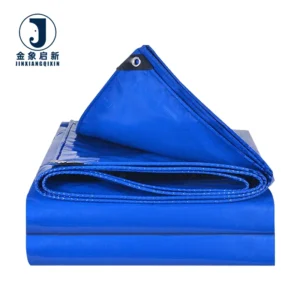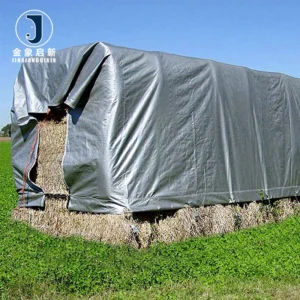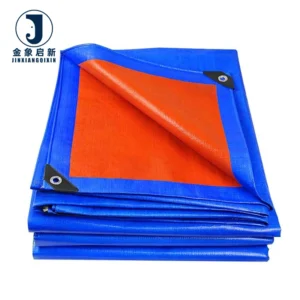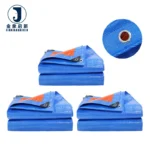

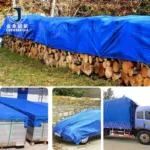
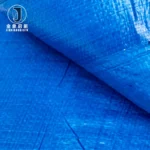

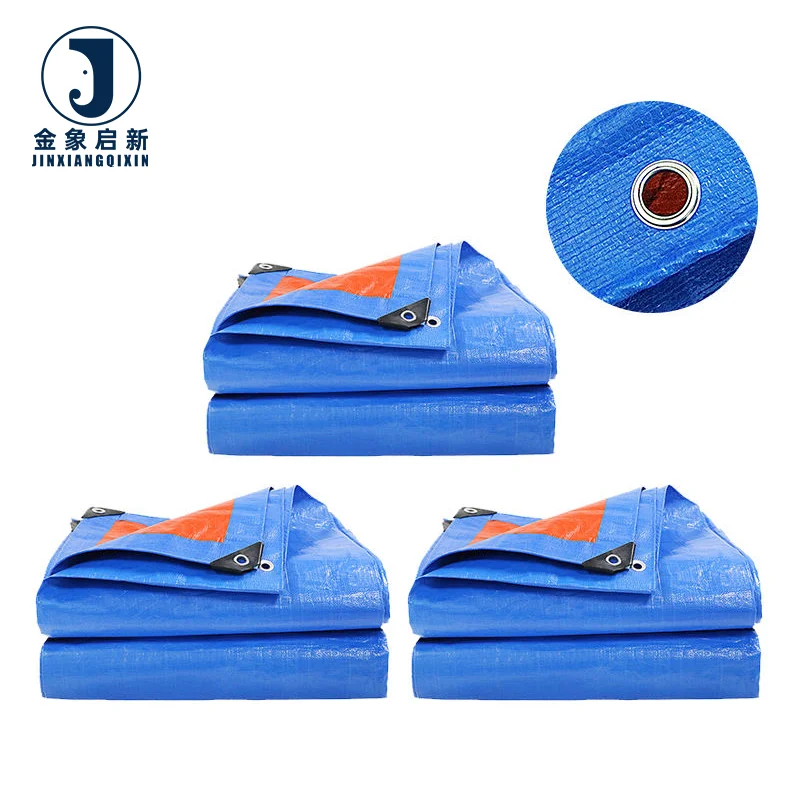
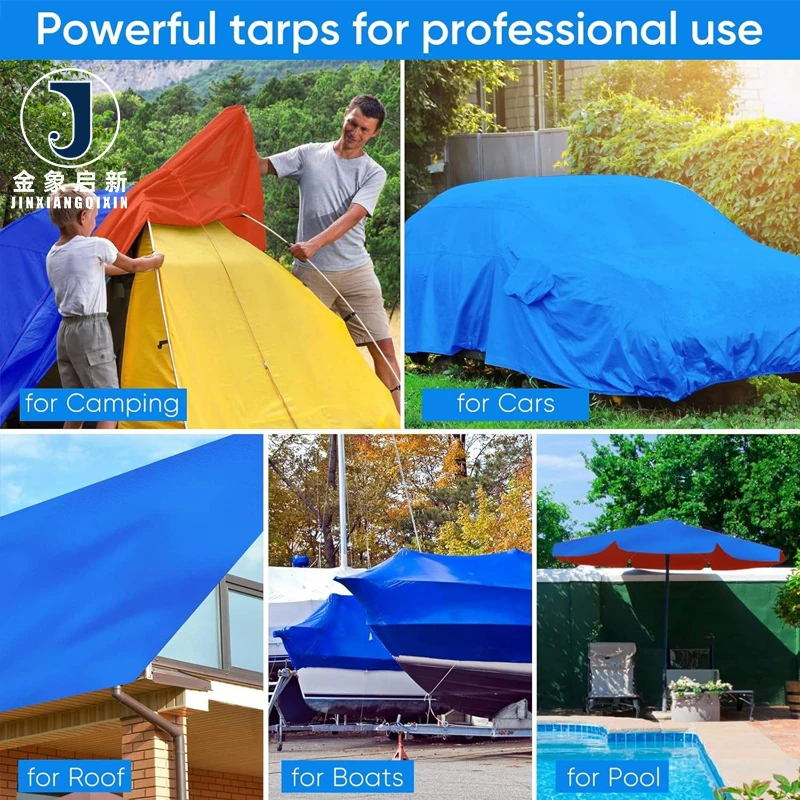
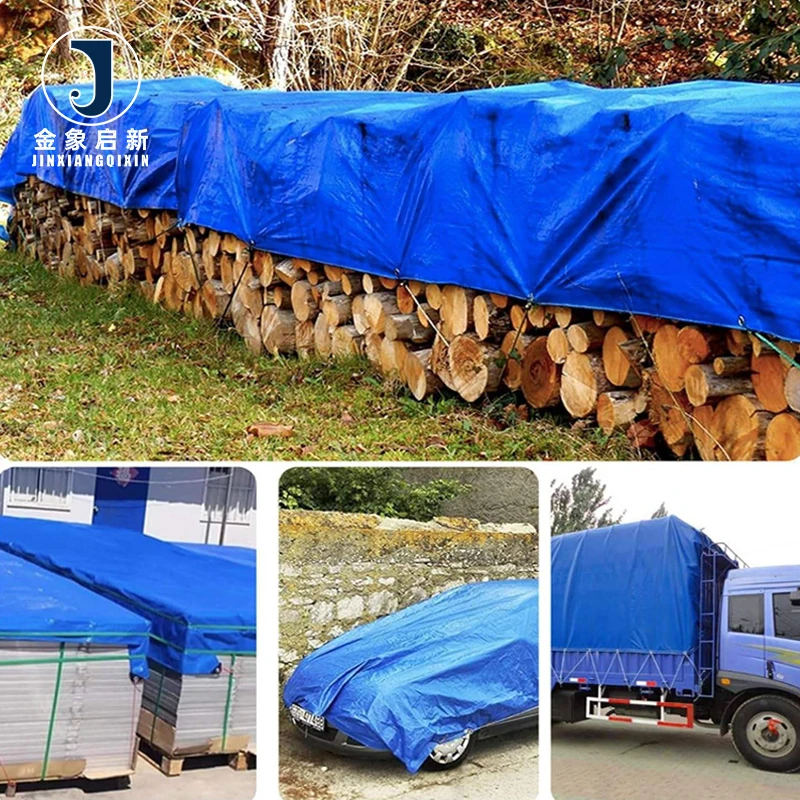
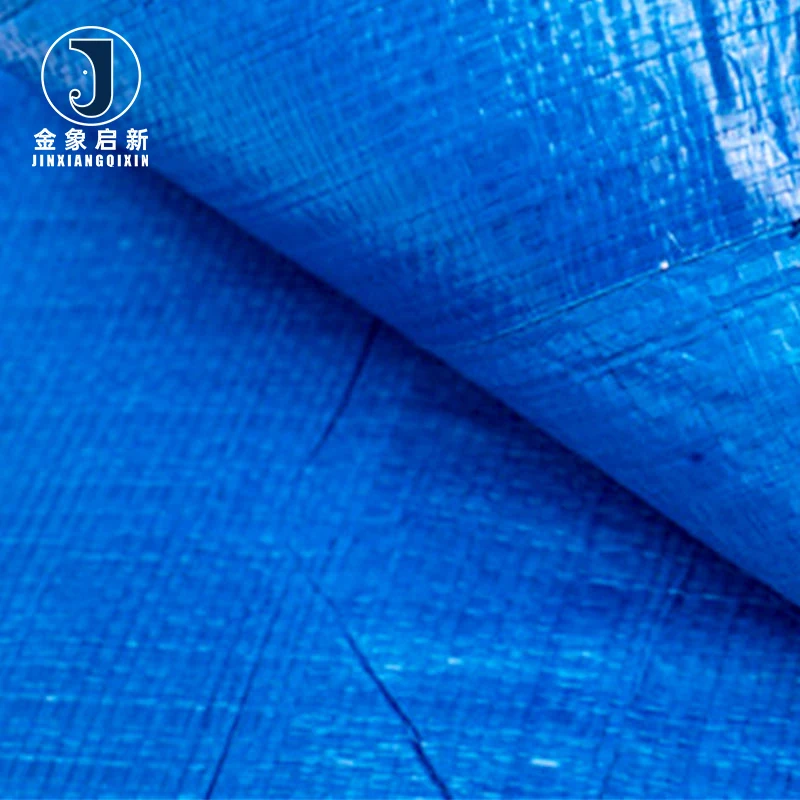
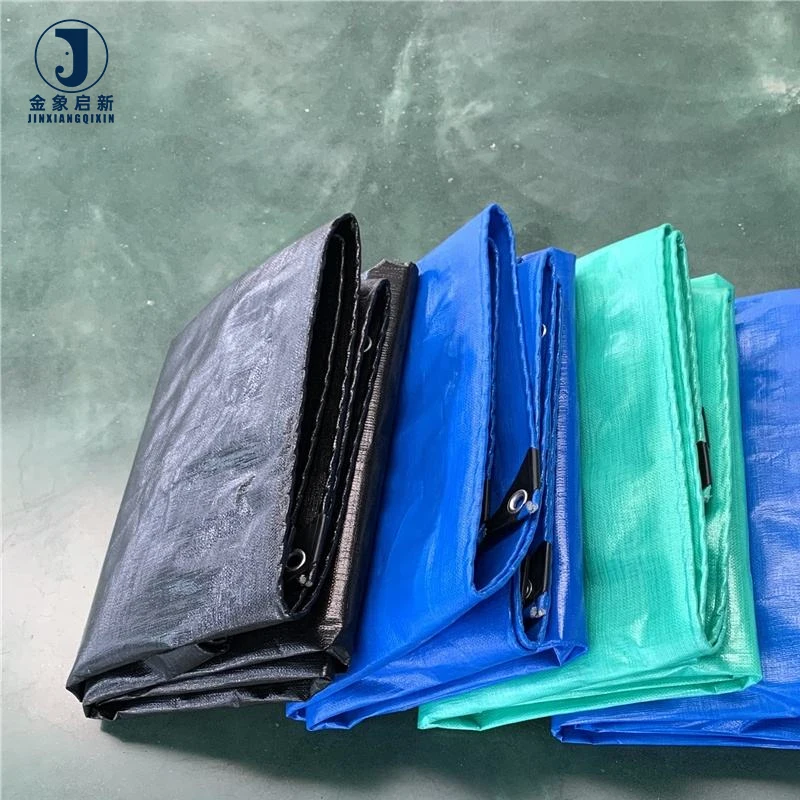
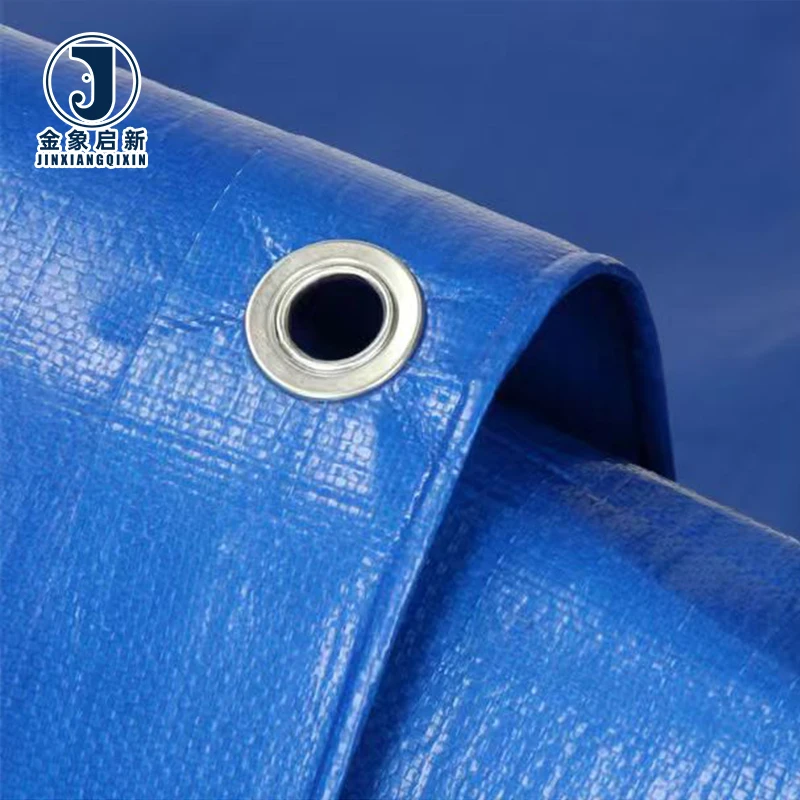
Deep Process Control — Every roll of industrial PE Tarpaulin is verified against the stated GSM at the QA stage, ensuring the ventilation duct or specialist structure fabric you specified is exactly what arrives on site.
Technical Specifications
| Parameter | Value |
|---|---|
| Product Type | PE Tarpaulin |
| Material | HDPE weaving with LDPE lamination on both sides |
| Thickness | 0.18–0.35 mm |
| Weight (GSM) | 50–240 g/m² |
| Knitting Density | 8×8 / 10×10 / 12×12 |
| Tensile Strength (N/5cm) | Meridian 300–1200 / Latitude 250–1000 |
| Roll Width | 6ft, 8ft, 10ft, 12ft, 2m, 4m, 6m |
| Roll Length | 100 yards, 100 meters, or custom |
| Cut Sizes | 2×2m to 8×10m (multiple standard sizes) |
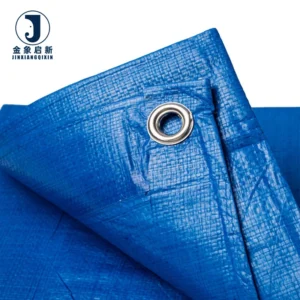
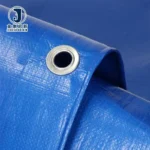
| Edge & Fixing | PP rope-reinforced hem, galvanized eyelets every 3ft or 1m, reinforced plastic corners |
| Features | Waterproof, washable, tear resistant, mildew proof, anti-aging |
| Treatment Options | UV treatment available (test basis not stated), fire-retardant and anti-static grades available (confirm the grade required for your market) |
| Certification Reference | ISO, CE |
Application Suitability
| Application | Exposure & Requirement |
|---|---|
| Mining and tunnelling ventilation duct | Continuous airflow flexing, sub-surface dust loading, mandatory fire-retardant and anti-static compliance for underground operation |
| Aviation ground support ducting | High-volume air transfer, rapid deployment and teardown, resistance to jet blast proximity and tarmac abrasion |
| Inflatable and membrane structure | Tensile membrane tension, wind-load fluctuation, airtight seam integrity, UV and weather exposure at outdoor installations |
| Construction site containment | Temporary enclosure against wind and driven rain, dust control during demolition, repeated rigging and repositioning |
Why Certification Documentation Matters More Than the Claim Itself
Ventilation duct supplied without the fire-retardant or anti-static certification the site requires — that single missing document halts commissioning regardless of how well the fabric performs in the field. Compliance is proven by paperwork, not by verbal assurance.
A mining inspector or aviation safety officer will ask for the test report before they look at the duct itself. When a batch of PE Tarpaulin arrives with only a generic "flame retardant" label and no referenced standard, the contractor absorbs the risk of rejection, reinstallation and schedule delay. The cost of that gap compounds quickly across a multi-phase project [NEED_CITE: fire safety documentation requirements for underground ventilation systems].
Airflow Containment Under Mechanical and Environmental Stress
Ventilation ducts in mining and tunnelling environments undergo continuous positive and negative pressure cycles that test the tensile stability of the base fabric in every direction. The HDPE woven structure with LDPE double-side lamination distributes these flex loads across the knitting density grid, preventing localised fatigue at the seam-to-duct junction where airflow turbulence concentrates. For long-run duct installations, selecting the correct knitting density tier — 8×8 for lightweight containment or 12×12 for heavy-duty positive-pressure runs — determines how the industrial PE Tarpaulin behaves under sustained mechanical cycling.
Meeting Underground and Specialist Compliance Thresholds
Underground ventilation projects enforce strict material standards for fire propagation and electrostatic discharge. Fire-retardant and anti-static treatment options are available for this PE Tarpaulin range, but the specific grade must be confirmed against the regulatory framework of the target market before production begins. Supplying the correct test documentation with each consignment is what separates a compliant installation from a site shutdown [NEED_CITE: anti-static surface resistance requirements for mining ventilation materials].
Reading the Specification Sheet Beyond the Weight Number
GSM alone does not define how a coated fabric will perform in a ventilation duct. A 160 g/m² roll woven at 12×12 density will resist tear propagation differently than a 160 g/m² roll at 8×8, because the higher thread count distributes point loads across more yarns before a rip can extend. The LDPE lamination weight relative to the HDPE base fabric further influences heat-seal behaviour: a coating-heavy sheet seals at lower temperatures but may sacrifice peel strength at the weld line, while a base-fabric-dominant construction demands higher thermal input but produces a mechanically stronger bond. Roll width selection — up to 6 m — directly controls how many longitudinal seams are needed when fabricating large-diameter ducts, and every seam is a potential airflow leak point if the heat-seal parameters are not calibrated to the actual lamination thickness. Thickness ranges from 0.18 mm to 0.35 mm across the density tiers, and this dimensional value correlates with the stiffness the fabric exhibits when suspended in a duct run.
What Specification Mismatches Cost on a Live Project
When the PE Tarpaulin grade installed in a ventilation duct does not match the specification the site engineer signed off, the consequences surface during commissioning rather than during procurement. A duct fabricated from a fabric without the required anti-static surface resistance will fail the pre-operational audit, forcing removal and reinstallation at the contractor’s expense. Similarly, a batch where colour varies between rolls becomes immediately visible once sections are joined side by side in a membrane structure, triggering a cosmetic rejection that delays handover. Heat-sealed seams that fail before the fabric itself indicates the lamination thickness or welding temperature was not matched to the material, leaving the weakest point at exactly the location where duct flex loads are highest [NEED_CITE: weld seam failure modes in coated technical fabrics].
Why Fabrication-Specialist Procurement Differs Here
Our 10-person R&D team develops material selections and duct fabrication samples within days, matching the knitting density, lamination weight and treatment grade to the ventilation system design rather than pushing a stock roll. Three full production lines with 36 sets of equipment support bulk duct fabric runs with consistent GSM and coating weight across every roll in the order. Dedicated QA/QC runs at every production stage, with 100 percent inspection before dispatch — no roll ships without verification against the material specification sheet. Fire-retardant and anti-static test reports are generated for the specific grade produced, not borrowed from a different product family. Nearly three decades of coated fabric process control means the relationship between HDPE base weave, LDPE coating weight and thermal sealing behaviour is mapped before production starts, not guessed during fabrication.
Documentation & Verification
- Material specification sheet stating GSM, HDPE base fabric denier, knitting density and LDPE lamination type for this PE Tarpaulin grade
- Fire-retardant and anti-static test reports matched to the treatment grade specified on the purchase order
- ISO and CE certificates plus certificate of origin included in every shipment documentation package
- Pre-shipment inspection record confirming GSM, colour and dimensional accuracy per roll before dispatch
- Roll packing list with unique identifiers for full batch traceability on site
Fabrication, Handling & Storage
- Heat-seal temperature must be calibrated to the specific LDPE lamination thickness to achieve full peel strength at the weld line
- Galvanized eyelets at 3ft or 1m intervals distribute suspension loads; reinforce with additional webbing at duct collar junctions
- Store PE Tarpaulin rolls horizontally on a flat surface to prevent permanent creasing in the HDPE weave structure
- Unfold membrane-grade sheets in moderate temperatures; cold-stiffened LDPE lamination risks micro-cracking if handled below recommended range
- Cut panels using industrial shears rather than hot knives to preserve LDPE coating integrity at the seam allowance edge
- Clean with mild detergent only; solvent-based cleaners degrade the LDPE lamination surface over repeated contact
What to Include in Your Inquiry
Provide the ventilation system diameter, run length and operating pressure range so we can recommend the correct knitting density and GSM tier for your duct design. Confirm the fire-retardant standard and anti-static surface resistance threshold your project requires, along with the applicable regulatory body. Specify whether you need roll stock for in-house fabrication or finished panels with eyelet reinforcement and edge hemming, and indicate target roll width and total linear meterage.
Frequently Asked Questions
Q: What fire-retardant grade and test standard do you supply for mining ventilation duct?
A: Fire-retardant treatment options are available across the PE Tarpaulin range, but the specific grade must be confirmed against the standard enforced at your project site. We supply the corresponding test report with each consignment once the required classification is agreed during the specification stage. Provide the applicable regulatory framework in your inquiry so we match the correct grade.
Q: How is anti-static performance measured and what surface resistance can you certify?
A: Anti-static treatment is offered as an option, and the measurable surface resistance value depends on the grade selected for your application. The relevant test documentation accompanies the shipment once the specification is confirmed. Share the threshold required by your site safety standard so we align the treatment accordingly.
Q: Can you match the duct diameter and length to our ventilation system design?
A: Roll widths are available up to 6 m, and custom roll lengths can be produced to reduce the number of field joints in a duct run. Finished PE Tarpaulin panels can also be fabricated with PP rope hems and galvanized eyelets at specified intervals. Provide your duct diameter and section lengths so we recommend the optimal cutting layout.
Q: How do you control GSM and coating weight consistency across rolls in a bulk order?
A: Every roll undergoes in-process QA checks and 100 percent pre-shipment inspection against the material specification sheet. GSM and lamination weight are verified before dispatch, and a pre-shipment inspection record is included with the documentation package. This ensures each roll in a multi-roll order matches the agreed specification.
Q: What documentation package ships with each consignment for site compliance audits?
A: Each shipment includes the material specification sheet, fire-retardant and anti-static test reports where applicable, ISO and CE certificates, a certificate of origin and a roll packing list with batch identifiers. This documentation set supports on-site compliance audits and traceability requirements for ventilation and specialist structure projects.