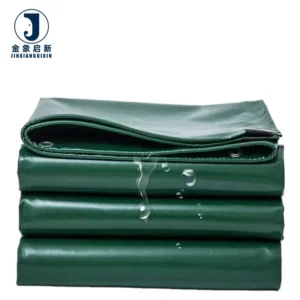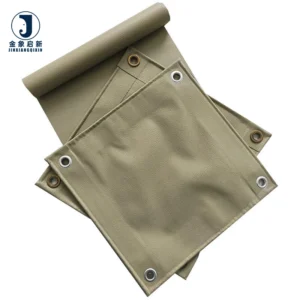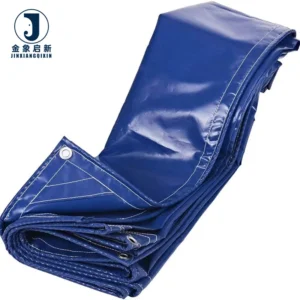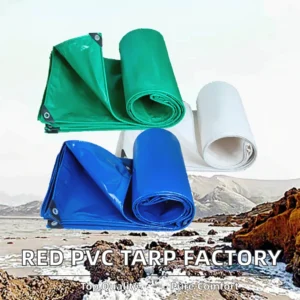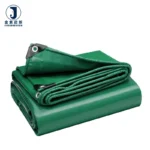
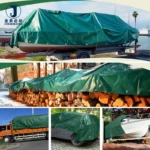
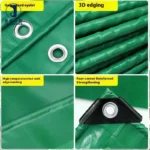
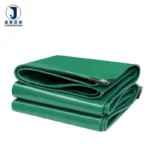
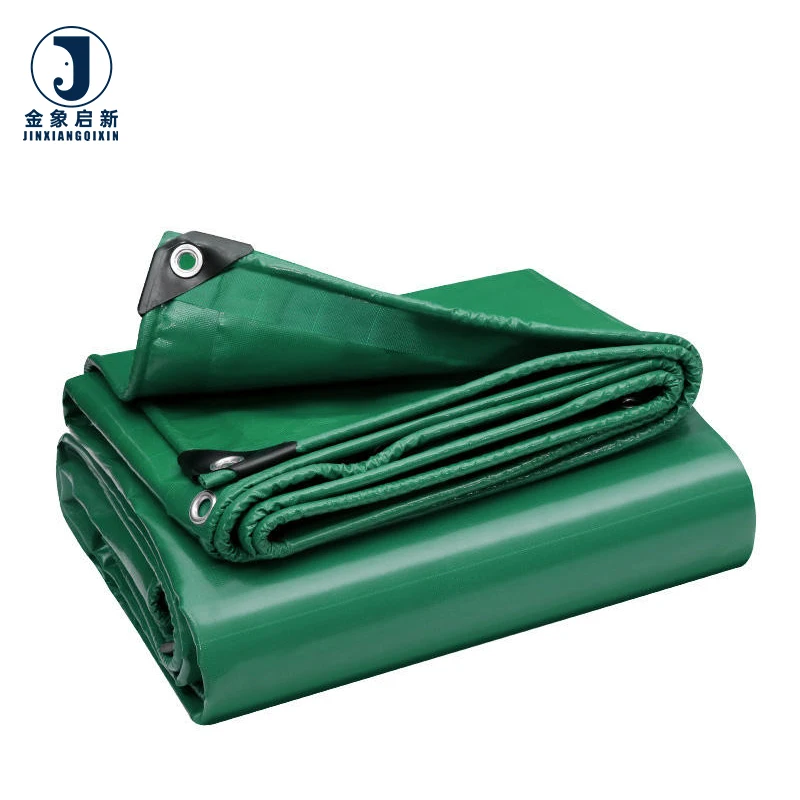
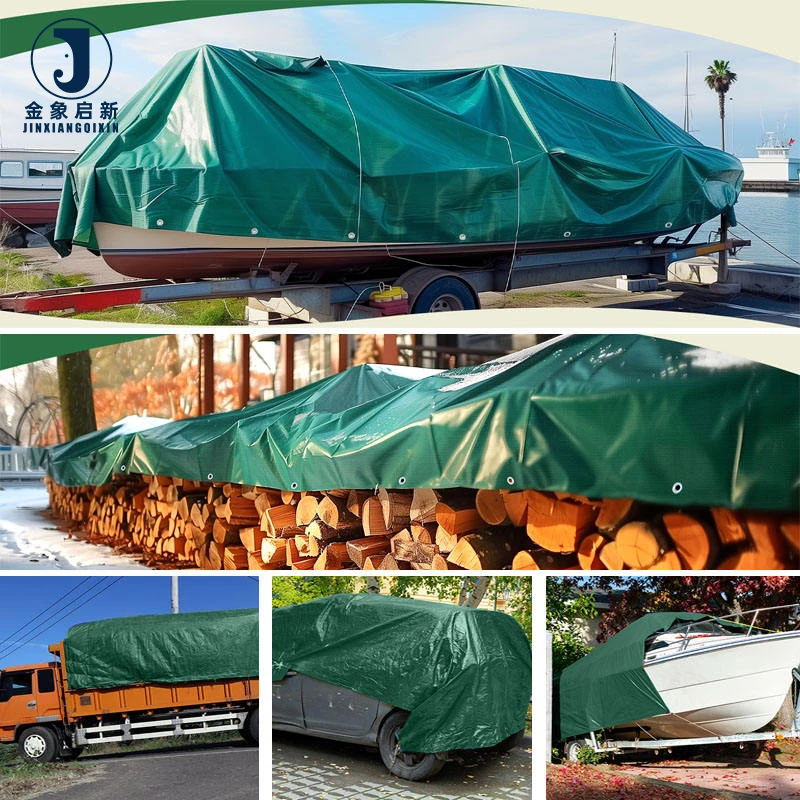
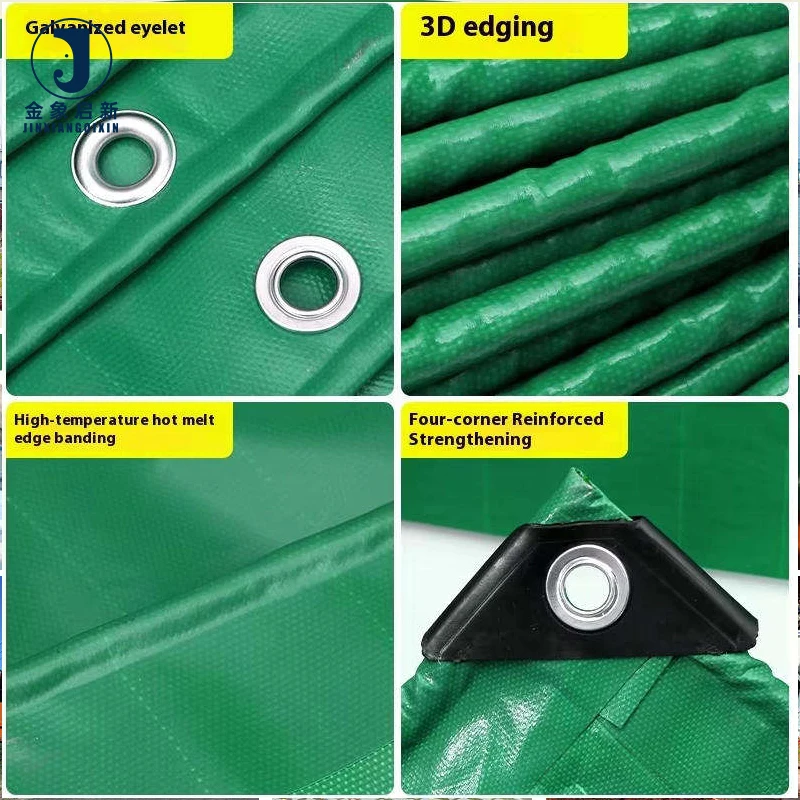
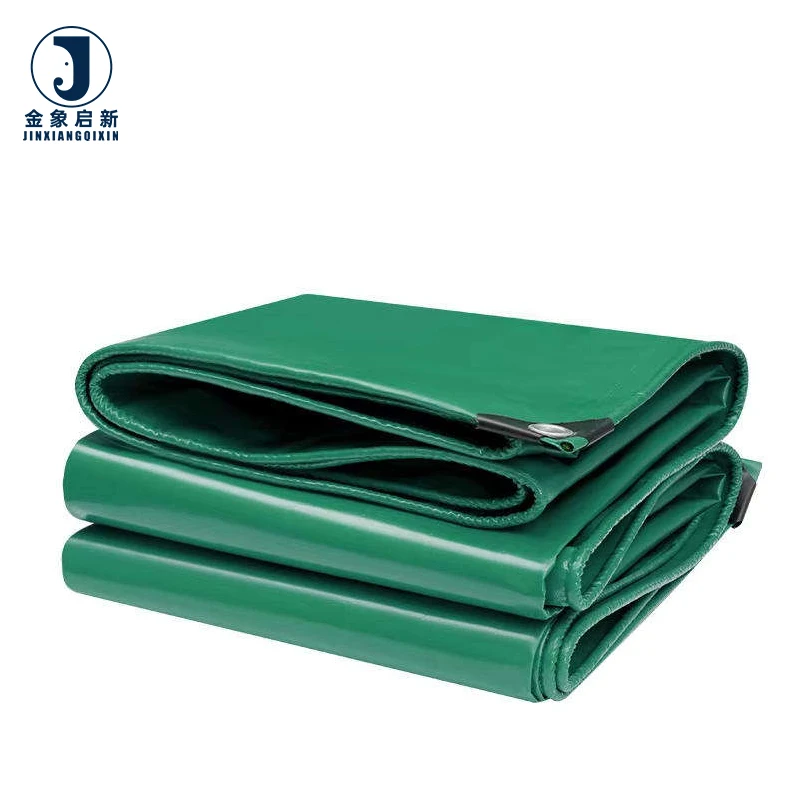
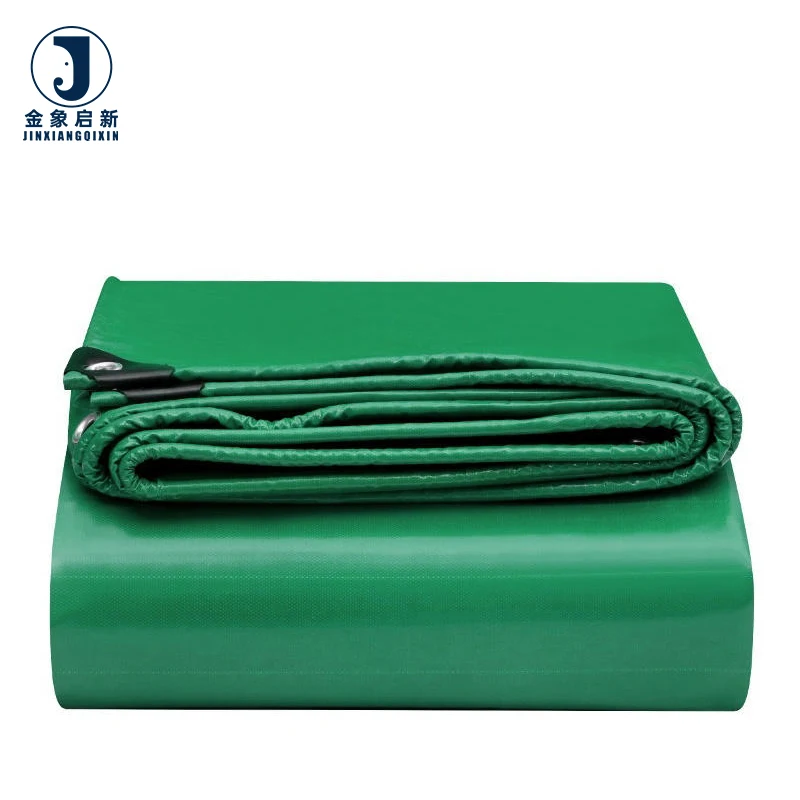
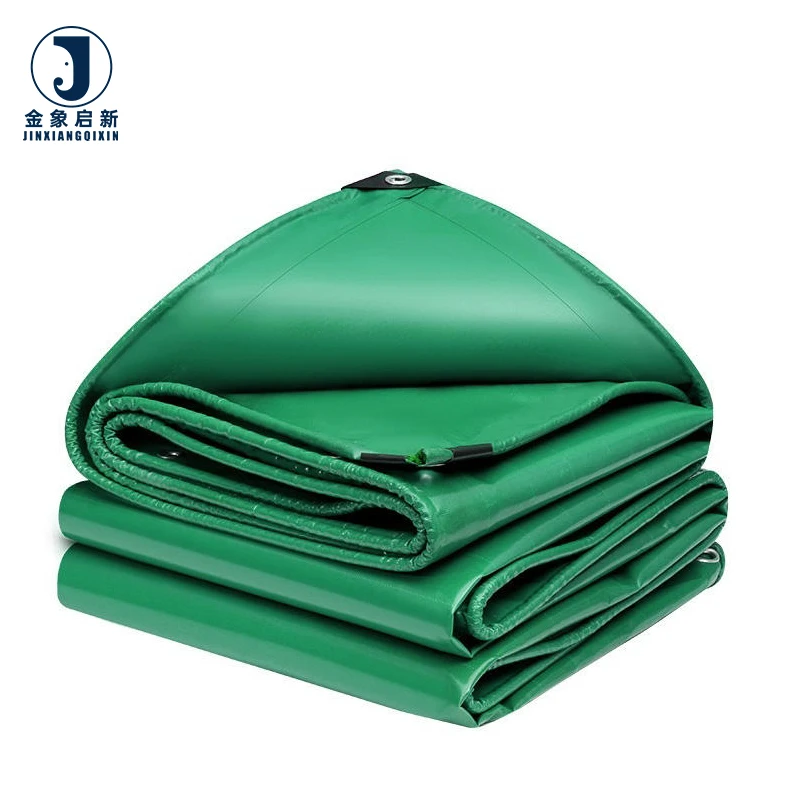
Process-Controlled Coating — three full production lines maintain consistent PVC adhesion across every roll of industrial duct fabric we ship.
Technical Specifications
| Parameter | Value |
|---|---|
| Product Type | PVC Coated Tarpaulin |
| Base Fabric Denier | 200D×300D, 500D×500D, 840D×840D, 1000D×1000D |
| Weight (GSM) | 250gsm-1500gsm |
| Coating Material | PVC |
| Surface Finish | Glossy or matte |
| Temperature Range | -15°C to 70°C |
| Waterproof | Yes |
| Flame Retardant | FR treated (grade not stated in source) |
| Anti-Fungal | Anti-fungal treated |
| UV Treatment | Customized (test basis not stated in source) |
| Size Options | 3x4m, 6x8m, 8x10m, 10x12m or custom made |
| Color Options | Blue, yellow, black, green, white, etc. |
| Package | Carton or bale |
| Standards | ISO, CE |
Application Suitability
| Application | Exposure & Requirement |
|---|---|
| Mining ventilation duct | Continuous airflow, underground humidity, fire-retardant compliance, rock-dust abrasion |
| Tunnelling air handling | Confined-space safety codes, anti-static surface, high tensile demand at duct joints |
| Aviation ground support duct | Fuel-vapour proximity, outdoor UV and temperature cycling, rapid deploy and stow |
| Membrane structure fabric | Long-span tension, wind load, welded seam integrity, weather exposure |
| Inflatable structure skin | Internal pressure flex, repeated inflation cycles, puncture from handling |
| Construction site enclosure | Wind-driven rain, scaffolding contact, temporary fire-barrier requirement |
What "Certified" Means When Your Duct Fabric Arrives Without a Test Report
We ship the fire-retardant test report and anti-static certificate with the fabric, not after the dispute starts.
Mining and tunnelling sites reject ventilation duct loads every year because the fabric arrived without the paperwork the safety officer needs to sign off installation. The PVC coated tarpaulin may perform adequately in a burn test, but without a grade stated on the material specification sheet, the site cannot document compliance. We have watched contractors absorb re-delivery costs and project delays because a supplier treated certification as an afterthought rather than a shipping document [NEED_CITE: fire classification documentation requirements for underground ventilation materials].
Fire-Retardant and Anti-Static Compliance for Underground and Aviation Use
Underground ventilation demands more than a generic flame-retardant claim. The PVC coated tarpaulin must meet the specific grade your jurisdiction enforces — whether that is a national mining standard or an aviation ground-support specification. We supply the fabric in flame retardant grades — confirm the grade required for your market before production begins. Anti-static treatment is specified separately, with surface resistance measured against the standard your site safety plan references.
Duct Welding Behaviour and Seam Integrity Under Airflow Pressure
Ventilation ducts fail at the weld long before the fabric body degrades. The PVC coating formulation on this material is designed to melt and fuse at temperatures suited to hot-air and wedge welding, producing a seam that matches the parent fabric in tensile continuity. Consistent coating weight across the roll surface is what allows a fabricator to set weld parameters once and hold them through an entire production run, rather than adjusting machine settings every time a new roll enters the line [NEED_CITE: coated fabric weld strength test methods per ISO 1421].
How Base Fabric Denier and Coating Weight Interact in Duct Applications
GSM alone does not predict how a duct fabric will behave under negative pressure or mechanical impact. The base fabric denier — from 200D×300D up to 1000D×1000D — determines the tensile skeleton, while the PVC coating weight controls abrasion resistance and weldability. A lighter denier with a heavier coat may pass a puncture test but tear readily along the warp; a heavier denier with a thinner coat resists tearing but may not seal reliably at the weld line. Selecting the correct combination depends on duct diameter, operating pressure, and whether the installation is permanent or repeatedly relocated. Temperature range from -15°C to 70°C defines the boundary for surface and underground installations where ambient conditions shift between seasonal extremes.
The Hidden Cost of Specifying Duct Fabric on Weight Alone
A ventilation duct specified only by GSM frequently underperforms in one critical area while exceeding requirements in another. We have seen heavy-grade coated rolls fail at the weld line because the coating formulation was optimised for tarpaulin covers rather than duct fabrication. Conversely, a lighter fabric with the correct denier and a coating designed for thermal welding outlasts a heavier alternative when the duct flexes under fan start-up pressure. Fire-retardant treatment applied inconsistently across a roll can pass a coupon test at one end and fail at the other, exposing the contractor to liability once the safety audit traces the sample back to the batch [NEED_CITE: batch consistency testing for flame-retardant coated textiles].
Why Technical Buyers Source This Fabric Here
Three full production lines and 36 sets of professional equipment allow us to run dedicated duct-fabrication grades without interrupting tarpaulin cover production, protecting your lead time. A 10-person R&D team reviews every inquiry that involves fire-retardant or anti-static specification, matching the treatment chemistry to the compliance standard before the coating run begins. Every roll passes through dedicated QA/QC at each production stage, and 100% pre-shipment inspection is recorded before dispatch documentation is finalised. Sample rolls for custom duct diameter or treatment requirements are developed within days, not weeks, letting you validate weld parameters before committing to full production volume. Nearly 30 years of coated-fabric process control means coating adhesion and weight consistency are managed through formulation and line speed, not post-production sorting.
Documentation & Verification
- Material specification sheet listing GSM, base fabric denier, and coating type for the exact roll shipped
- Fire-retardant test report with grade stated before production commences
- Anti-static surface resistance test result included where specified on the purchase order
- Pre-shipment inspection record with roll-by-roll weight and visual verification
- Certificate of origin and customs documentation for cross-border project delivery
- ISO and CE certificates referenced in dispatch file for site compliance audit
Fabrication, Handling & Storage
- Set hot-air weld temperature to match PVC coating melt point; test on a scrap from the same roll before full seams
- Store rolls upright on pallets to prevent flat-spot creasing that shows through the coated surface after unrolling
- Allow cold-stored rolls to acclimatise above 10°C before unrolling to avoid micro-cracking in the PVC coat
- Use compatible PVC-based repair patches for field tears; surface must be clean and dry for adhesion
- Plan cutting layout to minimise transverse welds in long duct sections, using the full roll width where duct diameter allows
- Avoid solvent-based cleaners on anti-static treated surfaces, which can strip the conductive finish
What We Need to Quote Your Duct Fabric Correctly
Send us the duct diameter, operating pressure, and whether the installation is permanent or relocatable. Tell us which fire-retardant grade or anti-static standard your site safety plan references so we can confirm treatment chemistry before sampling. If you need a specific colour for above-ground membrane sections, include the RAL or Pantone reference and whether the finish should be glossy or matte. Let us know whether you require full rolls or pre-cut panels with welded seams.
Frequently Asked Questions
Q: What fire-retardant grade do you supply, and does it meet my country’s mining or construction standard?
A: We offer PVC coated tarpaulin in flame retardant grades — confirm the grade required for your market. Share your national mining or construction fire standard with us during inquiry, and our R&D team will match the treatment formulation and provide the corresponding test report before production begins.
Q: How is anti-static performance measured, and what surface resistance value is guaranteed?
A: Anti-static treatment is applied to the PVC coating surface and measured by surface resistance per the standard your project specifies. State the required resistance range in your inquiry so we can confirm the treatment chemistry and include the measured result with your shipment documentation.
Q: Can you supply the test report and certification before the order ships?
A: Yes. Fire-retardant test reports, anti-static certificates, and the material specification sheet are prepared during production and included in the dispatch file. You receive copies before the fabric leaves our facility, so your site safety officer can review them in advance.
Q: What is the recommended weld technique for PVC duct fabrication with this fabric?
A: Hot-air and wedge welding both work with this PVC coated tarpaulin. Set temperature and speed based on the coating weight of your selected grade, and run a test weld on a scrap piece from the same roll to confirm seam peel strength before joining full duct panels.
Q: How do you handle custom duct diameter and length with treatment consistency across the roll?
A: Custom widths are produced on dedicated coating runs where fire-retardant or anti-static treatment is applied continuously across the full web. Every roll undergoes in-process QA checks, and 100% pre-shipment inspection verifies that treatment performance remains consistent from the first metre to the last.