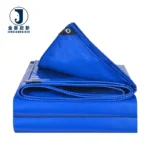
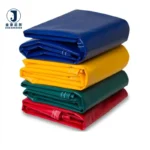
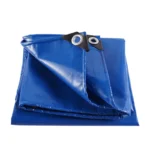
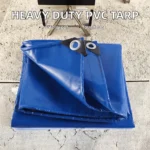
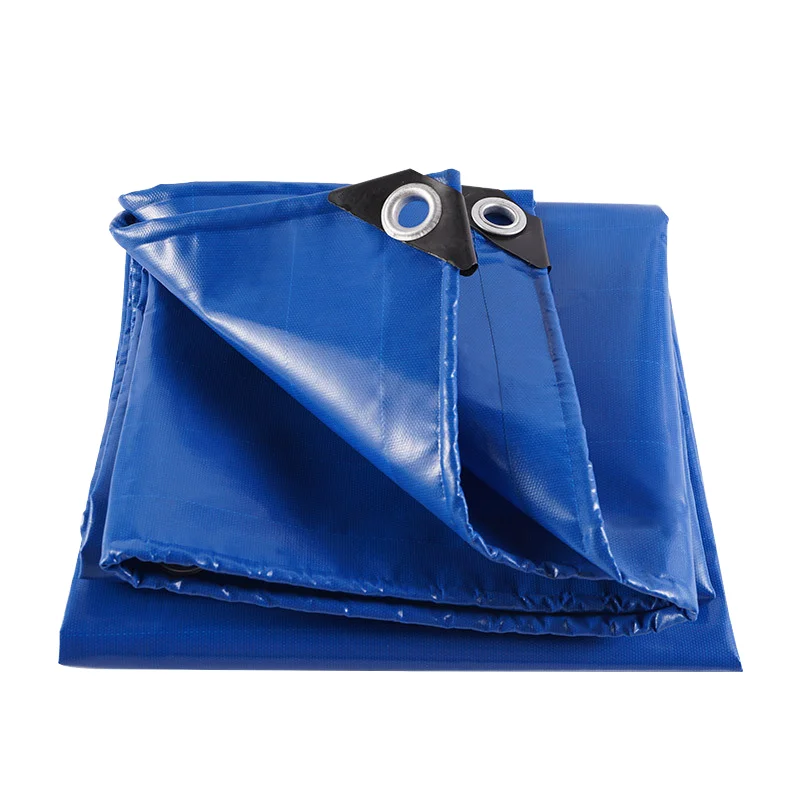
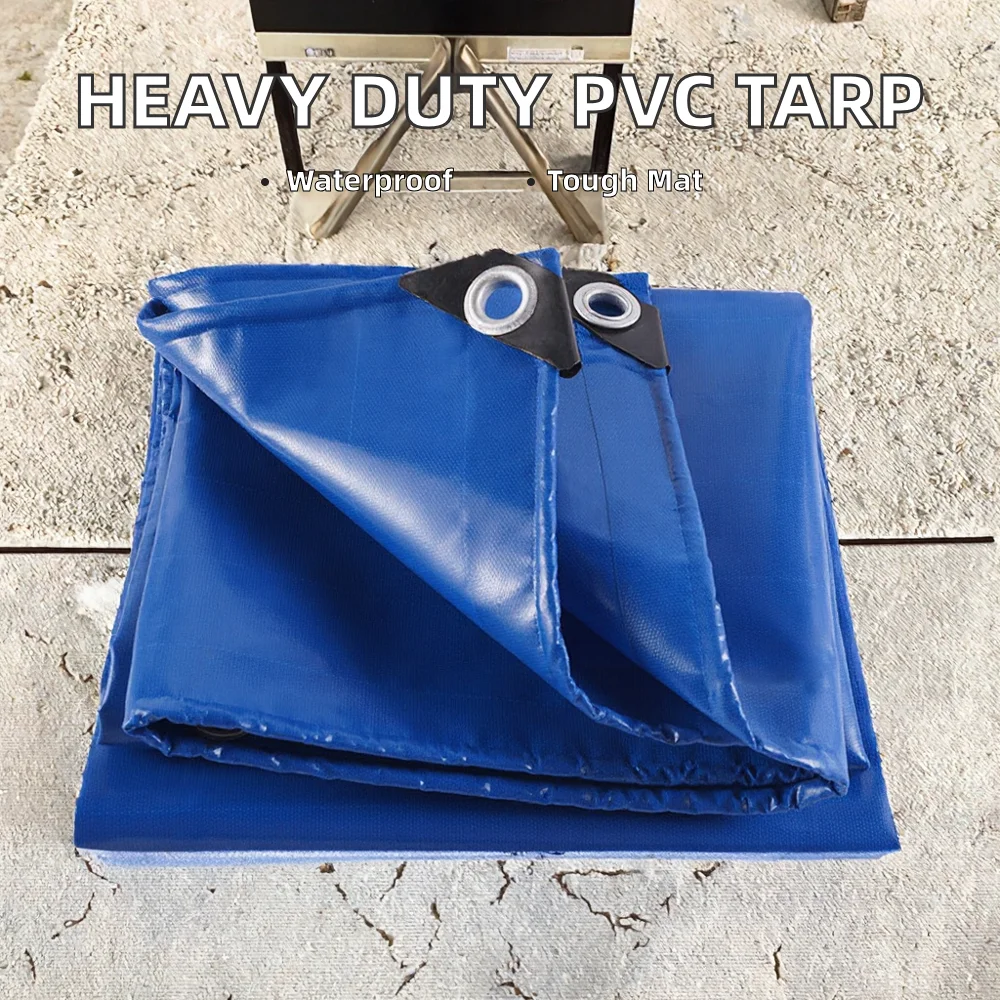
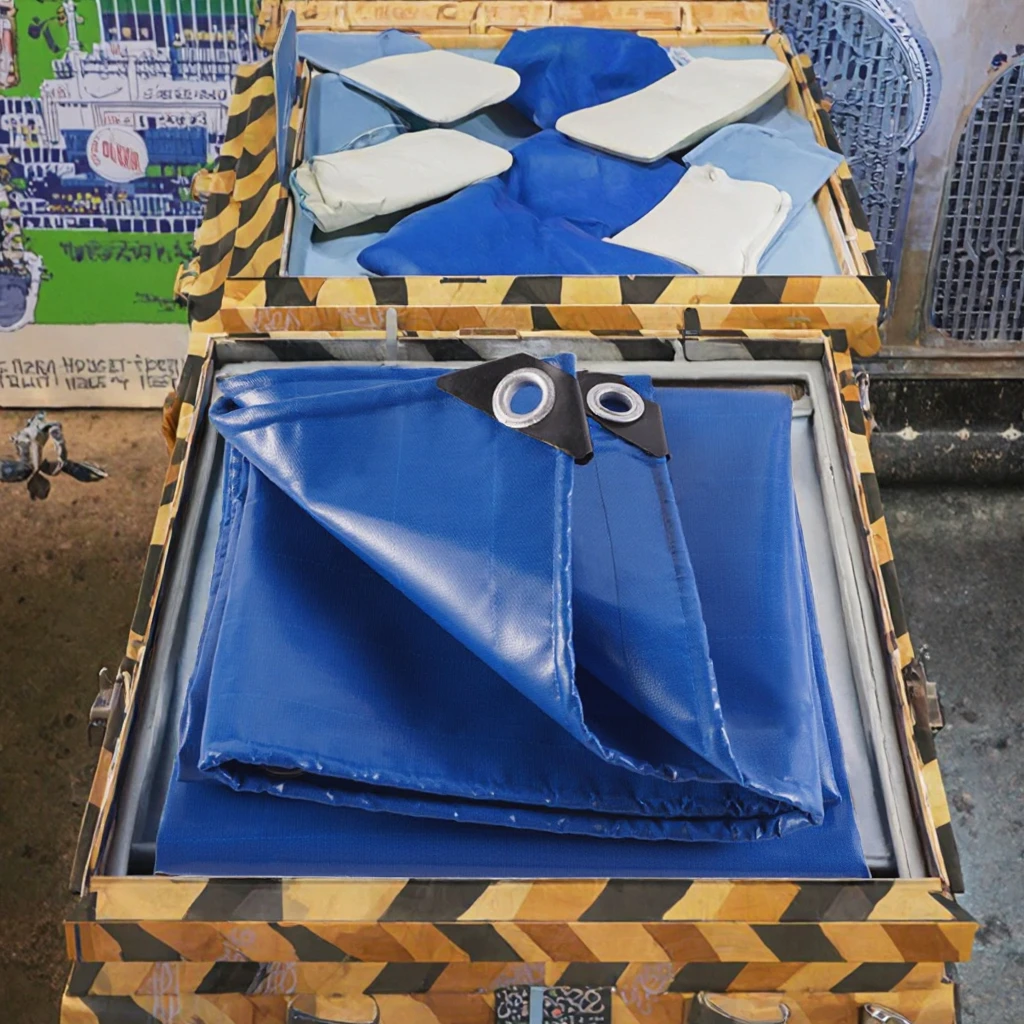
Industrial PVC Coated Tarpaulin for Truck Tent – Fire Retardant
Coating Consistency — Three full production lines maintain uniform PVC adhesion across every roll, critical when ventilation ducts or inflatable structures demand reliable weld seams without delamination under flex.
Technical Specifications
| Parameter | Value |
|---|---|
| Product Type | PVC Coated Tarpaulin |
| Base Material | PVC + High-strength polyester mesh fabric |
| Coating Material | PVC |
| Coating Method | Laminated technology & Hot-melt Coating technology |
| Weight (GSM) | 350gsm, 420gsm, 500gsm, 550gsm, 600gsm, 750gsm |
| Total Thickness | 0.32mm, 0.35mm, 0.4mm, 0.45mm, 0.5mm, 0.65mm |
| Roll Width | 2m / 2.1m |
| Roll Length | 75m (2m width) / 50m (2.1m width) |
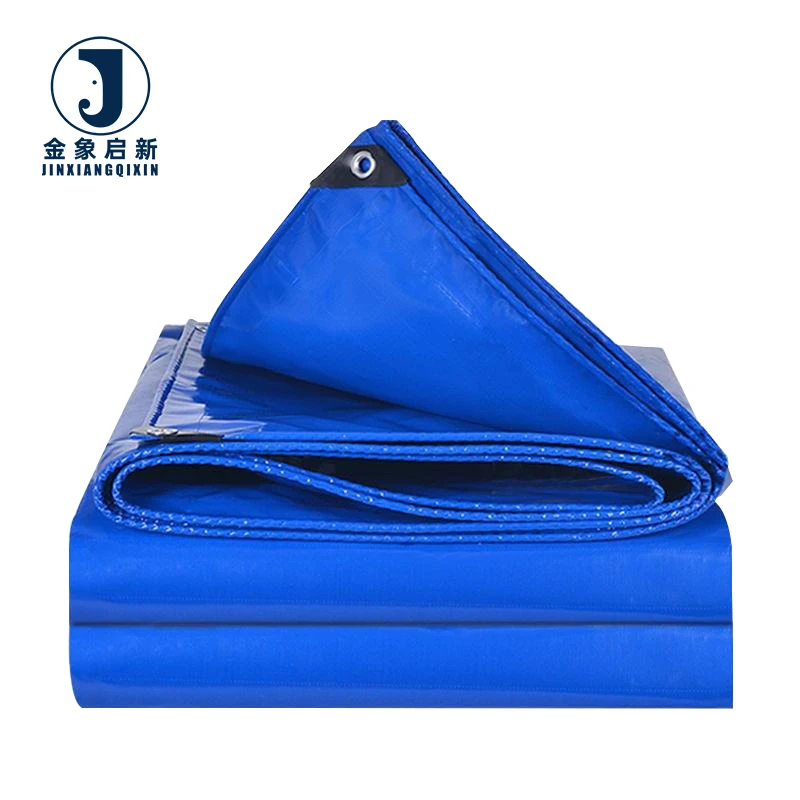
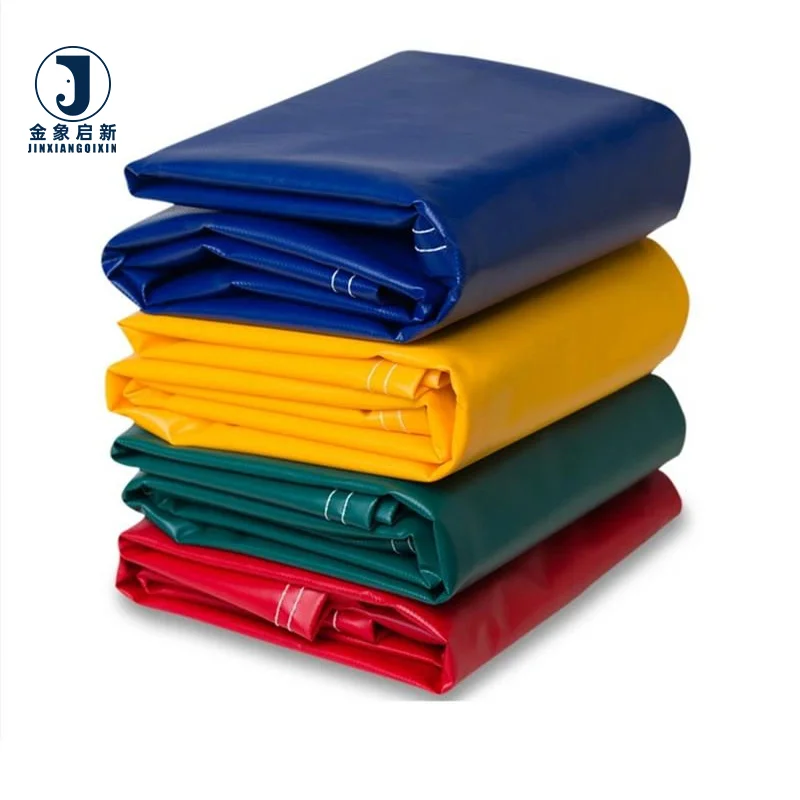
| Color Options | Blue / Red / Yellow / Light blue / Grey (Customized) |
| Waterproof | Fully waterproof coated construction |
| Anti-Mildew | Treated |
| Anti-Static | Treatment available — confirm surface resistance required for your site |
| Cold Crack Resistance | Treated |
| Flame Retardant | Available in flame retardant grades — confirm the grade required for your market |
| UV Treatment | Available with UV treatment — confirm test basis required for your application |
| Key Features | High tenacity polyester yarns, outstanding tearing strength for welding, best color fastness, custom printing available |
| Service Life | 3-7 years under normal circumstances (source value — verify against project exposure) |
| Certifications | ISO 14001, ISO 45001, CE, RoHS |
Application Suitability
| Application | Exposure & Requirement |
|---|---|
| Mining and tunnelling ventilation duct | Continuous airflow, abrasive dust, mandatory fire-retardant and anti-static compliance for underground use |
| Aviation ground ventilation duct | Fuel-rich environment, strict anti-static and flame-retardant site requirements |
| Inflatable and membrane structures | Sustained internal pressure, UV exposure, welded seam integrity under tension |
| Industrial site equipment enclosures | Chemical dust, moisture, outdoor weathering over extended deployment |
| Temporary construction covers | Wind load, rain ingress, repeated handling and relocation |
When "Fire Retardant" on the Label Is Not Enough for Site Approval
A PVC coated tarpaulin fire retardant certified for your jurisdiction must carry a test report matched to the standard your inspector will cite.
Procurement teams regularly receive material described as fire retardant, only to discover at site inspection that the grade does not align with the regulation enforced on that project. Mining operations cite specific underground safety codes. Aviation maintenance hangars reference different classifications entirely. The gap between a generic claim and a verifiable grade is where projects stall, materials are rejected, and replacement orders consume the schedule. [NEED_CITE: fire classification standards for coated fabrics in industrial ventilation]
This PVC Coated Tarpaulin fire retardant option is available across the full GSM range, but the specific grade must be confirmed against your site’s compliance framework before production begins.
Coating Technology and Its Effect on Weld Integrity
The laminated and hot-melt coating methods used on this PVC coated tarpaulin determine how the PVC layer bonds to the high-strength polyester mesh base. Hot-melt coating forces PVC into the weave under heat and pressure, producing higher adhesion strength at the interface. Laminated construction bonds pre-formed PVC films to the base fabric. Both methods are available, and the choice affects how the fabric behaves at welded seams — the point where ventilation ducts and inflatable structures most frequently fail. A strong coating-to-yarn bond means the heat-welded joint distributes load into the base fabric rather than peeling apart at the coating boundary.
Anti-Static Treatment for Enclosed Industrial Environments
In underground mining ventilation and aviation duct applications, static charge accumulation on duct surfaces presents a documented ignition risk. This PVC coated tarpaulin offers anti-static treatment as an option, but surface resistance values and test methods must be verified against the specific standard your site enforces. Enclosed or humid environments compound the challenge — moisture levels fluctuate, and anti-static additives must perform across that range. Requesting the test report before production allows your safety officer to confirm compliance without delaying installation. [NEED_CITE: anti-static testing methods for ventilation duct fabrics in mining]
Reading GSM and Thickness Together for Structural Decisions
Weight in GSM and total thickness in millimetres are often treated as interchangeable indicators of strength, but they describe different properties. GSM reflects the mass of base fabric plus coating per square metre — a heavier grade generally means denser polyester yarns and more PVC, contributing to tensile and tear resistance. Thickness indicates the distance between outer coating surfaces, which influences stiffness and how the fabric handles during fabrication. A 550gsm grade at 0.45mm thickness will behave differently at the weld bench than a 600gsm grade at the same thickness if the base fabric weave density differs. For ventilation ducts, stiffness affects how the duct holds shape under negative pressure. For membrane structures, flexibility determines how the fabric conforms to curved frames. Select the grade by matching both values to the mechanical demands of the finished product, not by either number alone.
The Cost of Specifying the Wrong Grade for the Application
Choosing a lighter GSM grade to reduce material cost creates downstream expenses that are not visible at the quotation stage. A ventilation duct operating under constant negative pressure will flex continuously; if the base fabric lacks sufficient tear strength for that cycling, micro-tears propagate from the weld line outward. Similarly, specifying flame retardant treatment without confirming the grade leads to rejection at the compliance audit — the material is removed, the duct is rebuilt, and the project absorbs both the replacement cost and the schedule delay. Batch colour variation across rolls in the same shipment becomes visible once panels are installed side by side on a membrane structure, forcing selective replacement. These failures share a common root: specification decisions made without aligning material properties to the actual exposure conditions. [NEED_CITE: coated fabric failure modes in industrial ventilation applications]
Why Source This Fabric Through Jinxiang
Nearly 30 years of focused coated fabric production means process parameters for PVC adhesion and coating weight are controlled at every stage, not adjusted reactively. Three full production lines and 36 sets of professional equipment support bulk orders with consistent roll-to-roll quality — critical when a ventilation duct project requires multiple rolls matched in colour and thickness. The 10-person R&D team develops samples within days for custom widths, colours, and treatment combinations, allowing you to test weld parameters on actual production material before committing the full order. Dedicated QA/QC at every production stage with 100% inspection before shipment catches coating weight deviations and colour variation before rolls leave the facility. ISO 14001 and ISO 45001 certified processes ensure environmental and occupational safety compliance is documented, not assumed.
Documentation & Verification
- Material specification sheet stating GSM, base fabric denier, coating method, and colour reference for every roll
- Test report for flame retardant grade where applicable, matched to the standard cited on your project
- Anti-static surface resistance test report when treatment is specified for mining or aviation duct use
- Pre-shipment inspection record confirming coating weight, colour consistency, and dimensional accuracy
- ISO 14001, ISO 45001, CE, and RoHS certificates included with documentation pack
- Certificate of origin and customs documentation for international project delivery
Fabrication, Handling & Storage
- Hot-melt coated grades tolerate higher heat-weld temperatures, improving seam strength on ventilation duct joints
- Laminated grades require lower weld heat settings to avoid delamination at the PVC-to-base-fabric interface
- Store rolls upright on pallets to prevent flat-spot creases that transfer into finished membrane panels
- Allow cold-stored rolls to reach ambient temperature before unrolling to protect cold crack resistant coating
- Cut patterns accounting for 2m or 2.1m roll widths to minimise weld seams on large duct sections
- Clean with mild detergent only; avoid solvents that degrade the anti-mildew treatment surface layer
What to Include With Your Enquiry
To move from specification to sample efficiently, provide the application type — ventilation duct, inflatable structure, or industrial enclosure — along with the exposure conditions your site presents. State the fire-retardant or anti-static standard your compliance officer requires, so the correct treatment grade is applied from the first sample. Indicate roll width preference, annual volume estimate, and whether you need finished panels with welded seams or raw roll stock for in-house fabrication. If colour matching to existing structures is necessary, provide a reference sample or RAL code for lab development.
Frequently Asked Questions
Q: What fire-retardant grade does this PVC tarpaulin carry, and does it meet mining or aviation standards?
A: Flame retardant treatment is available across the full GSM range, but the specific grade must be matched to the standard enforced at your site. Mining underground ventilation typically cites different classifications than aviation maintenance facilities. Request the test report during sampling so your safety team can verify compliance before full production is committed.
Q: How is anti-static performance measured and certified for this fabric?
A: Anti-static treatment is applied during coating, and surface resistance is measured according to the applicable test standard. The specific measurement method and acceptable range depend on your site’s regulatory framework. We supply the test report with shipment so your compliance documentation is complete for site inspection and audit purposes.
Q: Which GSM and thickness grade is suited to ventilation duct versus membrane structure applications?
A: Ventilation ducts under continuous negative pressure generally require higher GSM grades with sufficient stiffness to resist collapse, while membrane structures prioritise flexibility for curved frames. Both the GSM and thickness values should be evaluated together against the mechanical demands of your specific design. Samples in multiple grades allow direct comparison.
Q: Can the fabric be heat-welded, and what seam strength can be expected?
A: Both laminated and hot-melt coated grades are designed for heat welding, with outstanding tearing strength at the weld line as stated in the material specification. Hot-melt coated fabric typically achieves higher adhesion at the seam. We recommend testing weld parameters on sample material to establish the temperature and dwell time that produce optimal joint strength for your equipment.
Q: What compliance documentation is supplied with shipment for site inspection?
A: Each shipment includes the material specification sheet, applicable flame retardant or anti-static test reports, pre-shipment inspection record, ISO and CE certificates, certificate of origin, and customs support documentation. If your project requires additional certification specific to a regional standard, confirm the requirement at the enquiry stage so it is prepared before dispatch.