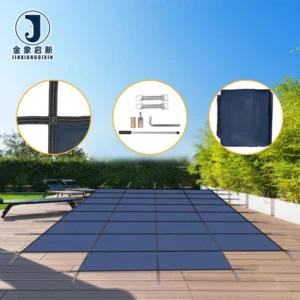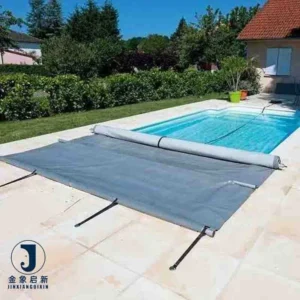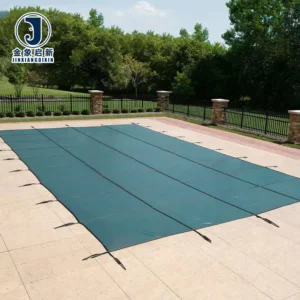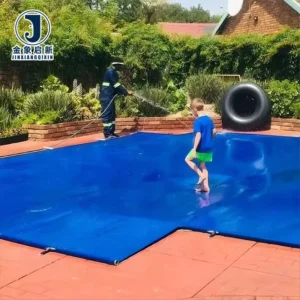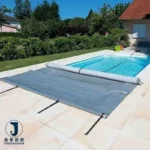
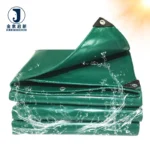
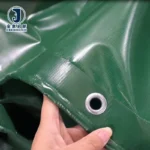
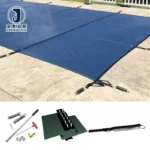
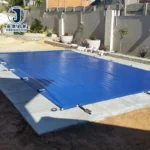
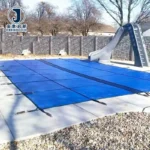
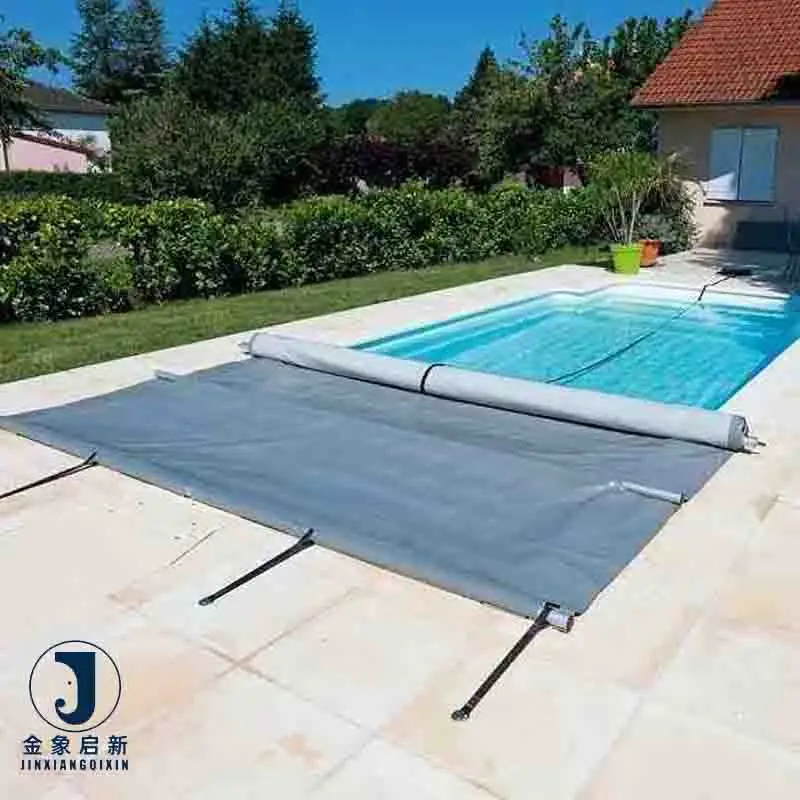
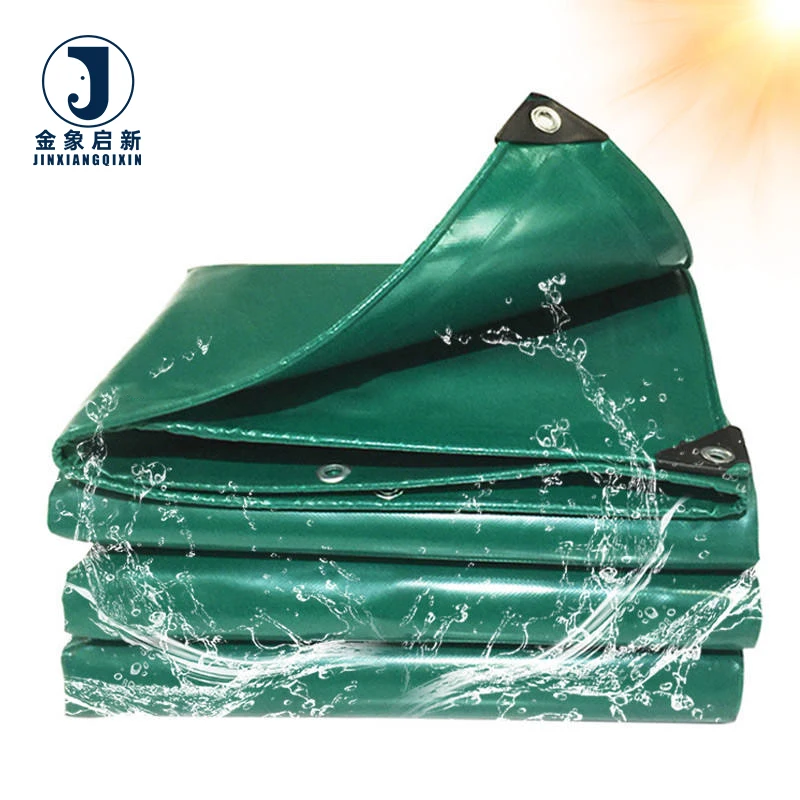
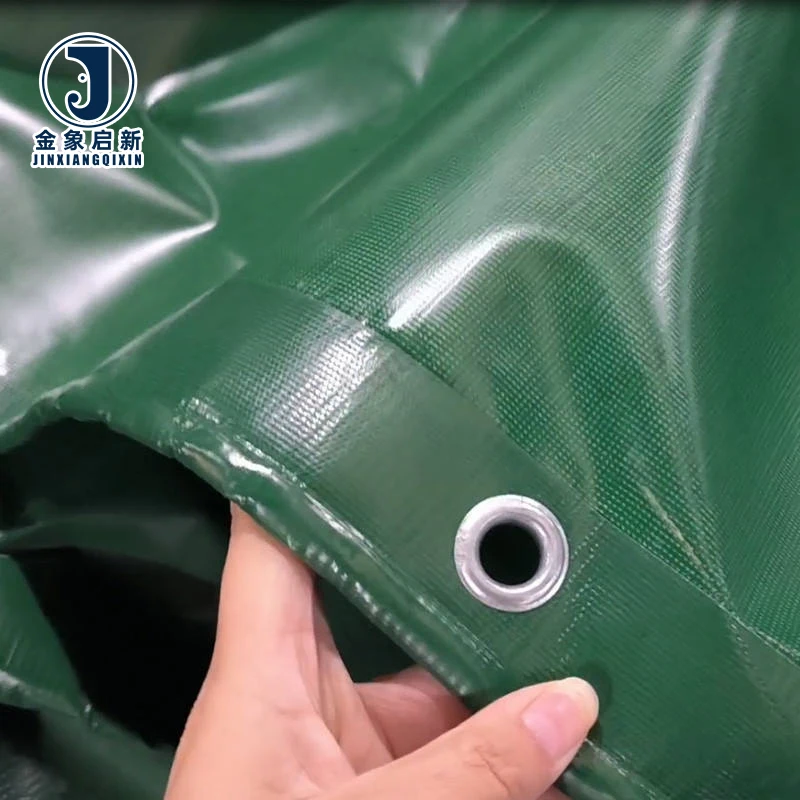
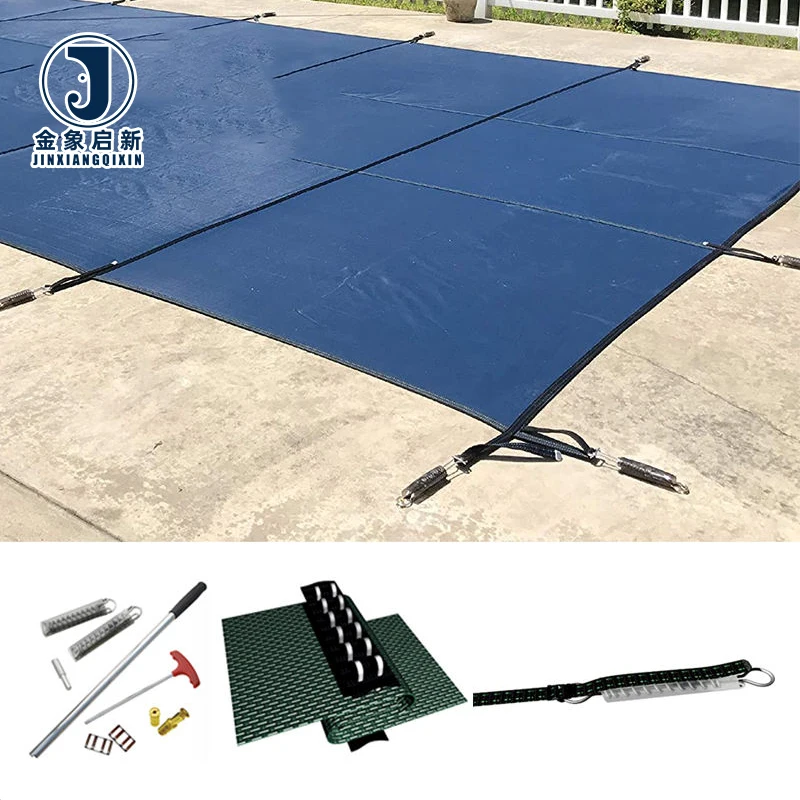
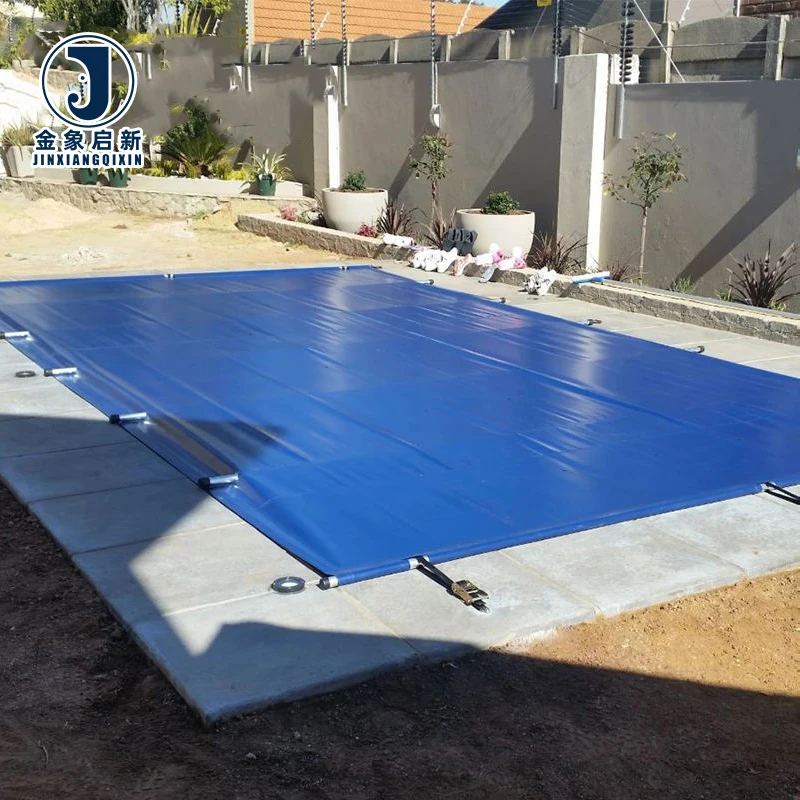
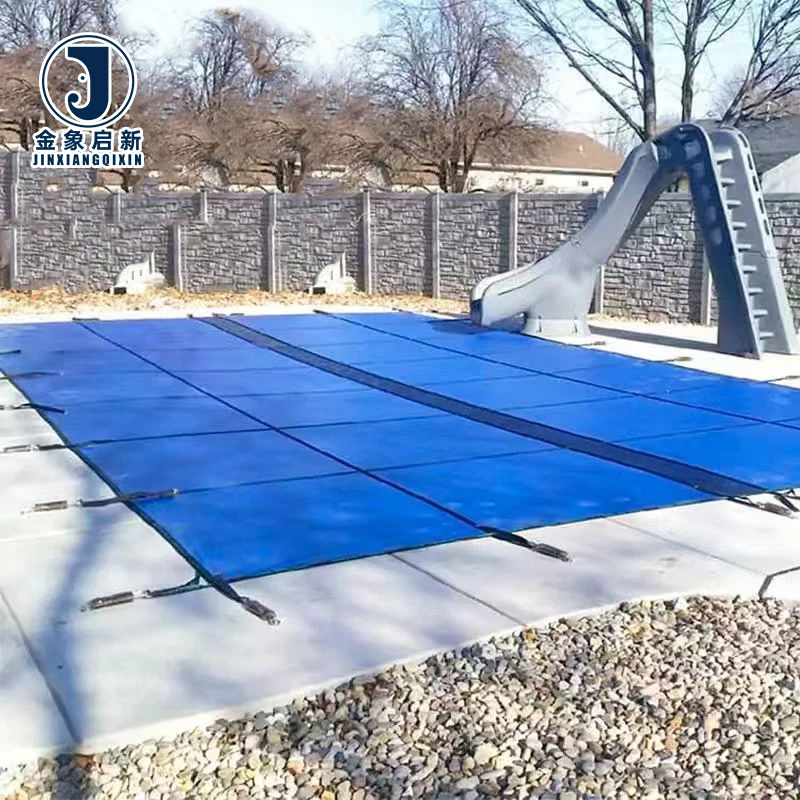
Proven Coating Process Control — Our knife coated PVC fabric for pool covers is backed by nearly 30 years of process refinement, delivering consistent coating weight and verified material documentation you can audit before the fabric reaches your site.
Technical Specifications
| Parameter | Value |
|---|---|
| Product Type | PVC Coated Tarpaulin |
| Coating Method | Knife coated |
| Coating Material | PVC |
| Waterproof Performance | 100% waterproof |
| UV Resistance | UV resistant (test basis not stated in source) |
| Surface Property | Anti-mildew, easy clean |
| Weather Resistance | Suitable for rain, wind, snow and extreme temperatures |
| Tear Resistance | High strength and tear resistant |
| Custom Size | Available |
| Custom Color | Available |
Application Suitability
| Application | Exposure & Requirement |
|---|---|
| Residential swimming pools | Seasonal debris, standing water, UV exposure, manual cover handling |
| Hotel and resort pools | Year-round chemical exposure, high guest turnover, off-season closure protection |
| Outdoor commercial pools | Wind load, temperature extremes, heavy rain accumulation, prolonged sun exposure |
Why "Waterproof" Is Not Enough When Sourcing PVC Pool Cover Tarpaulin
A waterproof label tells you the fabric keeps water out — it says nothing about what happens to the material itself after one summer of UV exposure and poolside chemical contact.
I have seen PVC pool cover tarpaulin arrive on site looking perfect, only for the buyer to discover the coating had become brittle and cracked within a single season because the UV treatment was claimed on the quotation but never backed by a test report. Without documented evidence of the anti-aging formulation, you are installing a cover that degrades on a timeline you cannot predict. Pool environments concentrate the worst conditions for coated fabric: chlorine off-gassing, humidity trapped under the cover, and direct overhead sun with no shade for months at a time. [NEED_CITE: UV degradation test methods for coated fabrics per ISO 4892]
How Knife Coating Secures the Waterproof Barrier
The knife coated construction of this PVC pool cover tarpaulin fabric forces a consistent PVC layer onto the base fabric under controlled pressure and temperature. Unlike dip-coated or laminated alternatives, knife coating builds the coating weight in a measured, repeatable pass that fills the weave structure completely. This eliminates pinholes and thin spots where water can migrate through to the base yarn, which is the most common failure point in budget pool covers. The result is a fully waterproof coated construction that maintains its barrier integrity even when the cover sits under standing water for extended periods.
Anti-Mildew Treatment in High-Humidity Pool Environments
Pool covers trap moisture between the water surface and the fabric underside, creating a condensation layer that encourages mold and mildew growth. The anti-mildew surface treatment on this fabric addresses that specific failure mode, preventing biological growth that stains the cover and weakens the coating adhesion over time. For hotel and resort operators closing pools for the off-season, this means the cover can be removed in spring without the need for aggressive chemical cleaning that would itself damage the PVC layer. The easy-clean surface property allows routine rinsing to remove debris residue without specialised cleaning agents. [NEED_CITE: mildew resistance testing standards for coated textiles]
Reading the Specification Sheet Beyond the Headline Claims
The knife coating method is the defining process choice here — it controls how much PVC sits on the fabric surface and how deeply it penetrates the weave. A heavier coating weight improves waterproof reliability but adds roll weight, which affects handling on site during cover installation and removal. The base fabric denier and weave density determine the tensile and tear resistance independently of the coating, which is why two fabrics with identical coating weight can perform very differently under wind load. UV resistance without a stated test basis should be verified with your supplier before committing to volume; request the specific test standard and exposure duration so you can compare grades objectively. The anti-mildew treatment is a surface-level formulation that interacts directly with the PVC coating chemistry — confirm compatibility if you plan to apply aftermarket cleaning products on the installed cover.
What Happens When Pool Cover Fabric Specification Is Wrong
The most expensive mistake in pool cover procurement is not a torn fabric — it is a cover that looks acceptable but fails its intended function quietly. I have seen generic PVC tarpaulin supplied for pool covers where the coating weight was sufficient for a truck curtain but the UV formulation was not designed for horizontal, full-sun exposure with reflected heat from pool water. The coating chalked and cracked within months, forcing a full replacement cycle that cost the contractor more than specifying the correct grade originally would have. For hotel projects, a cover that fails mid-season disrupts operations and triggers guest complaints that no fabric savings can justify. [NEED_CITE: common failure modes of PVC coated fabric in horizontal outdoor applications]
Why Buyers Specify This Fabric for Pool Cover Projects
Our 10-person R&D team develops custom-sized pool cover panels matched to specific pool geometries, eliminating on-site cutting and the seam failures that follow improvised fabrication. Three full production lines with 36 sets of professional equipment support the batch volumes required for commercial hotel projects without sacrificing lead time reliability. Every roll undergoes 100% inspection before shipment, catching coating inconsistencies and colour variation that would be visible once multiple panels are installed side by side over a pool. We supply the material specification sheet, test documentation and pre-shipment inspection record as standard, so your QA team can verify GSM, coating weight and treatment claims before the container leaves our facility. [NEED_CITE: ISO and CE certification scope for coated fabric manufacturing]
Documentation & Verification
- Material specification sheet stating coating method, base fabric details and colour reference
- UV and anti-mildew test reports provided where applicable to confirm treatment claims
- Pre-shipment inspection record with 100% QA verification before dispatch
- ISO and CE certificates available for project compliance review
- Roll packing list with individual roll identification for traceability
Fabrication, Handling & Storage
- Heat-weld seams at recommended temperature to match knife coated PVC adhesion properties
- Store rolls horizontally on pallets to prevent compression marks on the coating surface
- Allow fabric to acclimatise before unfolding in cold weather to avoid coating stress cracking
- Use PVC-compatible cleaners only to preserve the anti-mildew surface treatment formulation
- Plan cut panels from roll width to minimise off-cuts and cross-grain seam joints
What We Need to Prepare Your Quotation
Provide the pool dimensions and whether the cover will be secured by a track system, anchor points or weighted edge so we can recommend the appropriate panel sizing and edge treatment. Confirm your local fire safety or building code requirements for pool covers in your market, as this determines whether a fire-retardant grade is necessary. Let us know the target colour, annual volume and whether you require roll stock or finished cut-to-size panels with reinforced edges.
Frequently Asked Questions
Q: How is UV resistance verified for this pool cover fabric?
A: Our UV resistant formulation is designed for prolonged sun exposure in horizontal outdoor applications. We recommend requesting the specific test basis and exposure duration documentation for your project file so you can confirm the grade matches your local climate conditions and expected service environment before placing a volume order.
Q: Can the fabric be supplied in fire-retardant grades for pool safety compliance?
A: Fire-retardant grades are available upon request for markets where local pool safety regulations or building codes require certified cover materials. Specify the standard required in your region when inquiring so we can confirm grade availability, provide the relevant test report and include it with your shipment documentation.
Q: How is custom sizing handled for non-standard pool shapes?
A: Our R&D team prepares cut-to-size panels based on the pool dimensions and shape details you provide, including radius corners and step-out sections. Panels are cut and edge-finished at our facility so the cover arrives ready for installation without on-site modification that could compromise the waterproof coating integrity.
Q: What documentation ships with each order?
A: Each shipment includes a material specification sheet, pre-shipment inspection record, roll packing list with individual roll identification, and ISO and CE certificates. UV or fire-retardant test reports are included where applicable based on the grade specified at the quotation stage of your order.
Q: How does the anti-mildew treatment perform under a closed pool cover?
A: The anti-mildew surface treatment is formulated for the high-humidity, condensation-prone environment that forms between the pool water surface and the cover underside. It resists biological growth that would otherwise stain the fabric and degrade coating adhesion over extended closure periods typical of seasonal hotel and residential pool management.