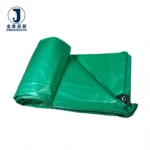
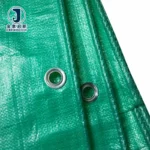
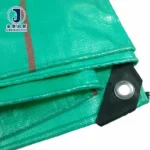
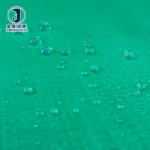
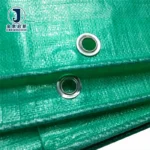
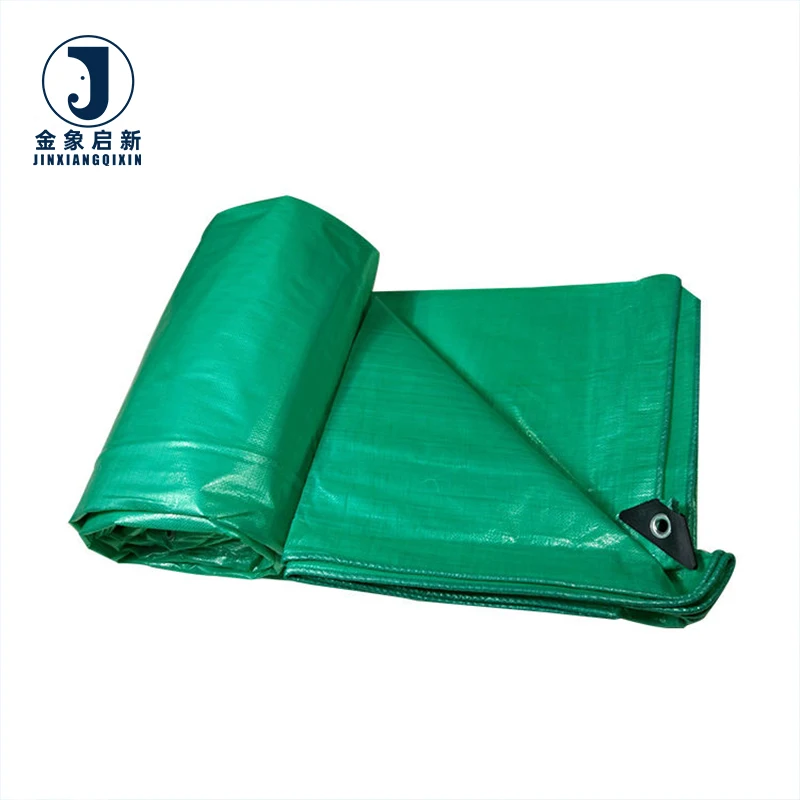
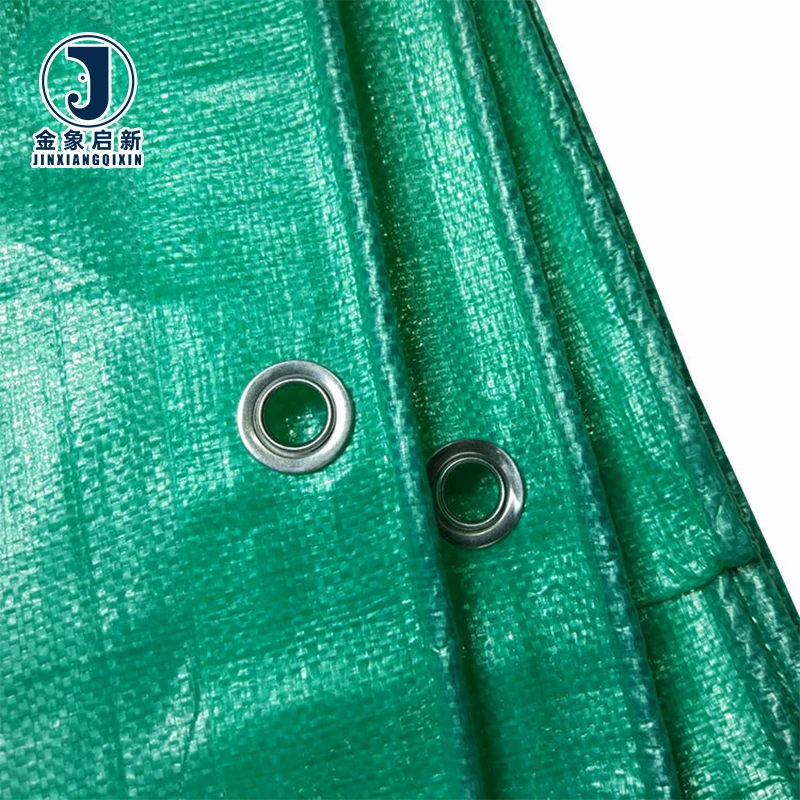
Process Control Over Coating Weight — every roll of PE tarpaulin is matched to its specified weave density and lamination weight, verified against the material specification sheet before dispatch.
Technical Specifications
| Parameter | Value |
|---|---|
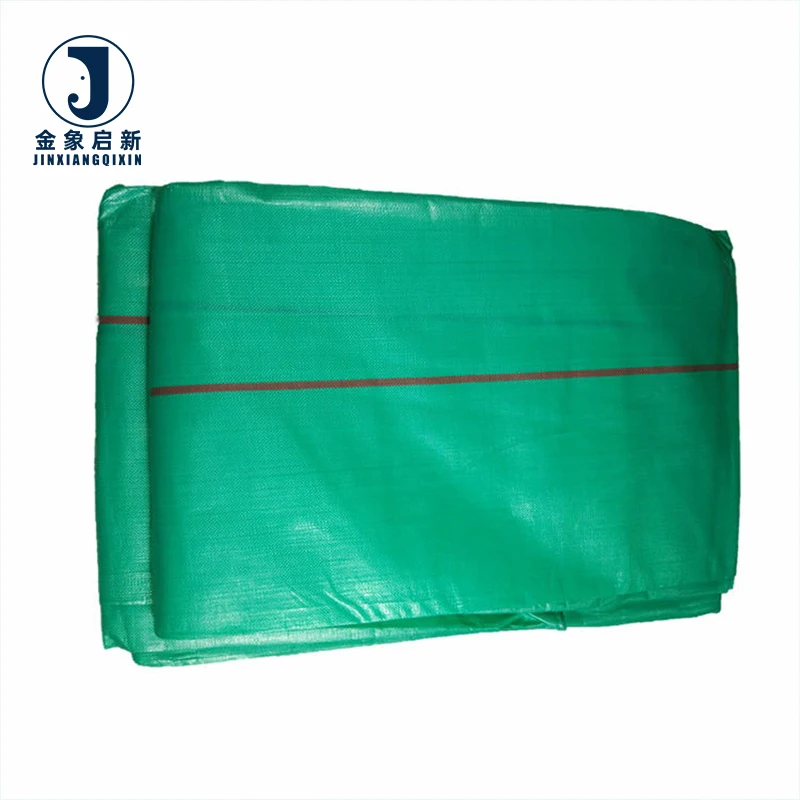
| Product Type | PE Tarpaulin |
| Base Fabric | HDPE woven |
| Coating Material | LDPE |
| Coating Method | Laminated on both sides |
| Weight (GSM) | 50gr/m2 ~ 220gr/m2 available (range covers product family — confirm the grade for this item) |
| Total Thickness | 0.2–0.4 mm / 8 mil–16 mil / Custom |
| Mesh Count Options | 6×6, 6×7, 7×7, 7×8, 8×8, 9×9, 8×10, 10×10, 12×12, 14×14, 14×16 weave |
| Roll Width | 6ft, 8ft, 10ft, 12ft or 2m, 4m, 6m |
| Roll Length | 100 yards, 100 meters, or custom |
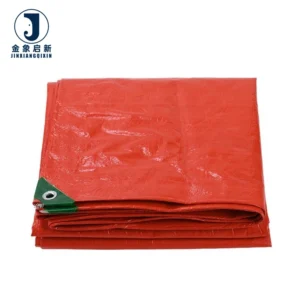
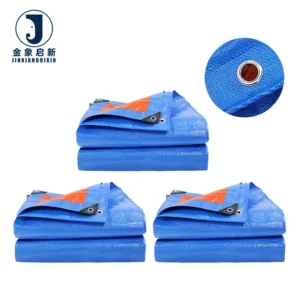
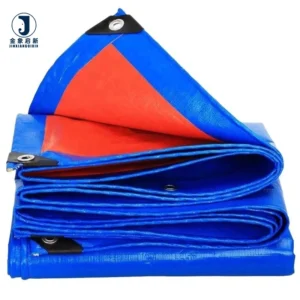
| Color | Blue, Blue/Orange, Green, Grey, Black, Clear, Grey/Green, Orange, or custom |
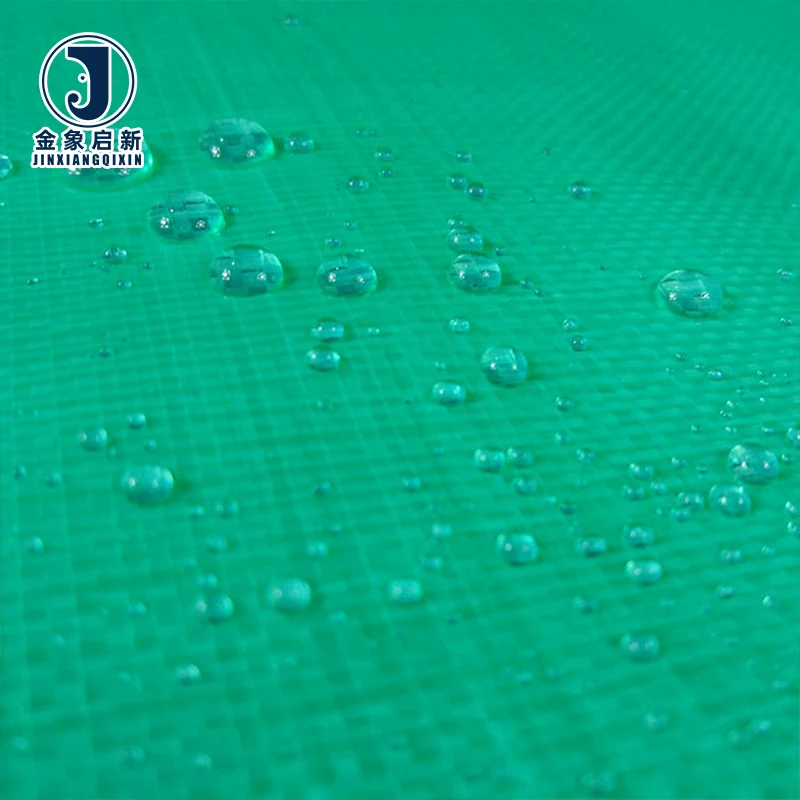
| Waterproof | Yes |
| UV Treatment | Available (test basis not stated) |
| Mildew Proof | Yes |
| Anti-aging | Yes |
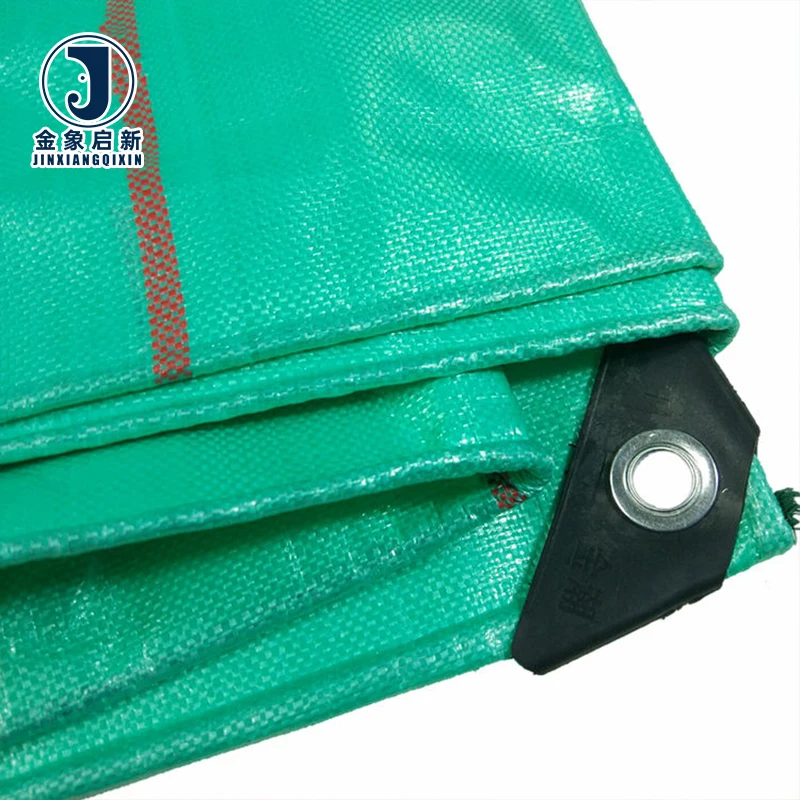
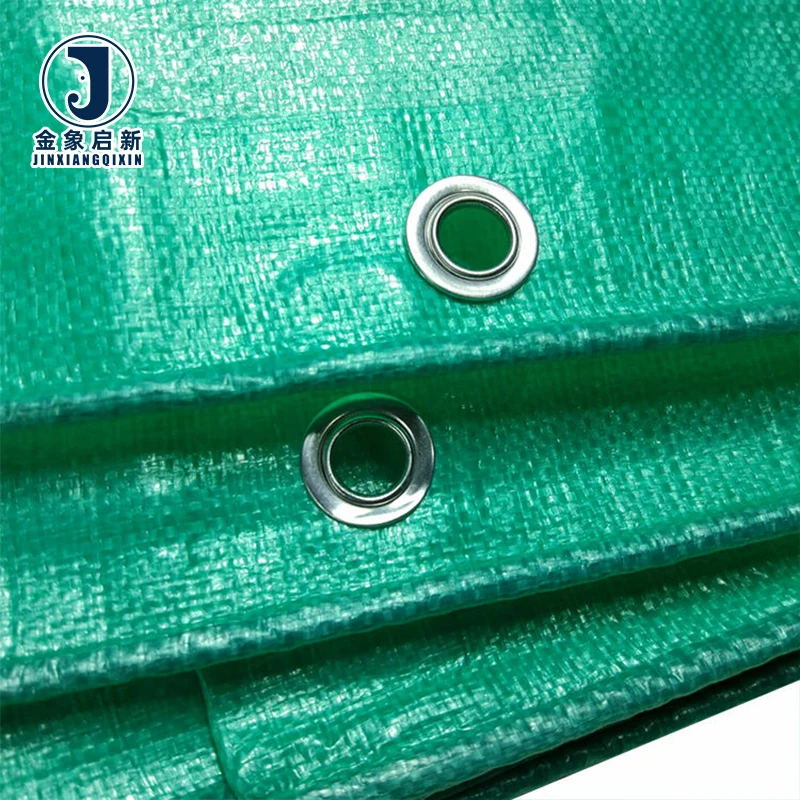
| Eyelet & Hem | PP rope reinforced hem, galvanized eyelets every 3ft / 1m, reinforced plastic corners |
| Finished Sizes | 2x2m to 8x10m and corresponding ft sizes |
| Printing | Custom brand printing available |
| Certification | ISO, CE |
Application Suitability
| Application | Exposure & Requirement |
|---|---|
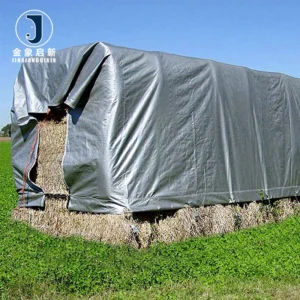
| Agricultural stockpile and crop covers | Prolonged sun exposure, moisture, wind uplift — requires UV-stabilised and waterproof membrane |
| Pond and reservoir liners | Permanent water contact, soil chemistry, puncture from substrate — demands pinhole-free lamination |
| Construction scaffolding enclosure | Abrasion against steel tubes, wind load, rain ingress — needs tear-resistant base fabric with reinforced eyelets |
| Truck and flatbed load covers | Road debris impact, tie-down strap tension, repeated folding — requires high-tensile weave and hem reinforcement |
| Timber and hay storage covers | Ground moisture, fungal growth, seasonal temperature swings — benefits from mildew-proof and anti-aging formulation |
Why Weave Density Matters More Than GSM Alone When Sourcing PE Tarpaulin Roll Wholesale Bulk
GSM tells you how much material is there; weave density tells you how that material is structured to resist tearing and tension.
Buyers frequently specify a target GSM and assume the fabric will perform accordingly. In practice, two rolls at the same GSM can behave very differently if one uses a loose 6×6 weave with heavier coating to reach the weight, while the other uses a tighter 10×10 weave with less coating. The tighter weave distributes load across more yarns, slowing tear propagation. The looser weave relies on coating thickness, which can crack under repeated flexing. [NEED_CITE: relationship between mesh count and tear propagation in woven polyethylene fabrics]
For PE tarpaulin roll wholesale bulk buyers managing multiple container orders, this distinction determines whether the material survives its intended service life or generates claims from downstream users who experience premature failure at stress points.
Density-to-Weight Mapping Across the Full Product Range
Sourcing PE tarpaulin roll wholesale bulk across diverse applications requires a clear understanding of how density grades map to functional performance. The 6×6 and 6×7 weaves sit at the lighter end of the range, suited to temporary covers where weight and cost are primary concerns. Moving through 8×8 and 9×9 weaves adds yarn count in both directions, increasing the number of load-bearing intersections per square inch. The 14×14 and 14×16 weaves represent the heaviest construction, where high yarn density works with the LDPE lamination to resist puncture and sustained tension. Selecting the correct point on this ladder avoids both under-engineering and unnecessary material cost.
Dual-Side LDPE Lamination and Its Role in Containment
The HDPE woven base provides the structural skeleton, but waterproofing and chemical resistance come from the LDPE lamination applied to both faces. This dual-side approach seals the woven structure against moisture ingress, which is critical for agricultural and aquaculture applications where the fabric is in continuous contact with water or damp substrates. [NEED_CITE: LDPE lamination adhesion test methods for woven polyethylene substrates] The lamination also creates a smooth surface that resists dirt accumulation and allows for washdown, a practical advantage for construction site covers that must be reused across multiple projects.
Reading the Specification Sheet: What Each Parameter Controls
GSM and mesh count work together rather than independently. A 10×10 weave at 100–120 gsm achieves its weight through yarn density, giving it inherent tear resistance before the lamination is even considered. A 6×6 weave reaching the same GSM would require substantially more coating, which adds weight without proportional strength gain. Roll width — available in 2m, 4m, and 6m options — directly affects fabrication waste: wider rolls reduce the number of welded seams needed to cover a given area, and each seam is a potential failure point under load. The 0.2–0.4 mm thickness range correlates with puncture resistance; thicker laminations absorb impact energy from sharp objects like timber edges or scaffolding clamps. Colour consistency across rolls in the same shipment depends on controlled pigment dosing during lamination, which is why batch reference documentation matters for projects where multiple panels are installed side by side.
The Hidden Cost of Under-Specifying Density for Your Application
Specifying a 6×6 weave for a scaffolding enclosure that will face sustained wind load and repeated handling typically leads to tears initiating at eyelet points within the first season. The sparse yarn structure cannot distribute the concentrated load from tie-down ropes, and the lamination pulls away from the base fabric at stress concentrations. [NEED_CITE: eyelet pull-through failure in low-density woven tarpaulins under sustained wind load] Similarly, using a lighter grade for pond lining risks puncture from sharp substrate features, resulting in water loss and liner replacement. These failures do not appear in sample testing because samples are not subjected to months of field stress, which is why matching weave density to the actual exposure conditions is the single most important specification decision.
Why Technical Buyers Source This Material Here
Three full production lines with 36 sets of professional equipment support consistent output across the density range, from lightweight 6×6 to heavy 14×16 weave, within a single facility. The 10-person R&D team handles custom width, colour matching, and sample development, returning samples within days rather than weeks for confirmation before bulk production rolls. Dedicated QA/QC inspection at every production stage, including 100% pre-shipment inspection, catches GSM deviation, lamination defects, and colour drift before the container is sealed. Nearly 30 years of focused coated fabric production means process parameters for each weave density are established from historical data, not trial and error on your order. Roll packing plans are prepared per container type — by roll, bale, or carton — to maximise load efficiency and protect the fabric during transit.
Documentation & Verification
- Material specification sheet stating exact GSM, base fabric weave count, and lamination type per roll batch
- Pre-shipment inspection record with 100% roll-by-roll verification before container loading
- Roll packing list with container loading plan by roll count and gross weight per configuration
- Colour reference documentation confirming pigment batch consistency across the entire shipment
- ISO and CE certificates covering the production facility and quality management system
- UV treatment test report available upon confirmation of the grade required for your market
Fabrication, Handling & Storage
- Weld seams on LDPE-laminated rolls require temperature and dwell time matched to the specific GSM and thickness of the grade ordered
- Galvanized eyelets at 1m intervals distribute tie-down load; reinforce corners with additional plastic patches on high-tension panels
- Store rolls upright on pallets in covered areas to prevent flat-spot deformation and surface abrasion between adjacent layers
- Allow cold-stored rolls to reach ambient temperature before unrolling to prevent lamination cracking at low-flex points
- Cut panels using hot-knife or sealed-edge methods to prevent HDPE yarn fraying at the cut line, especially on lighter weave densities
- Clean with mild detergent and soft brush; avoid solvent-based cleaners that can degrade the LDPE lamination surface
Specifying Your Requirement
Provide the intended application, expected exposure conditions, and the mechanical loads the fabric will face so we can recommend the appropriate weave density and GSM grade. Confirm whether you require rolls or finished tarpaulin sheets with hemming and eyelets, and specify the target market if fire-retardant or anti-static certification is needed on-site. Share your annual volume and preferred container loading configuration — by roll, bale, or carton — so we can structure pricing tiers and production scheduling accordingly. If colour consistency across multiple shipments is critical, request a physical colour standard for batch matching before production begins.
Frequently Asked Questions
Q: How do I select the right GSM and weave density for my application?
A: Start with the mechanical loads the fabric will encounter — sustained wind uplift, tie-down tension, puncture risk from sharp substrates. Higher weave densities such as 12×12 or 14×14 distribute load across more yarns and resist tear propagation better than lighter weaves at the same GSM. Share your specific use case and we will recommend the grade that matches the exposure without over-specifying material you do not need.
Q: Is UV treatment included or optional, and what test documentation is available?
A: UV treatment is available as an option across the PE tarpaulin range. The specific test basis depends on the grade and formulation selected. We recommend confirming the UV stabilisation level required for your market and exposure duration so we can supply the appropriate test report with your shipment documentation.
Q: Can rolls be supplied in custom widths and lengths beyond standard offerings?
A: Standard roll widths include 2m, 4m, and 6m with lengths at 100 yards or 100 meters. Custom widths and lengths can be produced subject to production line capability and minimum order quantities. Provide your exact dimensions and required volume so we can confirm feasibility and lead time before sampling.
Q: What reinforcement options exist for high-stress tie-down applications?
A: Standard reinforcement includes PP rope in the hem on all four edges with galvanized eyelets spaced every 3ft or 1m and reinforced plastic corners. For applications with concentrated tie-down loads, additional corner patches or closer eyelet spacing can be specified during the inquiry stage to match the actual stress profile.
Q: How is batch colour consistency maintained across multiple rolls in one order?
A: Pigment is dosed during the LDPE lamination stage using controlled formulations referenced to a colour standard. Each production batch is logged, and pre-shipment inspection includes visual comparison of rolls within the same order. Colour reference documentation accompanies the shipment so you can verify consistency on receipt.