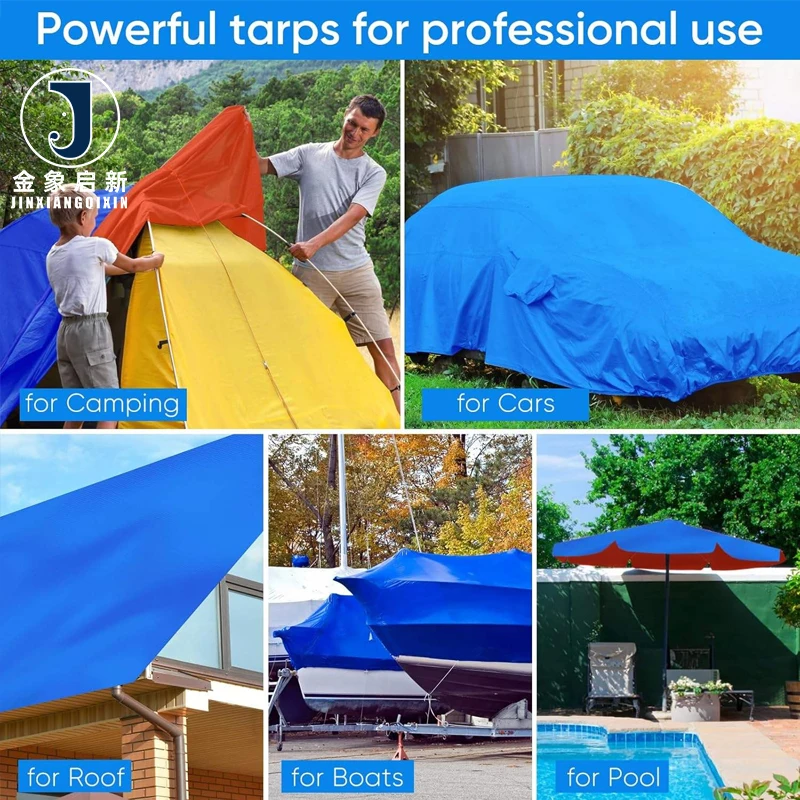
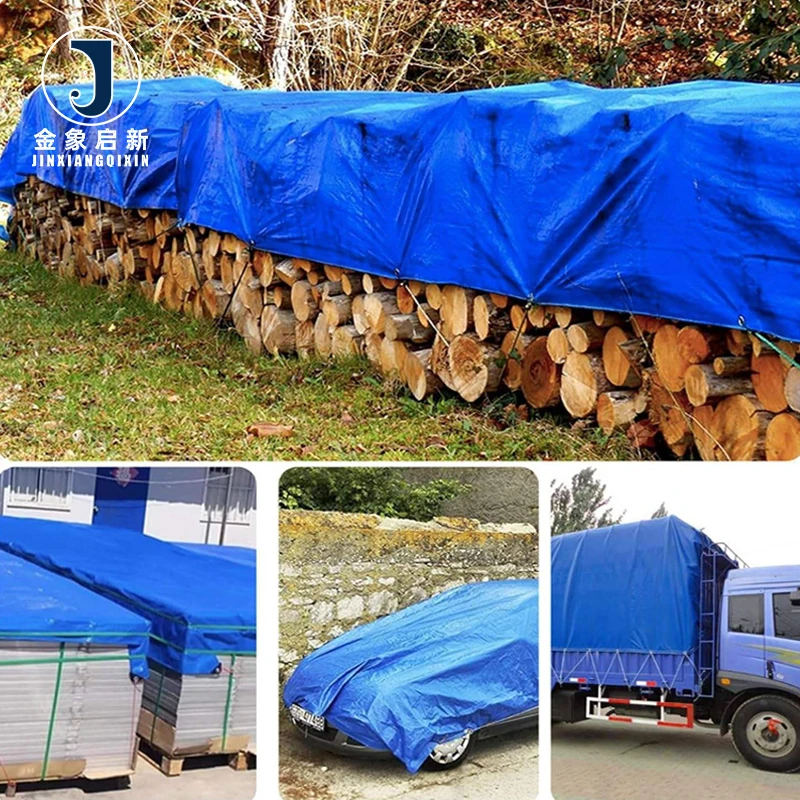
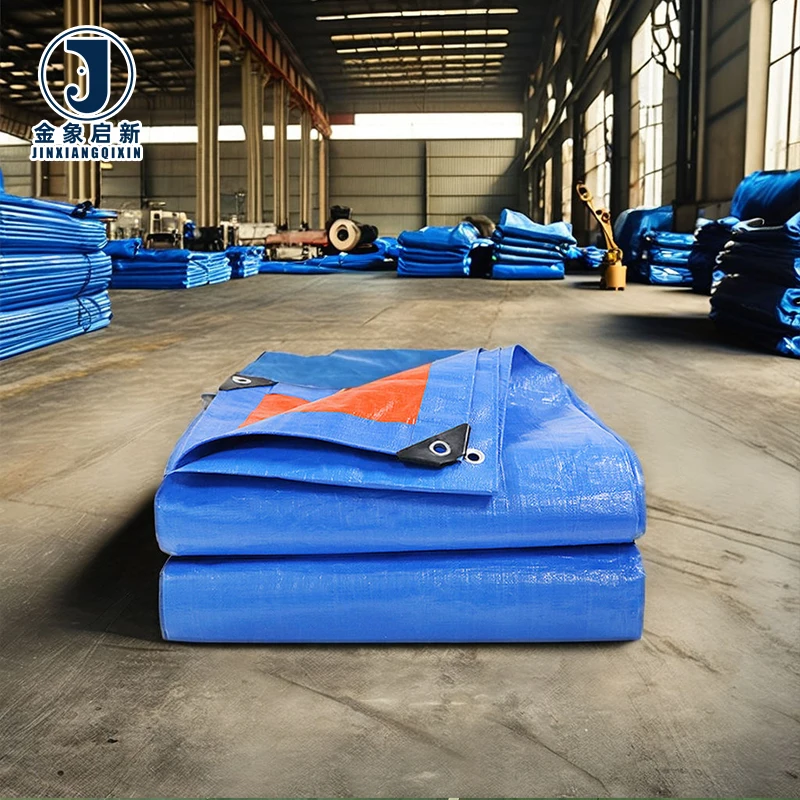
Deep Process Control Over Coated Fabric — Our three full production lines and 36 sets of professional equipment support reliable delivery of PE technical fabric engineered for ventilation duct and specialist structure applications.
Technical Specifications
| Parameter | Value |
|---|---|
| Product Type | PE Tarpaulin |
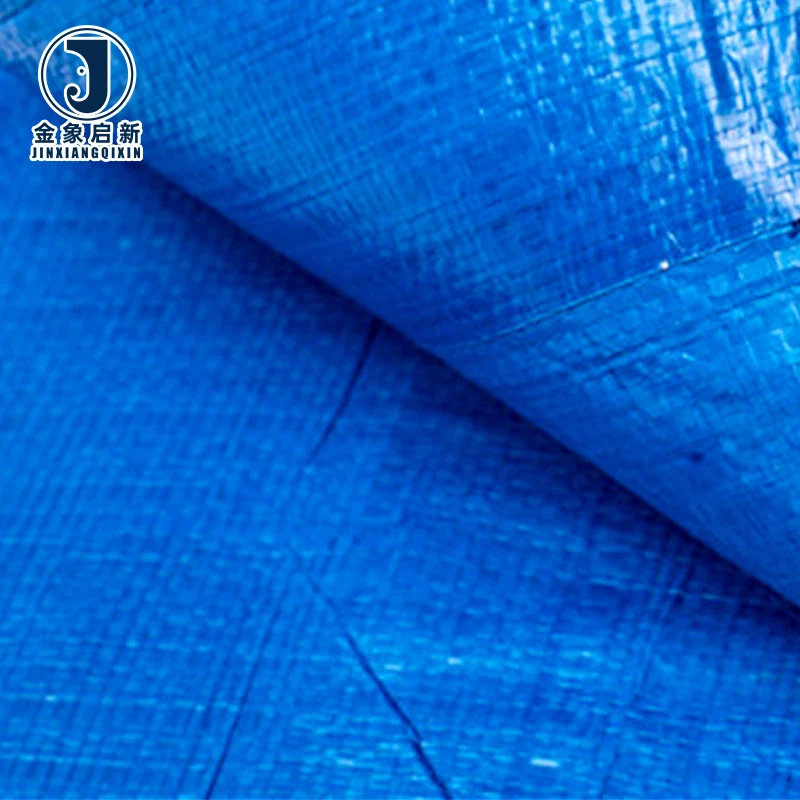
| Material | High Density Woven Polyethylene |
| Thickness Range | 0.18-0.35 mm |
| Weight Range | 40-500 g/m² (confirm the grade for your application) |
| Mesh Count | 8×8 / 10×10 / 12×12 |
| Tensile Strength | Meridian 300-1200 N/5cm / Latitude 250-1000 N/5cm |
| Water Resistance | Double waterproof surfaces |
| UV Treatment | Available (test basis available on request) |
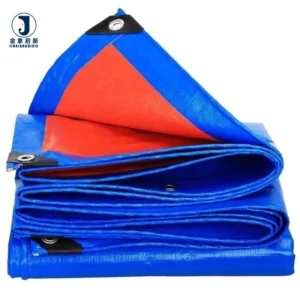
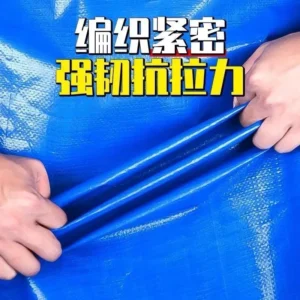
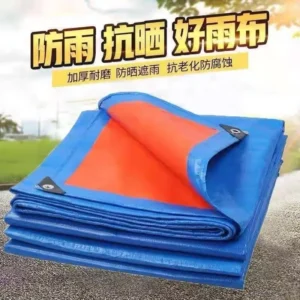
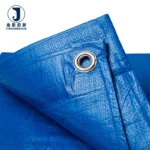
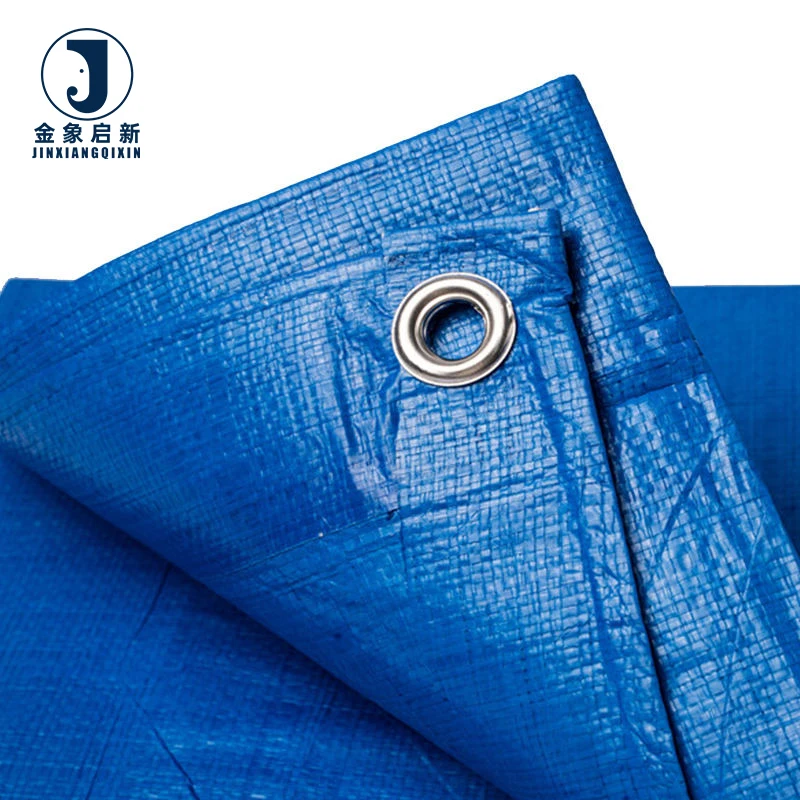
| Features | Tear-resistant, Reinforced rustproof grommets, Reinforced corners, Mildew proof, Anti-aging |
| Color | Custom color |
| Size | Custom size |
| Assembly State | Flat sheet / Cut size |
| Standards | ISO / CE |
Application Suitability
| Application | Exposure & Requirement |
|---|---|
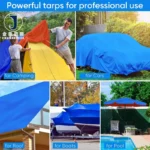
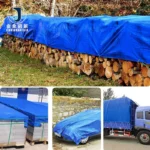
| Temporary equipment covers at tunnelling portals | Constant ground contact, abrasion from shifting machinery, heavy rainfall, need for rapid deployment |
| Material staging areas adjacent to ventilation duct runs | Continuous UV exposure, wind loading requiring secure tie-down, protection from dust and debris |
| Mining site weather protection | Harsh chemical environments, high-traffic equipment movement, demanding safety compliance standards |
| Construction site barrier screens | Public-facing visibility, sustained wind pressure, requirement for fire-retardant certification on certain sites |
Why Technical Fabric Compliance Cannot Be an Afterthought on Industrial Sites
Ventilation duct installed without matching site covers leaves critical staging zones exposed — we supply PE technical fabric grades with the compliance documentation your project audit requires.
When mobilising a tunnelling or mining operation, procurement teams often prioritise the ventilation duct specification and treat the PE Tarpaulin for ventilation and technical applications as a secondary purchase. The result is covers that arrive without the fire-retardant or anti-static certification the site safety plan mandates, forcing last-minute replacements that delay the entire setup [NEED_CITE: site safety compliance requirements for temporary covers on mining operations]. We integrate the PE technical fabric specification into the same procurement workflow as the duct, ensuring both product streams meet the compliance threshold before they leave the factory.
Matching the Fabric Grade to the Installation Environment
Selecting the correct PE Tarpaulin for ventilation and technical applications begins with understanding the mechanical load the fabric will bear. Equipment covers deployed at tunnel portals face puncture risks from sharp-edged machinery components, demanding a higher mesh count and heavier grade. Conversely, barrier screens suspended from scaffolding require tensile strength to resist wind loading but may use a lighter construction if fire-retardant treatment is the primary specification concern.
How Site Safety Plans Dictate Material Specification
Mining and aviation environments often specify anti-static or fire-retardant covers as part of the site safety documentation package. The PE technical fabric must carry a verifiable test report matching the standard cited in the project safety plan [NEED_CITE: fire-retardant and anti-static standards for industrial covers in mining environments]. Without this documentation at the point of delivery, the material fails the site induction check regardless of its actual performance characteristics.
Decoding Mesh Count, Weight and Their Combined Effect on Field Performance
The mesh count — whether 8×8, 10×10, or 12×12 — determines the base fabric density, which works together with the PE coating weight to define the overall tear resistance and tensile strength. A higher mesh count provides more yarn intersections per square centimetre, distributing load across a wider area when the fabric is punctured or placed under tension. However, mesh count alone does not determine durability; the coating thickness, ranging from 0.18 to 0.35 mm across the product family, governs waterproofing integrity and abrasion resistance at contact points. Specifiers evaluating PE Tarpaulin for ventilation and technical applications should cross-reference both the mesh count and the total weight per square metre against the mechanical demands of their specific installation rather than relying on a single figure.
The Cost of Grade Misalignment on Technical Projects
Ordering a lightweight grade for an application that demands heavy-duty performance results in early fabric failure at stress points — typically where grommets bear the tie-down load or where the material flexes over equipment edges. Equally problematic is specifying fire-retardant treatment without confirming the exact grade the site requires; a test report citing a standard different from the one in the project safety documentation renders the material non-compliant at audit [NEED_CITE: consequences of non-compliant fire-retardant certification on industrial projects]. Batch colour variation across multiple sheets, when installed side by side as barrier screens, also triggers visual rejection on public-facing construction sites, necessitating full replacement rather than localised repair.
Why Specialist Contractors Source PE Technical Fabric Here
Our 10-person R&D team develops custom PE Tarpaulin for ventilation and technical applications sized to your project drawing, not a generic catalogue dimension. Every roll undergoes dedicated QA/QC at each production stage, with 100% inspection before shipment against the agreed specification sheet. Three full production lines give us the bulk capacity to supply both ventilation duct and matching site covers in a single consolidated dispatch [NEED_CITE: integrated supply of ventilation duct and technical covers for project mobilisation]. We provide the material specification sheet, test reports and compliance documentation as a complete package, eliminating the gap between what was quoted and what arrives at the site gate.
Documentation & Verification
- Material specification sheet confirming GSM, mesh count and coating thickness per roll
- Test report for UV and flame-retardant grades where project specification requires certification
- ISO and CE certificates included in the shipment documentation package
- Pre-shipment inspection record verifying roll dimensions and visual quality
- Roll packing list cross-referenced against the purchase order line items
Fabrication, Handling & Storage
- Heat welding parameters must match the PE coating thickness to prevent seam delamination under tension
- Reinforced corner patches distribute grommet load across multiple mesh intersections on heavy-grade sheets
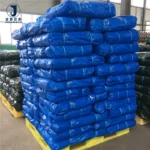
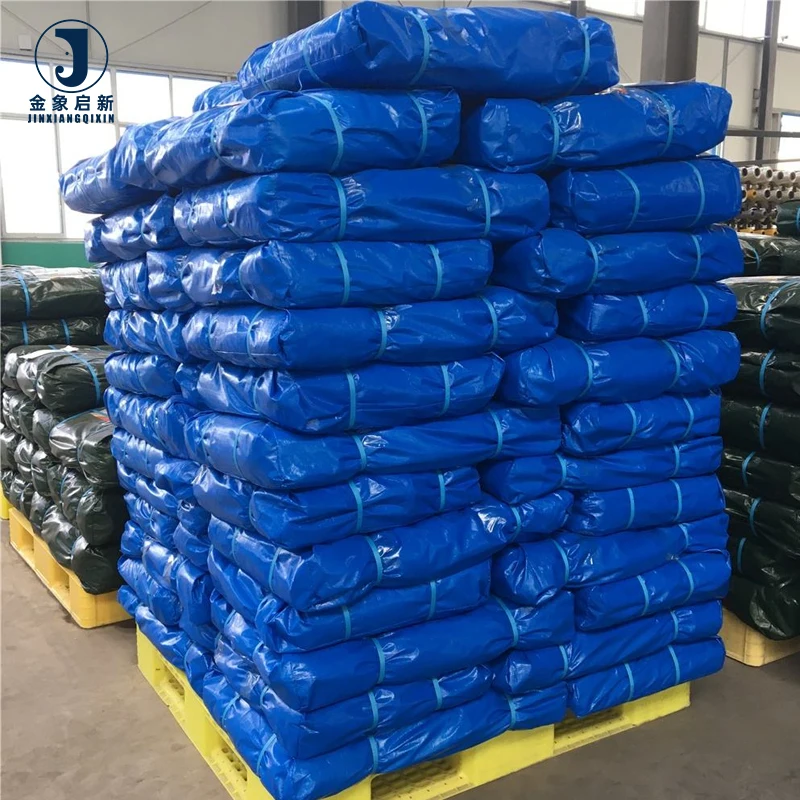
- Store rolls horizontally on pallets to prevent permanent creasing in the woven base fabric
- Allow cold-stored sheets to reach ambient temperature before unfolding to avoid coating micro-cracking
- Clean with mild detergent only; solvent-based cleaners degrade the anti-aging PE coating surface
- Field repairs use PE-compatible adhesive patches applied to dry, clean surfaces for reliable bond
Preparing Your Technical Fabric Enquiry
To specify the correct PE Tarpaulin for ventilation and technical applications, provide the installation environment — whether underground mining, surface construction or temporary structure — along with any fire-retardant or anti-static standards cited in your project safety plan. Include the required dimensions, annual volume estimate, and whether you need flat sheets, cut sizes or finished covers with grommets. If colour coding or batch consistency across multiple deliveries is critical to your site operations, flag this in the initial enquiry so we can confirm production lead time and minimum quantities.
Frequently Asked Questions
Q: How is the fire-retardant or anti-static grade certified for my site’s compliance standard?
A: We supply a test report referencing the specific standard cited in your project safety documentation. The grade is confirmed during the specification stage before production begins, ensuring the PE technical fabric meets the compliance threshold your site audit requires. Provide your safety plan excerpt with the enquiry for accurate grade matching.
Q: What UV test basis supports the outdoor service life of this PE technical fabric?
A: UV treatment is available across the PE Tarpaulin range, and the test basis is provided on request with the material specification sheet. For extended outdoor installations such as construction barrier screens or mining site covers, we recommend confirming the required UV exposure rating during the sampling phase to match your project duration.
Q: How do you ensure roll-to-roll GSM consistency across a custom order?
A: Each roll is weighed and verified against the stated GSM during our 100% pre-shipment inspection. The inspection record is included in the documentation package, giving you traceability from the agreed specification to the delivered material. This process applies to every order regardless of volume.
Q: Can tarpaulin covers be shipped together with ventilation duct in one container?
A: Yes. Consolidating PE Tarpaulin for ventilation and technical applications with ventilation duct orders reduces freight costs and simplifies site receiving. Our production scheduling aligns both product streams to the same dispatch window when requested at the enquiry stage.
Q: What custom widths, colours and reinforcement options are available for technical applications?
A: Custom width, length and colour are available to match site safety coding or project branding. Reinforcement options include rustproof grommets at specified spacing and reinforced corners for high-load tie-down points. Sample development confirms the specification before bulk production proceeds.