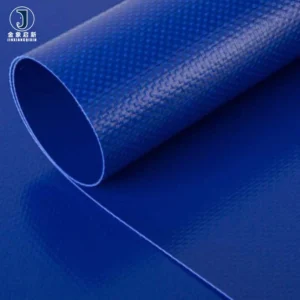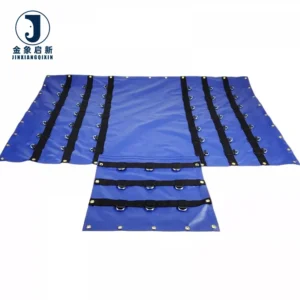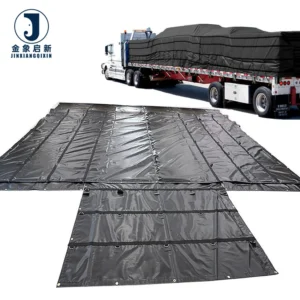


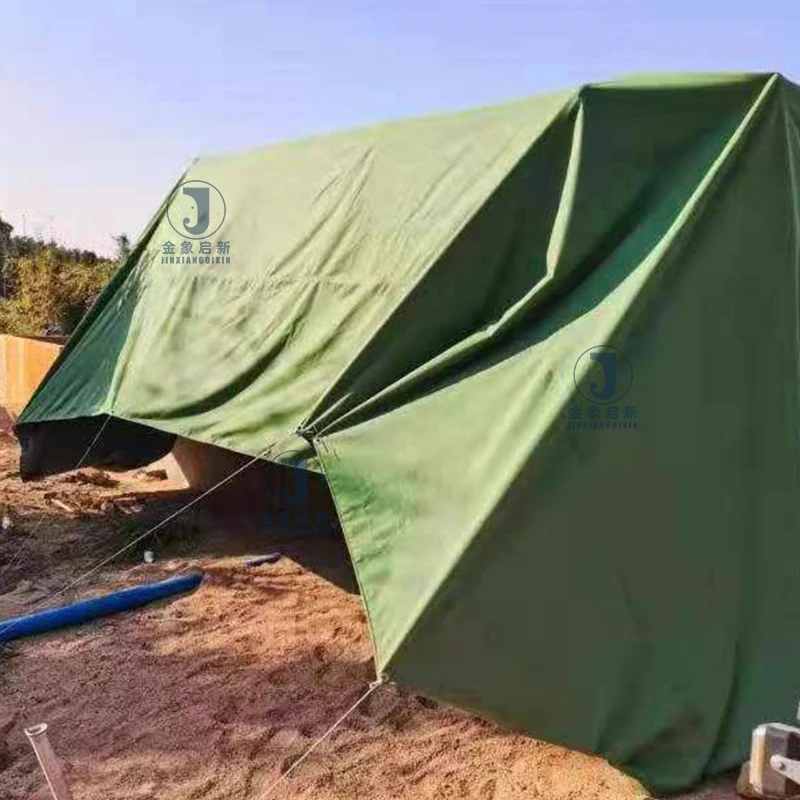
Coating Process Control — Every roll of PE tarpaulin for truck cover we produce undergoes in-process weight verification and 100% pre-shipment inspection to ensure the stated GSM matches what arrives on your dock.
Technical Specifications
| Parameter | Value |
|---|---|
| Product Type | PE Tarpaulin |
| Coating Material | HDPE weaving with LDPE lamination on both sides |
| Weight (GSM) | 80-240 g/m² (confirm the grade for your application) |
| Total Thickness | 0.18-0.35 mm |
| Knitting Density | 8×8 / 10×10 / 12×12 |
| Tensile Strength | Meridian 300-1200 N/5cm; Latitude 250-1000 N/5cm (test basis not stated in source) |
| Roll Width | 6ft / 8ft / 10ft / 12ft / 2m / 4m / 6m |
| Roll Length | 100 yards / 100 meters / custom |
| Key Features | Waterproof, tear resistant, UV treatment available, mildew proof, anti-aging (test basis not stated in source) |
| Edge Reinforcement | PP rope reinforced hem on all four sides |
| Eyelets | Galvanized, spaced every 3ft or 1 meter |
| Corner Reinforcement | Reinforced plastic corners |
| Color Options | Blue / Blue-Orange / Green / Grey / Black / Clear / Grey-Green / Orange / custom |
Application Suitability
| Application | Exposure & Requirement |
|---|---|
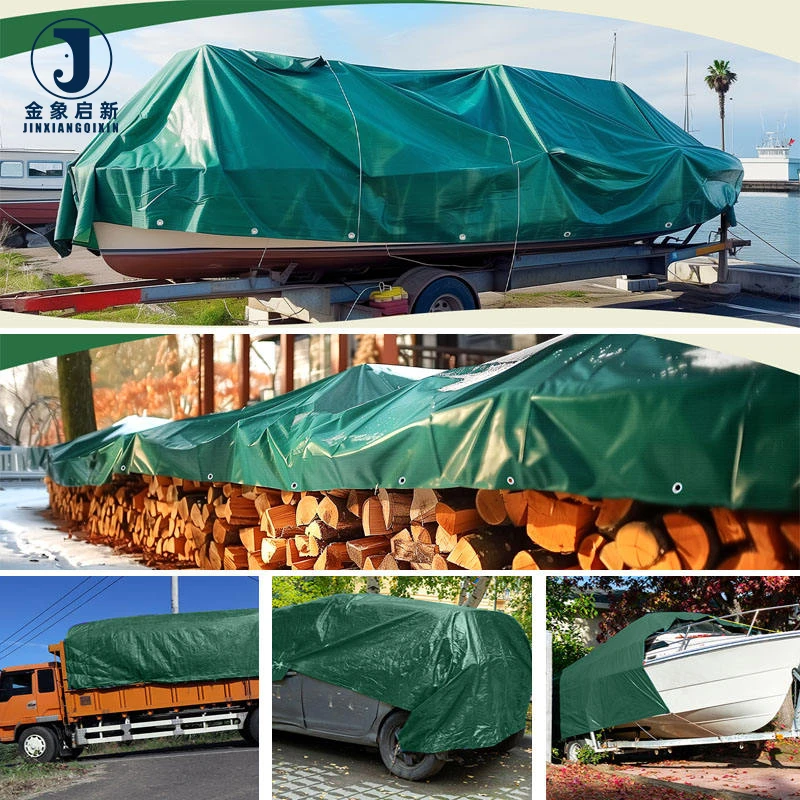
| Truck side curtain and load cover | Constant flexing at tie-down points, road debris abrasion, UV exposure, wind load at highway speed |
| Agricultural sunshade and livestock shelter | Prolonged direct sunlight, moisture, dust ingress, repeated installation and removal |
| Warehouse and stockpile enclosure | Rain and wind ingress, forklift contact, long-term static tension on eyelets |
| Industrial equipment protective cover | Outdoor storage, chemical dust, condensation, cover weight must not scratch surfaces |
| Temporary construction enclosure | Site debris, weather exposure, frequent relocation between work zones |
Why Stated GSM Does Not Guarantee the Truck Cover Will Hold Up in Service
GSM tells you what the fabric weighs, not how it behaves when a loaded trailer flexes on a rough road.
A 240 g/m² PE tarpaulin for truck cover can fail at the welded seam while the body of the fabric remains intact, because seam strength depends on heat penetration and dwell time — parameters that vary between production runs if not controlled [NEED_CITE: tensile and seam peel test methods for coated fabrics per ISO 1421]. Buyers who specify only on GSM leave themselves open to tarpaulins that arrive at the correct weight yet split at the hem after a few trips. The relationship between base fabric denier, weave density, and lamination adhesion determines real-world performance far more than weight alone. I have seen heavy-grade PE rolls fail at the eyelet line while lighter-grade rolls with better hem reinforcement outlast them by a wide margin.
How Base Weave Density Determines Tear Propagation on Moving Loads
The knitting density options — 8×8, 10×10, and 12×12 — govern how far a puncture or cut will spread once the fabric is under tension. On a truck cover, road debris can initiate a small tear at any point. A tighter 12×12 weave arrests that tear within a shorter distance because each yarn intersection acts as a mechanical stop. For fleet operators covering long-haul trailers, the PE tarpaulin for truck cover must resist tear propagation under constant vibration and wind flap, making weave density a more critical selection parameter than weight alone.
Why Lamination Adhesion Matters More Than Coating Thickness
The dual-side LDPE lamination over an HDPE woven base creates the waterproof barrier, but its bond strength to the base fabric determines whether the coating delaminates under repeated flexing. When a truck cover is tensioned and released hundreds of times during loading and unloading, poor lamination adhesion leads to blistering and separation at stress points [NEED_CITE: coating adhesion and peel strength testing for laminated fabrics]. The 0.18-0.35 mm thickness range covers lightweight agricultural sunshade through to heavy-duty transport cover, but the usable life at any thickness depends on how well the LDPE bonds to the HDPE substrate during the lamination pass.
Reading the Tensile and Weight Specifications Together
The stated tensile range — Meridian 300-1200 N/5cm and Latitude 250-1000 N/5cm — spans three distinct weight tiers. A lightweight 80 g/m² grade at the lower end of that range is appropriate for temporary agricultural shelter but would not survive the tie-down loads on a flatbed trailer. The 12×12 density, heavy-duty end of the spec is where truck cover applications should sit. Selecting the correct grade requires matching both GSM and knitting density to the mechanical loads the cover will face, rather than choosing on weight alone. Roll width options from 6ft to 6m allow fabricators to cut panels with minimal waste and fewer welded seams across the cover surface.
What Happens When the Wrong Grade Goes onto a Truck
Specifying a lightweight agricultural grade for a truck cover application leads to predictable failures: eyelets pull through the fabric under strap tension, hems separate at the weld line during high-speed transit, and UV exposure degrades the LDPE coating faster than expected because the treatment level was matched to a shorter service environment [NEED_CITE: UV degradation and aging test standards for polyethylene tarpaulins]. Batch color inconsistency across rolls compounds the problem when multiple covers in a fleet look visibly different side by side. These failures are not random — they trace directly to a mismatch between the specified grade and the actual mechanical and environmental loads.
Why This Source Supports Reliable Truck Cover Supply
Three full production lines with 36 sets of professional equipment provide the capacity to deliver consistent PE tarpaulin for truck cover in volume without shifting between machines mid-order. A 10-person R&D team handles custom width, eyelet spacing, and reinforcement layout to match specific trailer dimensions rather than forcing a generic cut. Dedicated QA/QC runs at every production stage with 100% inspection before dispatch, catching GSM deviations and lamination defects before rolls leave the facility. The PP rope hem, galvanized eyelets at set intervals, and reinforced plastic corners are built to specification — not added as afterthoughts. Sample development within days lets buyers verify fit, color, and finish before committing to a full production run.
Documentation & Verification
- Material specification sheet stating GSM, HDPE base denier, and LDPE lamination weight per roll
- Test reports for UV treatment and anti-aging claims where applicable to the specified grade
- Pre-shipment inspection record with roll-by-roll weight and dimension verification
- Roll packing list with individual roll weights for container loading reconciliation
- Certificate of origin and customs documentation for cross-border shipment clearance
Fabrication, Handling & Storage
- Heat-seal temperature and dwell time must match the LDPE lamination thickness to prevent hem delamination on truck covers
- Galvanized eyelets at 3ft or 1m intervals require correct die pressure to avoid cracking the surrounding LDPE coating
- Store rolls upright on pallets to prevent flat-spot creases that weaken the HDPE weave at fold lines
- Unroll in temperatures above 5°C to avoid brittle cracking of the LDPE lamination layer
- Cut panels with allowance for hem fold — PP rope reinforcement needs a clean, straight edge for consistent welding
- Use mild detergent only for cleaning; solvents attack the LDPE surface and reduce waterproof integrity
What to Include with Your Inquiry
Provide the trailer model and dimensions, or confirm whether you need roll stock for your own fabrication. Specify the target GSM range, preferred knitting density, and whether UV treatment or fire-retardant certification is required for your operating region. Include color requirements, eyelet spacing preferences, and whether you need finished panels with hem and eyelets or rolls only. Annual volume helps us allocate production line capacity and confirm lead times.
Frequently Asked Questions
Q: How do you verify GSM matches the quotation before shipment?
A: Every roll is weighed and measured during pre-shipment inspection. We record actual GSM per roll against the stated specification and include this data in the inspection report. Rolls falling outside the agreed tolerance are held and replaced before dispatch. This process applies to every order regardless of volume.
Q: Can you provide test reports for UV and anti-aging treatment?
A: UV treatment is available across our PE tarpaulin range. Where a specific grade has been tested, we supply the corresponding test report with the shipment documentation. Confirm the UV performance level required for your market so we can match the correct treatment grade and supporting documentation to your order.
Q: What is the lead time for custom width or color on PE tarpaulin?
A: Custom widths and colors require separate production runs with dedicated line setup. Lead times depend on the specific width, color match complexity, and order volume. We provide a confirmed lead time with the quotation once your specification is finalized. Sample approval is available before full production begins.
Q: How do you ensure color consistency across multiple rolls?
A: Color matching is controlled at the lamination stage with dedicated QA checks at each production phase. Rolls from the same order are produced in a single batch run wherever possible. Pre-shipment inspection includes visual comparison between rolls to flag any visible variation before packing.
Q: What documentation ships with each order for customs clearance?
A: Each shipment includes a material specification sheet, roll packing list with individual roll weights, certificate of origin, and commercial invoice. Test reports and certification documents applicable to your specified grade are included. We provide full customs documentation support to match the import requirements of your destination market.