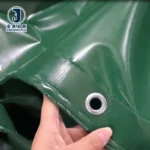
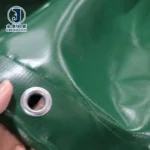
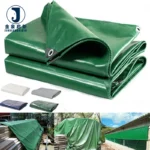
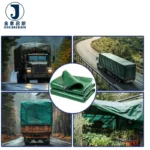
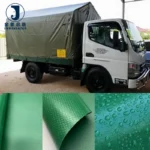
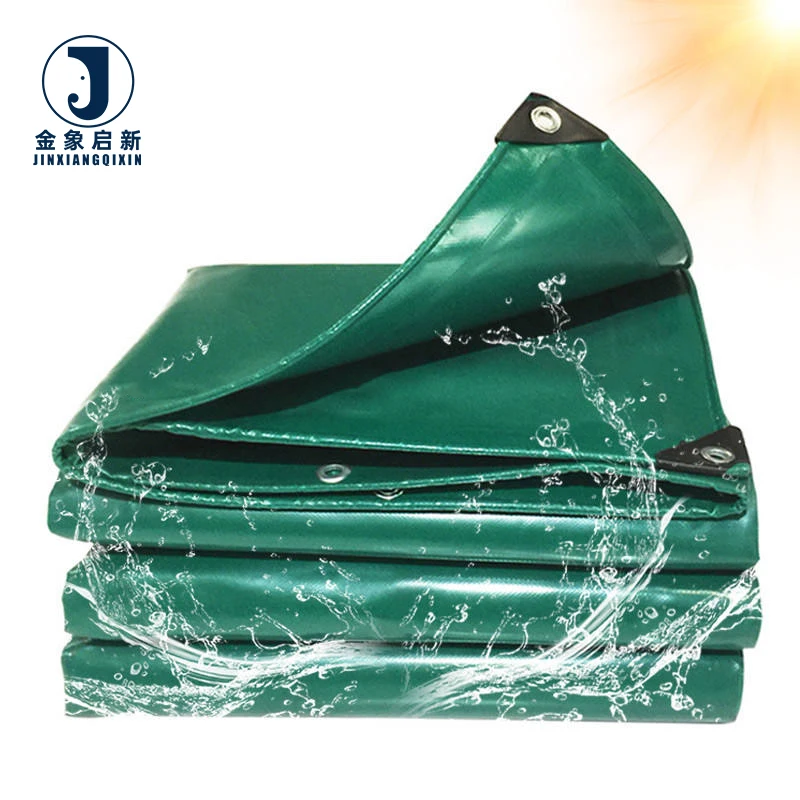
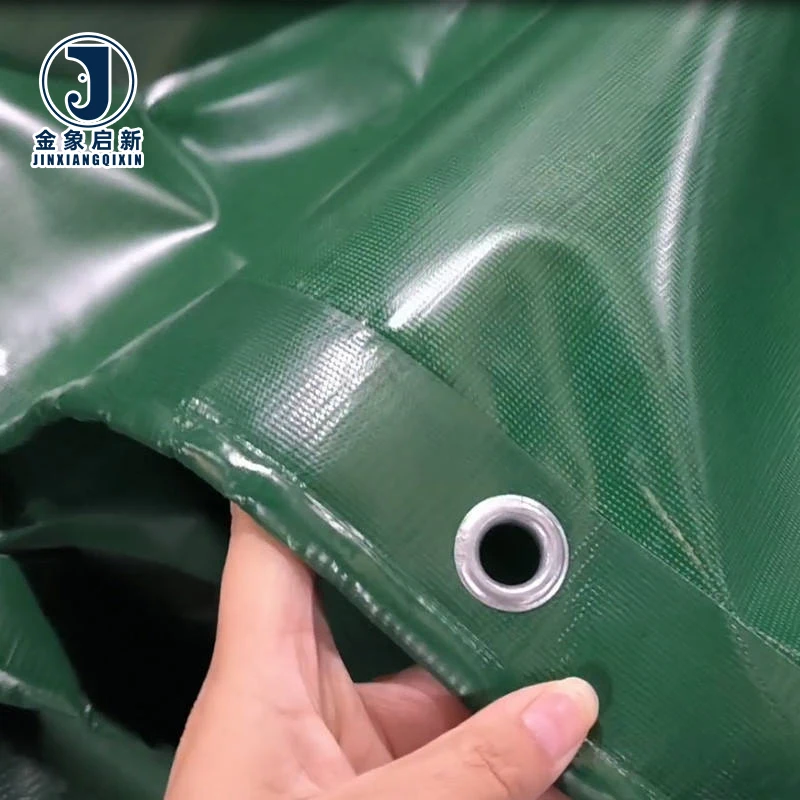
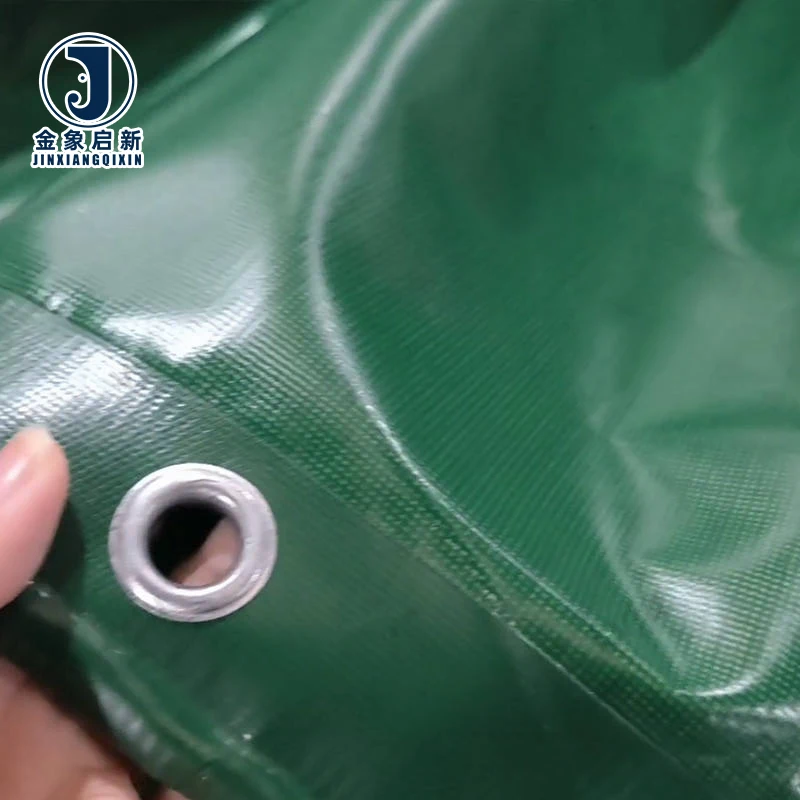
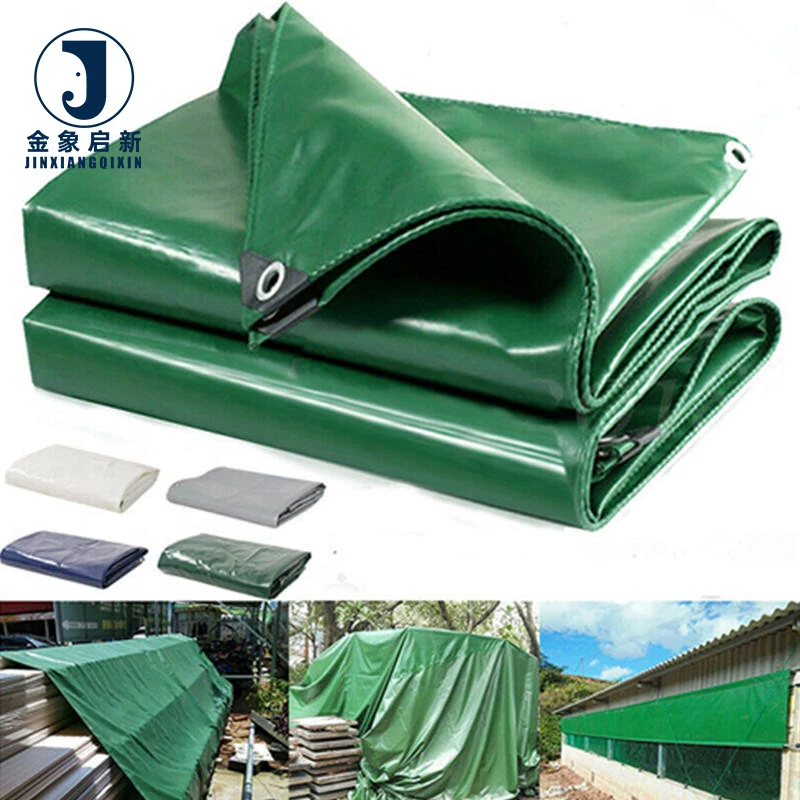
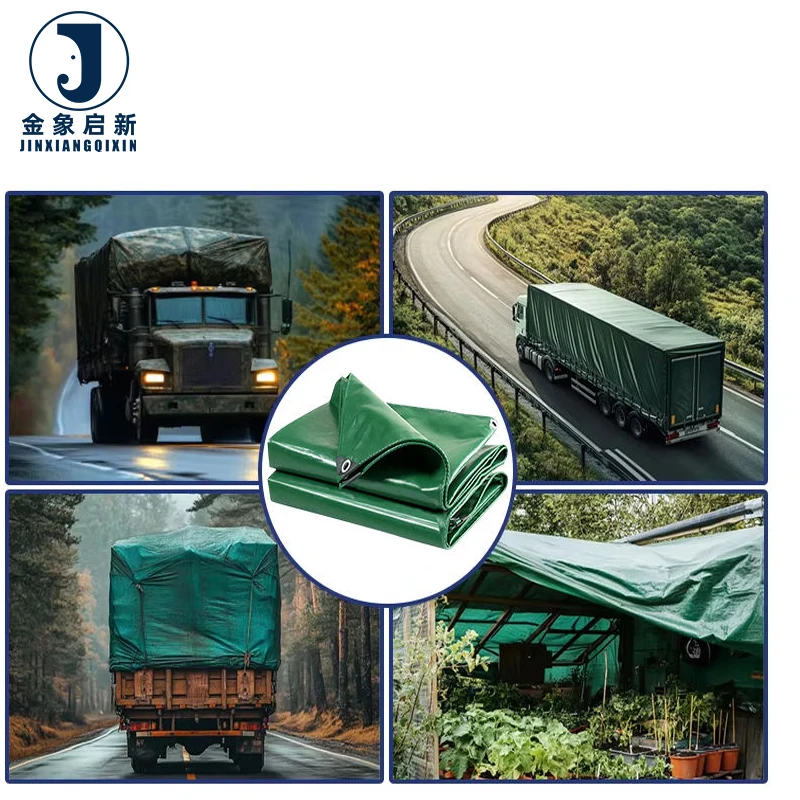
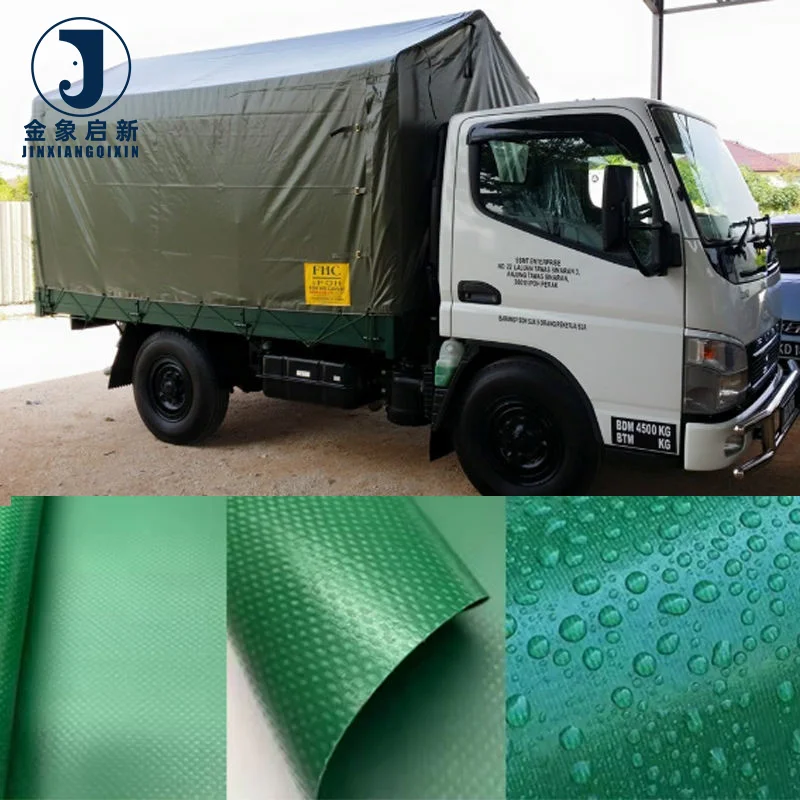
Process-Controlled Coating — Every roll of PVC coated fabric for industrial air duct systems ships with verified weight and compliance documentation matched to the project specification, backed by dedicated QA at each production stage.
Technical Specifications
| Parameter | Value |
|---|---|
| Product Type | PVC Coated Fabric |
| Weight | At least 450 g/m² |
| Coating Material | PVC Vinyl |
| Base Fabric | Woven Fabric |
| Waterproof | Yes |
| Assembly State | Sheeting / Roll |
| Fire-Retardant Grade | Available in flame retardant grades — confirm the grade required for your market |
| Anti-Static Property | Available with anti-static treatment — confirm surface resistance requirement for your application |
Application Suitability
| Application | Exposure & Requirement |
|---|---|
| Mining ventilation duct | Continuous airflow pressure, underground moisture, mandatory fire-retardant and anti-static compliance |
| Tunnelling forced-air ducting | Abrasive dust, high humidity, flexing under positive pressure cycles |
| Aviation ground support duct | Temporary deployment, fuel vapour proximity, rapid connect-disconnect handling |
| Inflatable membrane structures | Tensile loading at seams, UV exposure, wind-driven rain ingress risk |
| Temporary construction enclosures | Weather exposure, repeated installation and removal, mechanical contact damage |
What Certification Gaps Cost You on a Ventilation Project
Fabric that arrives without the fire-retardant or anti-static test report the site inspector demands is fabric that cannot be installed.
Ventilation duct contractors working underground or in aviation environments face a recurring procurement failure: the PVC coated tarpaulin fire retardant specification is stated on the quotation, but the accompanying documentation does not match the grade the authority having jurisdiction requires. The duct hangs in the heading, the inspector asks for the certificate, and work stops until the paperwork is resolved. Anti-static surface resistance is another gap — specified for coal seam environments but never measured or reported before dispatch. [NEED_CITE: fire-retardant classification systems for underground ventilation materials] These are not quality defects in the fabric itself; they are documentation and specification-alignment failures that delay projects and create liability exposure for the contractor.
Coating Integrity Under Duct Pressure Cycles
Ventilation ducts operate under continuous positive pressure, causing the fabric to flex and pulse with every fan cycle. The PVC vinyl coating must maintain adhesion to the woven base fabric through thousands of these micro-flex events without delaminating at the weld seam or the splice joint. Our coating process controls the bond between vinyl and woven substrate at a level that prevents separation at the points where duct sections join and where the fabric experiences the highest cyclic stress. This adhesion consistency is what separates duct fabric that performs through its full service interval from material that requires patching within the first deployment cycle.
Compliance Documentation as a Procurement Requirement
For mining and tunnelling contractors, the PVC coated fabric aftermarket supplier relationship is defined less by unit cost and more by whether the material ships with paperwork that satisfies the site safety officer. Every batch destined for underground ventilation must carry documentation that traces the fire-retardant grade and anti-static treatment back to a recognised test method. Without this traceability, the duct cannot be commissioned regardless of how well the fabric itself performs. Our documentation workflow aligns test reports with the specific grade ordered, so the compliance package matches the purchase order rather than arriving as a generic certificate. [NEED_CITE: anti-static surface resistance testing standards for mining ventilation ductwork]
Reading the Weight and Base Fabric Specifications Together
The 450 g/m² weight grade places this material in the medium-duty range for duct and cover applications, but weight alone does not determine how the fabric behaves under tension or at the weld line. The woven base fabric construction provides the structural skeleton — its denier and weave density govern tear propagation resistance and how the material handles when fabricators heat-weld seams. A coating weight that is too light for the base fabric density results in poor adhesion; one that is too heavy adds cost without improving tensile performance. The PVC vinyl coating on this grade is balanced to the woven substrate so that heat-welded seams achieve strength comparable to the body of the fabric, reducing the likelihood that the seam fails before the panel does. The waterproof barrier formed by the coating is continuous across the sheet, making the material suited to below-grade and outdoor ventilation environments where moisture ingress would corrode ductwork internals. Surface finish options affect how the duct handles dirt accumulation and cleaning in recirculation applications.
The Hidden Cost of Specifying Duct Fabric by Price Alone
When ventilation duct fabric is procured on cost per square metre without verifying the fire-retardant grade or anti-static certification against the project code, the consequence is not a material failure — it is a compliance failure that halts installation. Contractors have received rolls where the flame-retardant treatment was claimed but the test report referenced a standard not recognised by the local mining authority, forcing removal and replacement of already-hung duct. Colour variation between rolls in the same order is a secondary issue in visible temporary structures and architectural membrane applications, where panels installed side by side show tonal differences that the client rejects. Weld seam failures at flex points compound the problem when the coating weight is not matched to the thermal welding parameters the fabricator uses. [NEED_CITE: common failure modes in temporary ventilation duct installations] These costs fall entirely on the contractor, not the material supplier, which is why verification before dispatch is a procurement safeguard rather than an optional extra.
Why Technical Buyers Source This Fabric Here
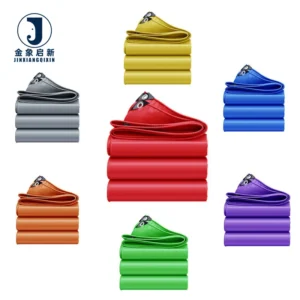
Deep process control over PVC coating weight and adhesion means the 450 g/m² specification is verified roll by roll, not averaged across a production run. Three full production lines and 36 sets of professional equipment support bulk duct fabric orders with reliable scheduling, so contractors can plan installation windows around confirmed dispatch dates. The 10-person R&D team handles custom width, fire-retardant grade selection, and anti-static treatment specification, developing samples within days for project-specific requirements. Dedicated QA and QC inspection at every production stage, with 100% pre-shipment checking, ensures that compliance documentation and material performance align before the rolls leave the facility. This capability is built on nearly 30 years of focused coated fabric production experience. Export documentation including certificates of origin and customs support is standard for shipments to projects in multiple jurisdictions.
Documentation & Verification
- Material specification sheet confirming GSM, woven base fabric type, and PVC vinyl coating details per roll batch
- Fire-retardant test report issued to the grade specified on the purchase order, referencing recognised test method
- Anti-static surface resistance measurement report included where anti-static treatment is specified for underground duct
- Pre-shipment inspection record confirming weight verification and visual quality against order specification
- ISO and CE certificates available with certificate of origin and customs documentation for export shipments
Fabrication, Handling & Storage
- Heat-weld PVC vinyl coating at temperature settings matched to the 450 g/m² grade to avoid scorching the woven base fabric
- Store rolls upright on pallets to prevent permanent creasing of the coated surface before duct fabrication
- Allow cold-stored rolls to reach ambient temperature before unrolling to prevent cracking of the PVC vinyl layer
- Use compatible PVC weld tape on seams to maintain waterproof continuity across duct splice joints
- Clean with mild detergent only; solvent-based cleaners can degrade the coating surface finish over time
- Cut with sharp blades to prevent fraying the woven base fabric edges before heat-sealing or hemming
Before You Request a Quote
Provide the ventilation or structure application, the fire-retardant or anti-static standard your project code references, and the duct diameter or panel dimensions so we can recommend the appropriate width and treatment. Specify whether you need rolls for your own fabrication line or finished cut-to-size panels with welded seams. Confirm the destination country so we can align compliance documentation and export paperwork with the receiving authority’s requirements.
Frequently Asked Questions
Q: What fire-retardant grade is available for underground mining ventilation duct?
A: We supply PVC coated fabric in flame retardant grades aligned to standards commonly required by mining authorities. The specific grade must be confirmed against your jurisdiction’s code before production begins, as requirements vary between coal and metalliferous mining environments. We issue the corresponding test report with every shipment to support site inspector approval.
Q: How is anti-static surface resistance measured for ventilation duct fabric?
A: Anti-static treatment is applied during the coating process and surface resistance is measured according to the test method specified by your project or local mining regulation. The measurement result is documented and shipped with the roll batch. Confirm the target surface resistance range with your safety engineer so we can match the treatment to your compliance requirement.
Q: Can the fabric be supplied in custom widths for continuous duct fabrication?
A: Yes. Custom widths and roll lengths are available to suit your duct diameter and fabrication process, reducing the number of longitudinal weld seams in the finished duct. Our R&D team develops width samples within days for approval before bulk production. Specify the required width and the maximum roll length your fabrication equipment can handle.
Q: What documentation ships with the order for site inspector review?
A: Each shipment includes a material specification sheet, pre-shipment inspection record, and the fire-retardant or anti-static test report matching the grade ordered. ISO and CE certificates, certificate of origin, and customs documentation are provided for export orders. All documents reference the purchase order number for traceability on site.
Q: How does the woven base fabric handle repeated flex cycles in a ventilation duct?
A: The woven construction provides dimensional stability and tear propagation resistance under the continuous pressure pulsing typical of forced-air duct systems. Unlike non-woven substrates, the woven base fabric distributes stress across intersecting yarns at flex and weld points, reducing the risk of seam separation over extended deployment cycles in mining and tunnelling environments.