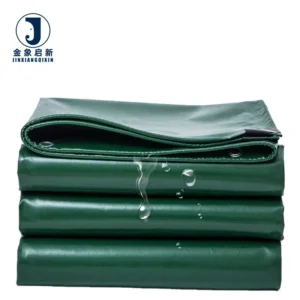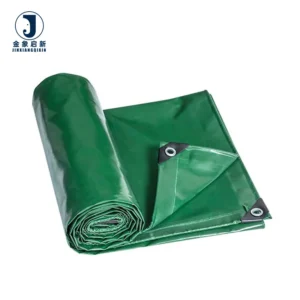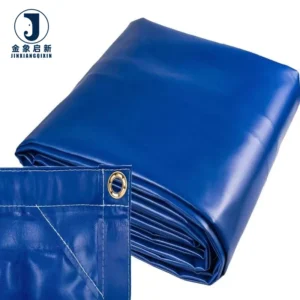

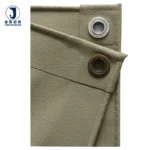
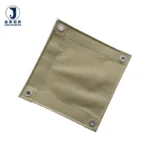
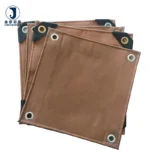

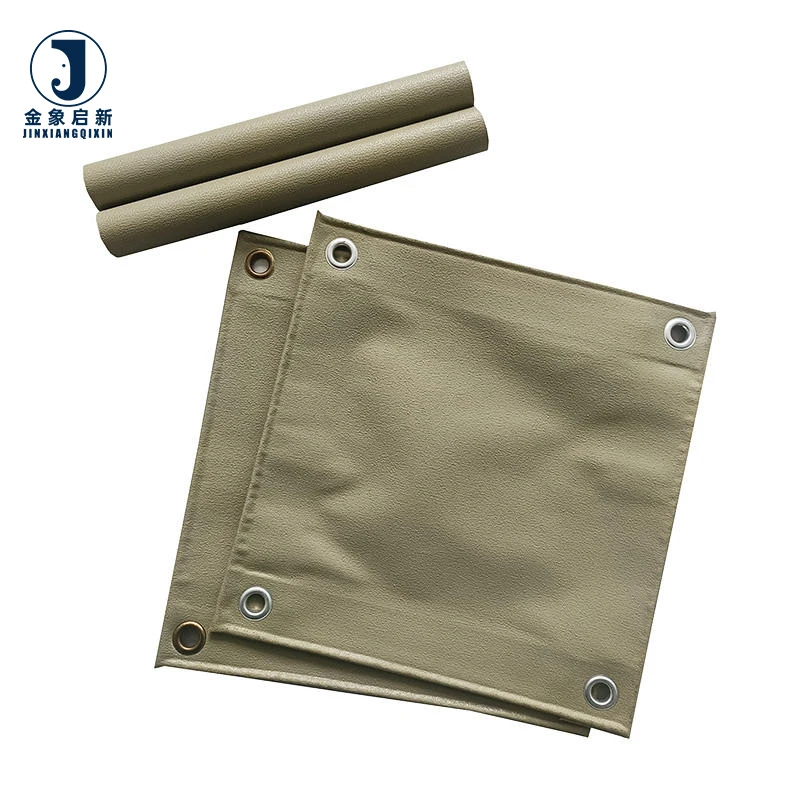
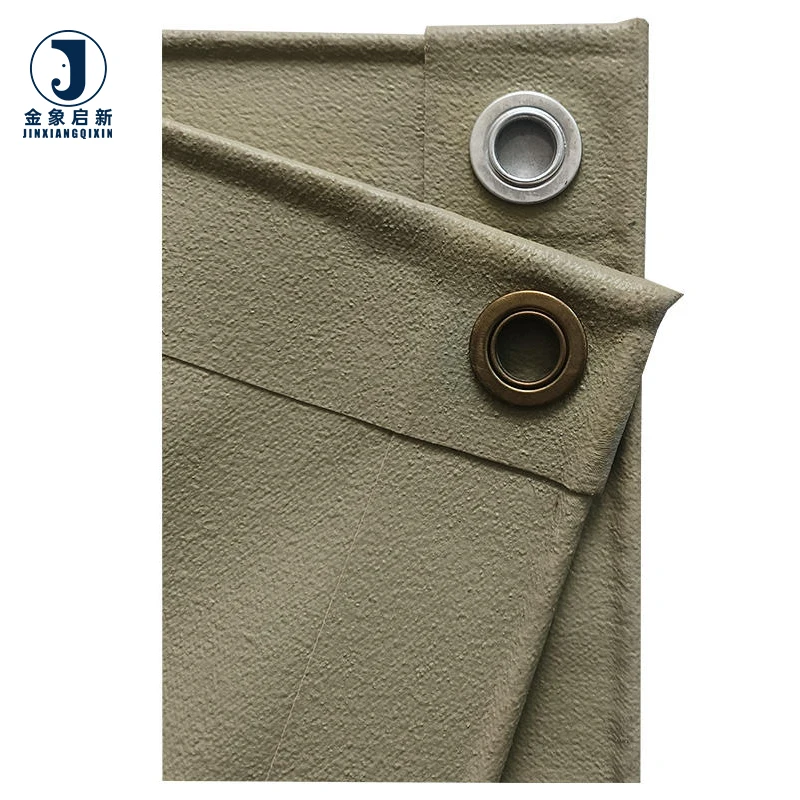
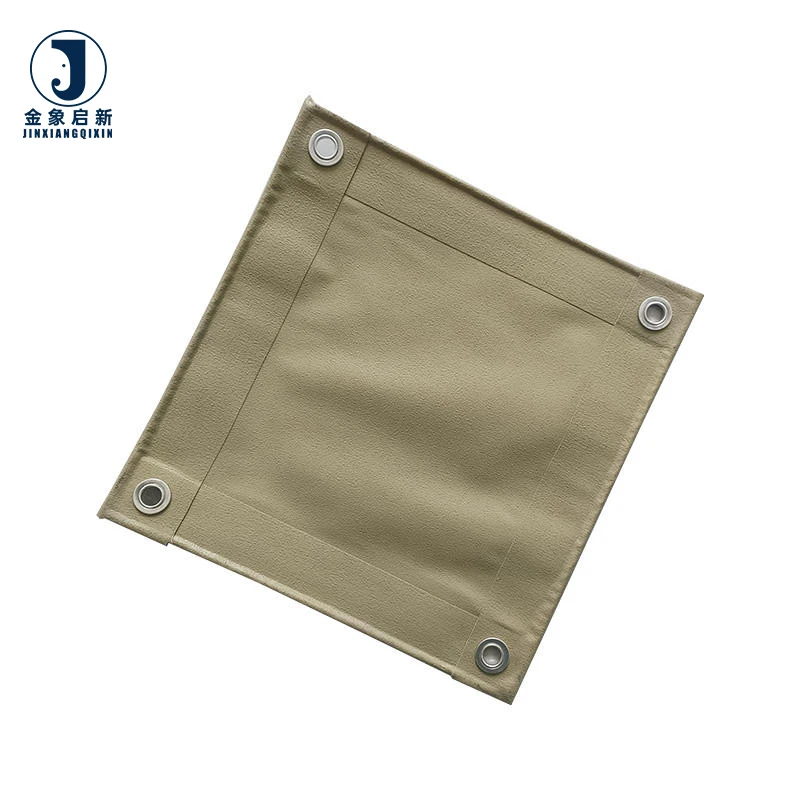
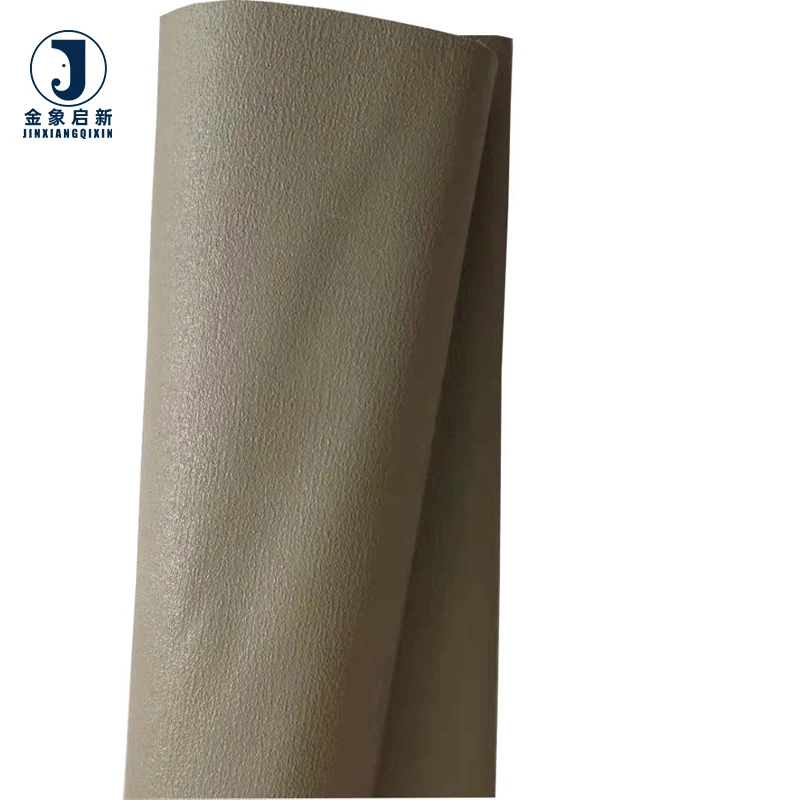
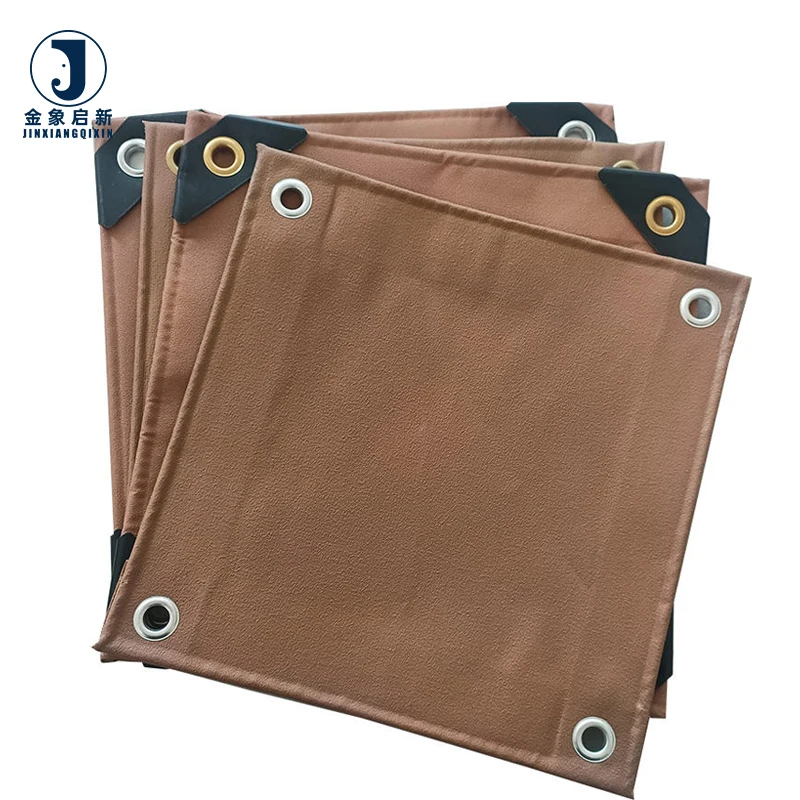
Proven Coating Process Control — Three dedicated production lines maintain strict GSM consistency across every roll of PVC coated tarpaulin fire retardant anti-static certified fabric, verified at each stage before shipment.
Technical Specifications
| Parameter | Value |
|---|---|
| Product Type | PVC Coated Tarpaulin |
| Coating Material | PVC |
| Weight Options | 700gsm, 850gsm, 900gsm |
| Flame Retardant | Available in flame retardant grades — confirm the grade required for your market (grade not stated) |
| Anti-Static | Available — surface resistance and test basis to be confirmed at quotation stage |
| Anti-Cold | Available |
| Anti-Mildew | Available |
| Waterproof | Yes |
| Weather Resistance | Suited to extended outdoor exposure |
| Application Form | Roll stock and finished truck cover |
| Standards | ISO, CE |
Application Suitability
| Application | Exposure & Requirement |
|---|---|
| Mining ventilation duct fabrication | Continuous airflow, mandatory fire-retardant compliance underground, static charge accumulation near explosive atmospheres |
| Aviation ground support covers | Fuel-adjacent environments demanding anti-static and flame-retardant certification, exposure to hydraulic fluids |
| Transport fleet cargo covers in regulated zones | Highway abrasion, wind flex, fire safety standards at border crossings and terminal checkpoints |
| Tunnelling construction ventilation | High humidity, confined-space fire codes, mechanical stress from duct suspension and airflow pressure |
Why Claimed Fire Safety Without Documentation Puts Your Project at Risk
Every roll of PVC coated tarpaulin fire retardant anti-static certified fabric must ship with test documentation — a claim without a report is a liability waiting to surface at the inspection stage.
Fabricators and contractors frequently discover that the flame retardant or anti-static properties quoted by a supplier cannot be backed by a recognised test standard when the material arrives on site. [NEED_CITE: fire classification standards for coated fabrics used in confined industrial spaces]. The consequence is rarely just a delayed shipment — it can mean a failed safety audit, a rejected installation, or a contract penalty that far exceeds the material cost. Procurement teams need the paperwork trail established before production begins, not assembled reactively after an inspector raises a flag.
Meeting Fire Codes Across Jurisdictions
Different markets reference different fire classification frameworks — DIN 4102 B1 in parts of Europe, NFPA 701 in North America, M2 in France — and a PVC coated tarpaulin fire retardant anti-static certified product must be tested against the specific standard your destination authority enforces. Ordering without specifying the required grade upfront leads to material that may perform adequately in one context but fails documentation checks in another. Our R&D team reviews the target standard during the quotation stage to align treatment chemistry with your compliance requirement.
Anti-Static Performance Where Charge Accumulation Is a Hazard
In environments such as mining ventilation, aviation fuel handling zones, or grain transport, static charge buildup on fabric surfaces introduces an ignition risk that standard PVC cannot mitigate. Anti-static treatment modifies the surface resistivity of the coated fabric, but the achievable resistance range and the test method used to verify it must be confirmed before production. [NEED_CITE: surface resistivity measurement methods for anti-static industrial textiles]. We supply the treatment and the accompanying data so your safety officer has the figures needed for site approval.
Reading the GSM and Treatment Relationship
The weight options — 700gsm, 850gsm, and 900gsm — reflect different base fabric densities and coating weights combined. A higher GSM generally indicates a heavier base yarn and thicker coating layer, which together influence tensile strength, tear resistance, and the fabric’s ability to hold a welded seam under load. However, GSM alone does not define performance: the denier of the polyester base yarn and the weave density determine how effectively the fabric resists tear propagation once a puncture occurs. Flame retardant and anti-static treatments are applied within the coating formulation, meaning their effectiveness depends on coating weight consistency — a process variable controlled at the production line, not assumed from a printed label.
The Cost of Undocumented Treatment Claims
When flame retardant treatment is stated on a quotation but no test report follows the shipment, the buyer carries the entire compliance risk. A mining contractor who installs ventilation duct without verifiable fire certification faces site shutdown until replacement material arrives. Similarly, anti-static claims unsupported by surface resistance data can invalidate insurance coverage in explosive-atmosphere workplaces. [NEED_CITE: regulatory consequences of undocumented fire-retardant fabric installations]. Colour variation between rolls in a single order compounds the problem — a visible mismatch once panels are hung side by side forces costly rework and erodes client confidence.
Why Technical Buyers Source This Fabric Here
Deep process control over coating weight and adhesion means the GSM stated at quotation is the GSM measured at dispatch — verified through in-process checks, not left to chance. Three full production lines and 36 sets of professional equipment support bulk roll orders with reliable on-time delivery, even when custom widths or treatment combinations are specified. A dedicated ten-person R&D team handles material selection, treatment formulation alignment, and sample development so custom requirements move from inquiry to approved sample within days. QA/QC checkpoints at every production stage culminate in 100% pre-shipment inspection, ensuring treatment documentation and physical properties match before the container is sealed.
Documentation & Verification
- Material specification sheet listing GSM, base fabric construction, and all applied treatments for this PVC coated tarpaulin fire retardant anti-static certified fabric
- Flame retardant test report aligned to your specified grade — M2, B1, NFPA 701, or DIN 4102
- Anti-static surface resistance data with test basis confirmed at quotation stage
- Pre-shipment inspection record confirming 100% quality check before dispatch
- Certificate of origin and customs documentation for international roll or finished cover shipment
Fabrication, Handling & Storage
- Hot-air welding temperature and speed should be calibrated to the 700gsm, 850gsm, or 900gsm grade to ensure seam integrity at high-flex zones
- Anti-mildew treatment allows storage in humid environments but rolls must remain vertically supported to avoid permanent creasing across the coating surface
- Anti-cold formulation maintains flexibility during low-temperature transport and deployment without coating crack risk
- Finished truck covers require reinforced tie-down points — confirm eyelet placement and hem reinforcement with the fabrication team before cutting
- Surface cleaning should use mild detergent only; solvent-based cleaners may compromise flame retardant and anti-static treatment layers
What to Include in Your Inquiry
Specify the ventilation duct diameter or truck trailer dimensions, the fire classification standard enforced at your site or destination market, and whether anti-static treatment is required alongside flame retardant protection. Indicate the GSM preference from the available 700gsm, 850gsm, or 900gsm range, the annual volume or project quantity, and whether you require roll stock for in-house fabrication or finished covers. Requesting a sample at the inquiry stage allows your team to validate weld parameters and confirm colour before bulk production begins.
Frequently Asked Questions
Q: Which flame retardant grade should I specify for my market?
A: The required grade depends on your jurisdiction and application — common standards include DIN 4102 B1, NFPA 701, M2, and others. State your target market and end-use environment in your inquiry so the appropriate treatment chemistry and test documentation can be aligned before production. We supply the corresponding test report with every qualifying order.
Q: How is anti-static performance measured on this fabric?
A: Anti-static performance is characterised by surface resistivity, measured using recognised textile test methods. The achievable resistance range depends on the treatment formulation selected for your PVC coated tarpaulin fire retardant anti-static certified order. Confirm the required threshold with your safety team and include it in your specification so we align the treatment and provide verified data.
Q: Can the same fabric specification serve both ventilation duct and truck cover applications?
A: The base PVC coated fabric can be configured for both uses, but treatment emphasis differs — ventilation duct prioritises fire and anti-static compliance while truck covers additionally demand abrasion and weather resistance. Share your application details so the GSM, treatment combination, and fabrication format can be matched to your specific requirement.
Q: How do I verify GSM and treatment claims when the shipment arrives?
A: Every order ships with a material specification sheet documenting the stated GSM, base fabric, coating details, and all applied treatments. A pre-shipment inspection record confirms 100% quality verification before dispatch. For flame retardant and anti-static grades, the corresponding test report accompanies the documentation package so you can cross-reference claims against independent results.