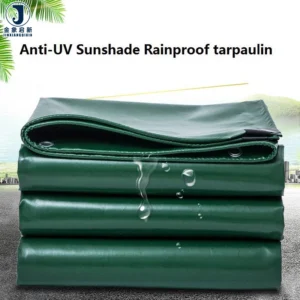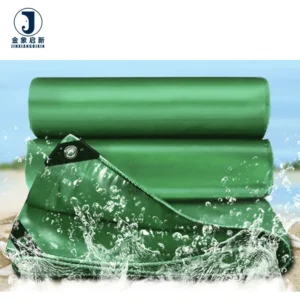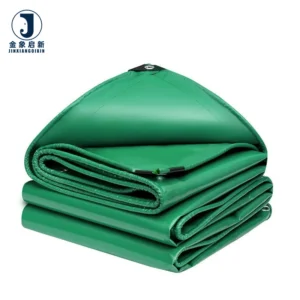
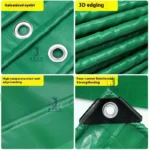
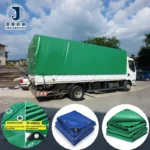
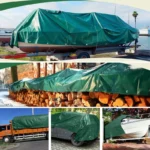
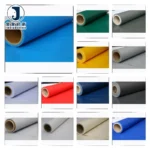
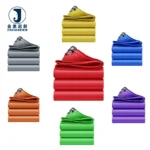
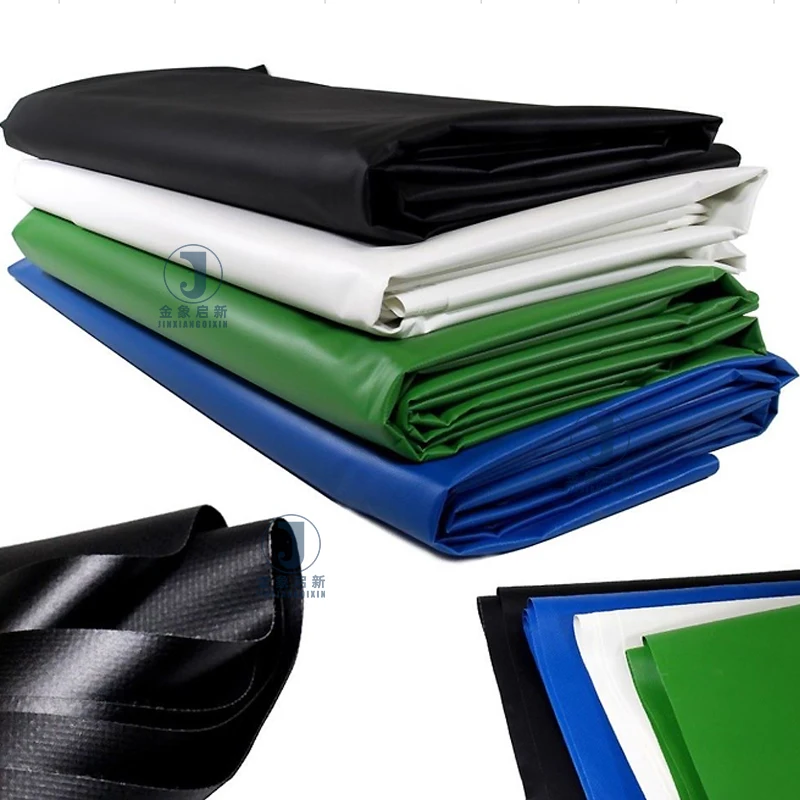
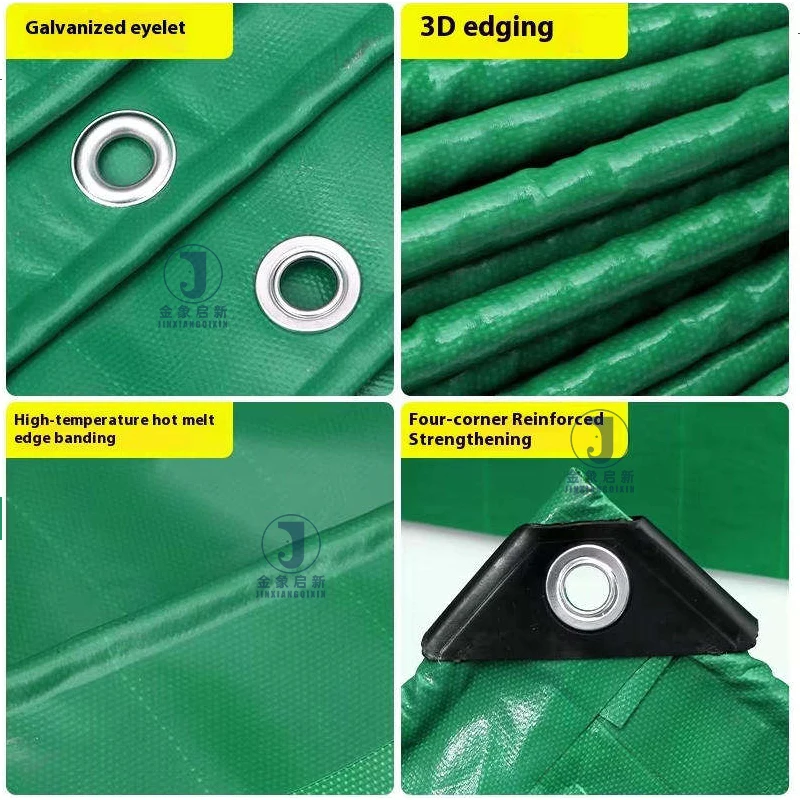
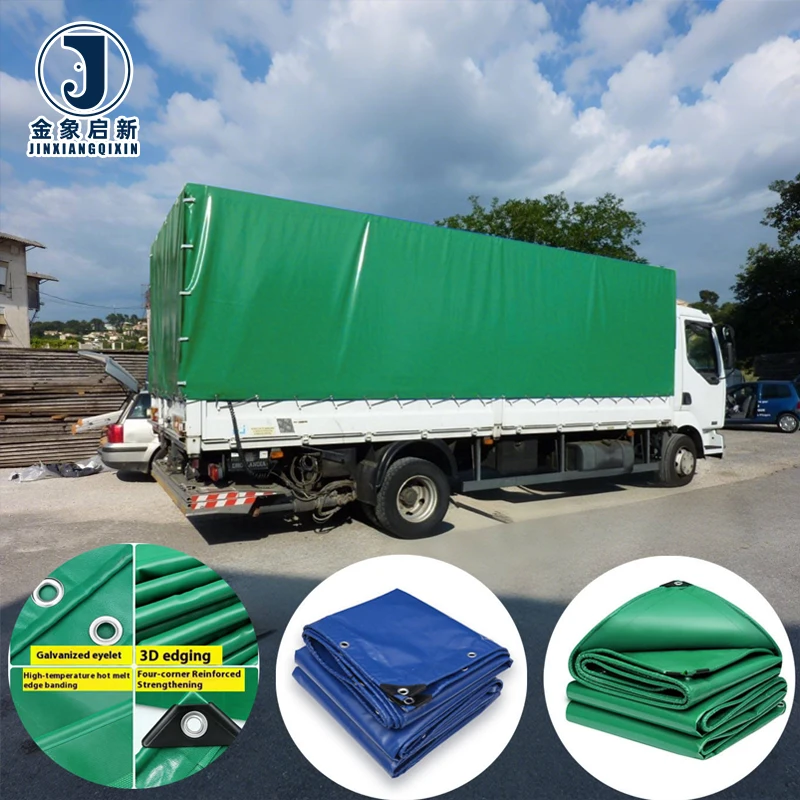
Precision-Coated Fabric Consistency — every roll of PVC coated tarpaulin undergoes in-process QA to ensure treatment grades and GSM match the specification sheet before dispatch, critical for technical applications like ventilation ducts and membrane structures.
Technical Specifications
| Parameter | Value |
|---|---|
| Product Type | PVC Coated Tarpaulin Fabric |
| Base Fabric | 100% high tenacity polyester yarns |
| Coating Material | PVC |
| Coating Method | Laminated technology & Hot-melt Coating technology |
| Waterproof | Yes |
| Anti-Mildew | Yes |
| Anti-Static | Available (grade not stated in source) |
| Flame Retardant | Available (grade not stated in source) |
| Cold Crack Resistance | Yes |
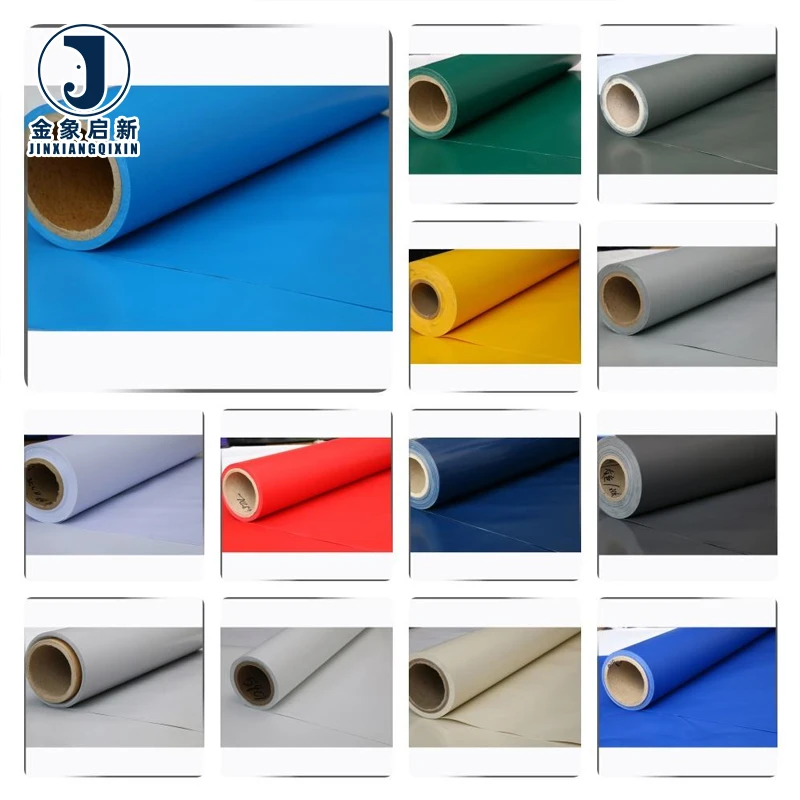
| Color Fastness | Best color fastness (source claim — verify against manufacturer catalog) |
| Outdoor Life | 3-5 years (source value — verify against manufacturer catalog) |
| Special Treatments Available | Flame Retardant, Anti-Static, Anti-cold, Anti-mildew, 3P |
Application Suitability
| Application | Exposure & Requirement |
|---|---|
| Mining & tunnelling ventilation ducts | Constant airflow abrasion, underground humidity, fire-retardant and anti-static compliance mandatory |
| Aviation ground support ducting | Flame retardant specifications, hangar-grade chemical exposure, rapid deployment and retrieval cycles |
| Inflatable & membrane structures | Wind loading, UV exposure, weld seam integrity under tension, aesthetic surface consistency |
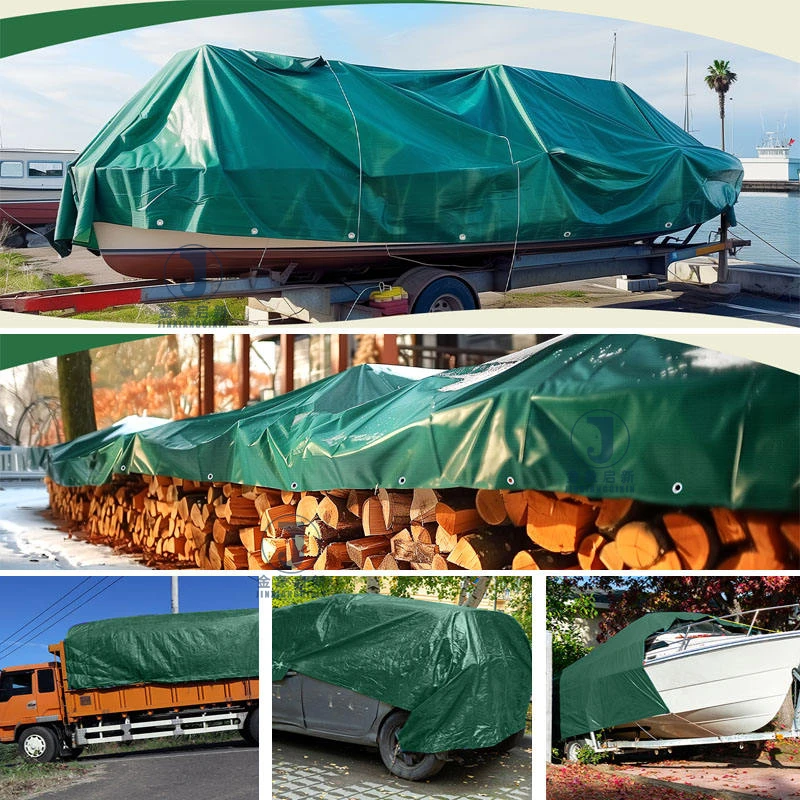
| Industrial covering & truck tarps | Road debris abrasion, flex fatigue at tie-down points, weather and UV exposure across seasons |
Why Fire-Retardant PVC Coated Tarpaulin Demands a Grade, Not Just a Claim
A fire-retardant label without a documented grade is meaningless on a job site audit.
Ventilation duct fabric arrives at a mining or tunnelling project, and the site safety officer asks for the test certificate. The supplier sends a generic "flame retardant" data sheet with no standard referenced. The duct fails inspection, rework delays follow, and the contractor absorbs the cost. This scenario repeats across aviation hangars and temporary membrane structures where compliance is binary — pass or fail. The PVC coated tarpaulin you specify must carry a test report aligned to the jurisdiction’s accepted standard, whether that is M2, B1, NFPA 701, or DIN 4102. [NEED_CITE: DIN 4102 fire classification for building materials]
Hot-Melt Coating Adhesion and Weld Seam Integrity
The hot-melt coating technology used on this PVC coated tarpaulin fabric forces the PVC compound into the interstices of the high-tenacity polyester base under heat and pressure. This mechanical interlock produces adhesion values that directly influence how welded seams behave during duct fabrication or membrane panel joining. When a weld is made with hot air or wedge welding, the coating layers fuse while the base yarns remain intact. If adhesion is weak, the coating delaminates at the weld line before the fabric itself reaches its tear limit — a failure mode that appears during the first inflation cycle or the first gust on a membrane roof.
Anti-Static Treatment for Regulated Environments
Mining ventilation codes in multiple jurisdictions require duct fabric to meet a defined surface resistivity threshold, preventing static discharge that could ignite airborne particulates. Anti-static treatment is available in grades matched to these requirements, but the specific resistivity range and test method must be confirmed against your site’s compliance framework [NEED_CITE: anti-static surface resistance testing standards for mining ventilation fabric]. Request the test report before production begins so the grade ordered matches what the safety audit will verify on arrival.
Reading the Specification Sheet Correctly
Base fabric denier and weave density together define how the material resists tensile and tear forces — a heavier PVC coating alone does not guarantee higher strength if the underlying yarns are loosely woven. The laminated and hot-melt coating methods both encapsulate the base fabric, but hot-melt achieves deeper penetration into the weave, improving peel strength and consequently weld performance. Cold crack resistance matters for projects in low-temperature regions: a fabric that stiffens and cracks at the fold during winter installation will compromise duct airtightness or membrane weatherproofing before the structure is even commissioned. Flame retardant grades must be specified to order, as the additive package affects coating viscosity and surface finish, so confirming the required standard early avoids reformulation delays.
The Hidden Cost of Underspecifying Treatment Grades
Ordering PVC coated tarpaulin fabric with a generic "flame retardant" designation and no standard attached leads to predictable outcomes on regulated sites. The duct passes visual inspection but fails the flame propagation test because the additive loading was calibrated for a different market’s requirements. Anti-static fabric ordered without a surface resistivity target may measure outside the acceptable range during the site audit. Colour inconsistency between rolls of treated fabric becomes visible only when adjacent membrane panels are installed side by side, forcing a full panel replacement. [NEED_CITE: common causes of coated fabric specification failure in industrial ventilation projects]
Why This Fabric Source Meets Technical Buyer Requirements
Nearly thirty years of coated fabric production means the process parameters for hot-melt adhesion and treatment additive dispersion are established, not experimental. Three full production lines with 36 sets of professional equipment support volume orders while maintaining roll-to-roll consistency — verified through in-process QA at every stage. A 10-person R&D team handles treatment grade matching to your jurisdiction’s fire-retardant and anti-static standards, developing samples within days rather than weeks. Dedicated QA/QC with 100% pre-shipment inspection catches GSM deviations and coating defects before they reach your site. Every dispatch includes the documentation package your compliance officer requires, not a promise to send it later.
Documentation & Verification
- Material specification sheet stating base fabric, coating method, and confirmed treatment grade for each roll
- Fire-retardant test report matched to the standard specified at order placement (M2 / B1 / NFPA 701 / DIN 4102)
- Anti-static surface resistance test report provided for treated rolls upon grade confirmation
- GSM verification record per roll against the quoted value before dispatch
- 100% pre-shipment inspection record and roll packing list included with every shipment
- Certificate of origin and customs documentation for cross-border logistics
Fabrication, Handling & Storage
- Hot-air welding temperature and speed must be calibrated to the hot-melt PVC coating thickness to avoid delamination at seams
- Cold crack resistant grades should still be unrolled and allowed to acclimatize before fabrication in sub-zero ambient conditions
- Store rolls horizontally on padded racking to prevent permanent creasing that affects membrane panel flatness
- Anti-static treated surfaces require non-ionic cleaning agents to preserve surface resistivity over repeated wash cycles
- Cut patterns should account for weld overlap width to maintain tension uniformity across duct or membrane panels
- Repair patches must use the same coating method and treatment grade as the base fabric for consistent weld adhesion
What to Include in Your Enquiry
Provide the ventilation duct diameter range or membrane structure panel dimensions so we can recommend the most efficient roll width for your fabrication layout. State the fire-retardant and anti-static standards required by your project jurisdiction — we will confirm the matching treatment grade and supply test documentation with the quotation. Specify whether you need rolls only or finished cut-to-size panels with welded hems and reinforcement.
Frequently Asked Questions
Q: What fire-retardant and anti-static certifications are available for my project jurisdiction?
A: Treatment grades are matched to commonly accepted standards including M2, B1, NFPA 701, and DIN 4102 for flame retardancy, and defined surface resistivity ranges for anti-static performance. Share your project specification or local code reference, and we confirm which grade applies before sampling begins. Test reports ship with every treated roll.
Q: How is GSM verified on each roll before shipment?
A: Every roll is sampled and weighed during the 100% pre-shipment inspection. The measured GSM is recorded against the specification sheet value and included in the dispatch documentation. Rolls falling outside tolerance are held and not shipped, ensuring the fabric weight you ordered is the weight you receive on site.
Q: Can custom roll widths and lengths be supplied for large duct fabrication runs?
A: Custom widths are available to reduce weld seams and material waste in your duct or membrane panel layout. Length per roll can be adjusted to match your production run size, minimizing end-of-roll offcuts. The 10-person R&D team develops width and treatment samples within days for your approval before bulk production.
Q: What test reports are included with flame-retardant and anti-static fabric orders?
A: Each shipment includes the fire-retardant test report corresponding to the grade specified at order, the anti-static surface resistance report for treated rolls, a material specification sheet with full coating and base fabric details, and a pre-shipment inspection record. These documents form the compliance package your site safety officer requires.
Q: How does the hot-melt coating process ensure consistent adhesion for welded duct seams?
A: Hot-melt coating drives PVC into the polyester base fabric under heat and pressure, creating mechanical interlock rather than surface-only bonding. This produces peel strength values that allow welded seams to reach the fabric’s tear limit before the coating delaminates, which is critical for duct sections under continuous airflow pressure and vibration.