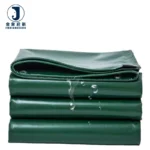

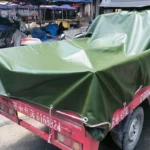
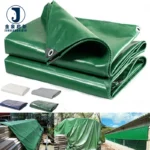
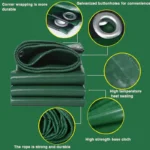
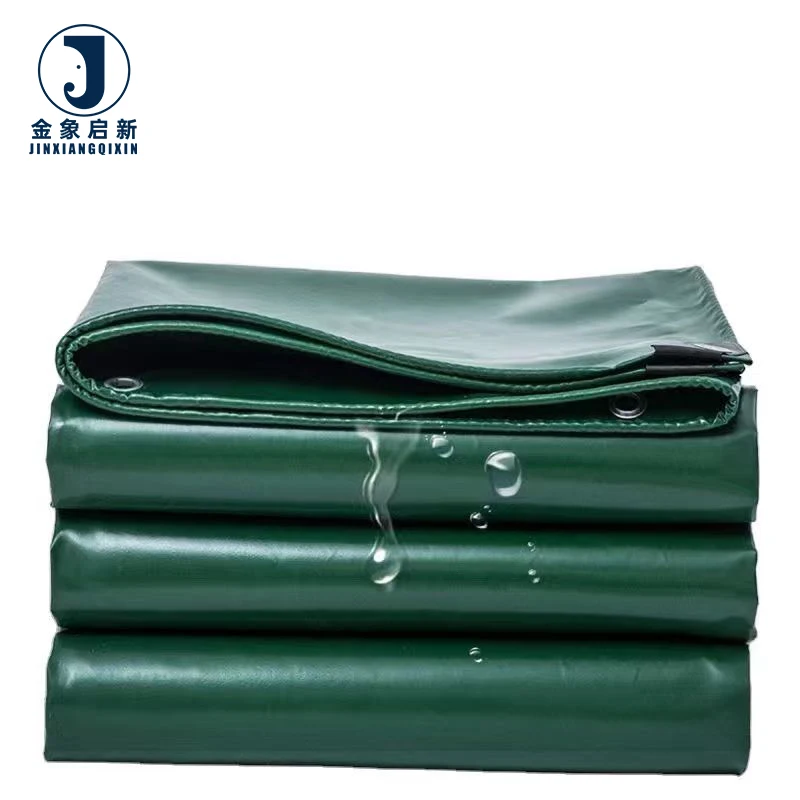
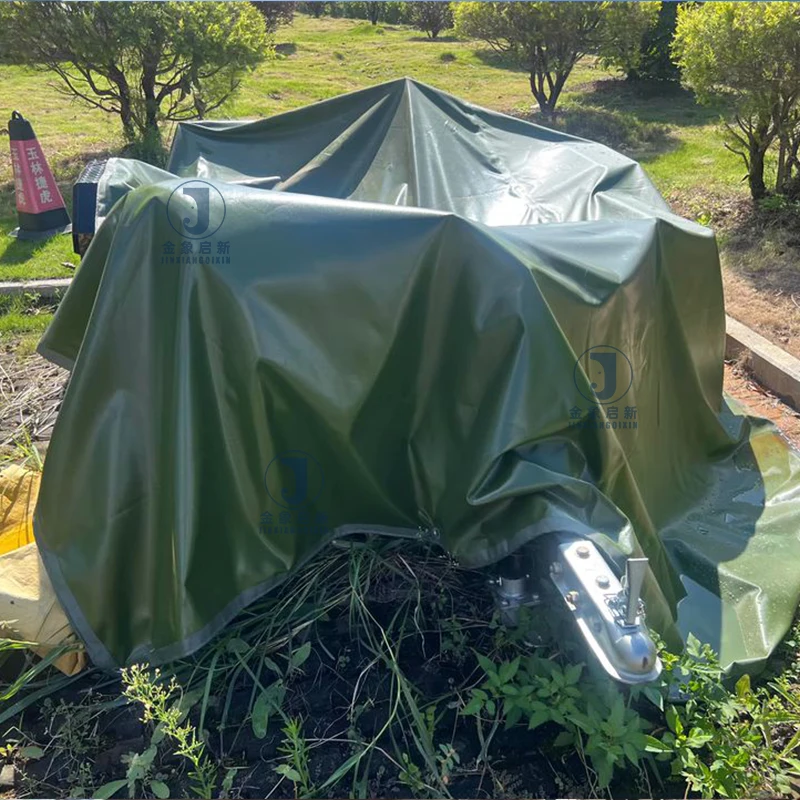
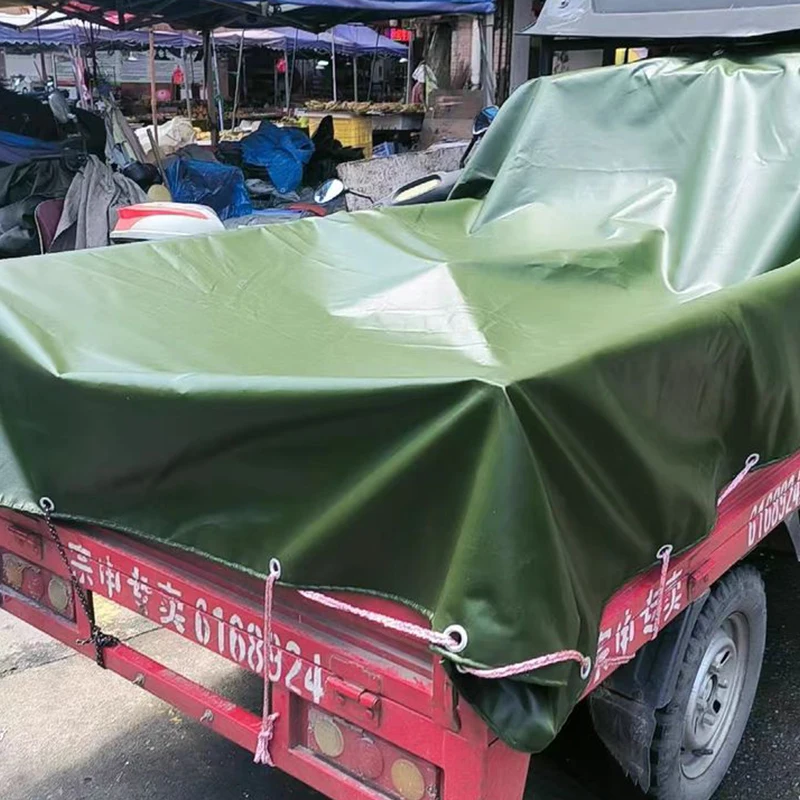
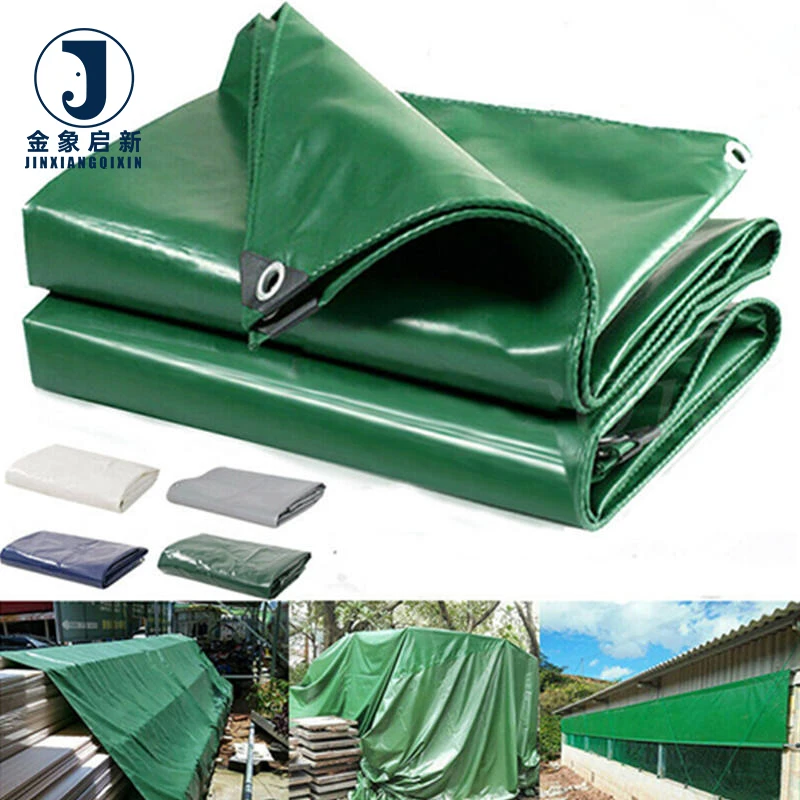
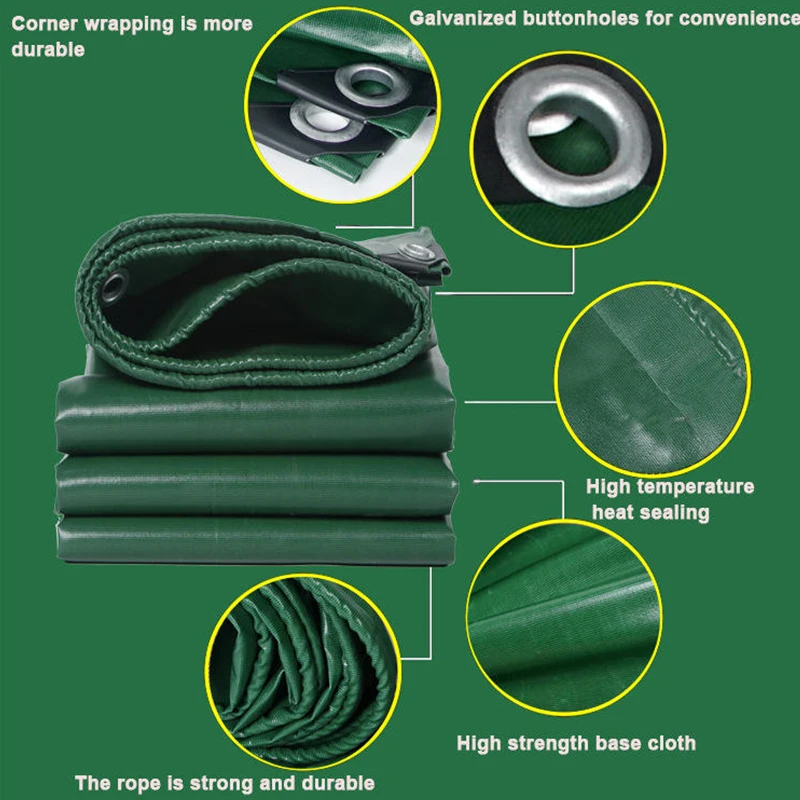
Coating Consistency Control — every roll of PVC coated tarpaulin fire retardant / anti-static / certified grade is verified for coating weight and adhesion at each production stage before dispatch.
Technical Specifications
| Parameter | Value |
|---|---|
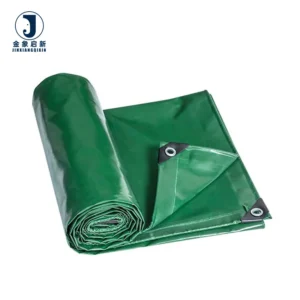
| Product Type | PVC Coated Tarpaulin |
| Weight (GSM) | 250gsm-1500gsm (range covers product family — confirm the grade for this item) |
| Base Fabric Denier | 200D×300D / 500D×500D / 840D×840D / 1000D×1000D |
| Finish | Glossy or matte |
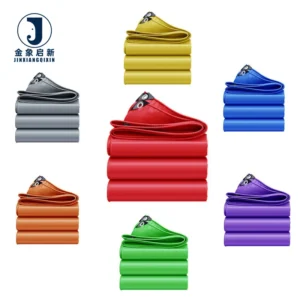
| Color Options | Blue, yellow, black, green, white, or custom colour matching |
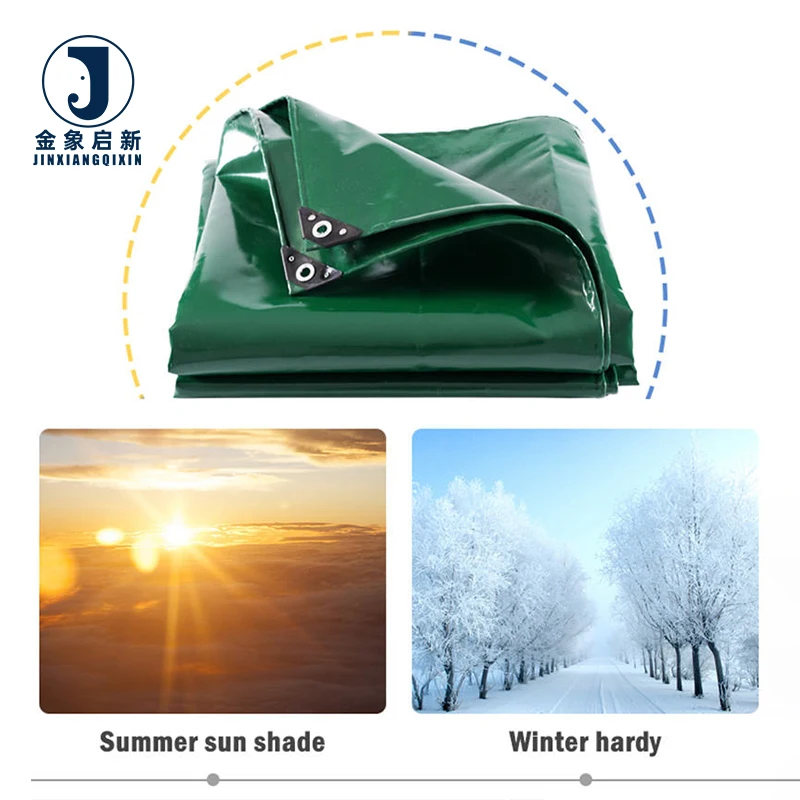
| Temperature Range | -15°C to 70°C |
| UV Treatment | Customized (test basis not stated in source) |
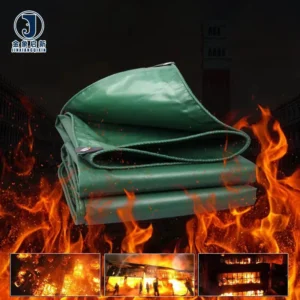
| Flame Retardant | FR treated (grade not stated in source) |
| Anti-Fungal | Yes |
| Waterproof | Yes |
| Key Features | Water-proof, rain-resistant, tear-resistant, durable, good flexibility and adhesion strength, abrasion-resistant |
Application Suitability
| Application | Exposure & Requirement |
|---|---|
| Tent roof covering | Sustained UV exposure, wind uplift loading, rain ingress prevention, fire safety compliance for public assembly |
| Lumber stockpile cover | Prolonged outdoor weathering, abrasion from rough timber surfaces, moisture barrier to protect inventory value |
| Membrane structure panels | Tensile loading across span, thermal expansion cycling, weld seam integrity at flex points |
| Inflatable structure fabric | Internal air pressure stress, repeated inflation and deflation cycles, seam adhesion under cyclic loading |
| Outdoor equipment protection | Impact and abrasion resistance, waterproof barrier, UV degradation resistance over extended deployment |
What "Fire Retardant" Means When No Grade Is on the Certificate
Buyers of PVC coated tarpaulin fire retardant / anti-static / certified material need a classification code, not a marketing claim — confirm the grade required for your market before ordering.
I have reviewed too many material data sheets where flame retardant is listed as a feature without any reference to M2, B1, NFPA 701, or DIN 4102. When a mining site safety officer or a tent event inspector asks for the fire classification, a generic statement does not pass the audit. The consequence is typically a rejected delivery or a last-minute replacement sourced at a premium. [NEED_CITE: DIN 4102 fire classification for building materials]
Coating Technology and Ventilation Duct Compliance
This PVC coated tarpaulin fire retardant / anti-static / certified fabric is engineered for applications where fire safety and airflow compliance intersect. In aviation hangars, mining tunnels, and construction ventilation systems, the duct material must meet specific fire classification and anti-static thresholds set by site regulation. The coating formulation and base fabric denier together determine whether the finished duct passes the required test protocol.
The base fabric options span from 200D×300D for lighter ventilation ducting to 1000D×1000D for heavy-duty membrane structures and temporary roofing where tensile demands are higher. Coating adhesion is verified through in-process quality checks, ensuring the PVC layer does not delaminate under the flexing and vibration typical of industrial duct installations. [NEED_CITE: tensile and tear test methods for coated fabrics per ISO 1421]
How Denier, Coating Weight, and Surface Finish Interact
The relationship between base fabric denier and GSM is often misunderstood. A 500D×500D base fabric at a given coating weight will behave differently from a 1000D×1000D base at the same weight — the heavier denier provides higher tear propagation resistance, while the coating weight contributes to waterproof integrity and surface abrasion tolerance. Specifying GSM alone without referencing denier leaves a gap that can surface as premature failure at stress points.
The coating method directly affects weld behaviour and peel strength. Knife-coated fabrics typically deliver higher adhesion between the PVC layer and the base yarn, which matters when thermal or RF welding is used to join panels in tent and membrane structures. A coating that separates from the yarn at the weld line defeats the purpose of specifying a high-tensile base fabric.
Finish selection — glossy or matte — influences more than appearance. Glossy surfaces shed dirt and water more readily, which is relevant for lumber covers exposed to sawdust and resin. Matte finishes offer better ink adhesion for printed branding and reduce glare in tent interiors where light reflection affects occupant comfort. The operating temperature range of -15°C to 70°C sets the boundary for deployment; below this range the PVC may stiffen and become vulnerable to crack propagation under impact.
The Cost of Specifying Without Verification
When flame retardant is claimed but the test report does not match the target market’s fire classification, the entire shipment can be rejected at the project inspection stage. This is not a minor paperwork issue — tent structures for public events, mining ventilation ducts, and construction site enclosures all carry compliance sign-off requirements that halt installation until documentation is resolved. [NEED_CITE: NFPA 701 standard test methods for fire propagation of textiles and films]
Colour variation between rolls in the same order becomes visible once panels are installed side by side on a tent roof or membrane facade. For contractors working to a project timeline, discovering batch inconsistency after fabrication means either accepting an uneven appearance or absorbing the cost of replacement material and re-fabrication. The same principle applies to GSM: if the coating weight on arrival is lighter than specified, the fabric may not deliver the tensile and abrasion performance the structure was engineered around.
Welded seams represent another failure point that traces back to specification decisions. When the coating adhesion or base fabric compatibility does not match the welding method used on site, the seam can fail before the body of the fabric shows any sign of wear — particularly at flex points where the structure moves under wind or mechanical load.
Why Source This Material Here
Deep process control over coating weight and adhesion is maintained across three full production lines with 36 sets of professional equipment, supporting consistent output from sample roll to container-load volume.
A 10-person R&D team handles material selection, colour matching, and custom sizing for this PVC coated tarpaulin fire retardant / anti-static / certified range, developing samples within days for evaluation before bulk commitment.
Dedicated QA/QC inspection runs at every production stage with 100% pre-shipment verification, so coating weight, colour, and treatment specifications are checked against the order sheet before packing.
ISO and CE certified production provides a documentation framework that supports customs clearance and project compliance submissions across markets in North America, Europe, and Asia.
Custom width, colour, and treatment specifications are supported without prohibitive minimums, allowing trial orders for new applications before scaling to full project volume.
Documentation & Verification
- Material specification sheet stating GSM, base fabric denier, coating method, and colour reference per roll
- Test reports for flame retardant and UV grades where applicable, tied to the specific production batch
- Pre-shipment inspection record with roll-level weight and visual verification
- ISO and CE certificates available for project compliance submissions
- Certificate of origin and customs documentation for international dispatch
- Roll packing list with individual roll dimensions and net weight
Fabrication, Handling & Storage
- Thermal welding parameters should be calibrated to the specific coating weight and finish — glossy and matte surfaces respond differently to heat input
- Store rolls upright on pallets in a shaded, ventilated area to prevent flat-spot deformation on the coating surface
- When cutting heavy-denier grades such as 1000D×1000D, use reinforced edge binding at stress points to prevent yarn pull-out
- Allow cold-stored rolls to reach ambient temperature before unrolling to avoid micro-cracking in the PVC coating layer
- Clean glossy surfaces with mild detergent and soft cloth; avoid abrasive pads that score the coating and reduce waterproof integrity
- Plan panel layout across roll width to minimize off-cuts and reduce the number of welded seams in high-load zones
Request a Specification Match
Provide the fire classification and anti-static standard required by your project or site regulation so we can confirm the treatment grade and test documentation available. Specify the target application, required denier and coating weight, roll width, and estimated annual volume. If colour matching or custom printing is needed, share the Pantone or RAL reference along with panel dimensions for fabrication assessment. Samples are developed within days once the specification parameters are confirmed.
Frequently Asked Questions
Q: Which flame retardant grades are available and how do they map to market requirements?
A: This PVC coated tarpaulin is available in flame retardant grades — confirm the grade required for your market. Common classifications include M2, B1, NFPA 701, and DIN 4102. We provide test reports tied to the specific production batch so the documentation matches your project compliance submission. Share your target standard and we will confirm availability and lead time.
Q: How is GSM verified to match the quotation before shipment?
A: Every roll undergoes coating weight verification during production and again at the pre-shipment inspection stage. The inspection record documents actual GSM against the stated specification. This prevents the common issue where material arrives lighter than agreed, which can compromise tensile performance and project engineering calculations.
Q: How do you ensure colour consistency across multiple rolls for large installations?
A: Colour matching is controlled at the coating stage with reference samples checked against the order specification. Rolls in the same production batch are inspected side by side before packing to identify any visible variation. For tent roofs and membrane facades where panels are installed adjacent to each other, this step prevents the visible banding that triggers rework on site.
Q: What welding method is recommended for joining panels in tent and membrane structures?
A: The choice between thermal and RF welding depends on the coating formulation and base fabric denier. Coating adhesion strength determines whether the weld holds at flex points under cyclic loading. We can provide sample panels for your fabricator to test welding parameters against the specific GSM and finish selected, ensuring seam integrity matches the structural design requirements.
Q: What documentation accompanies each shipment for customs and project compliance?
A: Each dispatch includes a material specification sheet, roll packing list, pre-shipment inspection record, and applicable test reports for the treatments specified. ISO and CE certificates and a certificate of origin are provided to support customs clearance and project sign-off. Fire retardant and anti-static test reports are batch-specific where the treatment grade has been confirmed for your market.