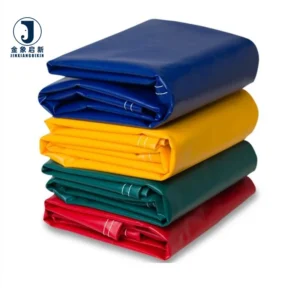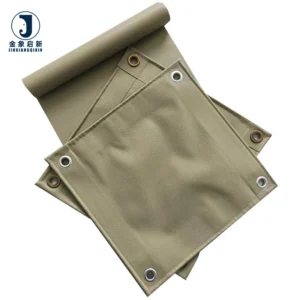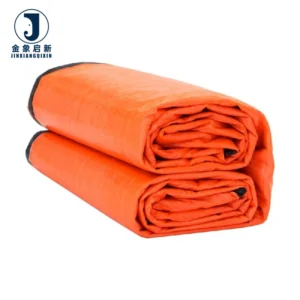

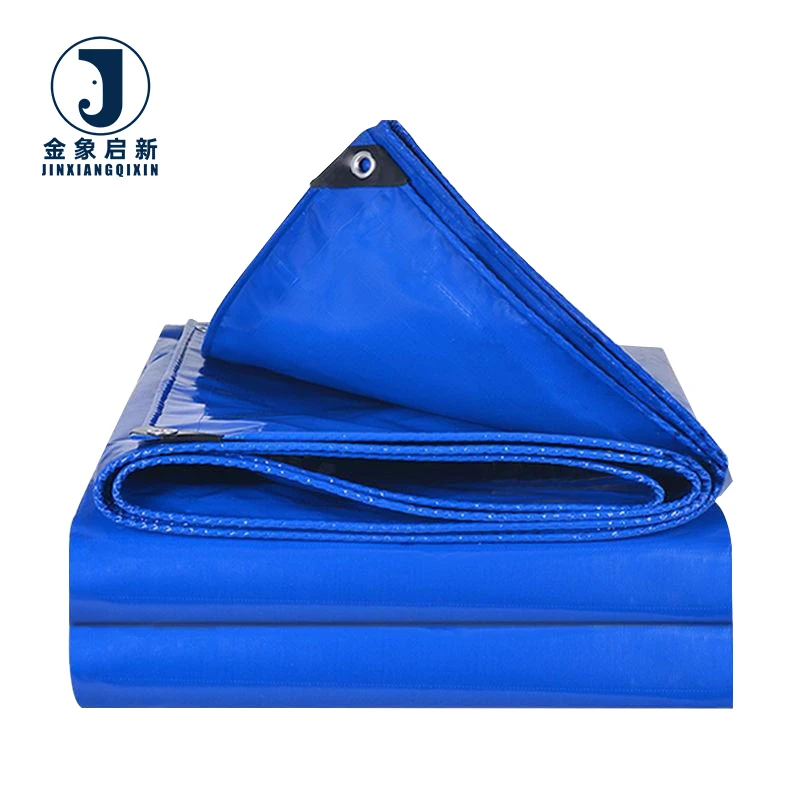
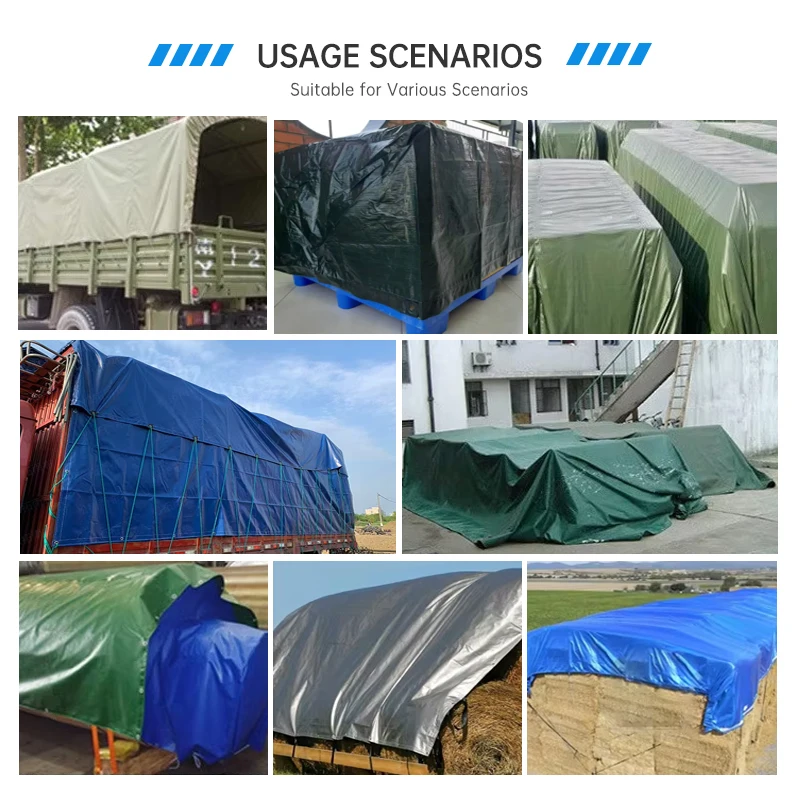
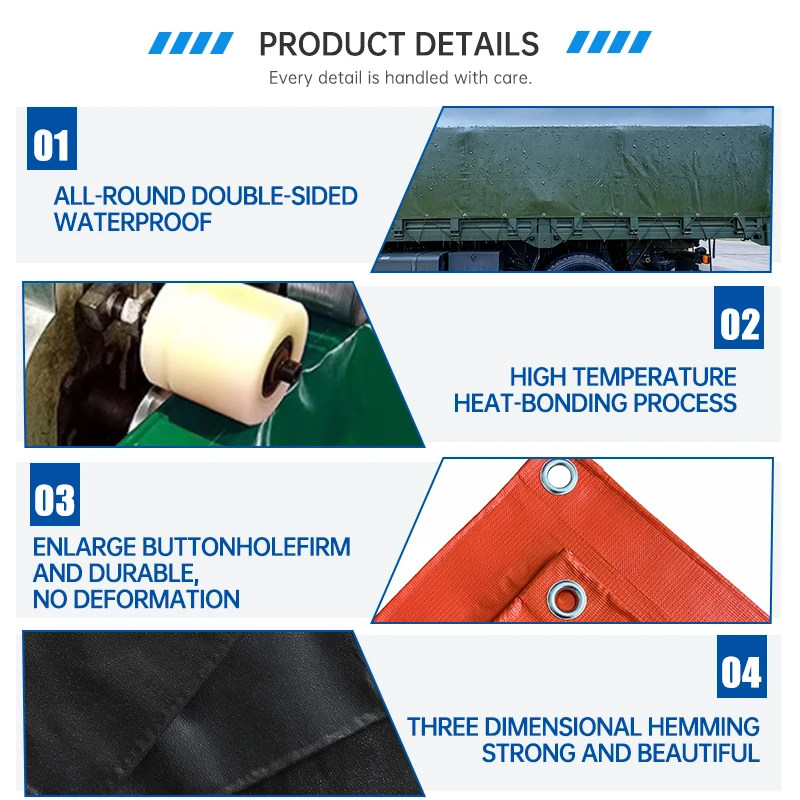
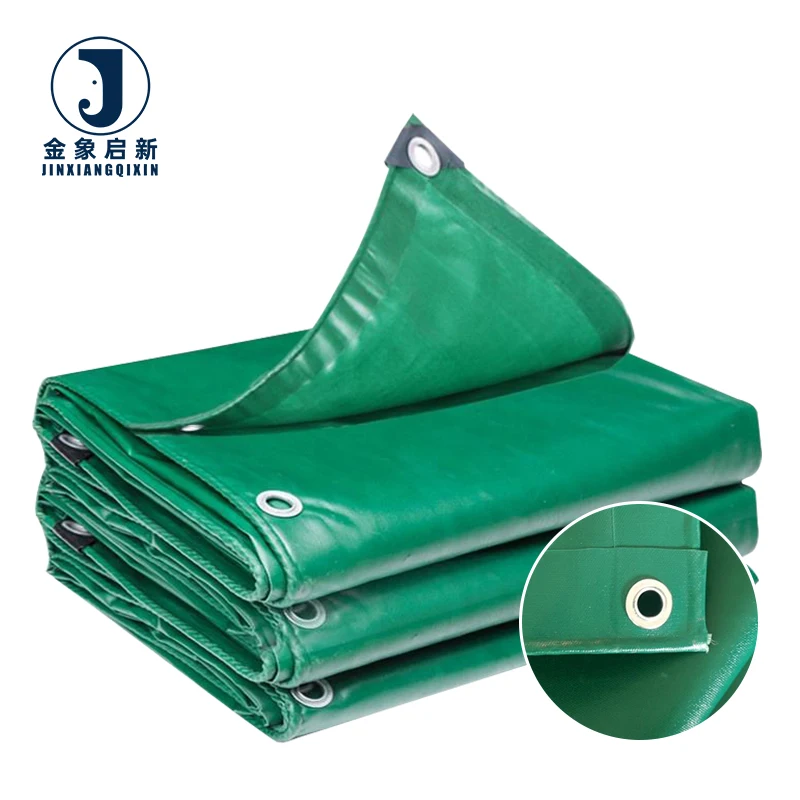
Coating Process Control — nearly 30 years focused on PVC coated fabric with dedicated QA/QC at every production stage, ensuring consistent coating weight and adhesion across every roll of industrial ventilation and specialist structure fabric.
Technical Specifications
| Parameter | Value |
|---|---|
| Product Type | PVC Coated Tarpaulin |
| Base Fabric | Polyester (500D-500D) |
| Coating Material | PVC (double-sided) |
| Weight | 450–900 g/m² (grade to be confirmed per project specification) |
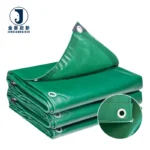
| Surface Characteristics | Smooth, leather-like texture |
| Key Features | Water Resistant, Flame Retardant (grade not stated in source — confirm required grade), Anti-UV (test basis not stated — confirm standard), Hot Air Weldable |
| Repairability | Field repairable via hot air welding |
| Service Life | Suited to extended outdoor exposure |
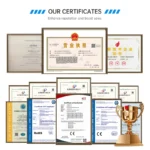
| Standards | ISO, CE (specific standard numbers to be confirmed per shipment) |
Application Suitability
| Application | Exposure & Requirement |
|---|---|
| Mining & tunnelling ventilation duct | Continuous airflow, underground moisture, fire-retardant and anti-static compliance mandated by site safety regulation |
| Aviation ground support air duct | High-velocity air movement, tarmac UV exposure, flame-retardant specification per aviation authority |
| Inflatable & membrane structures | Wind load, UV exposure, airtight seam integrity, structural stability under inflation pressure |
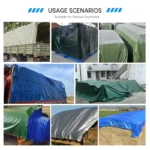
| Temporary industrial enclosures | Weather exposure, equipment protection, rapid deployment and demounting cycles |
Why "Flame Retardant" on a Datasheet Is Not Enough for Your Site Inspector
A claim without a test standard is a liability the moment the inspector asks for documentation.
When a ventilation duct arrives on a mining site with only the words "flame retardant" on the label and no matching test report, the installation halts. The site safety officer needs a grade referenced to a recognised standard — B1 per DIN 4102, M2 per NF P 92-507, or whatever the local mining code mandates. Without it, the duct sits in the laydown area while the project schedule slips. PVC coated tarpaulin for industrial ventilation and specialist structure applications must arrive with compliance paperwork that matches the specification the contractor bid on. [NEED_CITE: fire classification standards for ventilation ductwork in underground mining]
Base Fabric Architecture and Coating Bond
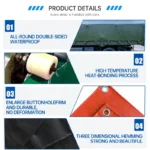
The 500D-500D polyester base fabric provides the dimensional stability that continuous duct sections demand. Double-sided PVC coating locks around each yarn intersection, preventing the coating delamination that opens leakage paths at weld seams under sustained air pressure. This construction is critical for airtight duct runs where even minor coating separation causes measurable static pressure loss over the length of the installation.
Weldability and Continuous Duct Construction
Hot air welding produces continuous seams that match the parent fabric in both tensile and peel strength. Unlike stitched joints that create needle holes and potential leak points, welded seams on PVC coated tarpaulin deliver the airtight integrity required for positive and negative pressure ventilation systems. Field repairability through the same welding process means damaged sections can be patched on site without removing the entire duct run. [NEED_CITE: peel strength test methods for heat-welded PVC coated fabrics per ISO 1421]
Reading the Specification Sheet for Duct and Membrane Use
Weight in GSM, base fabric denier, and coating weight interact to determine whether a fabric suits duct construction or membrane structure use. A heavier GSM with a 500D-500D base provides the tear resistance needed where duct sections flex at support brackets, but the same weight in a membrane application may be unnecessary mass that increases dead load on the supporting frame. The coating method — whether knife-over-roll or dip coating — controls how deeply PVC penetrates the weave and directly affects both the peel strength at welded seams and the surface smoothness needed for airflow efficiency. Surface finish matters too: a smooth face reduces dust accumulation inside ventilation ducts and improves light reflectance on membrane structure interiors. Selecting the correct grade requires matching these parameters to the mechanical and environmental demands of the specific installation rather than defaulting to the heaviest option available.
What Happens When the Duct Fabric Fails the Compliance Check
A duct fabric that lacks the correct anti-static surface resistance reading on a mining site does not just fail inspection — it represents an ignition risk in a methane-bearing atmosphere that the site operator cannot accept under any circumstances. Similarly, a flame-retardant grade that does not match the specification referenced in the project safety plan forces the contractor to either remove and replace the installed duct at significant cost or apply for a deviation that the regulator may not grant. Batch colour inconsistency across rolls matters less underground but becomes a visible defect on membrane structures where panels installed side by side reveal tonal shifts to the client walking past every day. [NEED_CITE: anti-static surface resistance requirements for ventilation ducting in coal mining environments]
How the Production Process Protects Your Specification
A 10-person R&D team handles material selection and sample development against your project specification, so the fabric proposed matches the fire-retardant grade and anti-static requirement you documented. Dedicated in-process QA checks coating weight and adhesion at every production stage rather than relying solely on end-of-line sampling. Three full production lines and 36 sets of professional equipment support the bulk capacity needed for large duct installations without splitting the order across multiple production windows that could introduce batch variation. Pre-shipment inspection at 100 percent coverage means every roll is checked against the stated GSM and colour reference before it leaves the facility. Samples are developed within days when custom fire-retardant grades or anti-static treatments need validation against your site standard before full production is committed.
Documentation & Verification
- Material specification sheet stating base fabric denier (500D-500D), coating material, and confirmed GSM per roll
- Flame-retardant test report referencing the specific grade and test standard applicable to your project
- Anti-static surface resistance test report where mining or tunnelling duct compliance is required
- Pre-shipment inspection record confirming GSM, colour, and weld sample peel strength before dispatch
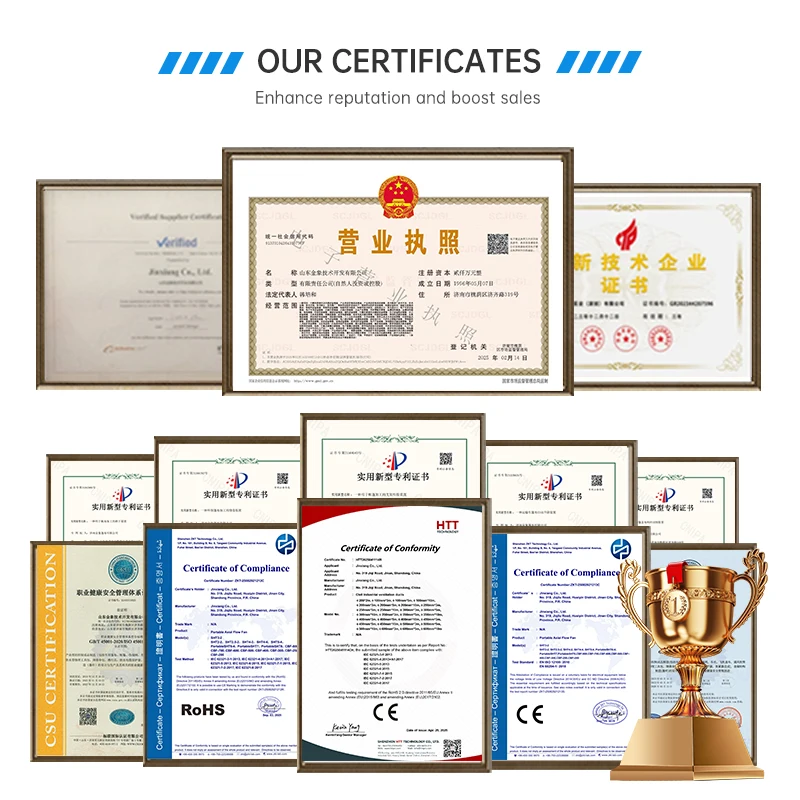
- Certificate of origin and customs documentation for international shipment clearance
- Roll packing list with individual roll identification for traceability on site
Fabrication, Handling & Storage
- Hot air weld temperature and speed parameters must be matched to the specific PVC coating weight to achieve full seam fusion without scorching
- Roll storage on pallets in a covered area prevents surface compression marks that telegraph through to the finished duct or membrane panel
- Cold-condition rolls should acclimatise before unrolling to prevent coating micro-cracking at low temperatures
- Weld test coupons cut from each production batch confirm seam peel strength before full-length duct fabrication begins
- Surface cleaning with PVC-compatible solvents preserves the coating plasticiser balance and extends membrane appearance life
What to Include in Your Enquiry
Provide the ventilation or membrane application, the fire-retardant or anti-static standard your site or project mandates, and the total linear metres or roll quantity required. Specify whether you need supply by the roll for your own fabrication facility or finished duct sections with welded seams and flanges to your dimensional drawing. Confirm the colour reference if membrane panels will be installed in architecturally visible positions where batch consistency is critical.
Frequently Asked Questions
Q: What fire-retardant grades are available and which test standards do they meet?
A: PVC coated tarpaulin is available in flame-retardant grades, with the specific grade and corresponding test standard (such as DIN 4102 B1, NF P 92-507 M2, or other local equivalents) confirmed against your project requirement. Provide the standard referenced in your safety specification and the matching test report will accompany the shipment.
Q: How is anti-static performance measured and certified for mine ventilation duct?
A: Anti-static treatment is verified through surface resistance testing, with the measurement method and acceptable range matched to the mining regulation applicable to your site. A test report stating the measured surface resistance value accompanies duct fabric where anti-static compliance is specified in the order.
Q: What base fabric denier and coating weight suits duct versus membrane structure use?
A: Ventilation duct construction typically requires a 500D-500D polyester base with sufficient PVC coating weight to support airtight welded seams and resist tearing at support brackets. Membrane structures may use the same base denier with a lighter coating weight where reduced dead load is preferred. The correct combination depends on your structural engineer’s load and pressure calculations.
Q: Can PVC coated tarpaulin be hot air welded for continuous duct sections?
A: Yes, the double-sided PVC coating on the polyester base fabric is fully hot air weldable, producing continuous seams with peel strength matching the parent material. This enables airtight duct construction without the needle holes and leak paths associated with stitched joints. Weld parameters should be confirmed with sample coupons before full production.
Q: What documentation accompanies each shipment for site compliance verification?
A: Each shipment includes a material specification sheet, applicable flame-retardant or anti-static test reports, a pre-shipment inspection record, roll packing list, and certificate of origin. These documents provide the traceability your site safety officer or project inspector requires to approve the installed duct or membrane against the project specification.