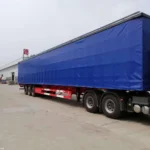
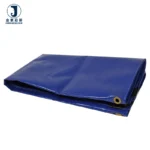
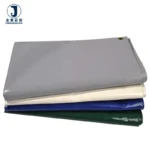
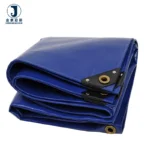
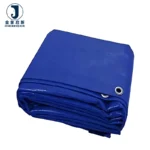
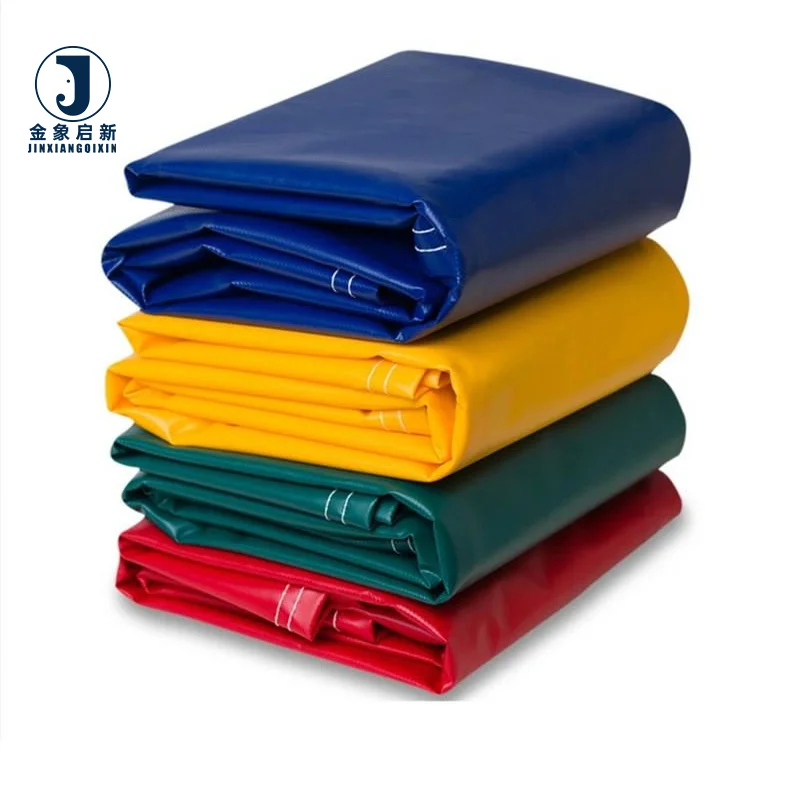
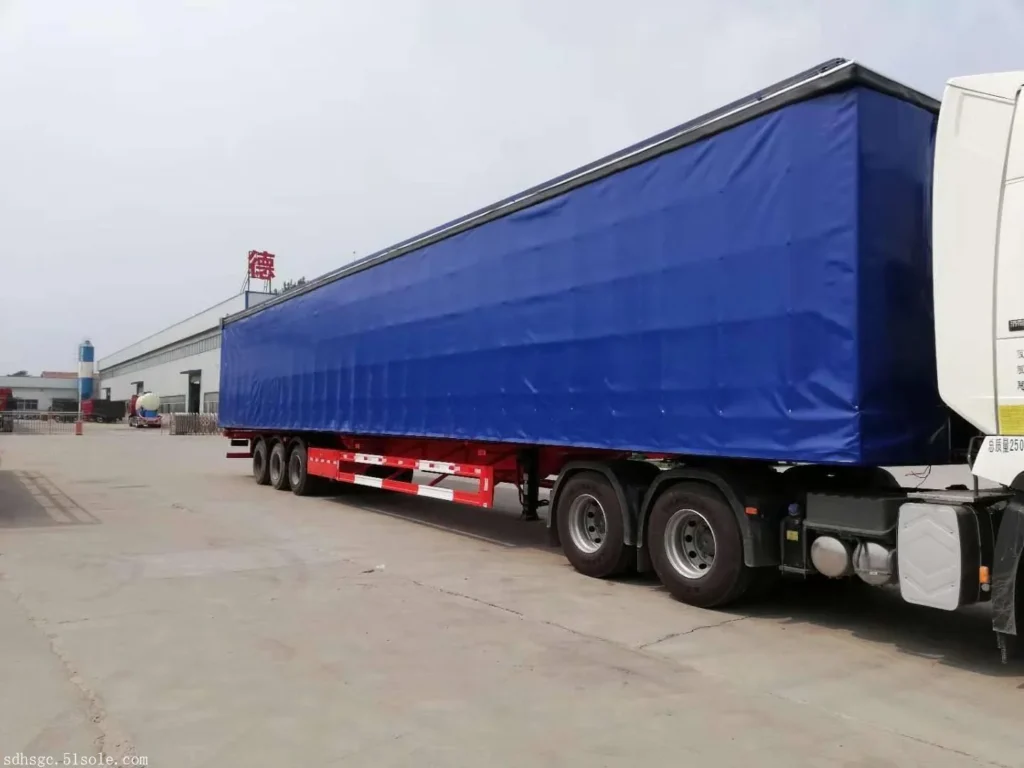
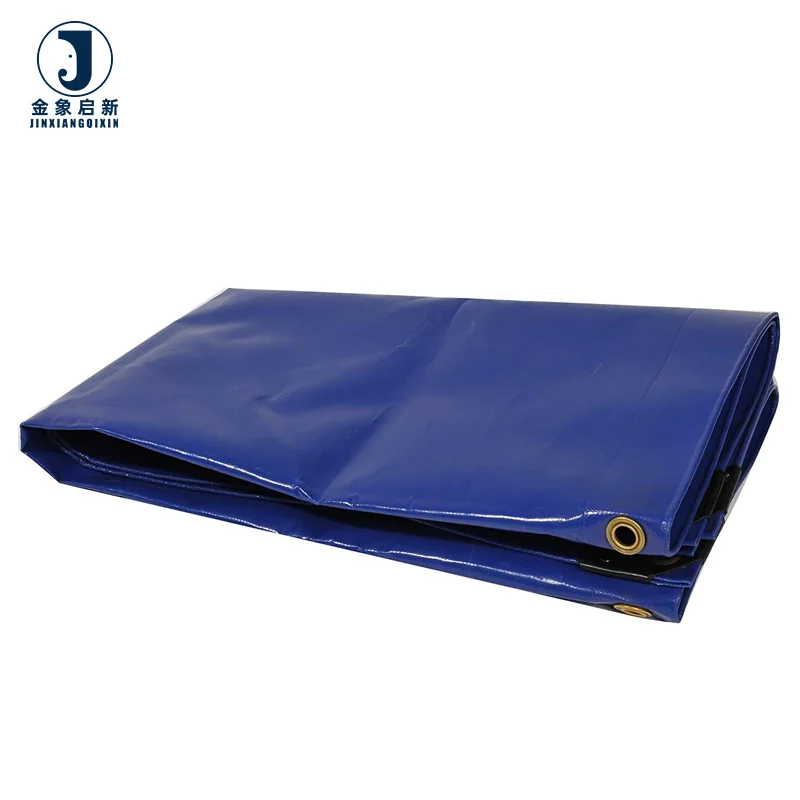
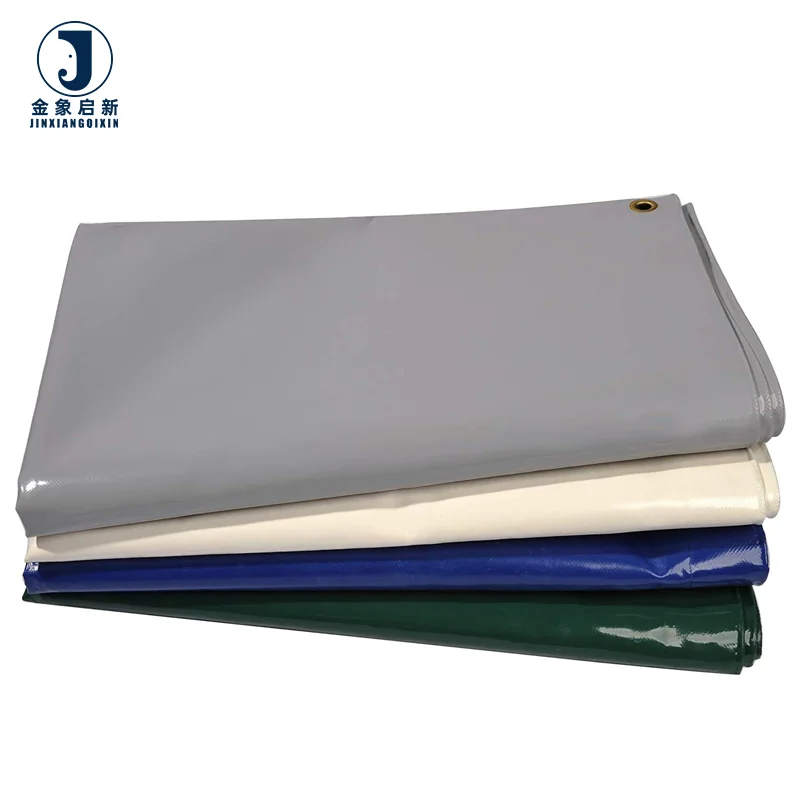
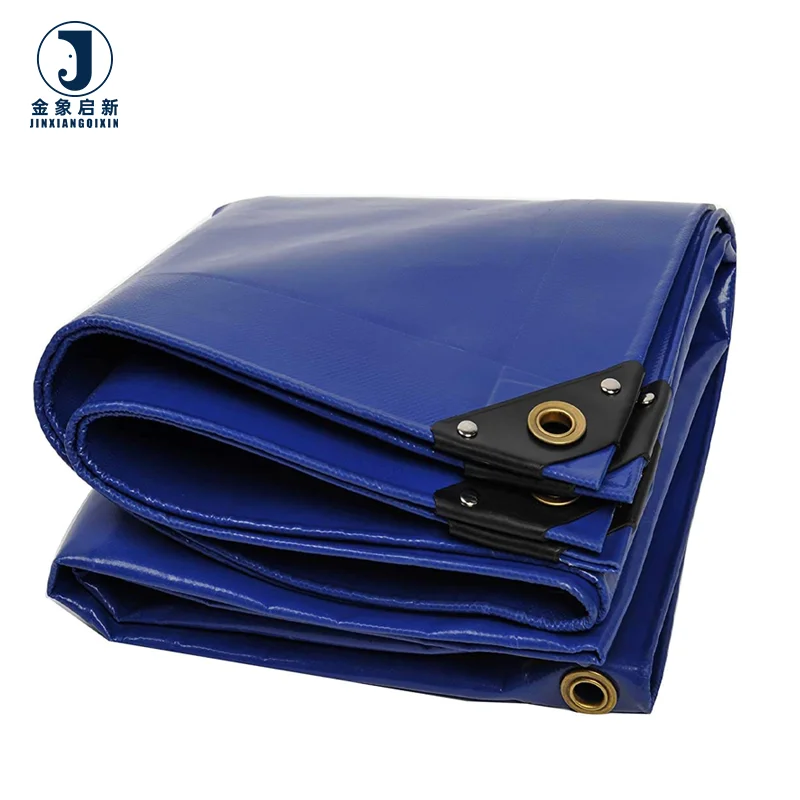
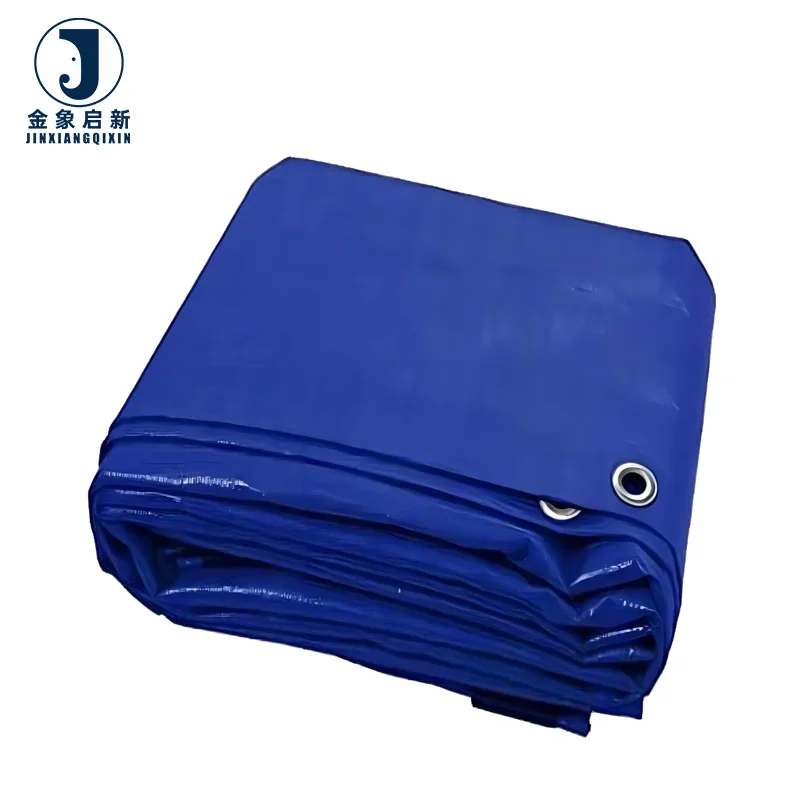
Coated Fabric Expertise — Nearly 30 years of focused production control over coating weight, adhesion and functional treatment, verified at every stage from base fabric to finished roll.
Technical Specifications
| Parameter | Value |
|---|---|
| Product Type | PVC Coated Tarpaulin |
| Specification | 1000d PVC coated tarpaulin fire retardant / anti-static certified |
| Base Fabric Denier | 500D×840D, 500D×1000D, 1000D×1000D, 1000D×1300D, 1300D×1300D, 1000D×2000D |
| Weight Range | 350 gsm, 400 gsm, 420 gsm, 500 gsm, 600 gsm, 650 gsm, 750 gsm, 900 gsm |
| Total Thickness | 0.29 mm – 0.65 mm (grade-dependent) |
| Density (Warp × Weft) | 30×19, 20×20, 30×15 |
| Tensile Strength (Warp) | 1650 N – 3900 N (test basis not stated) |
| Tensile Strength (Weft) | 1600 N – 3500 N (test basis not stated) |
| Coating Material | Double-sided PVC |
| Joining Methods | High frequency hot melt, hot air welding, sewing |
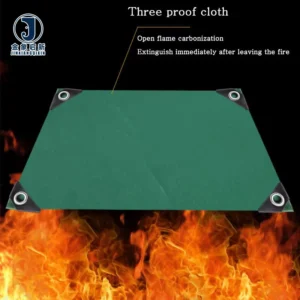
| Fire Retardant | Available in flame retardant grades — confirm the grade required for your market (e.g. M2, B1, NFPA 701) |
| Anti-Static | Available in anti-static grades — confirm surface resistance standard for your jurisdiction |
| Additional Features | Waterproof, anti-UV (test basis not stated), heavy metal free, anti-mildew, flexible, self-clean |
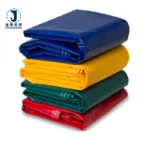
| Printing | Printable, customised |
| Width | 2 m, 2.1 m |
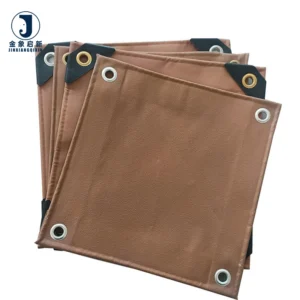
| Eyelet & Hem | 3 cm enlarged aluminium alloy buttonhole, reinforced corners, 5 mm rope without splicing, heat-sealed seamless edge wrapping |
| Standards | ISO, CE |
Application Suitability
| Application | Exposure & Requirement |
|---|---|
| Mining and tunnelling ventilation duct | Continuous airflow, particulate loading, fire and static discharge risk underground |
| Aviation ground support duct | Fuel-rich environment, strict flame retardant compliance, frequent deployment and retraction |
| Membrane and tensile structures | Long-term UV exposure, wind load cycling, high tensile demand at anchor points |
| Inflatable structures | Internal pressure stress, repeated inflation cycles, seam integrity under flex |
| Industrial air duct for construction sites | Dust and moisture exposure, temporary installation with rapid teardown |
Why Fire Retardant Certification Matters More Than the Label Alone
A PVC coated tarpaulin fire retardant claim without a documented grade is a compliance liability waiting to surface at the inspection stage. The only fire retardant specification that passes site audit is one backed by a test report citing the exact standard your jurisdiction enforces.
Buyers in mining, aviation and specialist construction regularly receive material labelled "flame retardant" only to discover the test was run to a standard their site safety officer does not recognise. The material is then rejected on arrival, the duct or structure cannot be commissioned, and the project absorbs delay cost while a replacement is sourced. This pattern repeats across jurisdictions that mandate DIN 4102 B1, NFPA 701 or M2 classification. [NEED_CITE: DIN 4102 fire classification for building materials]
Matching Base Fabric Denier to Duct and Structure Load
The base fabric is where structural capacity begins. Options in this range run from 500D×840D through to 1000D×2000D, with warp tensile strength scaling accordingly up to 3900 N. For ventilation duct applications where the fabric must resist internal positive or negative pressure without stretching, the higher denier constructions carry the load across fewer yarns, reducing the risk of individual yarn failure propagating into a tear. Membrane structures subject to sustained wind uplift similarly demand the heavier base fabric grades. Selecting the correct PVC coated tarpaulin fire retardant grade begins with the mechanical load the finished product will carry.
Functional Treatment and What Documentation Should Accompany It
Fire retardant and anti-static treatments are available across this PVC coated fabric range, but each must be confirmed against the compliance standard your project specifies before production starts. Fire retardant grades map to different test methods depending on the market — a mining ventilation duct in one region may require a specific surface resistance value, while an aviation ground support duct may demand a particular flame spread classification. Anti-static treatment for underground duct applications requires documented surface resistance measurements that align with the regulatory framework governing the site. [NEED_CITE: anti-static surface resistance requirements for underground ventilation duct]
Reading the Specification Table Against Your Application
Weight in gsm and base fabric denier together define how the material will behave under load, but neither tells the full story in isolation. A 650 gsm fabric at 1000D×1300D with a 20×20 density will distribute tensile force differently than a 750 gsm fabric at 1300D×1300D, because the heavier yarn count carries more load per yarn while the denser weave spreads it across more intersection points. Coating weight influences tear propagation resistance and the quality of welded seams — a thicker coating layer provides more material for the heat-activated bond, which is critical when duct sections are joined by high frequency hot melt or hot air welding. Total thickness correlates with stiffness and handling weight, affecting how large-format panels behave during installation on a structure or duct run.
The Cost of Specifying Without Verification
When a ventilation duct is supplied without the fire retardant or anti-static certification the site requires, the entire installation must be halted until compliant material arrives. When gsm stated on the quotation is not verified on arrival, the lighter material may not hold the internal pressure the duct was designed for, leading to sagging sections and reduced airflow. Colour varying between rolls in the same order becomes visible once membrane panels are installed side by side on a structure, forcing selective replacement. Welded seams failing before the fabric does, at the point the load flexes most, is a consequence of coating weight or welding parameters not matched to the base fabric grade. [NEED_CITE: tensile and tear test methods for coated fabrics per ISO 1421]
Why Source This PVC Coated Fabric Here
Deep process control over coating weight and adhesion comes from nearly 30 years of focused production on coated fabric, not generalist textile trading. Three full production lines and 36 sets of professional equipment give this facility the capacity to run bulk roll orders with consistent output, which matters when a mining project needs multiple containers of the same fire retardant grade on a fixed timeline. The 10-person R&D team handles material selection, sample development and custom sizing before production begins, so the specification is locked before the line starts. Dedicated QA/QC runs at every production stage with 100 percent inspection before shipment, and each roll ships with documentation tied to its batch.
Documentation & Verification
- Material specification sheet stating base fabric denier, coating weight, gsm and density per roll
- Fire retardant test report citing the specific grade and standard applicable to your site jurisdiction
- Anti-static surface resistance measurement matching mining or tunnelling regulatory requirements
- Pre-shipment inspection record confirming gsm and visual quality against agreed specification
- ISO and CE certificates accompanying the shipment for customs and site compliance
Fabrication, Handling & Storage
- High frequency hot melt welding suited to double-sided PVC coating — confirm power and dwell time against gsm grade
- Hot air welding effective for duct section joins on 600 gsm and above where coating thickness supports reliable bond
- Reinforced corners and 3 cm aluminium alloy buttonholes distribute tie-down and suspension loads at stress points
- Store rolls upright on pallets to prevent flat-spot deformation on the outer coating layer
- Unroll in ambient temperature conditions — PVC stiffens below the brittle point and may crack if force-flexed cold
- 5 mm rope without splicing in the hem maintains continuous load path along the sewn or welded edge
What to Include in Your Enquiry
Provide the ventilation duct diameter, run length and whether the installation is underground, above ground or in an aviation facility. State the fire retardant standard and any anti-static surface resistance value required by your site safety specification. Confirm the quantity by roll or by finished cut-to-size panel, along with any custom width, colour or printing requirement. Indicate whether samples are needed for weld parameter testing before the full production run begins.
Frequently Asked Questions
Q: Which fire retardant standard applies to my ventilation duct project?
A: The required standard depends on your jurisdiction and the installation environment — mining, aviation and construction sites each reference different classifications such as DIN 4102 B1, NFPA 701 or M2. Provide your site specification and we will supply the PVC coated tarpaulin fire retardant grade with a test report matching that standard.
Q: How is anti-static compliance documented for underground duct?
A: Anti-static treatment is available with surface resistance measurement matching the regulatory framework governing your mining or tunnelling site. We supply the test documentation with the shipment so your site safety officer can verify compliance at delivery.
Q: How is actual gsm verified before shipment?
A: Every roll undergoes weight verification against the stated gsm during pre-shipment inspection. The inspection record ships with the documentation package, giving you a traceable check before the material leaves the factory.
Q: Which welding method suits duct fabrication best?
A: High frequency hot melt welding produces strong bonds on double-sided PVC coating at most gsm grades. Hot air welding is effective for thicker grades used in heavy-duty duct sections. We can supply sample panels so your fabrication team can confirm welding parameters before production.
Q: Can you supply custom width and roll length for large duct manufacturing?
A: Width options include 2 m and 2.1 m with custom sizing available. Roll length and quantity depend on the gsm grade selected. Provide your cutting layout and we will recommend the roll configuration that minimises waste and seam count in your duct panels.