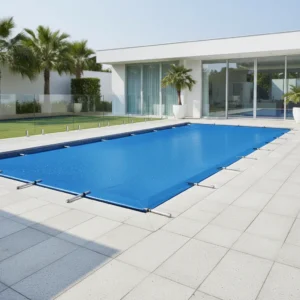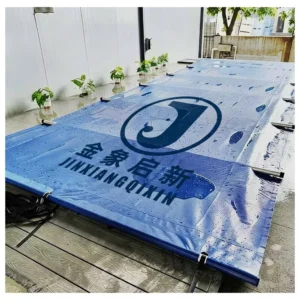
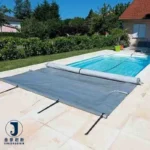
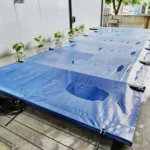
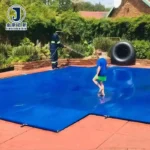
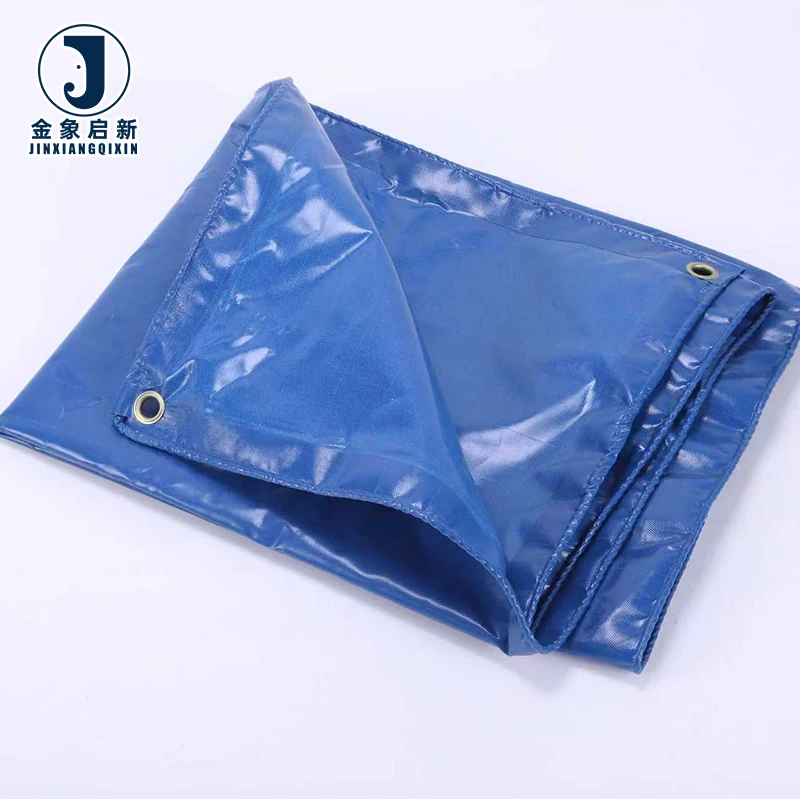
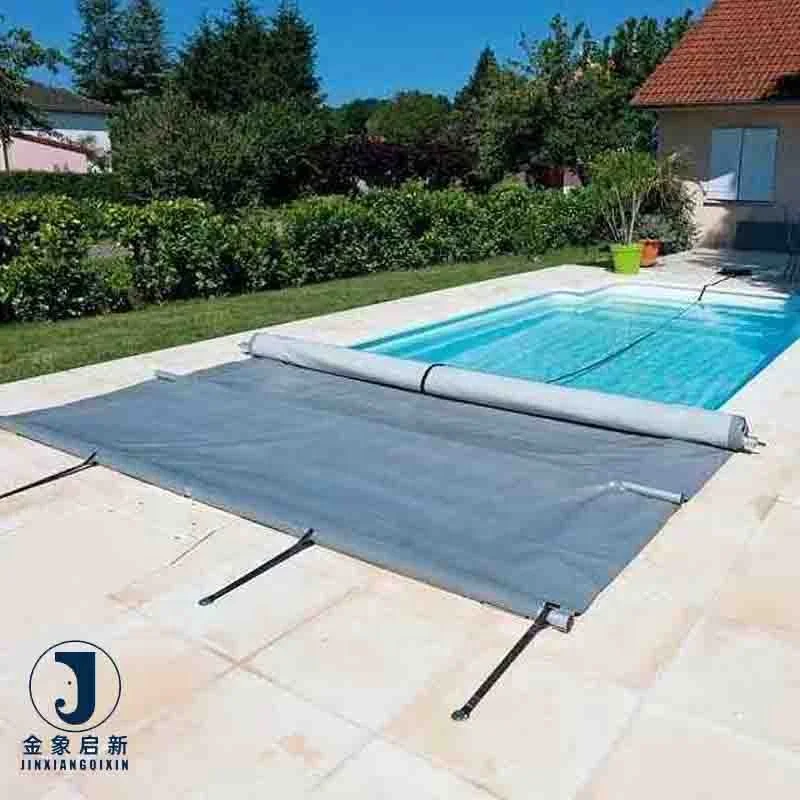
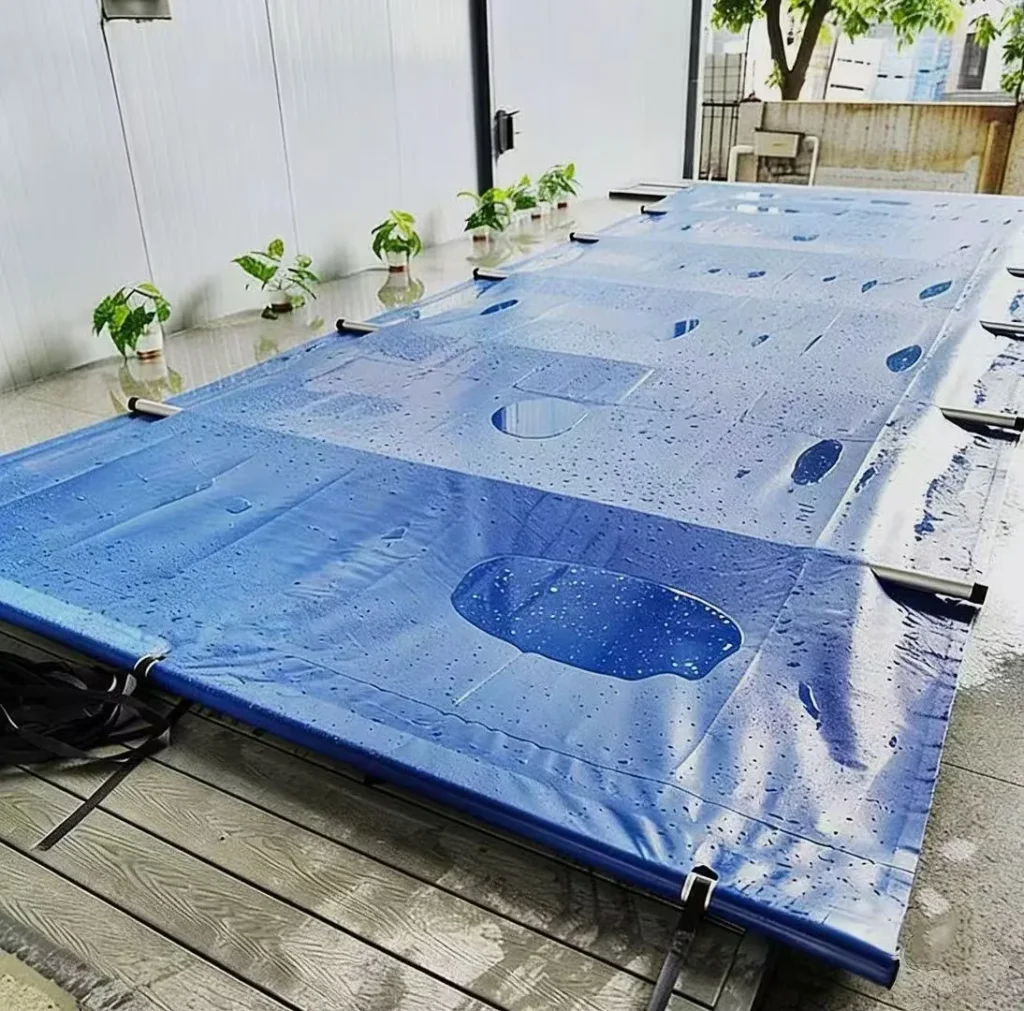
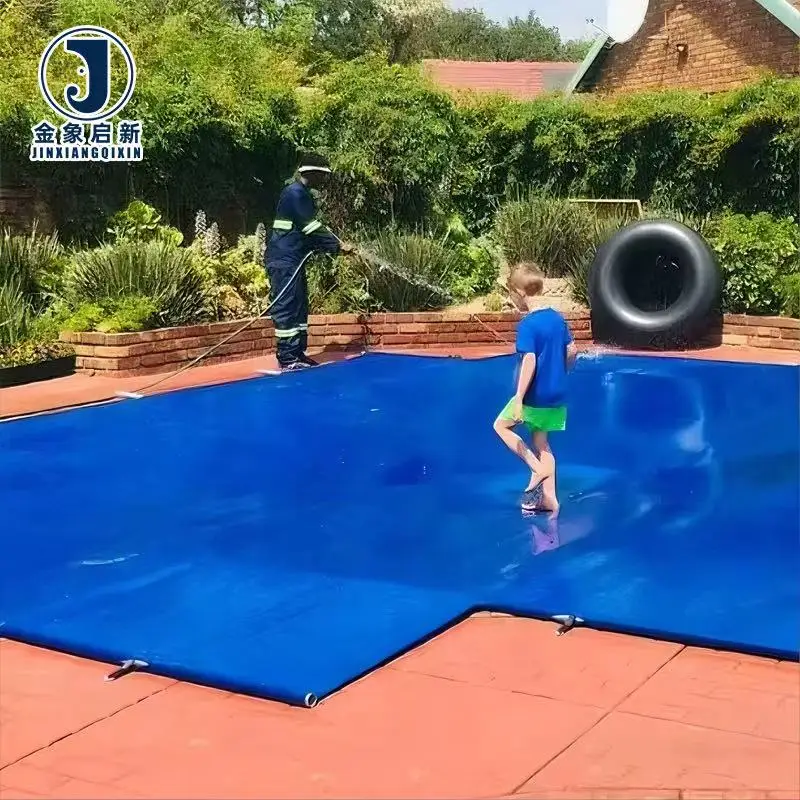
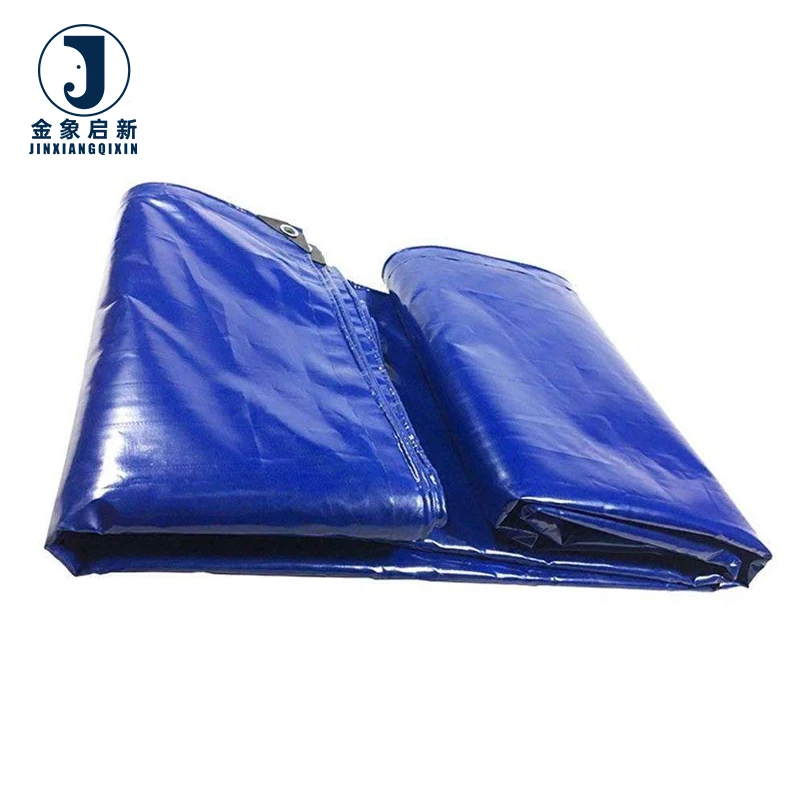
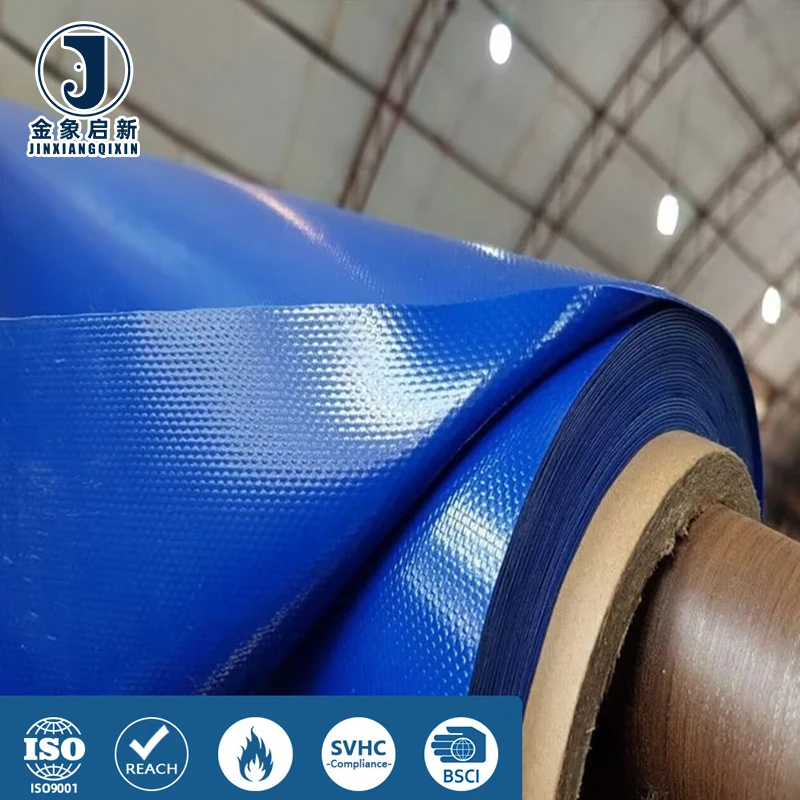
Proven Coating Process Control — our knife-coated PVC pool cover fabric delivers verifiable GSM and adhesion across every roll, backed by dedicated QA at each production stage.
Technical Specifications
| Parameter | Value |
|---|---|
| Product Type | PVC Tarpaulin (Swimming Pool Cover Application) |
| Coating Material | PVC |
| Coating Method | Knife Coated |
| Weight (GSM) | 50gr/m2 ~ 220gr/m2 |
| Thickness | 0.2-0.4mm / 8 mil-16 mil / Custom |
| Key Features | Waterproof, UV-Resistant, Windproof, Tear Resistant, Mildew Proof, Anti-aging |
| Color Options | Blue, Blue/Orange, Green, Grey, Black, Clear, Grey/Green, Orange, or custom |
| Pool Cover Hardware | Brass Anchor, Triangular Hook, Ratchet System, Aluminium Poles |
| Operation Method | Manual or motorized winders, attached at six points using self-sinking stainless steel connections |
| Standards | ISO 9001, ISO 14001, ISO 45001, CE |
Application Suitability
| Application | Exposure & Requirement |
|---|---|
| Residential solid safety pool covers | Prolonged UV exposure, standing water, debris load, child safety compliance |
| Commercial and hotel pool enclosures | Frequent deployment cycles, chemical splash from pool treatment, high foot traffic near anchor points |
| Outdoor pool weather protection | Wind uplift tension, seasonal temperature swings, rain pooling on cover surface |
| Pond and reservoir liners | Permanent water immersion, soil chemistry contact, puncture risk from substrate |
Why Pool Cover Fabric Weight Alone Misleads Buyers
Many buyers assume a higher GSM rating guarantees a stronger, longer-lasting pool cover. This assumption leads to specification errors that surface only after installation. Coating adhesion and base fabric construction determine real-world performance far more than weight alone.
A 220gr/m2 PVC tarpaulin with poor knife-coat adhesion will delaminate at the seams long before a lighter but properly coated fabric shows wear. When you source PVC pool cover fabric from a supplier who quotes GSM without disclosing the base fabric denier or mesh count, you cannot predict how the material will behave under the sustained tension of a ratchet system. I have reviewed field returns where the coating peeled cleanly off the base scrim at the brass anchor attachment points — the GSM was exactly as quoted, but the coating bond was never verified [NEED_CITE: tensile and tear test methods for coated fabrics per ISO 1421].
Knife Coating Versus Lamination for Pool Cover Durability
The knife coating process forces PVC paste directly into the base fabric weave under controlled pressure, creating a mechanical bond that penetrates the yarn structure. This matters for swimming pool covers because the fabric undergoes repeated tensioning and relaxation each time the cover is deployed or retracted by the winder system. Laminated alternatives sit on the surface and separate under cyclic flexing, especially at the fold lines where the cover rolls onto the aluminium pole.
Hardware Integration and the Six-Point Attachment System
A pool cover is only as reliable as its weakest connection point. The complete hardware ecosystem — brass anchors embedded in the deck, triangular hooks linking the cover edge to the ratchet system, and aluminium support poles spanning the pool width — distributes load across the entire cover surface. The six-point self-sinking stainless steel connection eliminates protruding hardware that creates trip hazards around the pool deck, a detail that matters for both residential child safety and commercial liability compliance.
Reading Between the Lines on UV and Anti-Aging Claims
UV resistance in PVC pool cover fabric depends on the stabiliser package blended into the coating compound, not a surface spray applied after production. Without a test report referencing a recognised standard, a UV-resistant claim is an unverified marketing statement. We supply test documentation where applicable and recommend buyers confirm the specific weathering standard required for their market before placing a production order [NEED_CITE: accelerated weathering test standards for PVC coated textiles].
How Base Fabric Density Interacts with Coating Weight
The base fabric denier and mesh count determine the structural skeleton; the PVC coating adds waterproofing, surface protection, and contributes to overall tensile values. A high GSM achieved through heavy coating on a loose-weave base will tear more easily than a moderate GSM fabric with a tight, high-denier scrim. When evaluating PVC pool cover fabric, request the base fabric specification alongside the total weight to understand the real strength-to-weight relationship. Knife coating allows precise control over how much compound penetrates versus sits on the surface, which directly affects both peel strength and flexibility at the fold lines where motorised winders bend the material repeatedly.
What Happens When Colour Varies Between Rolls
Pool covers installed side by side on adjacent residential pools or across a commercial facility make shade differences immediately visible. Batch-to-batch colour inconsistency forces contractors to reject entire shipments or accept an unprofessional appearance that damages their reputation. This problem originates in pigment dosing variation during the PVC compounding stage — once the coating is applied and cured, the colour is locked in and cannot be corrected without stripping and recoating. We control shade variation through standardised pigment batching and compare every production roll against the approved colour reference under controlled lighting before it leaves the factory [NEED_CITE: colour fastness evaluation methods for coated fabrics].
Sourcing PVC Pool Cover Fabric With Confidence
Our ten-person R&D team handles material selection, custom sizing, and sample development specifically for pool cover applications, producing samples within days rather than weeks. Dedicated QA/QC runs at every production stage with full pre-shipment inspection — every roll is checked for coating weight, adhesion, and colour match before packing. Three full production lines and 36 sets of professional equipment provide the capacity to fulfil bulk orders while maintaining the process control that pool cover fabric demands. ISO 9001, ISO 14001, ISO 45001, and CE certifications govern our manufacturing system, giving buyers auditable traceability from raw material to finished roll.
Documentation & Verification
- Material specification sheet stating GSM, base fabric denier, and knife coating weight for each pool cover fabric order
- UV-resistance and waterproof test reports provided where applicable, matched to batch numbers
- Pre-shipment inspection record confirming colour consistency and coating adhesion across all rolls
- Roll packing list with individual roll weights and dimensions for customs clearance
- Certificate of origin and full customs documentation package for international pool cover shipments
Fabrication, Handling & Storage
- Heat-weld seams at temperatures matched to the 0.2-0.4mm PVC coating thickness to avoid base fabric scorching
- Reinforce brass anchor attachment zones with additional PVC patches to distribute ratchet tension loads
- Store rolls horizontally on padded racks to prevent flat spots on the knife-coated surface
- Allow cold-weather rolls to reach ambient temperature before unrolling to prevent coating crack at fold lines
- Clean with mild detergent only — harsh solvents degrade the anti-aging stabiliser package in the PVC coating
- Plan cutting layout to minimise off-cuts, especially when working with custom colour runs that cannot be reordered quickly
Requesting a Pool Cover Fabric Quotation
Provide your target pool dimensions, preferred GSM from the 50gr/m2 to 220gr/m2 range, and the specific hardware configuration your deck type requires. If your market mandates particular safety or weathering standards for pool cover materials, share the applicable regulation so we can align test documentation accordingly. Let us know whether you need full roll stock for your own fabrication line or pre-cut panels with finished edges and hardware kits assembled.
Frequently Asked Questions
Q: How do I verify the GSM and coating weight of the pool cover fabric when it arrives?
A: We supply a material specification sheet with every order stating the agreed GSM, base fabric denier, and knife coating weight. Buyers can perform a simple cut-and-weigh test on a sample piece to confirm the total weight matches the documentation. Any discrepancy should be reported immediately against the pre-shipment inspection record we provide.
Q: Is the UV-resistance treatment on this PVC pool cover fabric backed by a test report?
A: UV treatment test reports are available upon request for applicable grades. We recommend buyers specify the weathering standard required in their market — such as hours of accelerated UV exposure — so we match the stabiliser package and provide corresponding test documentation with the shipment.
Q: Can the fabric be supplied in custom colours and non-standard pool dimensions?
A: Yes. Custom colour matching is available beyond the standard Blue, Green, Grey, Black, and Clear options. We develop samples within days for approval before production. Minimum order quantities apply to custom colours, and we recommend ordering sufficient volume in one batch to maintain shade consistency across all rolls.
Q: What hardware is included and is it compatible with different deck types?
A: The system includes brass anchors, triangular hooks, ratchet tensioners, and aluminium support poles. Brass anchors suit concrete decks, while alternative fasteners can be specified for timber or composite decking. Confirm your deck construction type during inquiry so we supply the correct anchor specification for secure six-point attachment.
Q: What GSM range is recommended for solid pool covers versus lighter protective covers?
A: Solid safety covers typically require a heavier construction from the upper portion of our 50gr/m2 to 220gr/m2 range to withstand sustained ratchet tension and debris load. Lighter protective covers for seasonal use can be specified at the lower end. Share your application and local wind conditions so we recommend the appropriate grade.