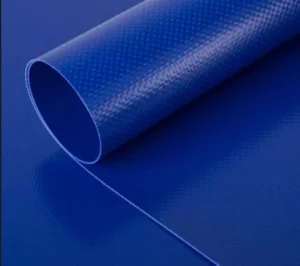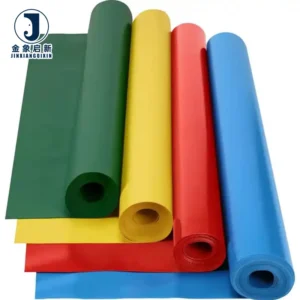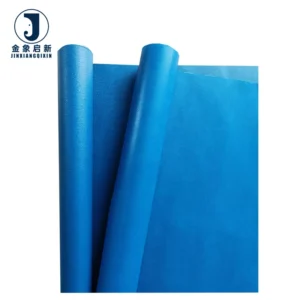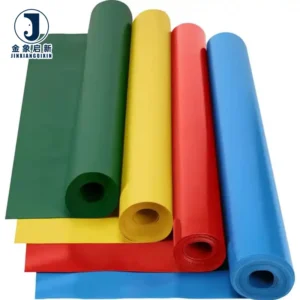



Near-30-Year Coated Fabric Expertise — three full production lines and 36 equipment sets keep every PVC Coated Tarpaulin Roll batch running on schedule with consistent coating weight and colour match.
Technical Specifications
| Parameter | Value |
|---|---|
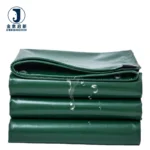
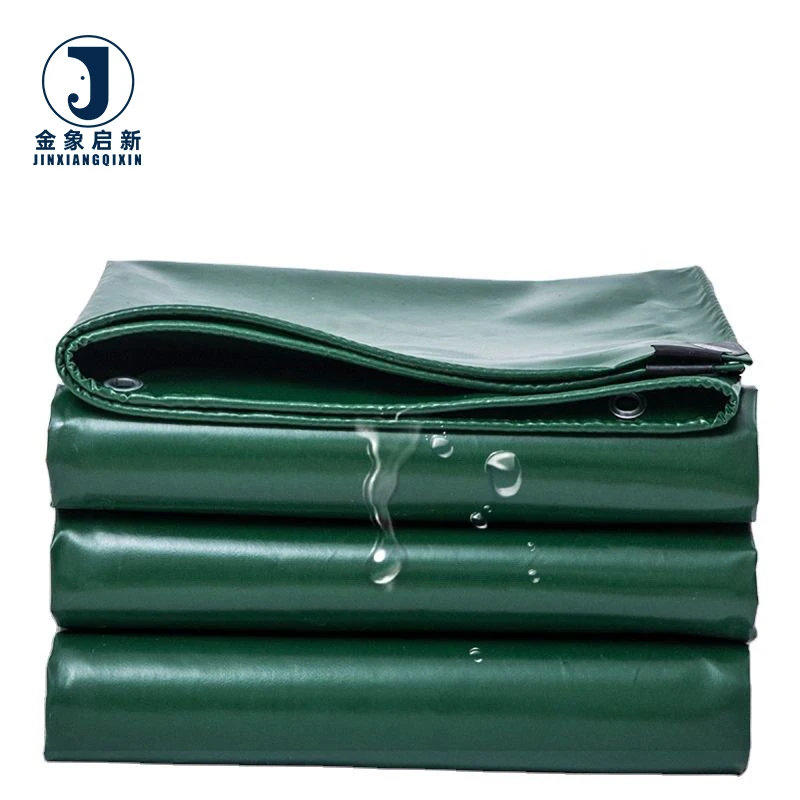
| Product Type | PVC Coated Tarpaulin Roll |
| Specification | 620gsm |
| Base Fabric | High-strength polyester mesh fabric |
| Coating Material | PVC |
| Coating Method | Laminated technology & Hot-melt Coating technology |
| Total Thickness | 0.5mm |
| Roll Width | 2m / 2.1m |
| Roll Length | 75m (2m width) / 50m (2.1m width) |
| Surface Finish | Glossy or matte |
| Colour Options | Blue / Red / Yellow / Light blue / Grey (customised) |
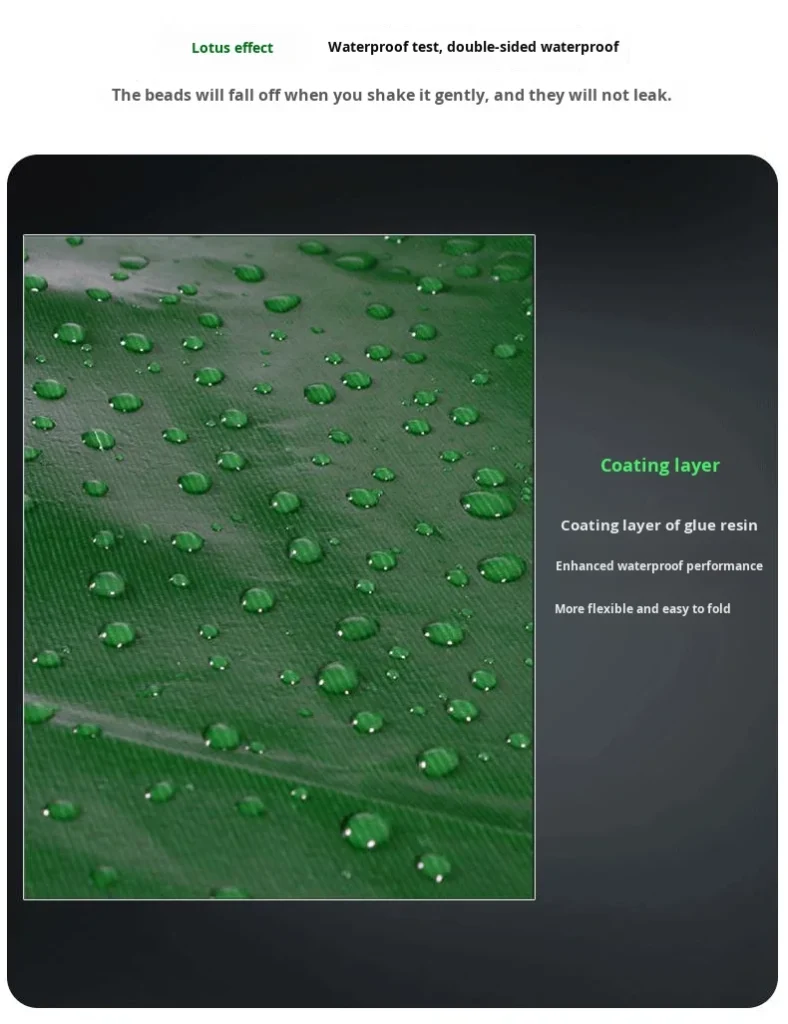
| Key Features | Waterproof, cold crack resistant, anti-mildew, anti-static treatment (grade not stated in source), sunproof (test basis not stated in source) |
| Certifications | ISO, CE |
Application Suitability
| Application | Exposure & Requirement |
|---|---|
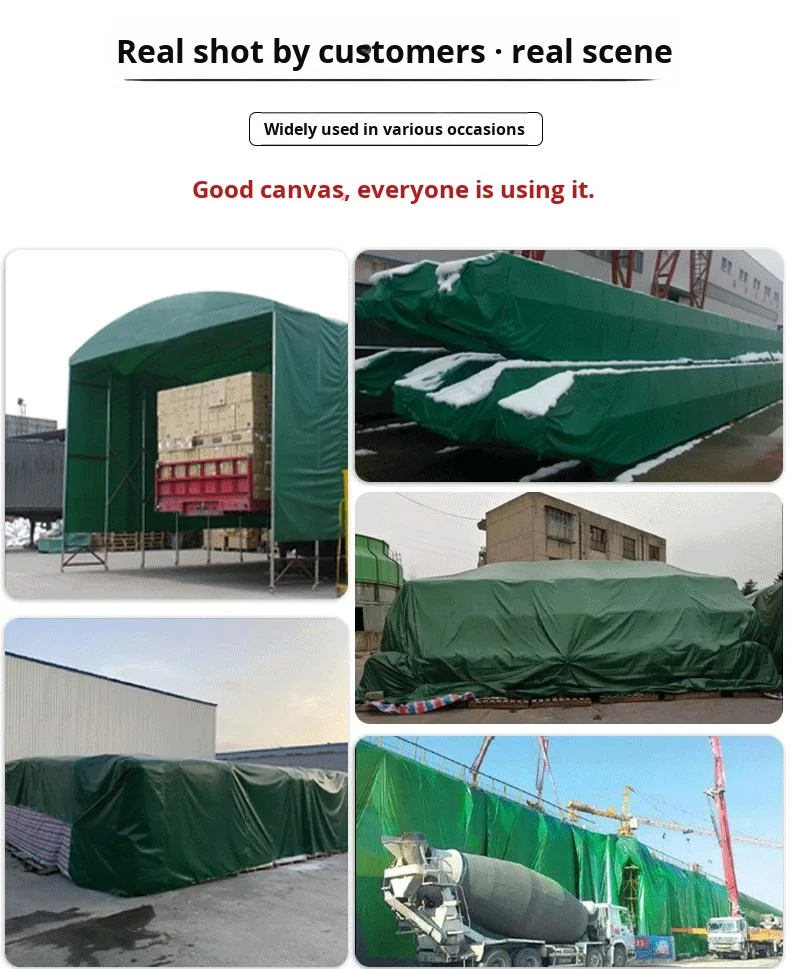
| Inflatable and membrane structures | Wind load, UV exposure, seam weld integrity for air-holding panels |
| Industrial air ducts and ventilation enclosures | Fire-retardant and anti-static compliance, continuous airflow, abrasion at bend radii |
| Plant and refinery maintenance covers | Chemical splash, hydrocarbon atmosphere, potential ignition source proximity |
| Tunnelling and mining temporary enclosures | High humidity, particulate dust, requirement for fire-rated fabric |
| Construction site hoardings and scaffolding wraps | Wind-driven rain, UV, frequent repositioning and folding |
What "Anti-Static" and "Flame Retardant" Actually Require on a PVC Coated Tarpaulin Roll Site
Specialist treatment is only valid when the test standard and achieved grade are stated on the certificate — anything less is a label, not a specification.
Ventilation duct and membrane structure contractors regularly receive fabric marked "anti-static" or "flame retardant" with no test report behind the claim. On mining, tunnelling and aviation sites, the safety officer will reject the material at inspection if the documentation does not cite a recognised standard. [NEED_CITE: fire classification standards for flexible fabrics in mining and construction ventilation] A PVC Coated Tarpaulin Roll specified for these environments must carry the grade the site demands, verified by an independent lab report that travels with the shipment. When the grade is missing, the roll is only suitable for non-regulated general cover use.
Hot-Melt Coating and Laminated Construction for Welded Assemblies
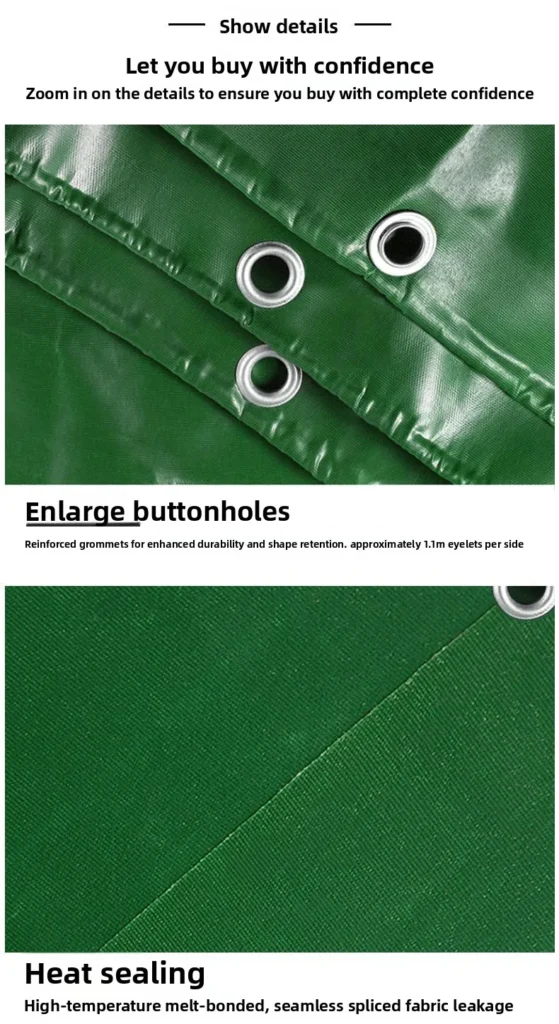
The 620gsm grade is built on a high-strength polyester mesh base fabric with PVC applied through both laminated and hot-melt coating technology. This dual-method approach drives strong adhesion between the coating layers and the yarn structure, which is critical when the fabric is cut and heat-welded into duct sections or inflatable panels. Weld strength depends directly on coating-to-yarn bond quality; weak adhesion causes the coating to delaminate at the seam before the base fabric reaches its tear limit.
Multiple GSM and Thickness Grades Across the Product Family
This PVC Coated Tarpaulin Roll family covers weights from 350gsm up to 750gsm and thicknesses from 0.32mm to 0.65mm, allowing fabricators to select the grade that matches structural load and environmental exposure. The 620gsm / 0.5mm grade sits in the mid-heavy range, balancing handling flexibility with the tensile mass needed for semi-permanent installations. [NEED_CITE: relationship between coated fabric GSM, base fabric denier and tensile strength per ISO 1421] Choosing the correct weight avoids both over-specification, which adds unnecessary cost and weight, and under-specification, which leads to premature failure at stress points.
Reading the Specification Sheet Beyond the GSM Number
GSM alone does not define how a PVC coated fabric will perform in a fabricated assembly. The base fabric denier and weave density determine how a tear propagates once initiated — a tight mesh with high-tenacity yarns resists tear spread far better than an open weave at the same weight. The coating method affects peel strength: hot-melt coating penetrates the yarn structure for mechanical bonding, while laminated technology bonds pre-formed PVC films to the mesh surface. Glossy surfaces tend to accept heat-weld energy more evenly, while matte surfaces can require adjusted temperature and dwell time settings. Available flame retardant and anti-static treatments must be confirmed against the target market’s specific standard before production — the grade required in European construction differs from that mandated in Australian mining. Roll width selection, whether 2m or 2.1m, directly affects cutting waste and the number of weld seams in the finished panel layout.
The Hidden Cost of Specifying the Wrong Grade for Fabricated Structures
Selecting a PVC Coated Tarpaulin Roll solely on GSM without verifying coating adhesion or treatment certification creates problems that surface after fabrication. Weld seams on poorly bonded coating fail under the flex load of an inflatable structure or the vibration of a ventilation duct, often before the base fabric shows any damage. Anti-static treatment applied without a stated surface resistance value will not pass the compliance check on a mining site, forcing the contractor to source replacement fabric at project-critical timing. Colour variation between rolls in a single membrane structure installation becomes visible once panels are joined side by side, requiring rework that delays handover. [NEED_CITE: coating adhesion and peel strength testing for PVC coated polyester fabrics]
Why Source This PVC Coated Tarpaulin Roll from Jinxiang
Nearly 30 years focused on coated fabric production gives us process control over coating weight, adhesion and colour consistency that shows up in roll-to-roll uniformity. Three full production lines and 36 sets of professional equipment support bulk volume with reliable on-time dispatch for project-scheduled deliveries. A 10-person R&D team handles material selection, custom colour matching and sample development, returning samples within days for your approval before full production runs. Dedicated QA and QC at every production stage means each roll is checked for weight, coating integrity and colour before it leaves the factory. We supply full documentation — material specification sheet, test reports where applicable, pre-shipment inspection records and certificates of origin — so your compliance file is complete on arrival.
Documentation & Verification
- Material specification sheet stating GSM, base fabric, coating method and colour reference per roll batch
- Test report for flame retardant and anti-static grades citing the specific standard achieved
- Pre-shipment inspection record with roll-by-roll weight and coating adhesion verification
- Roll packing list with net weight and dimensions for container loading and freight planning
- Certificate of origin and customs documentation package for international project sites
Fabrication, Handling & Storage
- Set heat-weld temperature and dwell time to match glossy or matte surface finish for consistent seam strength
- Allow the 620gsm roll to acclimatise to ambient temperature before unrolling to avoid cold-crack stress on the coating
- Store rolls upright on a flat surface to prevent flat-spot deformation across the 2m or 2.1m width
- Use a sharp blade and straight edge when cutting the polyester mesh base to prevent frayed edges at weld zones
- Clean glossy surfaces with mild detergent only; solvents can soften the PVC coating and reduce adhesion at seams
- Plan panel layout around the 75m or 50m roll length to minimise cross-welds in large membrane assemblies
Specify Your Project Requirements
Tell us the application environment, the fire-retardant or anti-static standard your site requires, and the target roll width and colour. We will confirm the matching treatment grade, provide a material specification sheet and test report for your review, and develop a sample roll section for your fabrication team to evaluate weld parameters before committing to full production volume.
Frequently Asked Questions
Q: What flame retardant standard does this PVC Coated Tarpaulin Roll meet?
A: Flame retardant treatment is available in multiple grades. The specific standard — such as M2, B1 per DIN 4102, or NFPA 701 — must be confirmed against your project site requirement before production. We supply the matching independent test report with each treated batch so your compliance documentation is complete.
Q: How is anti-static treatment verified before the rolls ship?
A: Anti-static treatment is applied during coating production and verified by surface resistance measurement. The applicable standard and achieved resistance value depend on your site’s compliance requirement — mining, tunnelling and aviation environments each specify different thresholds. Confirm the standard with us at inquiry stage so the correct grade is produced and documented.
Q: How do you ensure the GSM on the quotation matches the GSM that arrives?
A: Every roll undergoes weight verification during our pre-shipment inspection. Sample cuts are weighed against the stated 620gsm specification, and the inspection record travels with the shipment documentation. Any roll falling outside tolerance is replaced before dispatch, so the material arriving on your site matches the specification you ordered.
Q: What welding parameters work best with this 620gsm material?
A: The hot-melt and laminated coating construction supports standard hot-air and wedge welding used for PVC coated polyester fabrics. Glossy and matte surfaces may require different temperature and speed settings. We recommend welding a sample section from your production roll to dial in parameters before running full panel fabrication.
Q: Can I mix roll widths and colours in one container order?
A: Yes. The 2m by 75m and 2.1m by 50m roll formats can be combined in a single container, and multiple colours from the available range can be included in one shipment. We provide a detailed roll packing list with weight and dimensions for each roll to support your freight planning and receiving process.