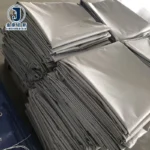
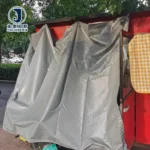
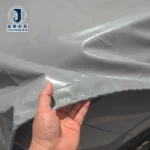
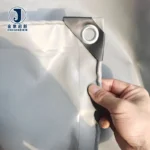

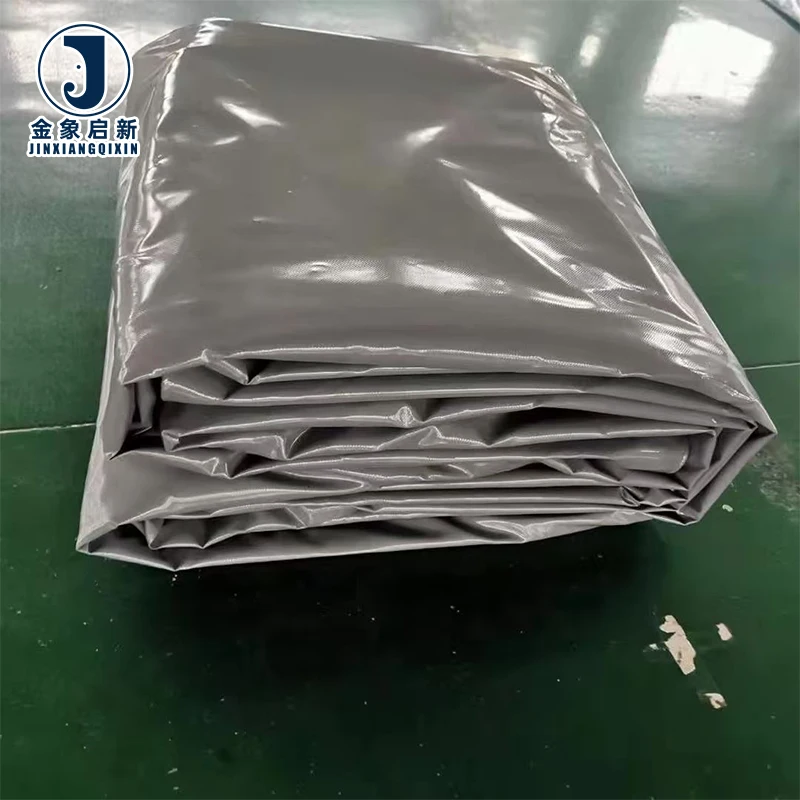
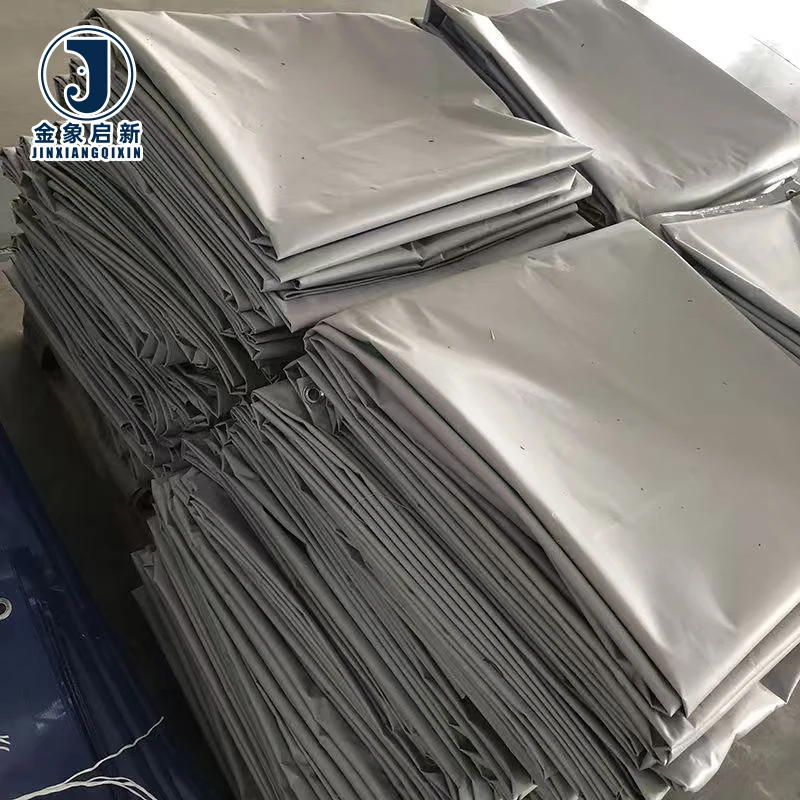
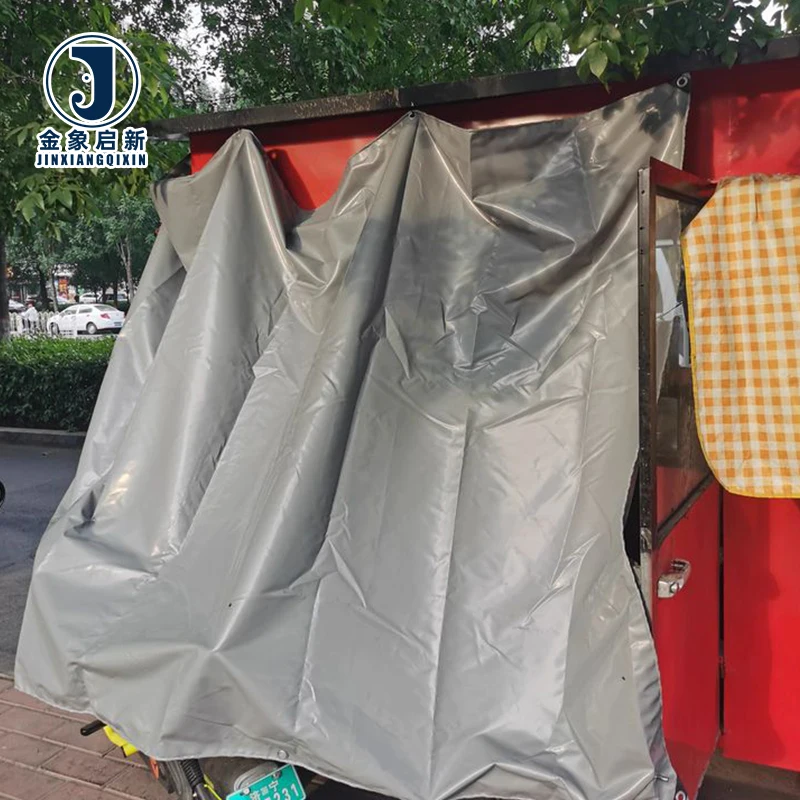
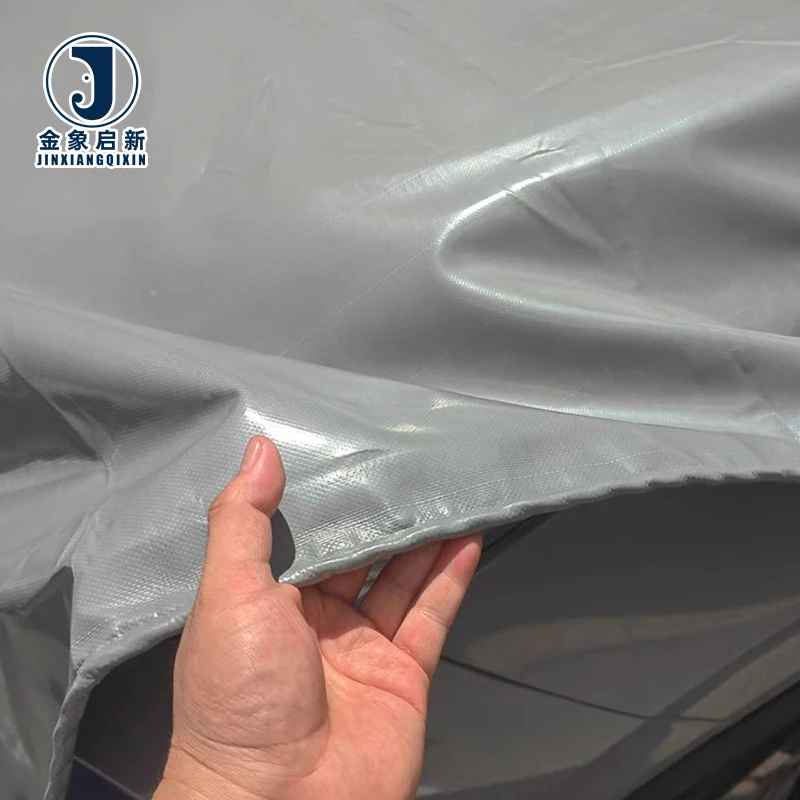
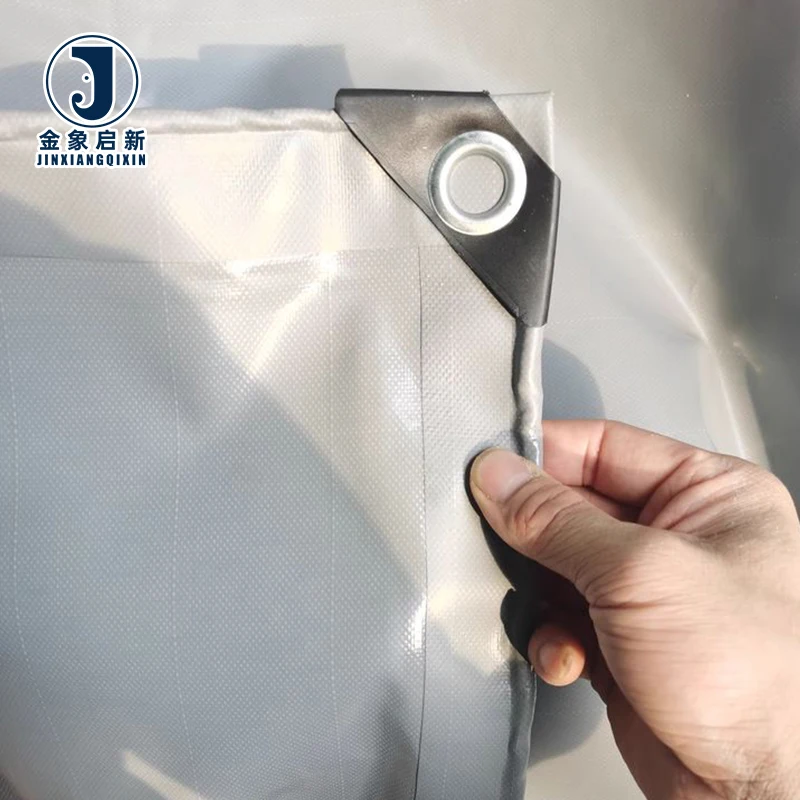
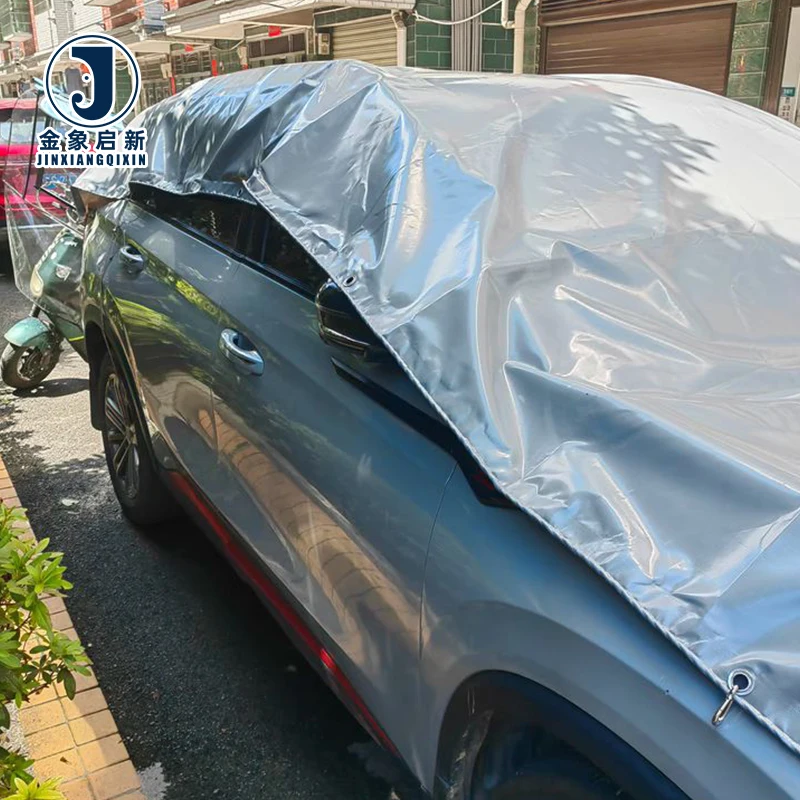
Deep process control over coating weight and adhesion — every roll of this PVC coated fabric is verified against the stated GSM and base denier before it leaves the production line, ensuring that the certified fire-retardant and anti-static properties you specify for ventilation ducts or membrane structures are matched by measurable material consistency.
Technical Specifications
| Parameter | Value |
|---|---|
| Product Type | PVC Coated Tarpaulin Roll |
| Weight (GSM) | 250–1500 gsm (grade selection per project requirement) |
| Base Fabric Denier | 200D×300D, 500D×500D, 840D×840D, 1000D×1000D |
| Coating Material | PVC |
| Surface Finish | Glossy or matte |
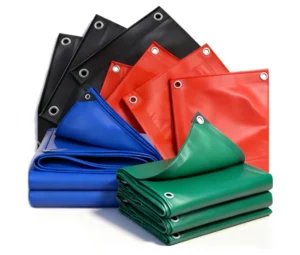
| Color Options | Blue, yellow, black, green, white, or custom colour |
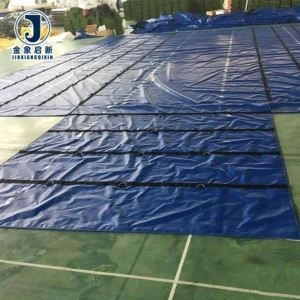
| Size Format | Roll stock or cut sizes (3×4 m, 6×8 m, 8×10 m, 10×12 m, or custom made) |
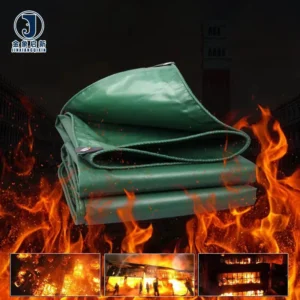
| Fire Retardant Treatment | FR treated (confirm the grade required for your market — e.g. B1, M2, NFPA 701) |
| UV Treatment | Customised (test basis to be confirmed per order) |
| Anti-Fungal Treatment | Applied during coating |
| Waterproof Construction | Yes |
| Temperature Service Range | -15 ºC to 70 ºC |
| Environmental Profile | Eco-friendly formulation |
| Key Features | Water-proof, rain-resistant, tear-resistant, high flexibility, good adhesion strength, abrasion resistance |
| Standards | ISO, CE |
Application Suitability
| Application | Exposure & Requirement |
|---|---|
| Mining and tunnelling ventilation ducts | Continuous airflow, underground moisture, mandatory fire-retardant and anti-static site compliance |
| Aviation ground-support ducting | Fuel vapour environment, strict FR certification for airside operations, flex fatigue from repeated deployment |
| Membrane and inflatable structures | Sustained wind load and internal pressure, UV and fungal exposure in semi-permanent installations |
| Temporary enclosure for industrial sites | Weather exposure, mechanical handling during erection and dismantling, project-spec colour consistency |
| Specialist industrial covers in humid environments | Persistent moisture, fungal colonisation risk, chemical splash from process fluids |
Why "Fire Retardant" on a Data Sheet Means Nothing Without a Grade
Specifying PVC coated fabric for a ventilation duct without a referenced flame-retardant standard puts site sign-off and contractor liability at risk.
A datasheet claim of "flame retardant" without a named grade — B1, M2, NFPA 701, or DIN 4102 — cannot be verified by a site safety officer or an independent inspector. In mining and tunnelling, ventilation duct fabric must carry documentation that matches the jurisdiction’s fire classification code; a generic statement fails the audit before the duct is ever hung. [NEED_CITE: DIN 4102 fire classification for building materials] When the FR grade is confirmed and matched to a recognised test report, the PVC coated fabric moves from a commodity purchase to a compliant engineering material with a clear paper trail.
Matching Coated Fabric to Duct Compliance Requirements
The primary decision when selecting PVC coated fabric for ventilation systems is not weight alone but whether the fire-retardant grade, anti-static property, and base denier together satisfy the site specification. A 1000D×1000D construction delivers higher tear resistance at the flex points where duct sections join, while a lighter denier may suffice for low-pressure temporary ventilation runs. Each project demands a PVC coated fabric grade whose documentation matches the auditor’s checklist, not just the supplier’s catalogue heading.
How Seam and Weld Behaviour Dictates Duct Service Life
Ventilation ducts fail at seams before they fail in the body fabric, because the weld zone is where repeated inflation cycles and mechanical handling concentrate stress. Coating adhesion and PVC formulation directly determine whether a hot-air weld holds through the duct’s working life or peels open at the first pressure surge. [NEED_CITE: tensile and tear test methods for coated fabrics per ISO 1421] Requesting a pre-production weld sample tested to the same parameters the fabrication shop will use on-site is the single most effective way to confirm long-term duct integrity before committing to a full roll order.
Reading the Spec Sheet Beyond GSM
GSM tells you the total mass of PVC coating plus base fabric per square metre, but it does not reveal how that mass is distributed between yarn weight and coating thickness. A 630 gsm PVC coated fabric built on a 1000D×1000D base will have a thinner coating film and higher mechanical strength than the same weight on a 200D×300D base, which carries more PVC and less yarn. For ventilation ducts subject to internal pressure, the denier and weave density govern burst resistance, while the coating weight governs weldability and surface durability. Glossy finishes aid dirt release in clean-air environments; matte finishes reduce glare and improve print adhesion for identification markings on duct sections.
The Hidden Cost of Specifying the Wrong Grade
A duct fabric that passes the initial visual inspection can still fail a fire compliance audit months later if the flame-retardant treatment was applied at a level below the site-required grade, forcing the contractor to tear down installed ductwork and re-hang at double the labour cost. Similarly, a fabric without verified anti-static treatment in a mining environment creates an ignition risk that no amount of post-installation mitigation can offset. [NEED_CITE: anti-static requirements for underground ventilation duct materials] Batch-to-batch colour drift on membrane structures is less dangerous but equally costly: when panels from different rolls are installed side by side, visible shade variation can trigger a rejection of the entire façade.
Why Procurement Teams Return for the Next Project
Process control across three full production lines means that coating weight and PVC formulation remain consistent from the first roll to the last in a multi-container order, eliminating the batch variation that derails membrane structure installations. The 10-person R&D team develops samples within days, allowing duct fabricators to test weld parameters and confirm FR grade suitability before production begins. Dedicated QA inspection at every stage — base fabric incoming check, in-line coating weight measurement, and 100% pre-shipment roll audit — catches GSM deviations before they reach the port. [NEED_CITE: pre-shipment inspection protocol for coated fabric roll consistency] Full documentation packages accompany every dispatch, so site auditors receive the fire-retardant test report, material spec sheet, and certificate of origin in a single file rather than chasing documents across multiple emails after delivery.
Documentation & Verification
- Material spec sheet confirming GSM, base denier, and PVC coating weight per roll
- Fire-retardant test report referencing the applicable grade (B1, M2, NFPA 701) where treated
- Anti-static test data supplied for grades intended for mining or aviation duct use
- Pre-shipment inspection record with roll-level GSM verification
- ISO and CE certificates included in the dispatch documentation package
- Certificate of origin and customs paperwork for cross-border project sites
Fabrication, Handling & Storage
- Hot-air weld temperature and speed must be calibrated to the specific PVC coating formulation of each roll grade
- Reinforce eyelet and tie-down points with welded patches to distribute load across the base fabric denier
- Store rolls upright on pallets to prevent flat-spot creases that persist through duct fabrication
- Allow rolls to acclimatise to workshop temperature before unrolling to avoid brittle coating cracks at -15 ºC threshold
- Use PVC-compatible cleaners only; solvent-based products degrade the coating adhesion layer
- Plan cut layouts to minimise seams running across the primary airflow or stress direction
What We Need to Prepare Your Quotation
Provide the ventilation duct diameter, section length, and the fire-retardant or anti-static grade required by your site safety specification so we can match the correct PVC coated fabric construction. Confirm whether you need roll stock in standard width or finished cut-to-size panels, and specify any colour matching or identification print requirements for batch consistency across your project. If the installation is in a jurisdiction with a named fire code, reference the standard so the correct test report is included with your shipment.
Frequently Asked Questions
Q: How is the flame-retardant grade verified and which standards can the fabric meet?
A: The PVC coated fabric is treated to flame-retardant specification, and the applicable grade — such as B1 per DIN 4102, M2, or NFPA 701 — is confirmed at the quotation stage. A test report from a recognised laboratory is supplied with the shipment documentation. Specify your site code early so the correct treatment level is applied and documented.
Q: How do you confirm GSM on arrival matches the quotation?
A: Every roll undergoes 100% pre-shipment inspection, with coating weight and total GSM measured and recorded before packing. The inspection report travels with the shipment, giving you roll-level traceability. If a discrepancy is found during in-process QA, the roll is held and reworked before it reaches dispatch.
Q: What anti-fungal and anti-static treatments are available and how are they tested?
A: Anti-fungal treatment is applied during the coating process to resist colonisation in humid or below-grade duct environments. Anti-static treatment is available for mining and aviation applications where static discharge is a hazard. Both treatments are documented with test data; confirm the specific standard your project requires so we match the correct formulation.
Q: Can roll width, length, and colour be customised for project consistency?
A: Yes. Roll width and length are configurable to reduce waste during duct fabrication or membrane panel cutting. Custom colours are matched to your reference, and production runs are held to a controlled shade tolerance so panels installed side by side show no visible variation. Confirm the volume and lead time at the inquiry stage.
Q: What documentation accompanies each shipment for site compliance audits?
A: Each dispatch includes a material specification sheet, fire-retardant test report where applicable, pre-shipment inspection record, ISO and CE certificates, certificate of origin, and a roll-level packing list. This package is structured so your site safety officer or third-party auditor can verify compliance without requesting additional documents after delivery.