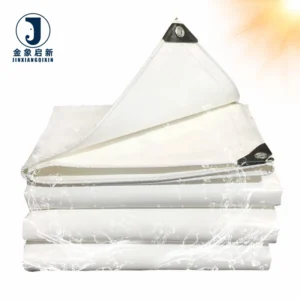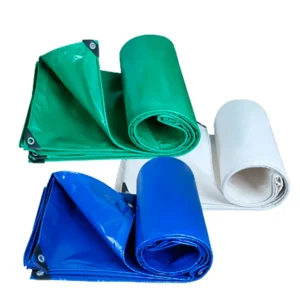
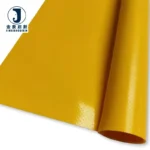
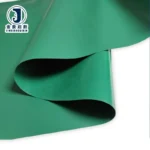
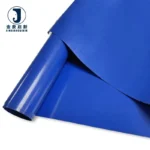
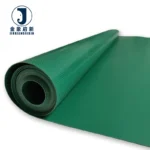
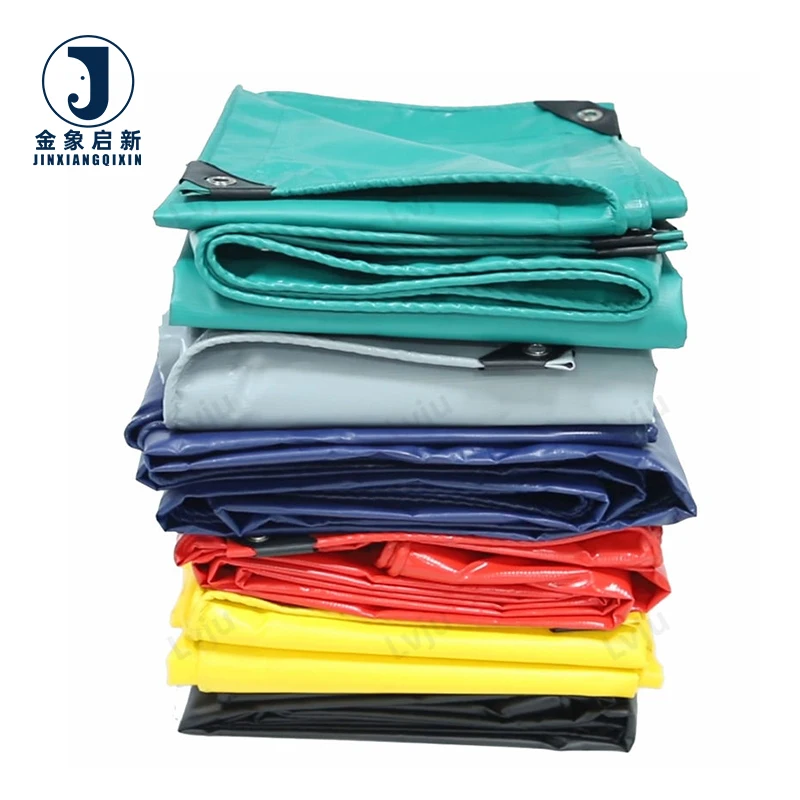


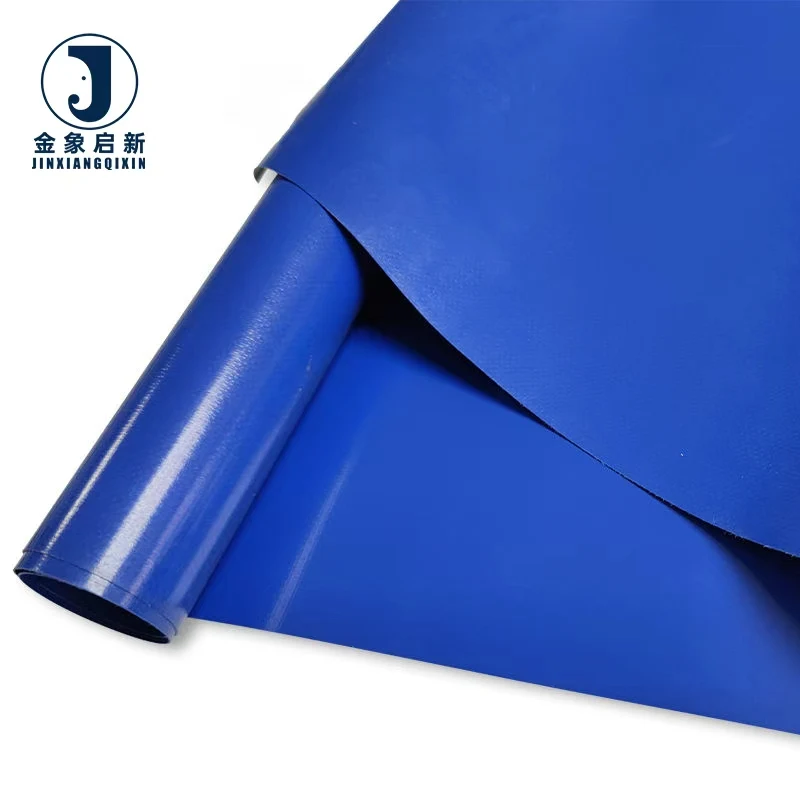
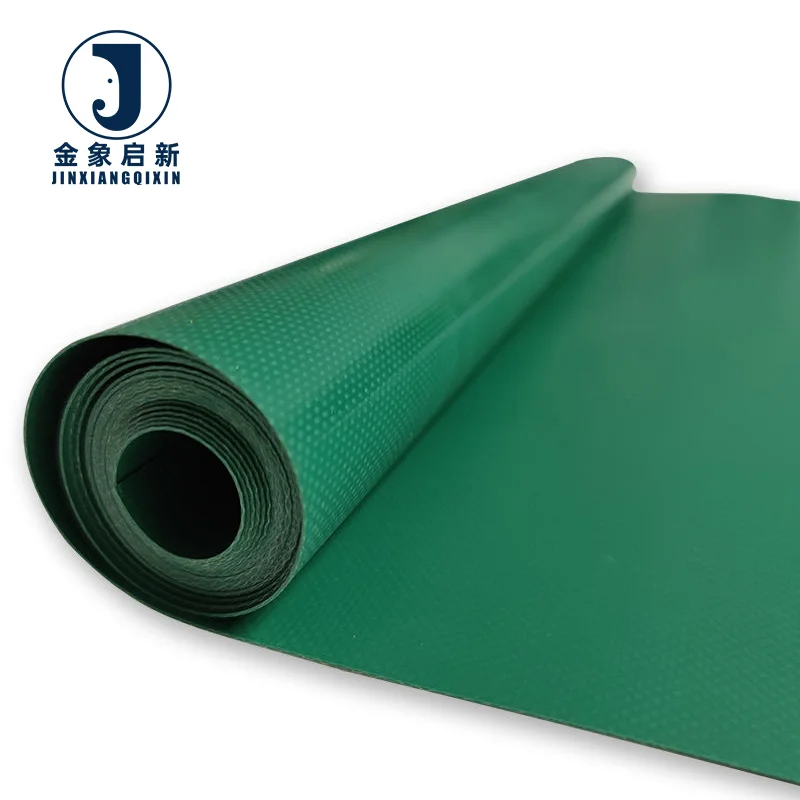
Coating Adhesion Control — every roll of 650GSM PVC knife-coated tarpaulin undergoes in-process weight verification before leaving the production line.
Technical Specifications
| Parameter | Value |
|---|---|
| Product Type | PVC Knife-Coated Tarpaulin |
| Weight | 650GSM |
| Colour | Black |
| Coating Method | Knife Coated |
| Coating Material | PVC |
| Waterproof | Yes |
| Tensile Strength (Warp / Weft) | 2000–2500 / 1800–2200 N/5cm (test basis not stated in source) |
| Base Fabric Denier | 1000D |
| Flame Retardant | Available — confirm the grade required for your market |
| UV Treatment | Available — confirm the grade required for your market |
| Finish | Not stated |
Application Suitability
| Application | Exposure & Requirement |
|---|---|
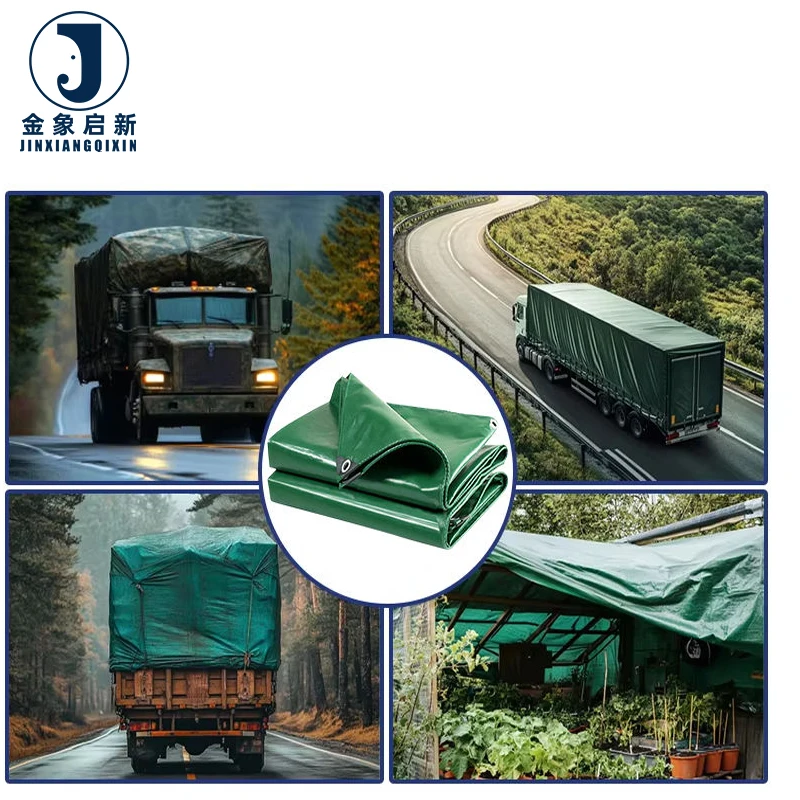
| Heavy truck and trailer tarpaulin covers | Constant road vibration, load flexing at weld seams, rain and wind-driven abrasion |
| Industrial outdoor storage covers | Prolonged sun exposure, pooling water, repeated draping and removal |
| Engineering protective cloth for construction | Contact with sharp-edged equipment, dust ingress, UV degradation on open sites |
| Inflatable and membrane structure fabric | Sustained air pressure, wind uplift, seam integrity under tension |
| Mining and tunnelling ventilation duct wrap | Flame-retardant and anti-static compliance, confined-space safety requirements |
Why Coating Weight Alone Does Not Guarantee Field Performance
A 650GSM PVC knife-coated tarpaulin sounds heavy-duty on paper, but coating weight without verified adhesion tells you nothing about how the fabric behaves when a truck load flexes on a motorway.
Buyers regularly receive rolls that measure below the quoted GSM at the dispatch dock. The PVC layers look correct, the colour matches, and the roll diameter appears normal — yet the coating delaminates at the first high-stress weld within weeks of installation [NEED_CITE: coating adhesion failure modes in PVC tarpaulin per ISO 2411]. Our approach pairs coating weight checks with peel-strength monitoring at every production stage, so the 650GSM figure on your invoice matches what arrives on your loading bay.
Knife-Coated Construction and What It Means for Seam Integrity
Unlike dip-coated or laminated fabrics, knife coating forces PVC paste directly into the 1000D base fabric under controlled blade pressure, filling the weave interstices rather than sitting on the surface. This produces a mechanical bond between coating and yarn that resists peel forces at thermally welded seams. For truck and trailer covers, where the side curtain flexes with every cornering manoeuvre, the weld line must carry the same tensile load as the body fabric — and that starts with how thoroughly the PVC penetrates the base weave during coating.
Coating Weight and Tensile Load Distribution
The 650GSM coating weight on this PVC knife-coated tarpaulin is distributed across both faces of the 1000D base cloth. The stated tensile ratings of 2000–2500 N/5cm warp and 1800–2200 N/5cm weft depend on the base yarn structure carrying the primary load while the PVC coating transfers stress between adjacent yarns [NEED_CITE: tensile and tear test methods for coated fabrics per ISO 1421]. When the coating weight is consistent across the roll width, stress distributes evenly rather than concentrating at thin spots — the places where tears typically initiate under load.
Reading the Specification Sheet Beyond GSM
GSM alone conflates base fabric density with coating mass, and two rolls quoted at 650GSM can have very different base-to-coating ratios. A heavier base fabric with thinner coating may resist tearing better but offer poorer abrasion resistance at contact points. A thicker coating on a lighter base may feel substantial to the touch yet fail at lower tensile loads. The 1000D base denier specified for this grade indicates a heavy-duty yarn count suited to sustained tensile stress, while the knife-coated construction ensures the PVC mass contributes to structural performance rather than adding dead weight. Surface finish — whether glossy or matte — affects cleaning behaviour and print adhesion but has no bearing on tensile or tear ratings, so the choice should match the end-use environment rather than assumed performance [NEED_CITE: relationship between base denier and coated fabric tensile properties].
The Hidden Cost of Unverified Flame-Retardant Claims
Mining and tunnelling sites require ventilation duct wrap and protective covers to carry a specific flame-retardant classification, yet fabrics often arrive with no test documentation to back the claim. When a site safety officer requests the certificate and none exists, work stops until compliant material arrives — and the original rolls may need to be removed and returned. This PVC knife-coated tarpaulin is available in flame-retardant grades, but the specific classification must be confirmed against your site’s regulatory framework before production begins. Colour inconsistency across rolls in a multi-roll order creates visible banding once installed side by side, forcing selective re-cutting that inflates waste and delays handover [NEED_CITE: fire classification requirements for textile materials in underground construction per EN 13501-1].
Why Source This Grade Here
Deep process control over coating weight and adhesion is built into every stage of production, with three full lines and 36 sets of equipment handling bulk runs without sacrificing consistency on the 650GSM grade. A 10-person R&D team develops samples within days when custom widths, flame-retardant formulations, or colour matches are required for membrane or ventilation duct applications. Dedicated QA/QC inspects every roll before shipment, checking GSM, coating adhesion, and visual consistency — not just sampling from the batch. Material specification sheets, pre-shipment inspection records, and test documentation travel with the shipment so your receiving team can verify what they have matches what was ordered. ISO and CE certifications underpin the quality management system without substituting for roll-level inspection data.
Documentation & Verification
- Material specification sheet listing exact GSM, 1000D base denier, and knife-coating method
- Pre-shipment inspection record confirming weight and visual check on every roll
- Flame-retardant and UV test reports supplied with the applicable grade when specified
- Roll packing list with individual roll weights and dimensions for receiving verification
- Certificate of origin and customs documentation for cross-border shipments
Fabrication, Handling & Storage
- Hot-air weld temperature must be calibrated to the 650GSM knife-coated construction to avoid surface scorching or under-penetration at the 1000D base layer
- Store rolls horizontally on padded racking to prevent creasing through the PVC coating layers that weakens the base fabric at fold lines
- Allow cold-stored rolls to reach ambient temperature before unrolling to prevent cracking in the PVC coating during fabrication
- Use PVC-compatible solvent cleaners on the black surface; abrasive pads will damage the coating finish and expose the base weave
- When cutting for truck covers, plan panel layout to minimise transverse welds across the 1000D warp direction where flex loads concentrate
What to Include in Your Enquiry
Specify the ventilation duct diameter, membrane span, or cover dimensions so we can recommend roll width and panel layout that minimises field welds. State the flame-retardant or anti-static classification your site or market requires — our R&D team will match the formulation and arrange third-party testing. Indicate annual volume and whether you need rolls only or finished cut-to-size panels with hem and eyelet reinforcement.
Frequently Asked Questions
Q: How is the 650GSM coating weight verified before shipment?
A: Every roll is weighed during the pre-shipment inspection stage. The actual GSM is recorded on the inspection report and compared against the specification sheet before the roll is released for packing. Rolls that fall outside tolerance are flagged and replaced. This roll-by-roll verification ensures the coating weight stated on your quotation is the coating weight you receive.
Q: What flame-retardant grades are available for mining and tunnelling use?
A: This 650GSM knife-coated grade can be formulated to meet specific flame-retardant classifications required for underground ventilation and confined-space applications. The exact grade depends on your site’s regulatory framework. State the standard your project specifies — such as a national mining safety code or EN classification — and we will confirm formulation availability with supporting test documentation.
Q: How does knife-coated construction affect weld strength at flex points?
A: Knife coating forces PVC paste into the 1000D base weave rather than sitting on the surface, creating a mechanical bond that carries peel forces through thermally welded seams. For truck side curtains and inflatable structures where the fabric flexes repeatedly, this bond prevents the coating from lifting at the weld edge. Hot-air weld parameters should be calibrated to the 650GSM total thickness for consistent penetration.
Q: Can custom width and roll length be supplied on this grade?
A: Custom widths and roll lengths are available, subject to production line capability and minimum order requirements. Wider rolls reduce the number of field welds needed for membrane structures and large covers, improving both installation speed and long-term seam reliability. Provide your target width and total linear metres so we can confirm feasibility and lead time.
Q: How is colour consistency maintained across multiple rolls?
A: All rolls in a single order are produced from the same PVC batch with controlled pigment dosing. Visual inspection under standardised lighting is performed during pre-shipment QC to identify any roll that deviates from the reference sample. For black PVC coating on the 650GSM grade, this process minimises the visible banding that occurs when adjacent rolls differ in shade or gloss level.