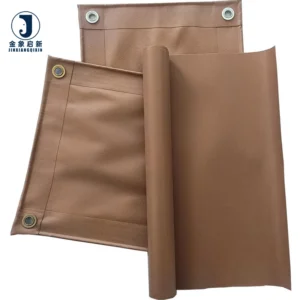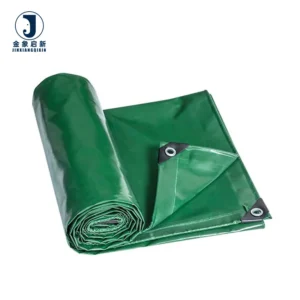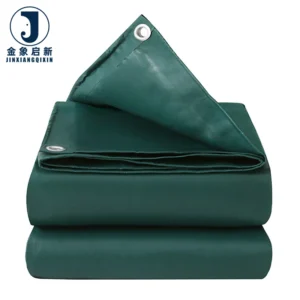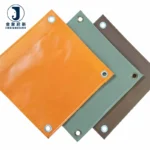
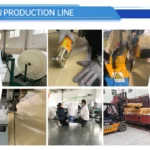

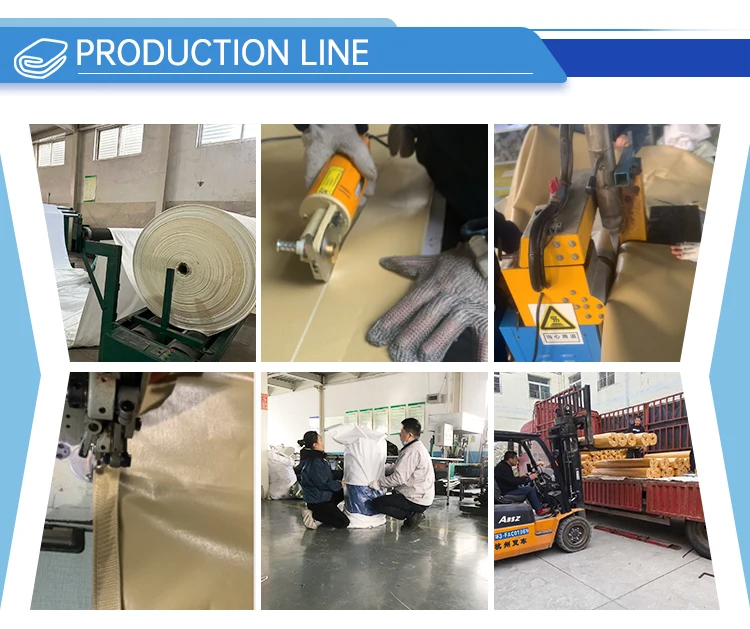
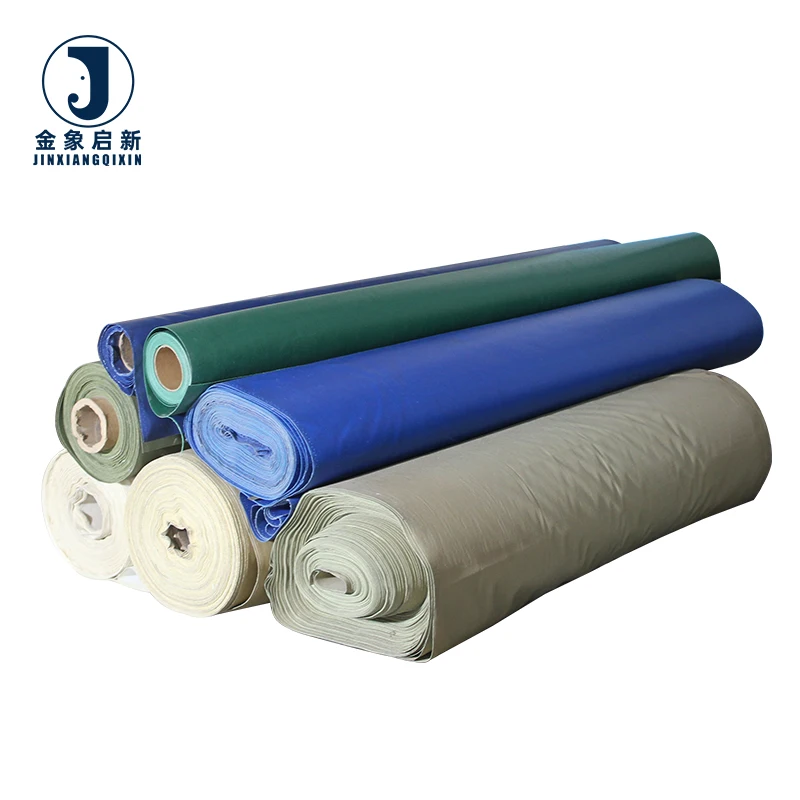
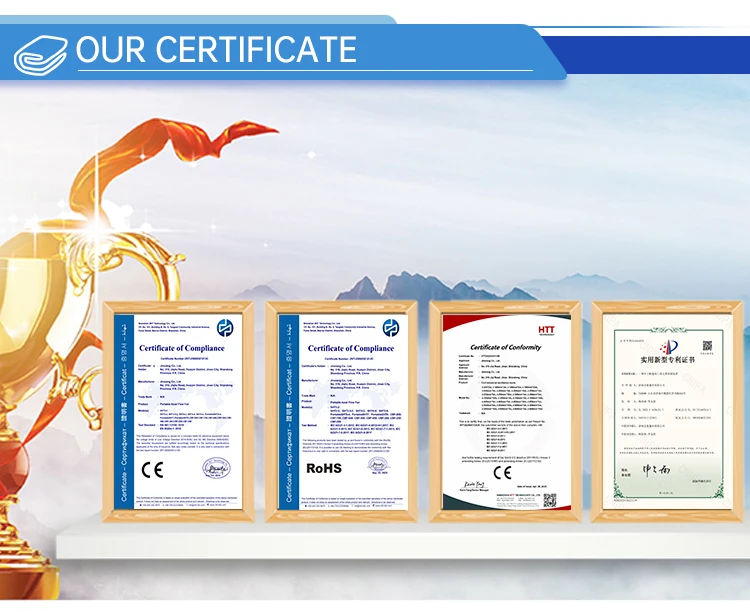
Proven Process Control — Nearly 30 years focused on coated fabric production, with deep process control over coating weight and adhesion verified at every production stage before dispatch.
Technical Specifications
| Parameter | Value |
|---|---|
| Product Type | PVC Coated Tarpaulin |
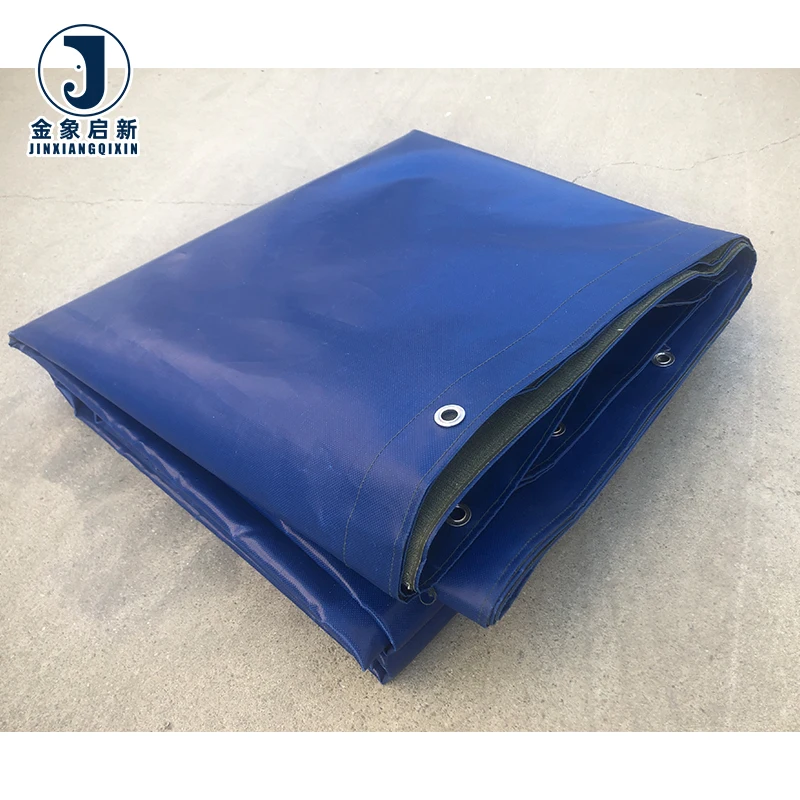
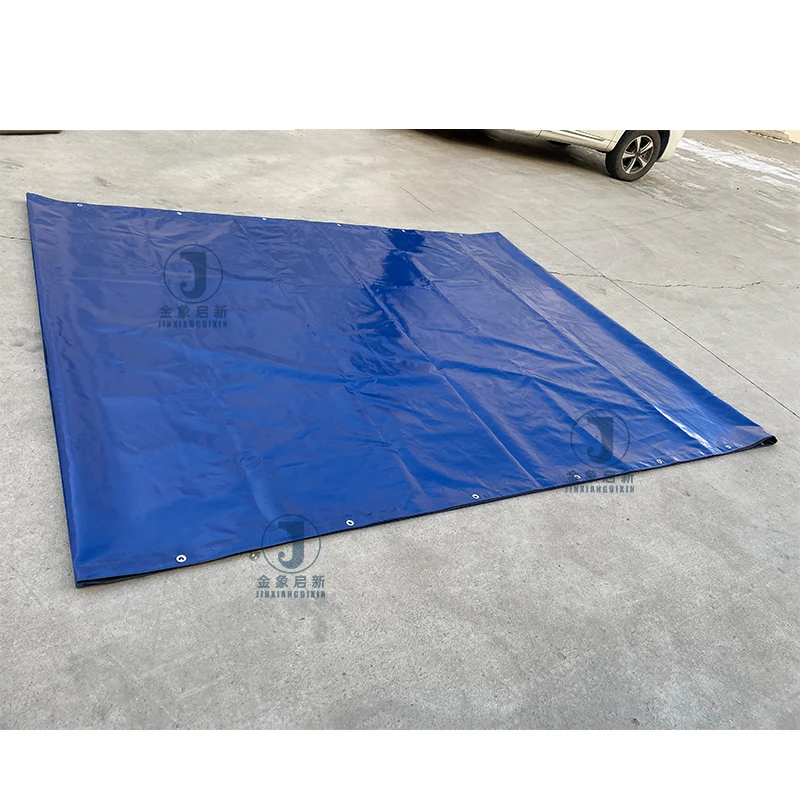
| Material | 100% high toughness polyester yarn with PVC coating |
| Coating Technology | Lamination technology and hot melt coating technology |
| Base Fabric Denier | 500D (medium-sized) / 1000D (heavy-duty) / 500D–2000D (super heavy) |
| Weight (GSM) | 400–500 (medium-sized) / 700–1000 (heavy-duty) / 1100–1500 (super heavy) |
| Total Thickness | 0.35–0.45 mm (medium-sized) / 0.70–1.0 mm (heavy-duty) / 1.2–1.5 mm (super heavy) |
| Tensile Strength (N/5cm) | Warp 1500–2000 / Weft 1200–1800 (medium-sized) |
| Tensile Strength (N/5cm) | Warp 2000–2500 / Weft 1800–2200 (heavy-duty) |
| Tensile Strength (N/5cm) | Warp 2500–3000 / Weft 2200–2800 (super heavy) |
| Cold Crack Resistance | -30°C |
| Anti-Static Treatment | Available — confirm surface resistance standard required for your application |
| Flame Retardant | Available — confirm the grade required for your market |
| Anti-Mildew | Yes (mold proof) |
| UV Treatment | Available — confirm test basis for your exposure conditions |
| Waterproof | Yes |
| Welding Tear Strength | Excellent (stated, no test value) |
| Weather Resistance | 3–5 years outdoor (source value — verify against manufacturer catalog) |
| Printing Option | Printable |
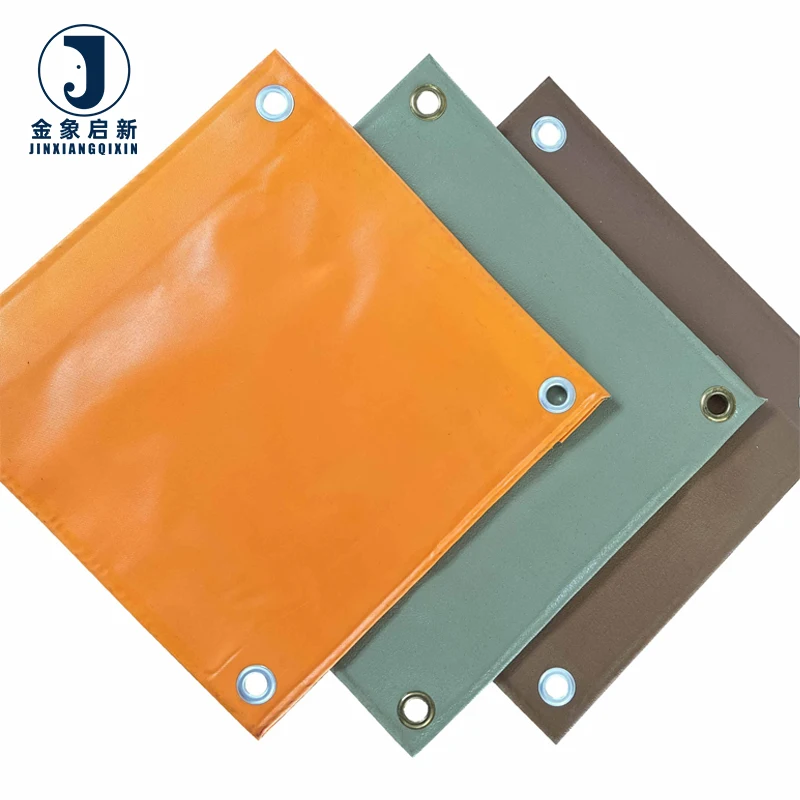
| Color | Custom colors available |
| Standards | ISO, CE |
Application Suitability
| Application | Exposure & Requirement |
|---|---|
| Exhibition booth and event backdrop | Large-format printable surface, anti-static treatment to reduce dust attraction, wide-width rolls for seamless visual spans |
| Inflatable and membrane structures | Internal air pressure loading, UV exposure, welded seam integrity at stress points |
| Mining and tunnelling ventilation duct | Fire-retardant and anti-static compliance mandatory, continuous airflow abrasion, confined installation |
| Aviation ventilation systems | Anti-static and fire-retardant certification, lightweight handling in overhead duct runs |
| Tensioned structural fabric | Sustained tensile loading, weather exposure, dimensional stability under load |
Why Anti-Static Certification Matters More Than the Claim Itself
Anti-static treatment without a matching test report leaves your site exposed to compliance rejection.
Ventilation duct and backdrop fabric supplied without the fire-retardant or anti-static certification the site requires is a recurring problem across mining, tunnelling and aviation projects. Site inspectors request documentation at the gate, and a generic "anti-static" statement on a quotation does not satisfy regulatory frameworks. Anti-static printable PVC coated tarpaulin for exhibition and event backdrop use must carry verifiable surface resistance data tied to a recognised standard — otherwise the material is treated as untreated regardless of what the supplier claimed at order stage. [NEED_CITE: anti-static surface resistance testing standards for coated technical fabrics]
Coating Adhesion and Seam Reliability in Technical Structures
Hot melt coating technology and lamination technology produce a bonded PVC layer that resists delamination under sustained tensile loading. For inflatable and membrane structures, this matters at every welded seam where the fabric flexes under air pressure or wind load. Anti-static printable PVC coated tarpaulin deployed in these environments must maintain adhesive strength through repeated thermal cycles, and the coating method directly determines how well the weld line holds relative to the base fabric itself.
Meeting Site Compliance Without Last-Minute Surprises
Mining and tunnelling contractors specify ventilation duct with fire-retardant and anti-static requirements written into the contract. If the fabric arrives without test reports matching the stated grade, the entire duct run fails inspection and must be replaced before ventilation can begin. This delays critical-path activities underground where ventilation is a prerequisite for all other work. [NEED_CITE: fire-retardant and anti-static compliance requirements for underground ventilation ductwork]
How Base Fabric Denier and Coating Weight Interact
Base fabric denier and GSM together determine the tensile and tear behaviour of the finished fabric. A 500D base at 400–500 GSM provides a medium-weight structure suited to exhibition backdrops where print quality and handling weight matter. Moving to 1000D at 700–1000 GSM shifts the fabric into heavy-duty territory for membrane structures and industrial canopies where sustained tensile loads are the primary concern. The super heavy range at 500D–2000D and 1100–1500 GSM addresses applications requiring maximum tear resistance, such as large-scale inflatable structures. Coating weight alone does not predict strength — a heavier coating on a low-denier base can produce a stiff fabric that tears more easily than a lighter coating on a high-denier woven base. [NEED_CITE: tensile and tear test methods for coated fabrics per ISO 1421]
What Happens When the Wrong Grade Reaches the Site
A medium-weight exhibition backdrop fabric installed as a tensioned membrane structure will show premature stress whitening at attachment points and may fail at welded seams under wind loading. Conversely, specifying a super heavy grade for an indoor exhibition backdrop adds unnecessary weight that complicates rigging and increases transport cost. Colour variation between rolls in the same order becomes visible once installed side by side at an event, forcing replacement under deadline pressure. [NEED_CITE: batch colour consistency standards for wide-width coated fabric rolls]
Production Capability Behind Every Roll
Three full production lines and 36 sets of professional equipment support bulk orders with consistent output across the anti-static PVC coated tarpaulin range. A 10-person R&D team handles material selection and sample development, with custom samples produced within days for project-specific requirements. Dedicated QA/QC operates at every production stage with 100% inspection before shipment, and roll packing lists are generated per order for traceability.
Documentation & Verification
- Material specification sheet stating GSM, base fabric denier, coating method, colour reference and anti-static treatment option
- Test reports for anti-static surface resistance and flame-retardant grade matched to site compliance requirements
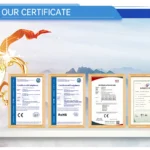
- ISO and CE certificates with pre-shipment inspection record
- Roll packing list with batch reference for multi-roll orders
- Certificate of origin and customs documentation for international dispatch
Fabrication, Handling & Storage
- Hot air welding parameters should be adjusted per GSM tier — lighter grades at 400–500 GSM require lower temperature settings to avoid coating burn-through
- Store rolls upright on end caps to prevent flat-spot deformation across the full width of the PVC coating layer
- Unroll cold-stored fabric and allow it to reach ambient temperature before cutting or welding to avoid cold crack damage below -30°C
- Custom colour rolls from the same production batch should be installed sequentially to maintain visual consistency across the printed surface
- Cut patterns with seam allowance factored for hot melt coated layers, which add thickness at every welded overlap
What We Need From You to Quote Accurately
Provide the application type and exposure conditions so we can recommend the correct denier and GSM tier from the available range. If your site requires specific fire-retardant or anti-static certification, state the standard name and grade so we match test reports to your compliance documentation. Confirm the roll width, colour reference and whether you need raw roll stock or finished cut sizes.
Frequently Asked Questions
Q: What anti-static surface resistance standard does the fabric meet, and can I see the test report?
A: Anti-static treatment is available across the PVC coated tarpaulin range, but the specific surface resistance value and test standard must be confirmed per order. Request the test report with your inquiry, stating the standard your site or venue requires, so we match the treatment and documentation to your compliance framework before production begins.
Q: Can I get flame retardant and anti-static in the same roll?
A: Both treatments can be combined in a single specification. The exact flame-retardant grade available must be confirmed against your market requirements, whether for aviation ventilation, mining duct or exhibition venue regulations. State both requirements at inquiry stage so the R&D team can develop a matching sample with full documentation.
Q: How do you verify GSM and coating weight on arrival versus the quoted specification?
A: Every production run goes through dedicated QA/QC at each stage with 100% pre-shipment inspection. The material specification sheet states the agreed GSM, base fabric denier and coating method. Weight verification is performed per roll before dispatch, and the pre-shipment inspection record is included in your documentation package.
Q: What is the maximum printable width for exhibition backdrop rolls?
A: Wide-width rolls are available for exhibition and event backdrop applications requiring large-format printing. Confirm the required width at inquiry stage, and the production team will advise on the maximum printable span available across the current GSM and denier tiers. Colour consistency across rolls in the same order is controlled through batch-matched production runs.
Q: How are welded seams tested to ensure they do not fail before the fabric at flex points?
A: Hot melt coating technology produces consistent adhesive strength across the coated surface, which directly supports weld seam integrity. The welding tear strength is rated as excellent, though specific test values are not published. Request weld seam test results for your particular GSM and denier combination when submitting your inquiry.