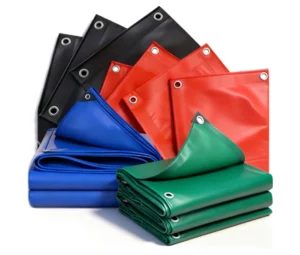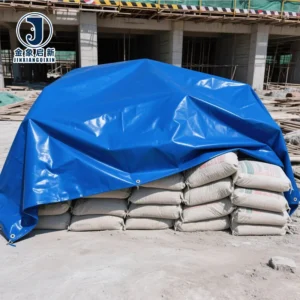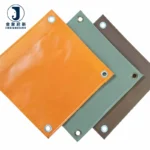
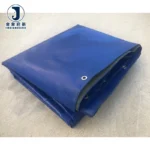
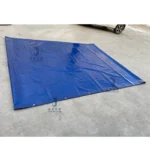
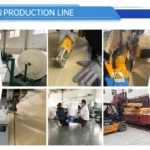

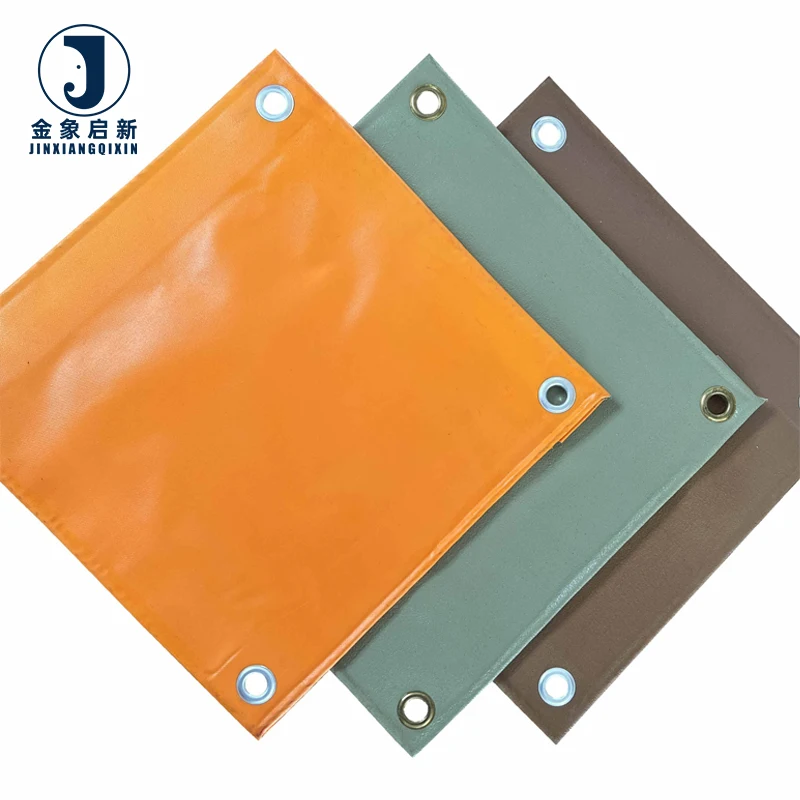
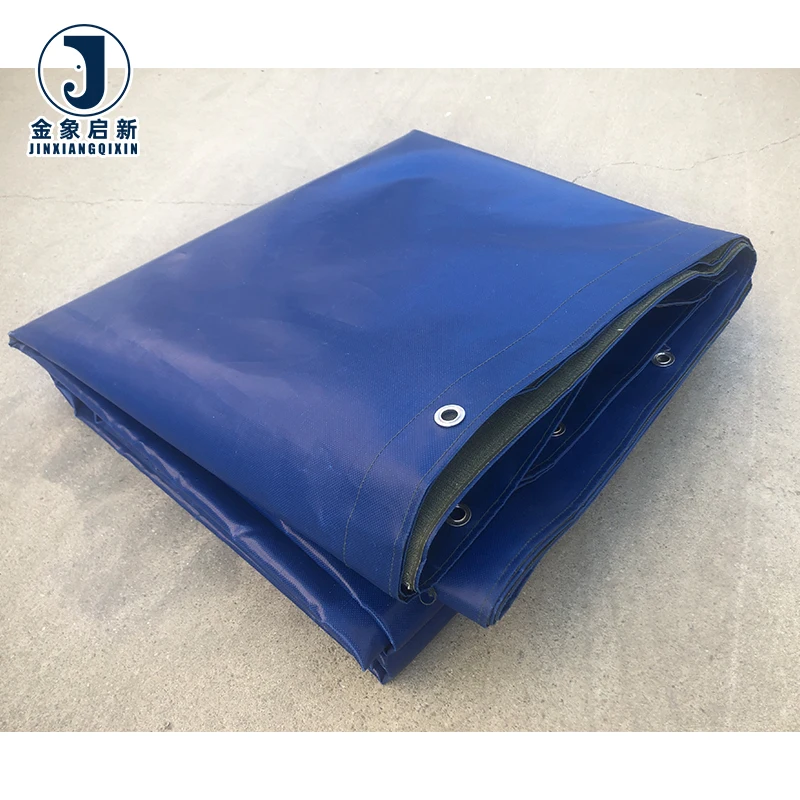
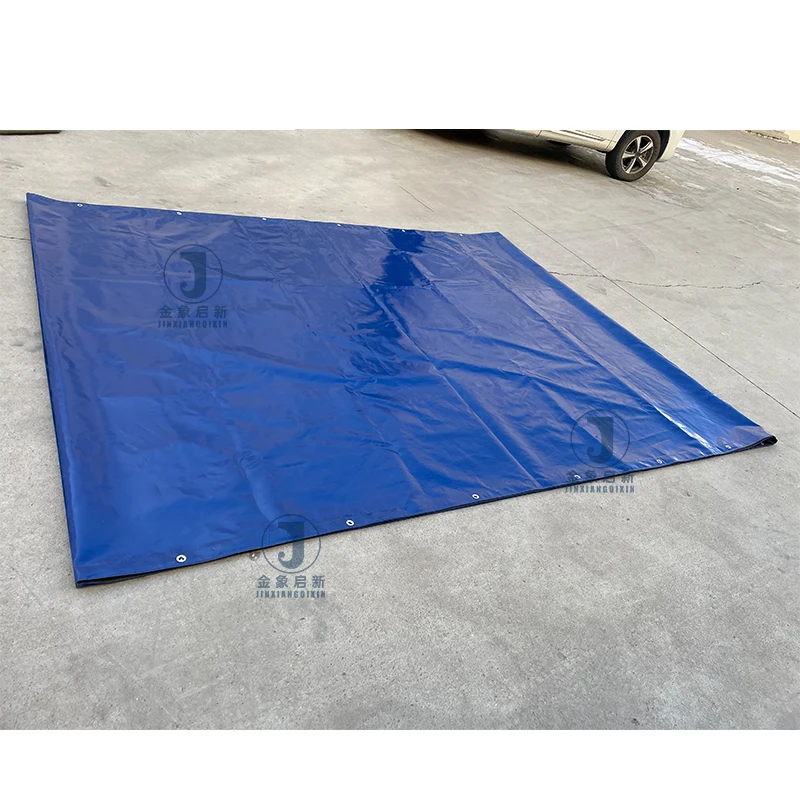
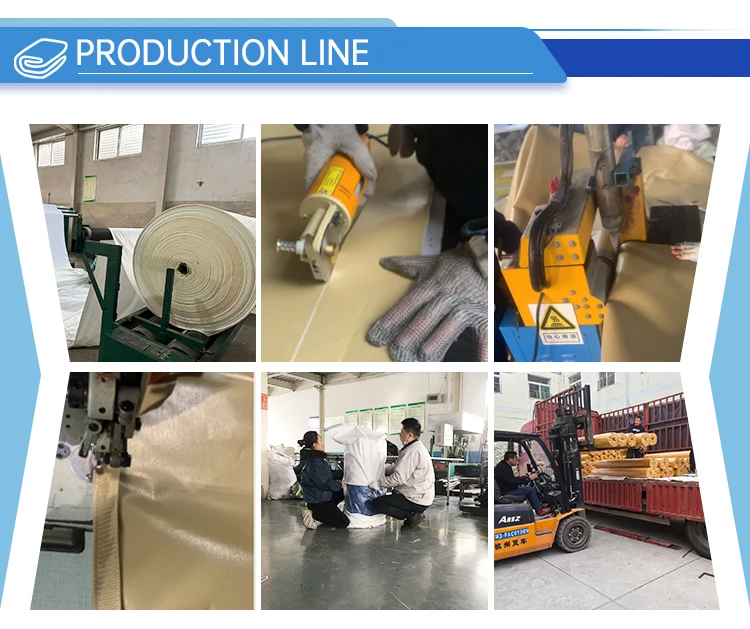
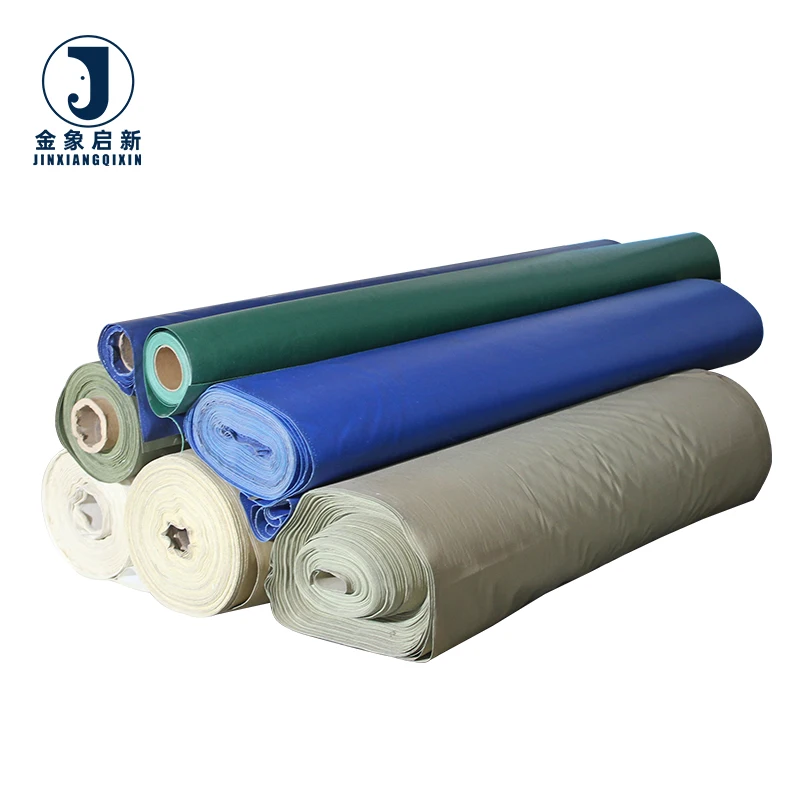
Coating Process Control — three full production lines maintain consistent PVC adhesion and anti-static treatment across every roll of printable exhibition fabric we dispatch.
Technical Specifications
| Parameter | Value |
|---|---|
| Product Type | Anti-Static Printable PVC Coated Tarpaulin |
| Base Fabric | 100% high toughness polyester yarn |
| Coating Material | PVC |
| Coating Method | Lamination technology and hot melt coating technology |
| Total Thickness | 0.35–0.45 mm |
| Weight | 400–500 GSM |
| Base Fabric Denier | 500D |
| Tensile Strength | Warp 1500–2000 / Weft 1200–1800 N/5cm |
| Anti-Static Treatment | Applied (surface resistance standard — confirm the grade required for your market) |
| Flame Retardant | Available in flame retardant grades — confirm the grade required for your market |
| Cold Resistance | -30°C |
| Waterproof | Yes |
| Mold Proof | Yes |
| Printing Option | Printable surface |
| Welding Tear Strength | Excellent (test basis not stated) |
| Color Fastness | Best color fastness (grade not stated) |
| Key Features | Anti-static treatment, flame retardant options, cold resistant, mold proof, waterproof |
Application Suitability
| Application | Exposure & Requirement |
|---|---|
| Exhibition booth backdrop | Indoor static-sensitive environment, large-format graphic printing, frequent assembly and teardown |
| Trade show signage and banner | Roll-to-roll colour consistency, surface smoothness for ink adhesion, anti-static for dust-free display |
| Temporary event structure cladding | Wide-width coverage, wind load on tensioned panels, short-term weather exposure |
| Conference stage backdrop | Seamless visual appearance across joined panels, printable surface for branded graphics |
What "Anti-Static" Means Without a Test Report Behind It
Anti-static treatment must be documented with a surface resistivity measurement — otherwise it is a claim, not a specification.
When sourcing anti-static PVC coated fabric for exhibition environments, buyers frequently receive material that carries an anti-static label but arrives with no test data to confirm the surface resistance value or the standard it was measured against. Exhibition venues increasingly require static dissipation compliance for backdrop and banner materials, particularly where electronic displays and sensitive equipment are present [NEED_CITE: IEC 61340 electrostatic control standards for indoor environments]. Without documentation, the fabric may pass visual inspection yet fail venue safety audits. The anti-static PVC coated fabric printable grade we supply ships with treatment documentation — buyers should confirm the specific surface resistance range their venue or market mandates before ordering.
Base Fabric and Coating Architecture for Print Fidelity
The 500D polyester base fabric provides a dimensionally stable substrate that resists stretching during large-format printing. Lamination technology and hot melt coating technology together produce a uniform PVC layer with consistent surface tension across the full roll width, which is essential for even ink absorption and colour reproduction on anti-static PVC coated fabric printable applications.
Static Dissipation in Exhibition Environments
Exhibition halls concentrate electronic equipment, lighting rigs, and foot traffic that generate electrostatic charge. Anti-static treatment on the PVC surface reduces charge accumulation that would otherwise attract dust and particulate matter to printed graphics, degrading visual quality during multi-day events. The treatment must be matched to the venue’s compliance requirements — buyers should request the applicable surface resistance test report before confirming their anti-static PVC coated fabric printable order [NEED_CITE: EN 13463-1 non-electrical equipment for potentially explosive atmospheres].
How Coating Method Determines Print Surface Behaviour
Lamination and hot melt coating produce different surface characteristics than knife-over-roll or calender processes. Hot melt coating fills the interstices of the 500D polyester weave more completely, reducing surface texture that can cause ink pooling or dot gain during solvent and UV printing. The resulting surface smoothness directly affects resolution and colour accuracy on wide-format exhibition graphics. Coating adhesion — the bond between PVC layer and polyester base — determines whether the printed surface will delaminate at fold lines or welded seams during repeated installation cycles. Anti-static treatment is integrated into this coating layer, so its durability depends on the same adhesion quality that governs the fabric’s mechanical life.
The Hidden Cost of Batch Colour Variation
When rolls arrive with visible colour differences between them, the impact on an exhibition backdrop is immediate — panels installed side by side show tonal shifts that undermine the client’s brand presentation. This is not a cosmetic concern that can be corrected on site. It requires roll replacement, reprinting, or accepting a compromised installation. Colour inconsistency between production batches often traces back to variations in PVC compound mixing ratios or coating temperature control, both of which are process variables that demand line-level quality management [NEED_CITE: colour fastness testing for coated textiles per ISO 105 series]. For exhibition contractors working to tight event deadlines, a batch mismatch discovered at installation means there is no time to reorder.
Why Procure Anti-Static Exhibition Fabric Here
Three full production lines and 36 sets of professional equipment support consistent output across large-volume exhibition fabric orders, reducing the batch variation risk that plagues smaller operations. A dedicated 10-person R&D team handles colour matching and sample development, producing test samples within days so buyers can verify print compatibility before committing to a production run. Every roll undergoes 100% pre-shipment inspection with GSM verification against the quoted specification — addressing the common failure point where delivered fabric arrives lighter than agreed. ISO and CE certified production underpins the documentation package that accompanies each shipment, including anti-static and flame retardant test reports where applicable. Deep process control over coating weight and adhesion, built over nearly 30 years of focused coated fabric production, ensures the weld integrity and surface consistency that exhibition applications demand.
Documentation & Verification
- Material specification sheet stating GSM, base fabric denier, coating method, and anti-static treatment basis
- Test report for anti-static surface resistance — confirm applicable standard before order placement
- Flame retardant grade test documentation where required by venue or local fire code
- Pre-shipment inspection record with weight verification per roll against quoted GSM
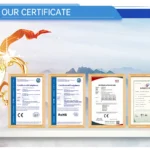
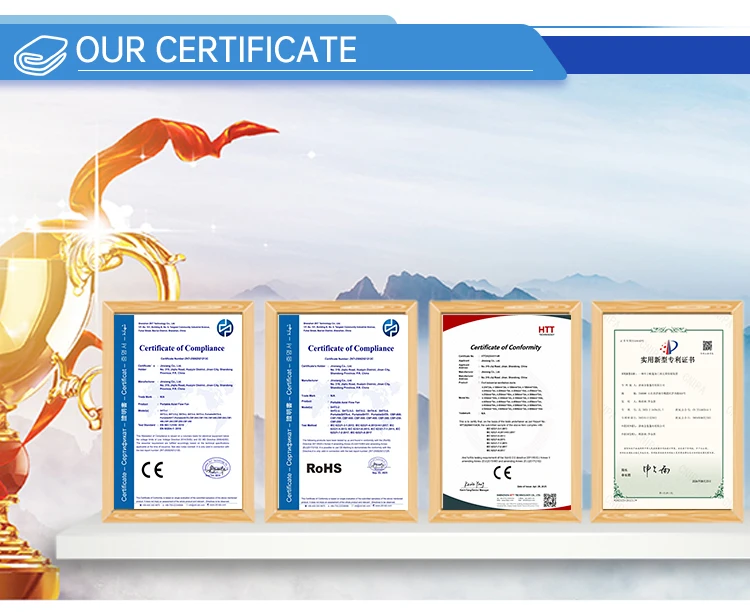
- ISO and CE certificates included in customs documentation package
- Roll packing list with batch identification for colour traceability
Fabrication, Handling & Storage
- Hot melt coated PVC surface responds well to high-frequency welding — adjust dwell time to the 0.35–0.45 mm thickness range
- Cold resistance to -30°C allows cold-weather transport, but unroll at ambient temperature before fabrication to avoid cracking
- Store rolls upright on pallets to prevent compression marks on the printable PVC surface
- Use compatible solvent or UV inks verified against the PVC coating composition for optimal adhesion
- Reinforce welded seams at panel junctions where tension loads concentrate on exhibition frames
- Clean printed surfaces with mild, non-solvent cleaners to preserve anti-static treatment integrity
Requesting a Quotation for Your Exhibition Project
Provide the total backdrop dimensions and panel layout so we can recommend roll width and length that minimises waste and weld seams. Specify the anti-static surface resistance range or venue compliance standard your event requires. Confirm whether you need rolls only or finished panels with welded hems and eyelets. Share your colour reference or print file if colour matching validation is needed before production.
Frequently Asked Questions
Q: What test reports come with anti-static and flame retardant grades?
A: We supply test documentation for anti-static treatment and flame retardant grades where applicable. The specific surface resistance standard and flame retardant classification depend on the grade selected. Confirm your venue or market requirements at inquiry stage so we match the correct certification to your order and include all relevant reports in the shipment documentation package.
Q: How do you ensure colour consistency across multiple rolls for a single backdrop?
A: Rolls for a single order are produced from the same PVC compound batch with in-process colour checks during coating. Our pre-shipment inspection includes roll-to-roll colour comparison under controlled lighting. We recommend requesting a production sample for print testing before the full run, particularly for brand-critical exhibition graphics where colour accuracy is non-negotiable.
Q: How is GSM verified before shipment?
A: Each roll is sampled and weighed against the quoted 400–500 GSM specification during our 100% pre-shipment inspection. The inspection record documents actual measured values and accompanies your shipment paperwork. This addresses the common industry problem where quoted weight and delivered weight diverge without the buyer discovering the discrepancy until the material is on site.
Q: What roll widths are available to match standard exhibition booth dimensions?
A: We supply custom widths to match your booth layout and minimise on-site panel joining. Provide your booth dimensions and preferred panel count at inquiry stage. Our R&D team will recommend the optimal roll width to reduce waste and weld seam count, and can develop a sample in your specified width for print compatibility testing before production.
Q: What are the key welding parameters for joining panels of this fabric?
A: The hot melt coated PVC surface on the 0.35–0.45 mm thickness fabric is suited to high-frequency and hot air welding. Weld tear strength should match or exceed the fabric body strength. We recommend test welds on sample material to establish optimal temperature and dwell time settings for your equipment before committing to full panel fabrication.