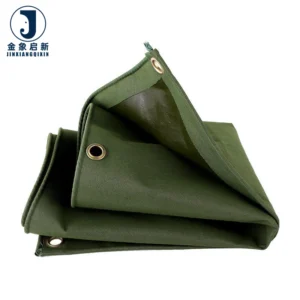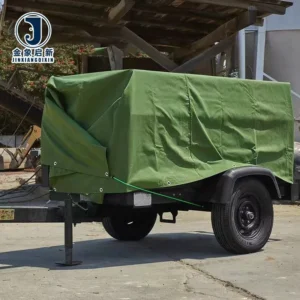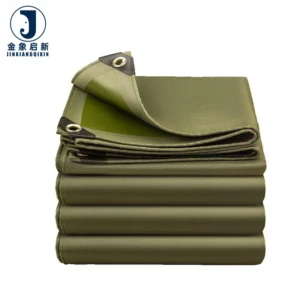
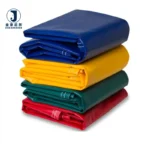
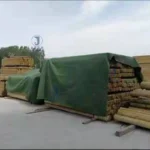
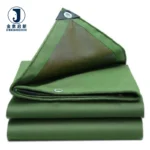
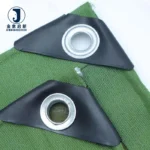
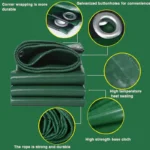
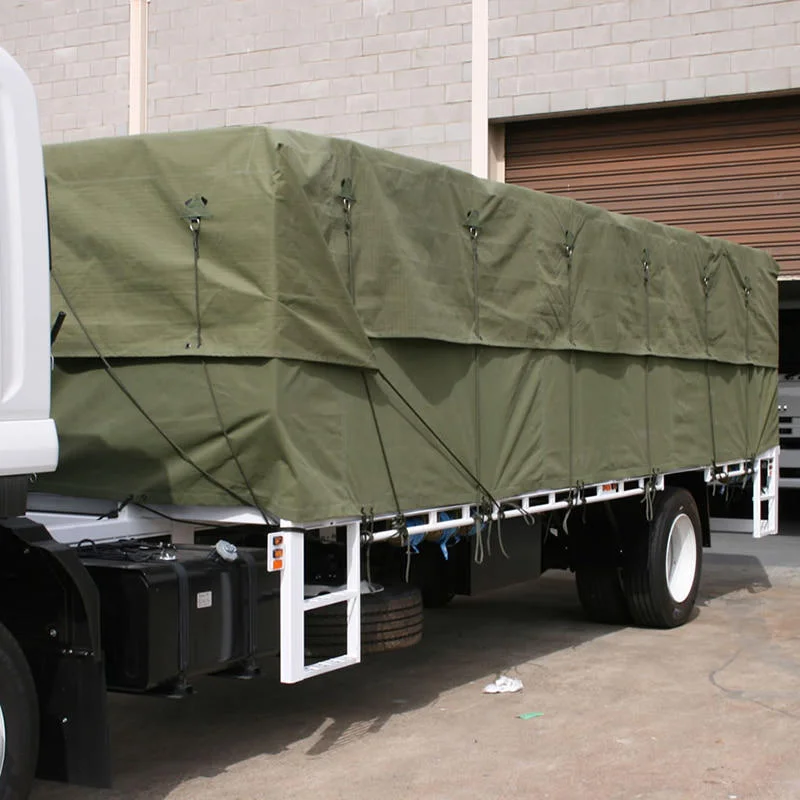
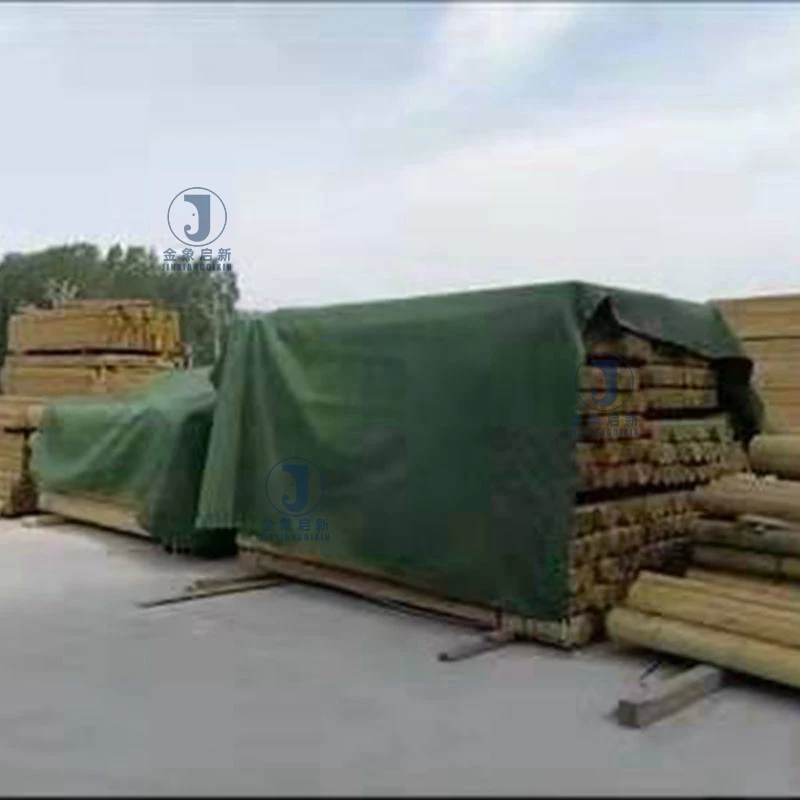
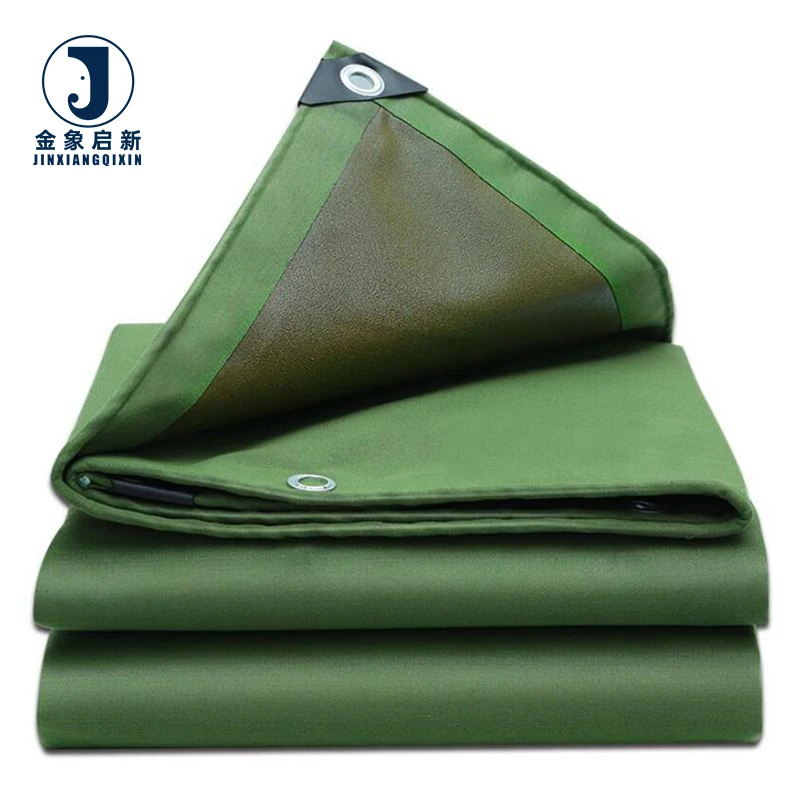
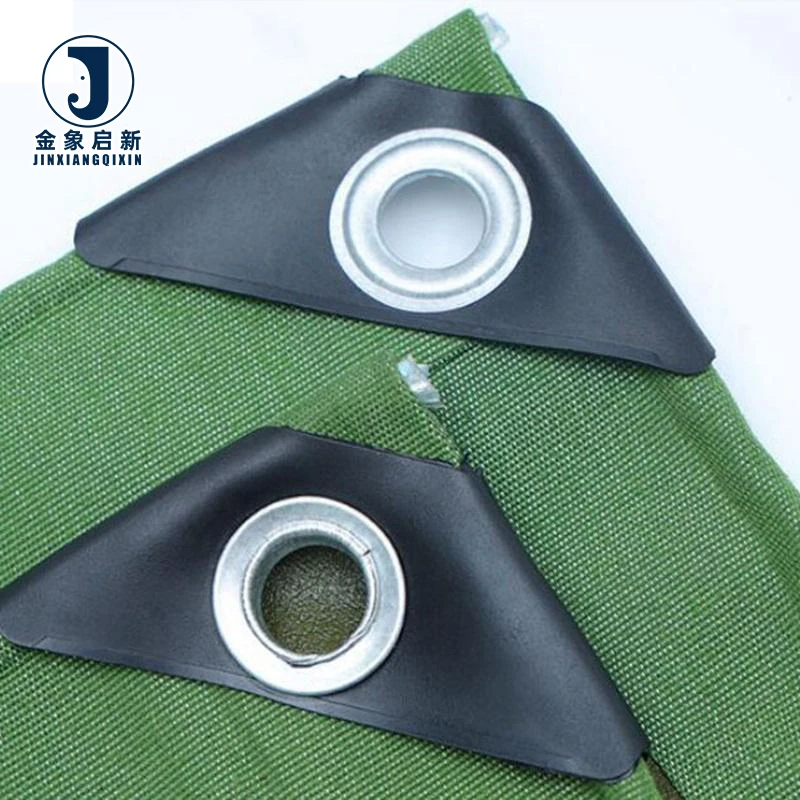
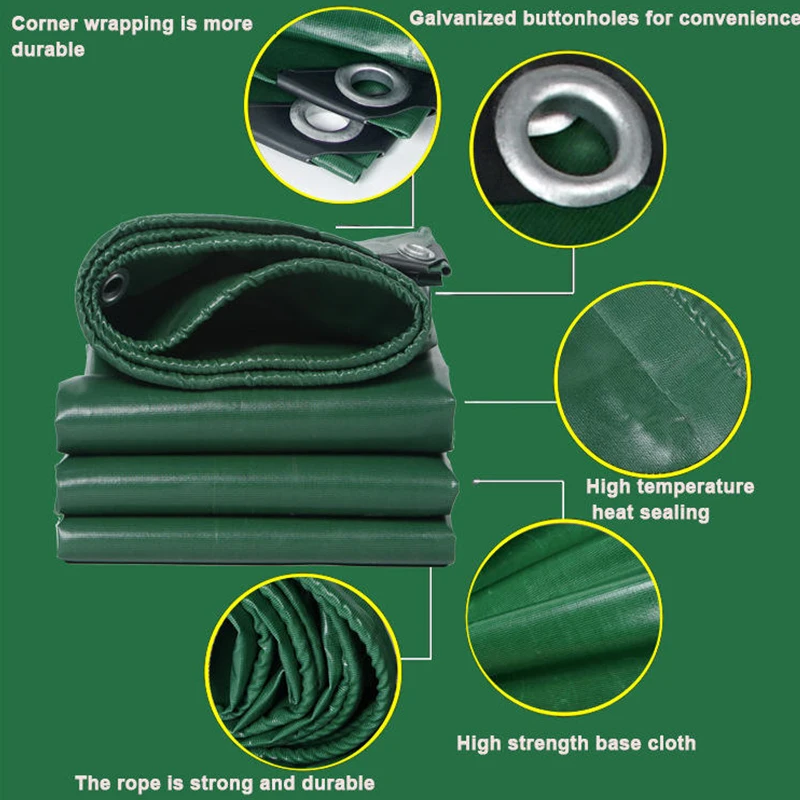
Process Control Over Coating Weight — every roll of PVC coated tarpaulin leaving our line is verified against the material specification sheet before dispatch, eliminating the gap between quoted GSM and delivered weight.
Technical Specifications
| Parameter | Value |
|---|---|
| Product Type | PVC Coated Tarpaulin |
| Base Fabric | High-strength polyester mesh |
| Coating Material | PVC |
| Coating Method | Laminated technology & Hot-melt Coating technology |
| Available Weight Grades | 350 gsm / 420 gsm / 500 gsm / 550 gsm / 600 gsm / 750 gsm |
| Available Thickness | 0.32 mm / 0.35 mm / 0.4 mm / 0.45 mm / 0.5 mm / 0.65 mm |
| Roll Width Options | 2 m / 2.1 m |
| Roll Length Options | 50 m / 75 m |
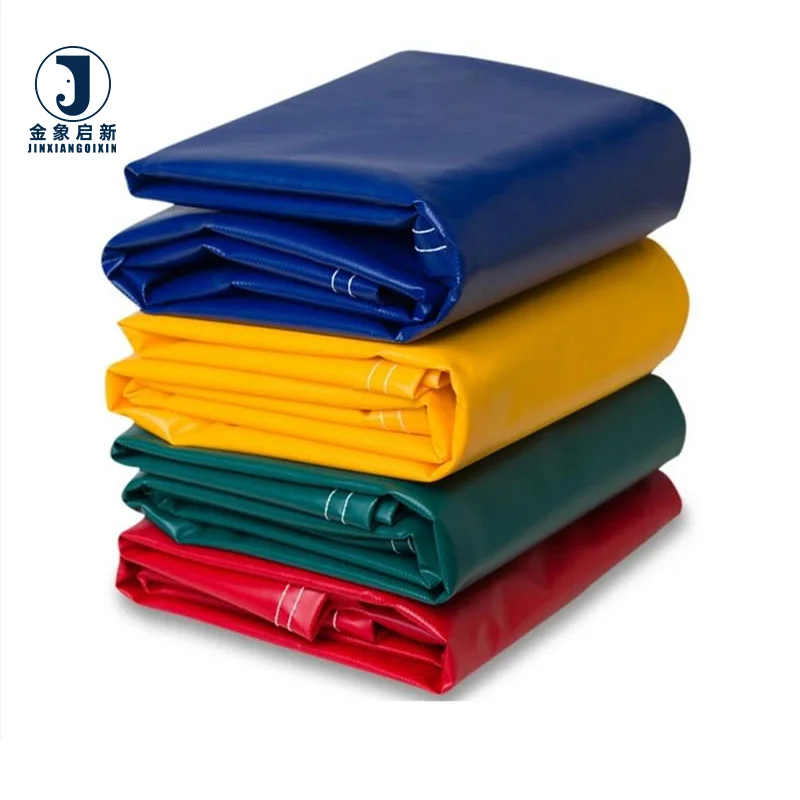
| Colour Options | Blue / Red / Yellow / Light blue / Grey (custom colours available) |
| Key Features | Cold crack resistance, anti-mildew, waterproof, UV resistant, anti-static treatment available |
| Fire Retardant | Available in flame retardant grades — confirm the grade required for your market |
| Service Life | 3–7 years under normal use (source value — verify against manufacturer catalog) |
| Printing | Custom brand printing available |
| Certifications | ISO, CE |
Application Suitability
| Application | Exposure & Requirement |
|---|---|
| Mining and tunnelling ventilation duct covers | Continuous airflow stress, underground moisture, fire-retardant and anti-static compliance required |
| Aviation ground equipment covers | Fuel vapour environments, static discharge risk, weather exposure on tarmac |
| Construction site enclosure and hoarding | Wind load, UV exposure, site safety colour coding, periodic relocation |
| Heavy equipment and machinery wraps | Abrasion from vibration, oil and grease contact, long-term outdoor storage |
| Industrial containment curtains | Dust and particulate control, wash-down exposure, flame-retardant specification in confined spaces |
Why Fire-Retardant and Anti-Static Claims Fail at the Site Gate
Documentation traceable to every roll is the only proof that matters when the inspector arrives.
Ventilation duct and industrial cover fabric regularly arrives on regulated sites without the fire-retardant or anti-static certification that the project specification demands. The material may carry a label, but the test report referencing the actual batch is missing or references a different production run entirely. PVC coated tarpaulin used in mining, tunnelling or aviation environments must meet specific compliance thresholds, and a generic claim on a quotation does not satisfy a site safety officer reviewing documentation before installation proceeds [NEED_CITE: fire-retardant classification standards for coated fabrics in underground and industrial ventilation applications].
Coating Adhesion and Weld Integrity Under Flex Load
Hot-melt coating and laminated technology produce a bond between the PVC layer and the polyester mesh base that directly determines how the fabric behaves at welded seams. When a truck side curtain or ventilation duct flexes under load or airflow pressure, the stress concentrates at the weld line rather than across the coated surface. A coating that delaminates at these points creates a failure path that spreads rapidly along the seam. The hot-melt process used on this PVC coated tarpaulin achieves full penetration into the mesh structure, supporting weld strength that matches or approaches the base fabric tear resistance.
Anti-Static Treatment for Hazardous Environments
Static charge accumulation on coated fabric surfaces presents a discharge risk in environments where combustible dust, fuel vapour or fine particulate is present. Anti-static treatment reduces surface resistivity to levels that dissipate charge before it reaches ignition thresholds. This treatment is applied during the coating stage and must be verified by surface resistance measurement before the roll ships. For mining ventilation duct, grain handling enclosures or aviation ground covers, confirm the specific surface resistivity range required by your site safety standard and request the corresponding test data [NEED_CITE: anti-static surface resistance testing methods for industrial coated textiles].
Reading the Specification Sheet Beyond GSM
GSM alone tells you the total weight of a square metre of fabric but reveals nothing about how that weight is distributed between base yarn and coating. A 550 gsm roll with a heavy coating and a light base fabric will tear more easily than a 550 gsm roll where the weight sits in a dense polyester mesh. The coating method matters equally: laminated technology bonds two PVC films to the mesh under heat and pressure, producing strong peel resistance suited to heat-welded fabrication, while hot-melt coating flows*igher adhesion. Base fabric denier and thread count determine how far a tear propagates once initiated — a higher-density mesh arrests tear spread at the yarn intersection. Colour consistency across rolls within a single order depends on pigment batching at the coating stage; variations become visible when panels are installed side by side on a fleet or structure. Roll width options of 2 m and 2.1 m affect cutting layout efficiency and the number of welded joints needed to cover a given area.
The Hidden Cost of Specifying on Price per Kilogram Alone
When procurement decisions rest on cost per kilogram, the supplier has an incentive to shift weight from the expensive polyester base into the cheaper PVC coating. The roll arrives at the correct GSM, passes a casual weight check, and fails within months at the first flex point because the base fabric lacks the denier and density to carry the load. Fire-retardant treatment applied at insufficient concentration passes a visual inspection but fails the burn test when the site auditor samples a panel. Colour drift between production batches forces a contractor to reject an entire shipment after the first three panels are hung and the mismatch is obvious in daylight [NEED_CITE: coating weight versus base fabric contribution to tensile performance in PVC tarpaulin].
Why Source This PVC Coated Tarpaulin Here
Three full production lines and 36 sets of professional equipment allow batch scheduling that protects your delivery date even when multiple custom orders run simultaneously. The 10-person R&D team handles material selection, sample development and custom colour matching before your order enters production — not after a problem surfaces at delivery. Dedicated QA and QC inspection runs at every stage, with 100 percent pre-shipment checking against the specification sheet rather than a sampling protocol. Nearly 30 years of focused coated fabric production has built process control over coating weight, adhesion and colour consistency that generic traders cannot match. Samples for custom requirements are developed within days, letting you verify weld behaviour and colour accuracy before committing to a full production run.
Documentation & Verification
- Material specification sheet confirming GSM, base fabric denier and coating weight per roll
- Fire-retardant test report matched to the grade specified for your market and application
- Anti-static surface resistance measurement certificate for treated rolls
- Pre-shipment inspection record covering weight, colour reference and dimensional accuracy
- Roll packing list with batch traceability from coating line to container loading
- Certificate of origin and customs documentation for cross-border shipment
Fabrication, Handling & Storage
- Heat-weld parameters must be adjusted to the specific GSM grade — test on a sample strip before full production runs
- Store rolls horizontally on a flat surface to prevent edge deformation that causes tracking issues during unrolling
- Allow cold-stored rolls to reach ambient temperature before unrolling to avoid cracking the PVC coating layer
- Use compatible PVC-based repair patches and solvent cement for field repairs on coated surfaces
- Plan cutting layouts around the 2 m or 2.1 m roll width to minimise off-cuts and welded seam count
What We Need to Quote Accurately
Specify the end-use environment and any fire-retardant or anti-static compliance standard your project requires so we can match the correct treatment grade. Confirm whether you need rolls at stock width or custom dimensions, and provide target colour references if consistency across a multi-roll order is critical. Indicate your annual volume and preferred delivery schedule to support production planning.
Frequently Asked Questions
Q: What fire-retardant grade can you supply and which test standard does it meet?
A: Fire-retardant treatment is available in multiple grades. The specific grade and test standard — such as DIN 4102, NFPA 701 or M2 — must be confirmed against your project specification before production. We supply the corresponding test report matched to your batch with the shipment documentation package.
Q: How do you verify anti-static surface resistance before shipment?
A: Surface resistance is measured on treated rolls during the pre-shipment inspection stage. The measurement certificate is included with your documentation. Confirm the resistivity range your site standard requires so we can adjust treatment concentration during coating.
Q: Which GSM grade should I specify for mining or tunnelling ventilation duct covers?
A: Grade selection depends on duct diameter, operating pressure and compliance requirements. Heavier grades with higher base fabric density suit larger-diameter ducts under sustained pressure. Share your duct specifications and we will recommend the appropriate GSM with supporting rationale.
Q: Can you supply test reports and certification traceable to my specific batch?
A: Yes. Every pre-shipment inspection record, fire-retardant test report and anti-static measurement certificate references the production batch and roll numbers in your order. This documentation ships with your goods and supports site compliance audits.
Q: How do you ensure weld and seam integrity at flex points on coated fabric covers?
A: Laminated and hot-melt coating technology produces strong adhesion between the PVC layer and the polyester mesh base. We recommend heat-weld parameter testing on sample strips from your actual roll before fabrication begins, and we provide welding guidance matched to your selected GSM grade.