
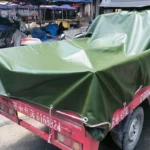
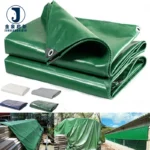
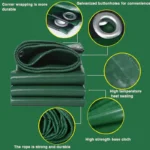
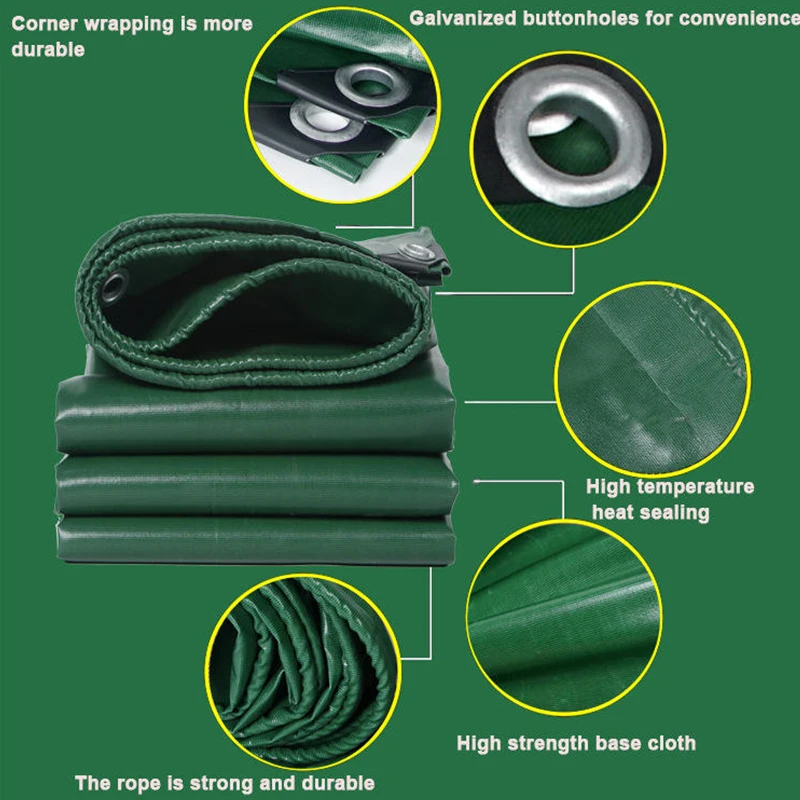
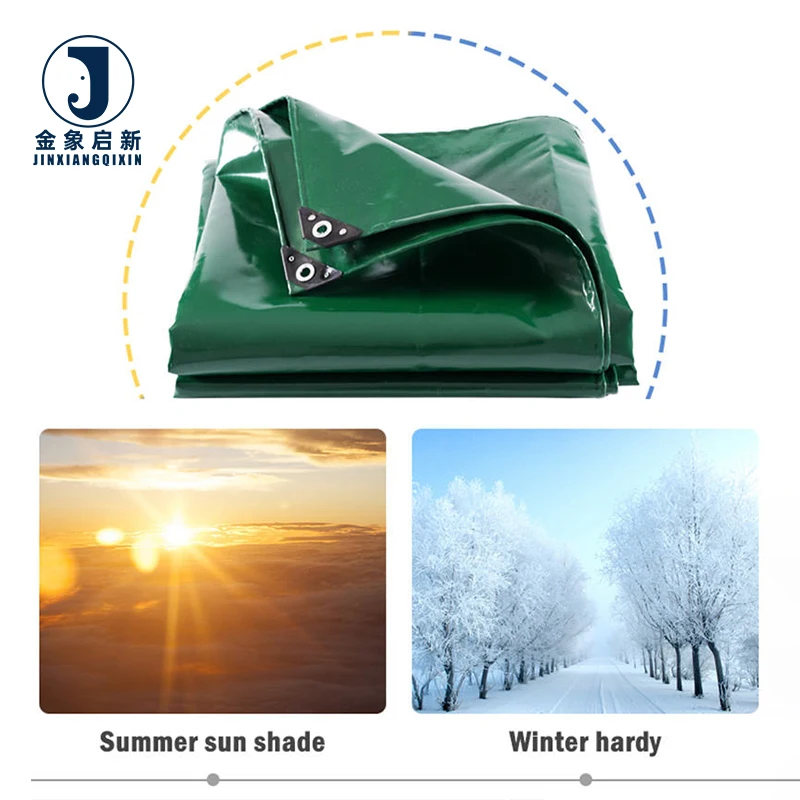
Coating Process Control — Deep expertise in PVC coating weight and adhesion management, verified through in-process QA and pre-shipment inspection for every roll produced.
Technical Specifications
| Parameter | Value |
|---|---|
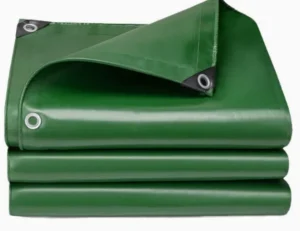
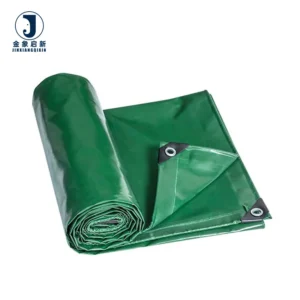
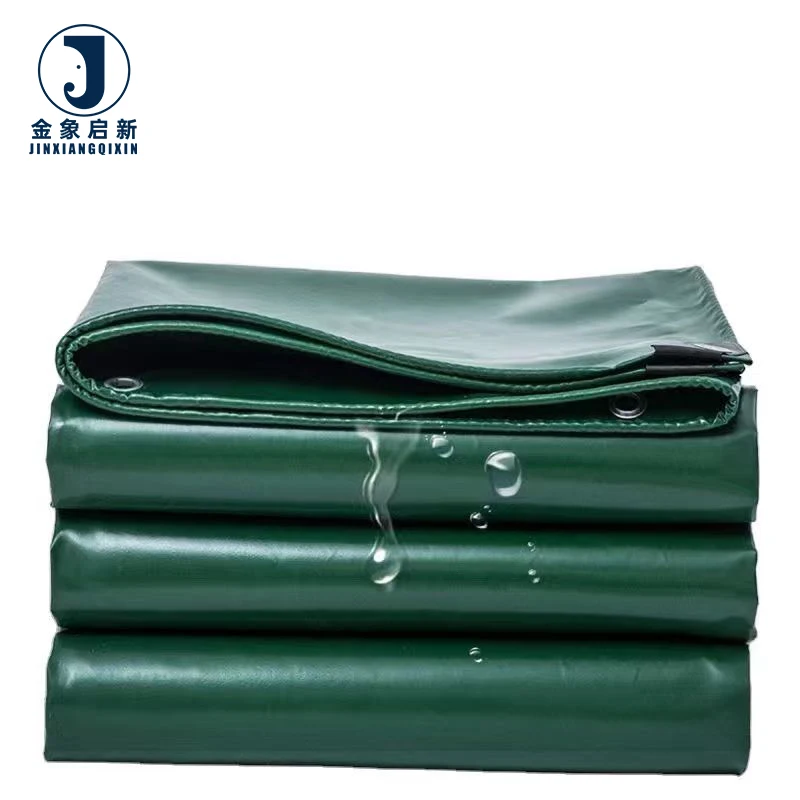
| Product Type | PVC Coated Tarpaulin |
| Weight (GSM) | 250gsm–1500gsm (range covers product family — confirm the grade for this item) |
| Base Fabric Denier | 200DX300D / 500DX500D / 840DX840D / 1000DX1000D |
| Coating Material | PVC |
| Size Options | 3x4m / 6x8m / 8x10m / 10x12m or custom made |
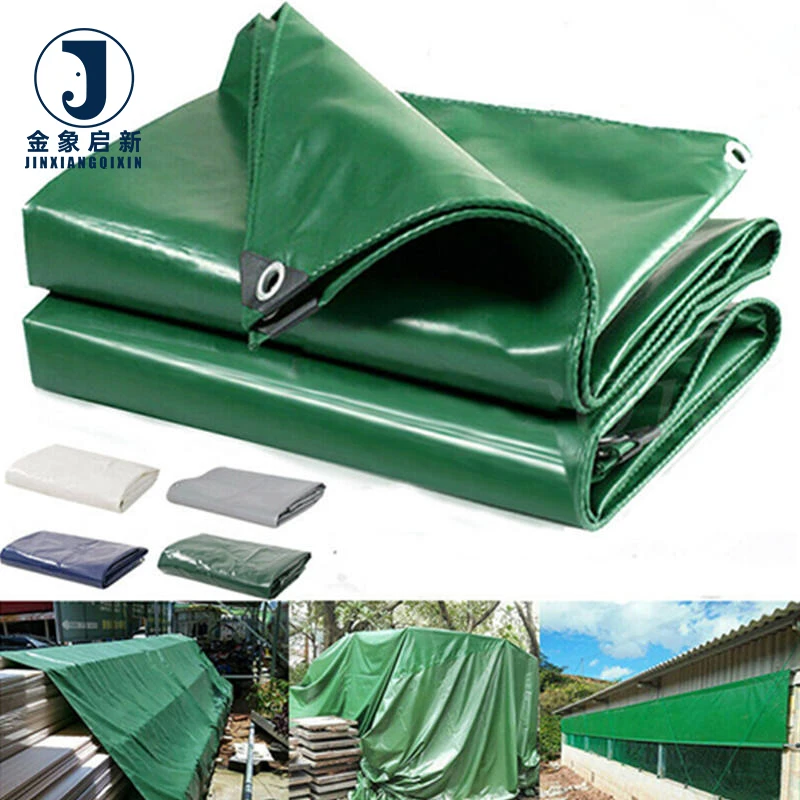
| Color | Blue, yellow, black, green, white, etc. |
| Finish | Glossy or matte |
| Temperature Range | -15ºC to 70ºC |
| UV Treatment | Customized (test basis not stated in source) |
| Flame Retardant Grade | FR treated (grade not stated in source) |
| Anti-Mildew | Anti fungal treated |
| Waterproof | Yes |
| Working Life | 3–10 years depending on usage environment |
| Package | Carton or bale |
| OEM/ODM | Warmly welcomed |
Application Suitability
| Application | Exposure & Requirement |
|---|---|
| Mining ventilation duct | Constant internal air pressure, flex fatigue from duct movement, fire-retardant and anti-static compliance required underground |
| Tunnelling exhaust ducting | Abrasive dust contact, moisture and chemical exposure, flame-retardant certification demanded by site safety regulation |
| Aviation ground-support inflatable | Repeated inflation and deflation cycles, UV and weather exposure on tarmac, lightweight yet durable membrane needed |
| Membrane structure panels | Sustained tensile load, wind uplift, UV degradation over long-term architectural installation |
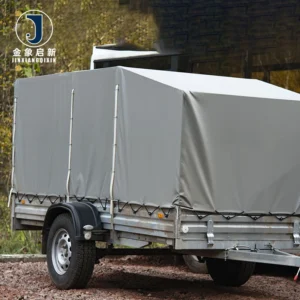
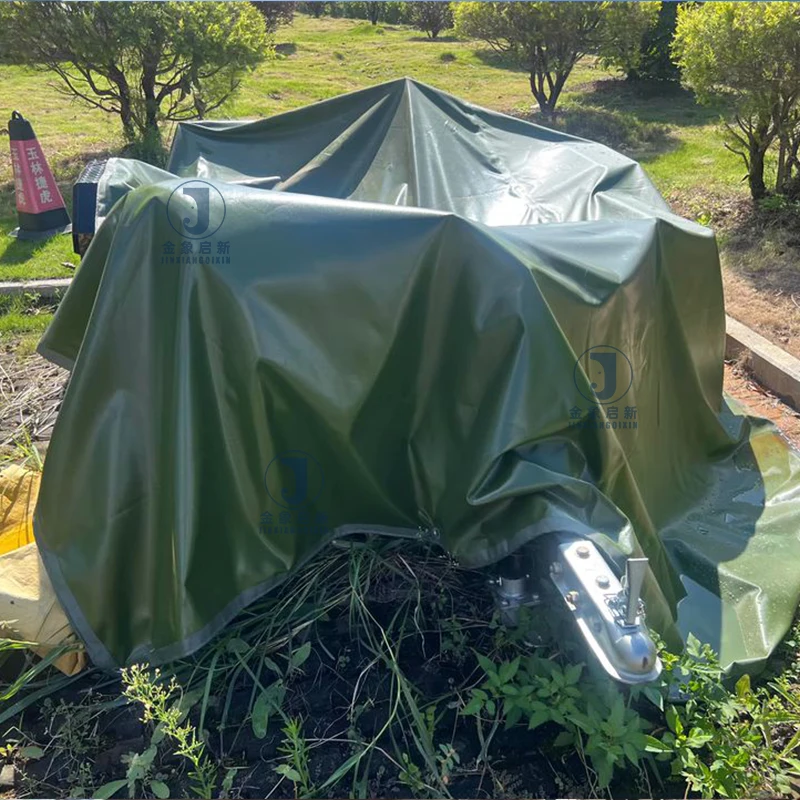
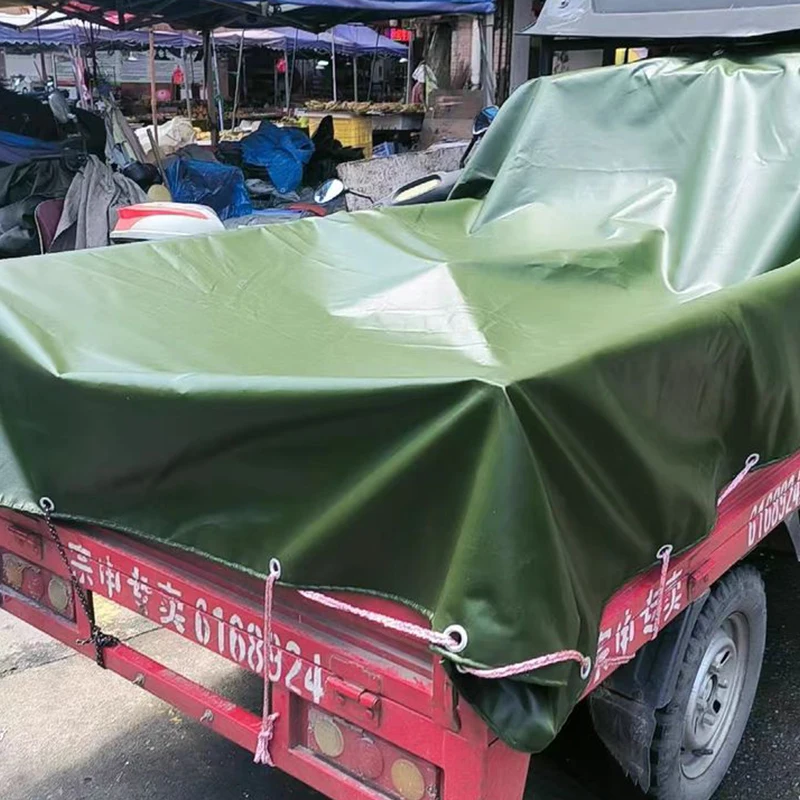
| Tent roof and heavy-duty lumber cover | Rain, UV, and mechanical abrasion from loading and handling operations |
Why a Missing Fire Certificate Stops Your Operation Cold
Fire-retardant PVC coated tarpaulin for industrial ventilation must carry documentation that matches the exact grade your site regulation demands — without it, the material is rejected at inspection regardless of how well it performs in the field.
Ventilation ducting installed underground or in confined tunnelling environments operates under strict fire safety oversight. When fabric arrives without a test report referencing a recognized standard, site auditors have no basis to approve it. Projects stall while procurement scrambles to source replacement material or negotiate retrospective testing. This is not a paperwork inconvenience — it represents a compliance gap that delays production and creates liability exposure across the entire site operation. [NEED_CITE: fire classification standards for ventilation duct materials in mining operations]
Matching Denier Selection to Duct Pressure Class
The base fabric denier directly influences how the PVC coated tarpaulin performs under internal duct pressure. Lower denier constructions such as 200DX300D suit low-pressure auxiliary ventilation where flex fatigue dominates the failure mode, while higher denier options like 1000DX1000D provide the tensile reserve needed for main-line ducting operating at elevated static pressure. Selecting denier without reference to your system’s pressure class risks either over-specifying material cost or under-specifying burst resistance.
Surface Finish and Its Effect on Airflow Efficiency
The choice between glossy or matte finish affects more than appearance in ventilation duct applications. A glossy internal surface reduces airflow friction and resists dust accumulation, which matters in mining environments where particulate build-up progressively restricts duct cross-section. Matte finish offers advantages for external membrane structure panels where glare reduction and paint adhesion are priorities. Specify finish based on the functional requirement of the surface, not default preference. [NEED_CITE: surface roughness impact on airflow resistance in flexible ventilation ducting]
Interpreting GSM and Denier as a Combined System
GSM alone does not define fabric performance — it reflects the combined weight of base yarn, weave density, and coating mass. A PVC coated tarpaulin rated at the same GSM can behave very differently depending on whether the weight comes from heavy coating over a lighter base or a denser base fabric with thinner coating. Heavier base yarn denier (840DX840D or 1000DX1000D) contributes more to tear propagation resistance, while higher coating weight improves puncture resistance and weld seam strength. The temperature range of -15ºC to 70ºC defines the operating envelope where the PVC coating maintains flexibility and adhesion — below this range the coating becomes brittle and crack-prone, above it the material softens and loses dimensional stability. Flame-retardant treatment is available in grades that map to different jurisdictional requirements — confirm the specific grade required for your market before ordering. Anti-fungal treatment protects the fabric from biological degradation in humid underground and surface environments where moisture persists on duct surfaces.
When the Wrong Specification Fails Underground
Ventilation duct that arrives without fire-retardant or anti-static certification matching the site’s regulatory framework faces immediate rejection — the material cannot be installed regardless of lead time pressure. Coating adhesion failure at weld seams creates air leaks that reduce system efficiency and allow dust or gas migration into worker areas. Colour variation between rolls in the same shipment signals inconsistent coating formulation, which can indicate broader quality control gaps extending to fire-retardant chemical loading. These failures are not cosmetic — they represent functional breakdowns that compromise safety compliance and system performance simultaneously. [NEED_CITE: weld seam failure modes in flexible ventilation ducting under pressure cycling]
Why Specialist Buyers Source This PVC Coated Tarpaulin Here
Three full production lines and 36 sets of professional equipment support bulk ventilation duct fabric orders with reliable on-time delivery, reducing the scheduling risk that delays mine development timelines. The 10-person R&D team handles material selection matched to specific duct pressure classes and membrane structure geometry, providing technical guidance rather than generic product lists. Dedicated QA/QC at every production stage with 100% inspection before shipment catches coating weight deviations and seam integrity issues before material leaves the facility. Custom width and length capability eliminates excessive field splicing on long duct runs and complex membrane shapes. ISO and CE certified production processes provide the documentation framework that regulated sites require for material traceability. [NEED_CITE: coating weight verification methods during PVC tarpaulin production]
Documentation & Verification
- Material specification sheet stating base fabric denier, coating weight, and treatment type per roll
- Fire-retardant test report with specific grade matched to your jurisdiction’s mining or tunnelling regulation
- Anti-static surface resistance certificate provided where site safety regulation demands it
- Pre-shipment inspection record confirming coating adhesion and seam integrity before dispatch
- Roll packing list with batch reference enabling field traceability per installed duct section
Fabrication, Handling & Storage
- Thermal welding parameters must account for the PVC coating thickness to achieve full seam adhesion without burn-through
- Store rolls upright on pallets to prevent flat-spot deformation that complicates duct fabrication
- Avoid dragging heavy-grade rolls across abrasive surfaces during unloading to protect coating integrity
- Clean glossy finish surfaces with mild detergent only to preserve surface friction properties for airflow
- Field repairs on damaged duct sections require compatible PVC weld patch material matching the original coating formulation
- Plan roll width selection against duct circumference to minimize longitudinal seam count per section
Request a Specification Recommendation
Provide your duct system pressure class, operating environment including underground depth and temperature profile, and the fire-retardant or anti-static standard your site regulation references. Include required roll width, annual volume estimate, and whether you need fabric only or finished duct sections. Specify if membrane structure panels require custom colour matching or surface finish for architectural integration.
Frequently Asked Questions
Q: How do I determine which fire-retardant grade applies to my ventilation duct project?
A: Fire-retardant requirements vary by jurisdiction and application — underground mining typically demands a different classification than surface-level architectural membrane use. Provide your site’s regulatory framework or the specific standard referenced in your project specification, and the R&D team will confirm which available grade maps to that requirement and supply the corresponding test documentation.
Q: What anti-static testing basis is used and how is it documented for site audit?
A: Anti-static treatment is verified through surface resistance measurement, and the certificate format depends on the standard your site regulation references. Share your audit requirements at inquiry stage so the correct test protocol is applied and documentation is formatted to satisfy your site safety inspector’s expectations without delay.
Q: How does base fabric denier affect duct pressure rating and flex-fatigue life?
A: Higher denier base fabrics such as 840DX840D or 1000DX1000D provide greater tensile reserve for high-pressure main-line ducting, while lower denier constructions offer superior flex endurance for auxiliary ventilation sections that experience constant movement. Match denier selection to your system’s pressure class and mechanical cycling profile rather than defaulting to the heaviest option available.
Q: Can custom widths and lengths be supplied for complex duct or membrane geometry?
A: Custom width and length production eliminates excessive field splicing on long duct runs and non-standard membrane panel shapes. The R&D team reviews your fabrication drawings and recommends roll dimensions that optimize material utilization, reducing waste and seam count in the finished installation.
Q: Why is thermal welding preferred over sewing for ventilation duct seams?
A: Thermal welding creates a continuous bonded seam that maintains air-tightness under internal pressure and resists peel forces during flex cycling. Sewn seams introduce needle holes that compromise waterproof integrity and create stress concentration points where coating delamination initiates under repeated pressure fluctuation in ventilation service.