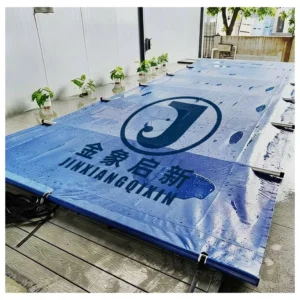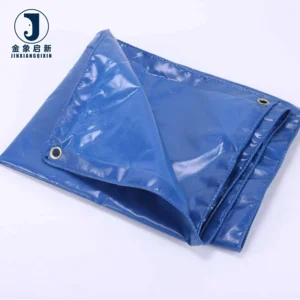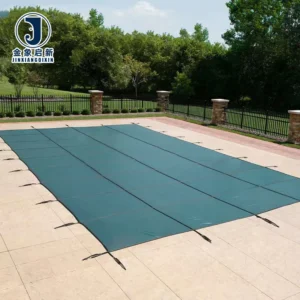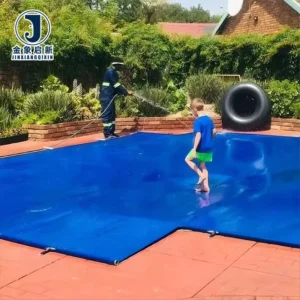
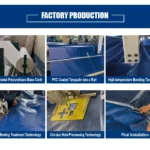
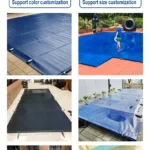
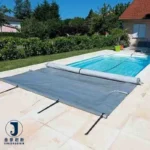
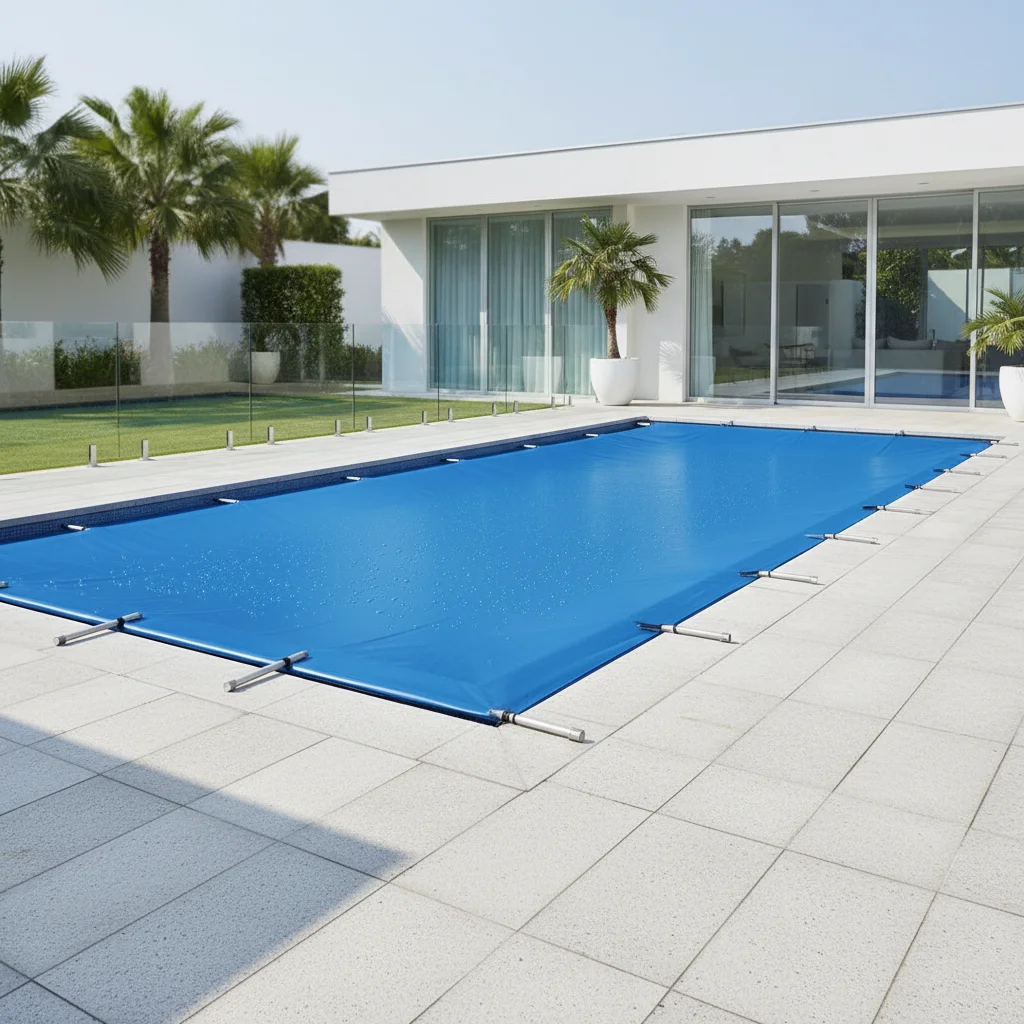
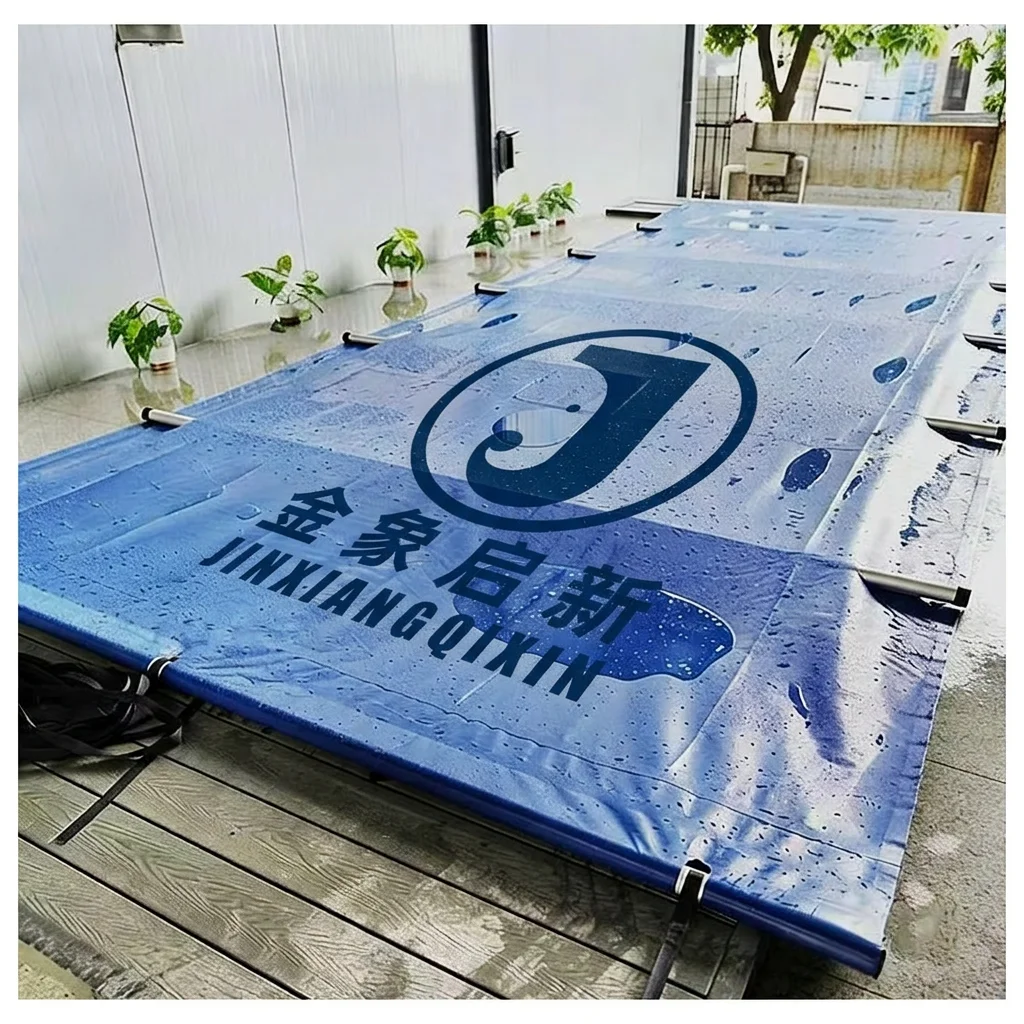
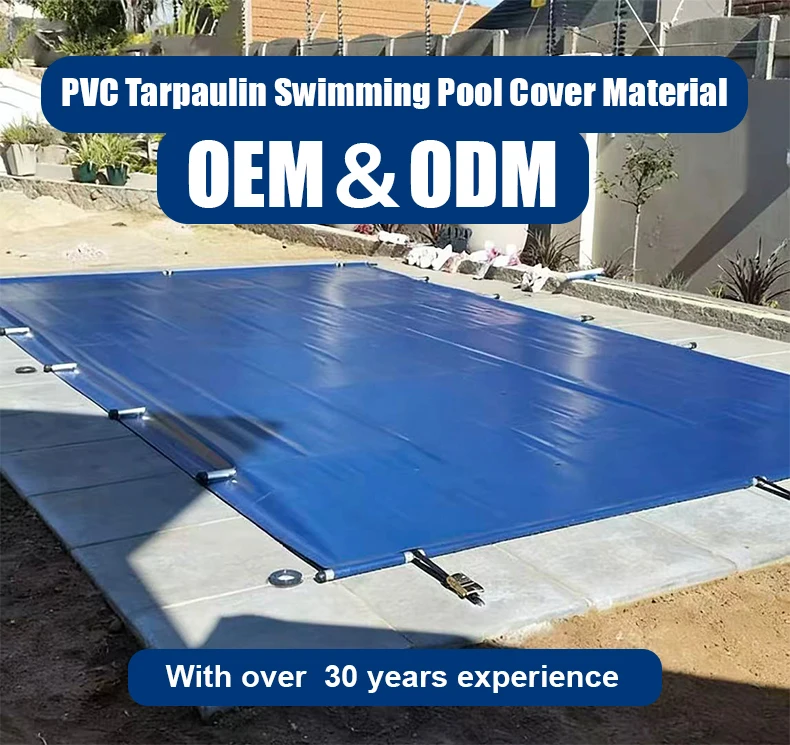
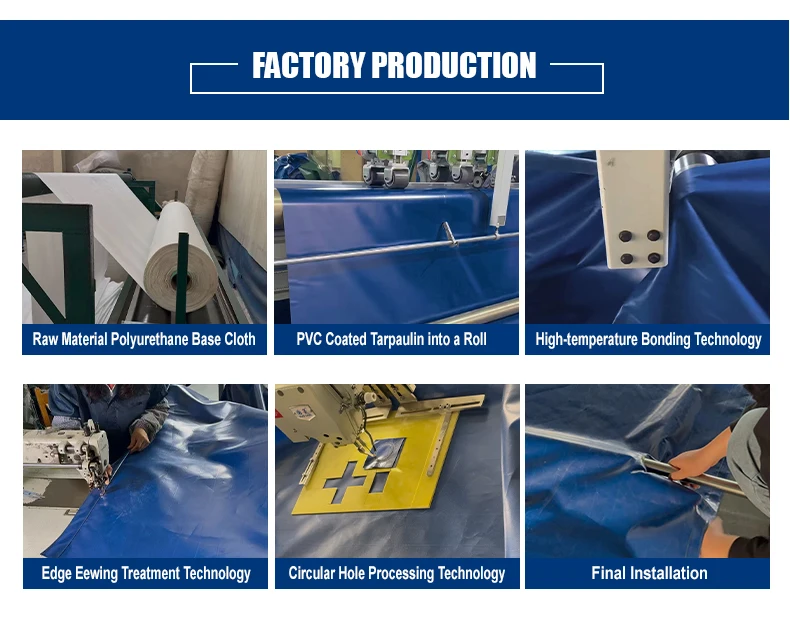
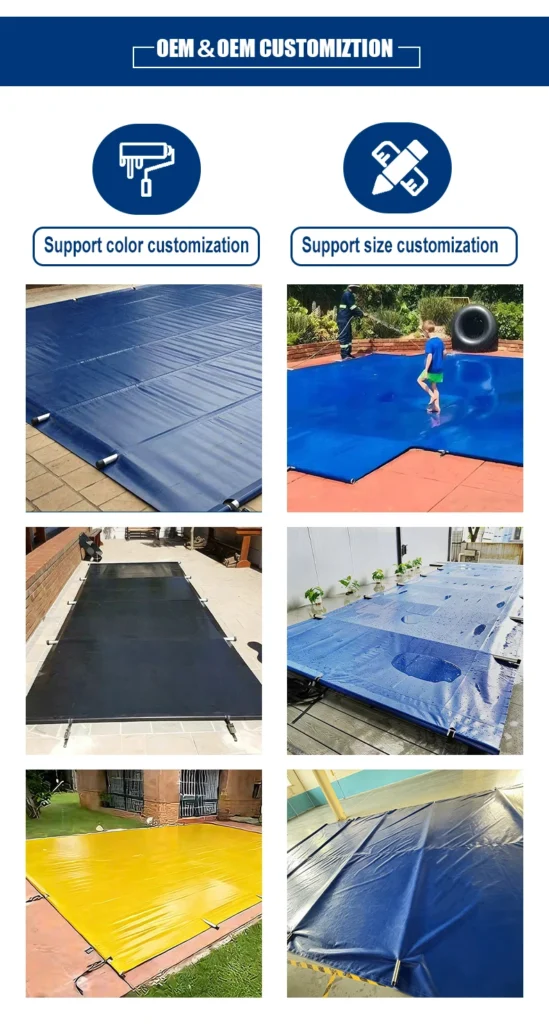
Coating Process Mastery — Three dedicated production lines with controlled PVC adhesion ensure every roll ships at the quoted weight, verified before dispatch for awning and shelter fabricators.
Technical Specifications
| Parameter | Value |
|---|---|
| Product Type | PVC Coated Tarpaulin Cover |
| Coating Material | PVC |
| Application | Outdoor Awning, Shade Sail, Canopy, Pet Dog House Cover |
| Key Features | Waterproof, Rainproof, Anti-UV |
| Weight Grade | Medium Weight |
Application Suitability
| Application | Exposure & Requirement |
|---|---|
| Residential awning & pergola canopy | Daily sun exposure, rain ingress, wind flutter at leading edge |
| Shade sail structures | Tensile pre-stress at D-rings, sustained UV, storm-driven rain |
| Pet shelter & kennel cover | Constant weather contact, abrasion at frame rub points, cleaning |
| General outdoor structure cover | Seasonal rain, pooling water at low pitch, UV degradation over time |
What Happens When Coating Weight Is Quoted But Never Verified
Every roll must leave the factory at the stated GSM, not just on the invoice but on the scale.
The most common complaint from fabricators buying coated fabric for awning and canopy production is that the material arrives lighter than the specification sheet promised. A few grams per square metre missing across an entire roll means less coating adhesion and reduced waterproof integrity at the seams. For shade sail makers pre-stressing the fabric at corner D-rings, an underweight roll can fail during tensioning before it ever sees a customer site. [NEED_CITE: ISO 1421 test methods for tensile and tear properties of coated fabrics]
Welded Seams Must Outlast the Fabric at High-Stress Points
When an awning or shade sail flexes under wind load, the welded hem takes repeated stress that the main panel does not. PVC coated tarpaulin for outdoor cover applications demands that seam strength matches the base fabric tensile capacity. If the coating weight or adhesion is inconsistent across the roll, the weld line becomes the weakest link. Fabricators running heat-welding equipment need uniform coating thickness to dial in reliable temperature and dwell settings.
Anti-UV Treatment Requires a Documented Test Basis
An anti-UV claim on a quotation means little without a test report behind it. Shelter and canopy covers face sustained direct sunlight, and premature chalking or colour shift is the first visible sign that the treatment was inadequate or absent. We supply material specification sheets that state the UV treatment basis for every grade shipped, so you can confirm suitability for the exposure level your end market demands [NEED_CITE: accelerated weathering test standards for PVC coated textiles]. Where a specific UV performance level is required, request the corresponding test documentation before approving samples.
How GSM, Base Fabric and Coating Weight Interact
Medium Weight PVC coated tarpaulin sits in a range where the base fabric denier and weave density share the structural load with the coating itself. A heavier coating adds waterproof reliability and weld surface area, but tensile and tear strength depend primarily on the polyester or nylon base cloth. Coating method — whether knife-over-roll, dip, or calender — affects adhesion between layers and determines how cleanly the material heat-welds. For awning and canopy fabricators, consistent coating weight roll-to-roll is what keeps welding parameters stable and rejects low.
The Hidden Cost of Specifying on Price Alone
Fabricators who select coated fabric on the lowest quoted GSM price often absorb losses further down the chain. Colour that shifts between rolls in the same order forces panels to be replaced when installed side by side on a single awning. Welded seams that fail within the first season generate warranty claims that cost more than the original material saving. [NEED_CITE: common failure modes in PVC coated fabric structures] Batch consistency is not a luxury feature — it is the difference between a one-time supply and a recurring order.
Why Fabricators Source This Grade Here
Three full production lines with 36 sets of professional coating and finishing equipment give capacity for bulk roll orders without compromising lead reliability. A 10-person R&D team handles custom width, colour matching and sample development in days rather than weeks. Every roll undergoes dedicated QA/QC at each production stage, with 100% inspection before dispatch to verify GSM, colour and coating adhesion. ISO and CE certification supports export documentation for markets across North America, Europe and Asia.
Documentation & Verification
- Material specification sheet confirming PVC coating type and base fabric construction per roll
- Anti-UV test documentation where the specified grade requires verified weathering data
- Pre-shipment inspection record with roll-by-roll GSM and colour verification
- ISO and CE certificates included in every export documentation package
- Certificate of origin and customs support documents matched to destination country requirements
Fabrication, Handling & Storage
- Heat-weld Medium Weight PVC coated tarpaulin at temperatures matched to coating thickness for full seam fusion
- Reinforce eyelet and D-ring positions with additional PVC patches to spread point loads on awning corners
- Store rolls horizontally on pallets to prevent flat spots that distort the coating surface
- Allow cold-stored rolls to acclimatise before unrolling to avoid creasing the PVC coating layer
- Clean finished canopies with mild detergent — avoid solvents that soften the PVC coating
What to Include in Your Enquiry
To match the correct PVC coated tarpaulin grade to your awning, canopy or shelter project, provide the end-use environment, expected sun and rain exposure level, and any fire classification your local building code requires. Specify whether you need roll stock or cut-to-size panels with welded hems. Confirm target colour, roll width and annual volume so we can advise on production scheduling and batch consistency.
Frequently Asked Questions
Q: How is GSM verified before the rolls ship?
A: Every roll is weighed and measured during pre-shipment inspection to confirm the actual grams per square metre matches the quoted specification. The inspection record ships with the order so you can cross-check on arrival. Any roll outside tolerance is held and reworked before dispatch.
Q: Can you supply test reports for the anti-UV treatment?
A: Yes. Where the selected grade includes anti-UV treatment, we provide the test documentation that supports the claim. Request the report during the sample approval stage so you can confirm the treatment level meets your market exposure requirements before production begins.
Q: How do you maintain colour consistency across multiple rolls?
A: Colour is controlled at the coating stage with reference standards checked against every production batch. During pre-shipment inspection, rolls from the same order are compared side by side under standardised lighting before packing. Any visible variation triggers a hold until the affected rolls are replaced.
Q: Do you supply roll stock, cut-to-size panels, or both?
A: Both. Fabricators buying by the roll receive standard or custom widths for their own cutting and welding. Manufacturers requiring finished panels can order cut-to-size pieces with welded hems and edge reinforcement. Specify your requirement at the enquiry stage so we quote the correct format.
Q: What documentation is included for customs clearance?
A: Each shipment includes a packing list, certificate of origin, material specification sheet, ISO and CE certificates, and pre-shipment inspection records. Additional customs support documents are prepared to match the destination country requirements. Confirm any specific documentation needs when you place the order.