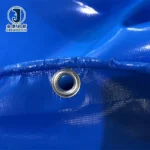

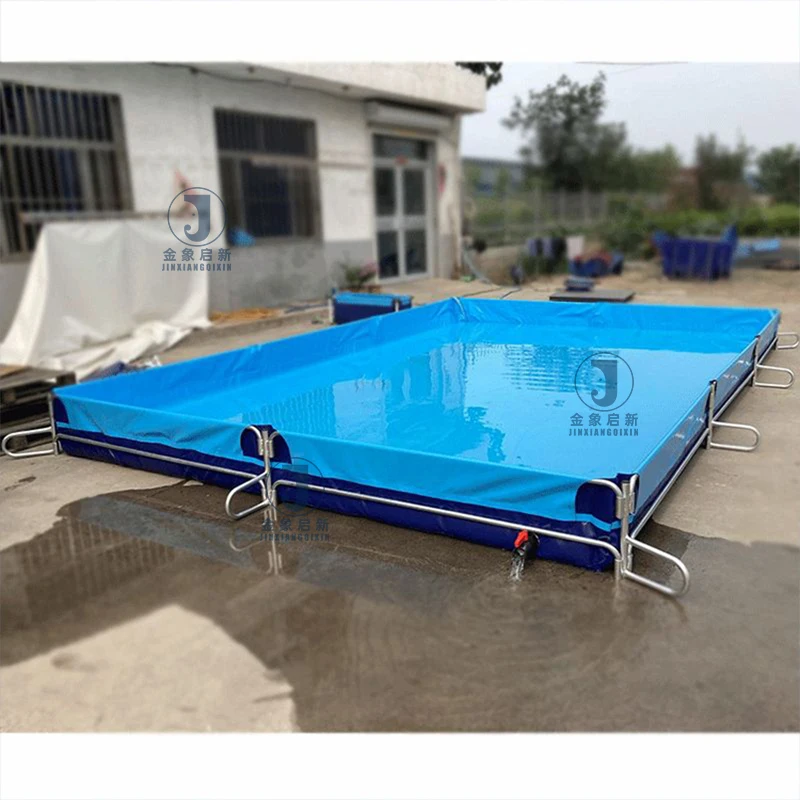
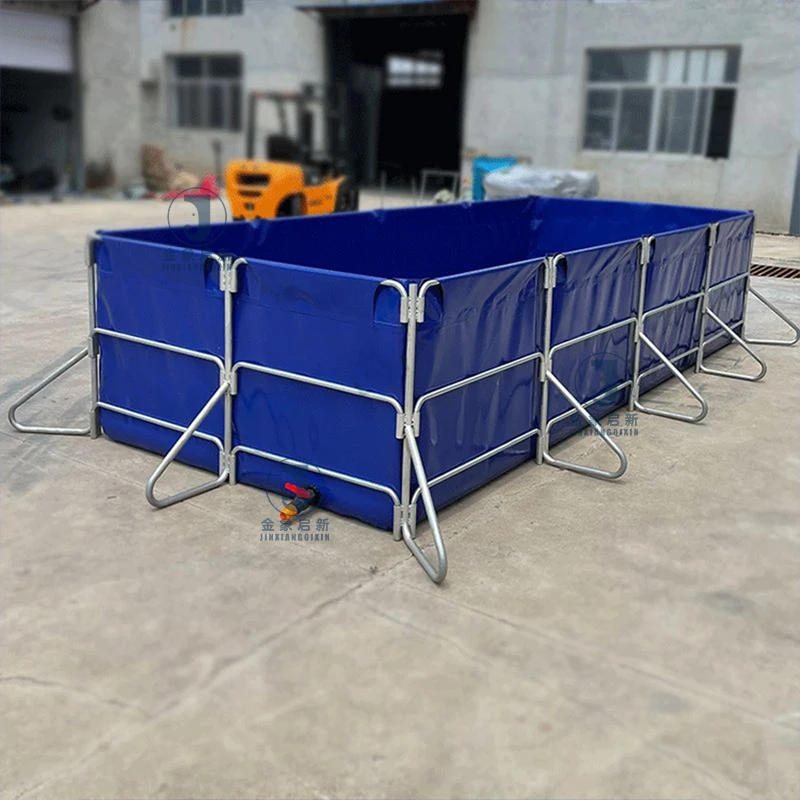
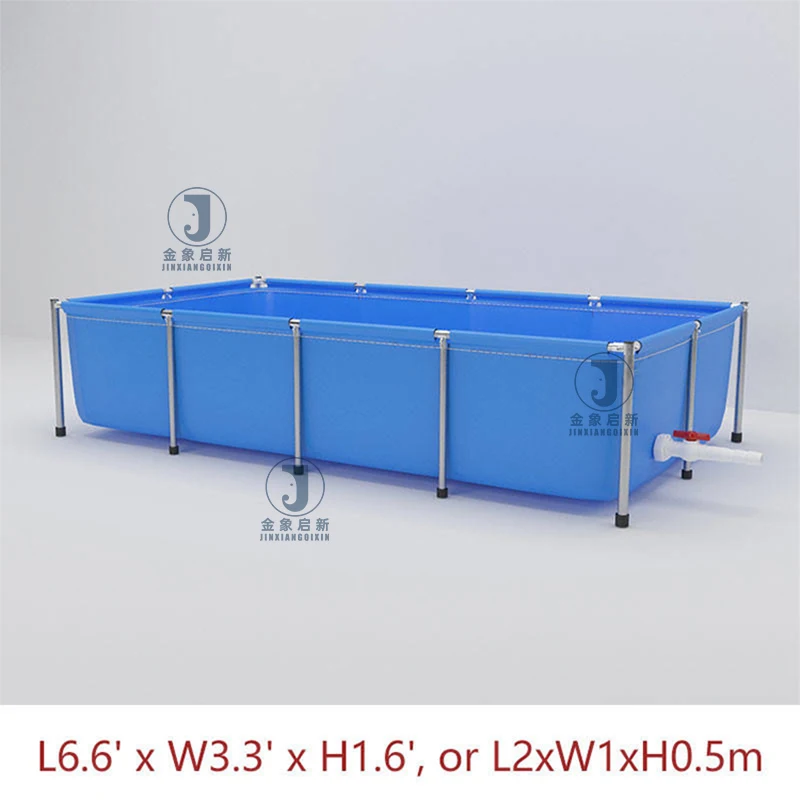
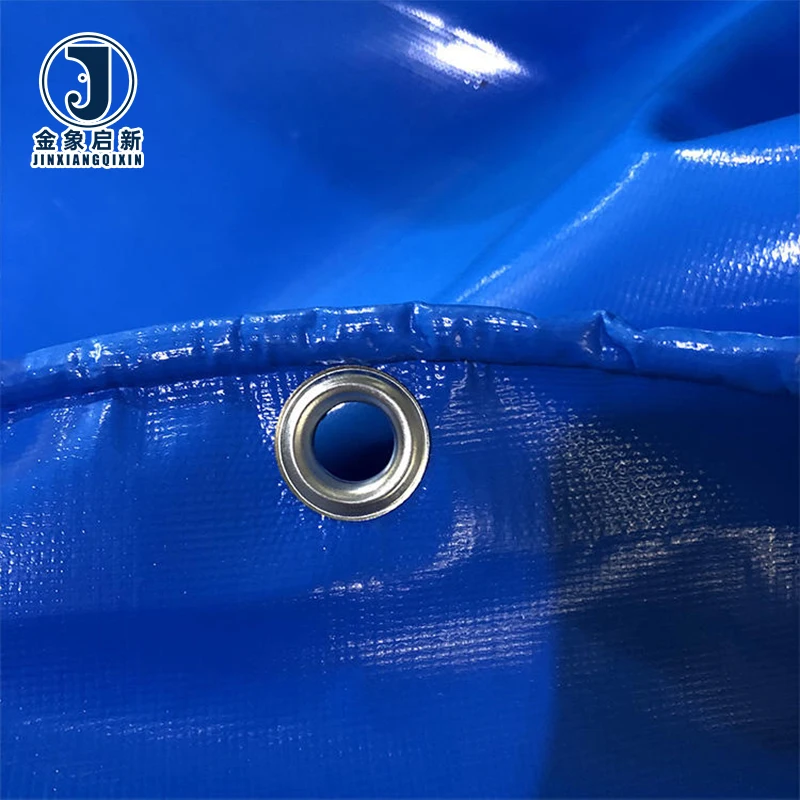
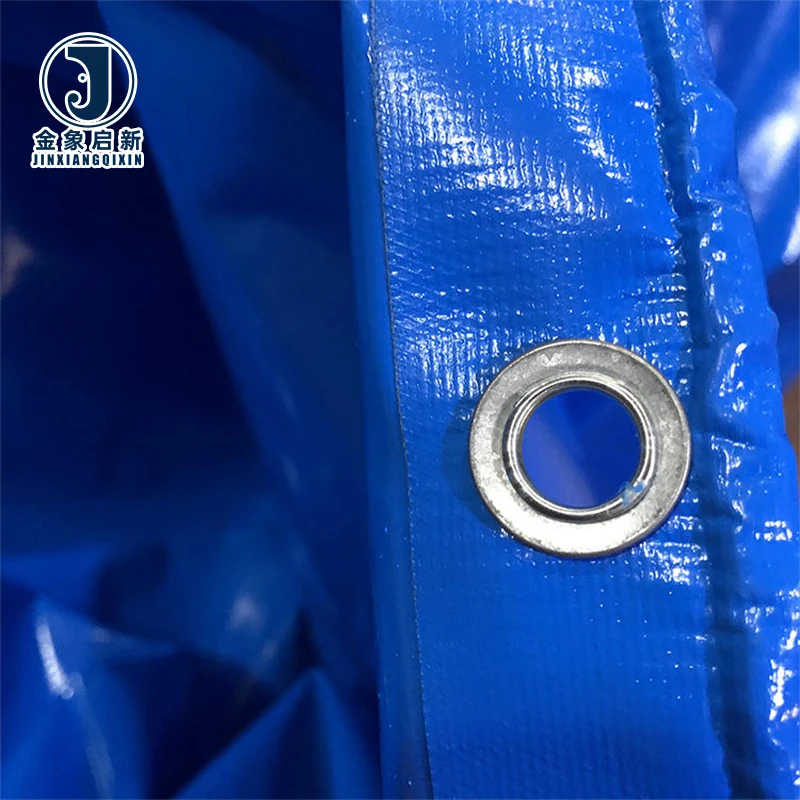
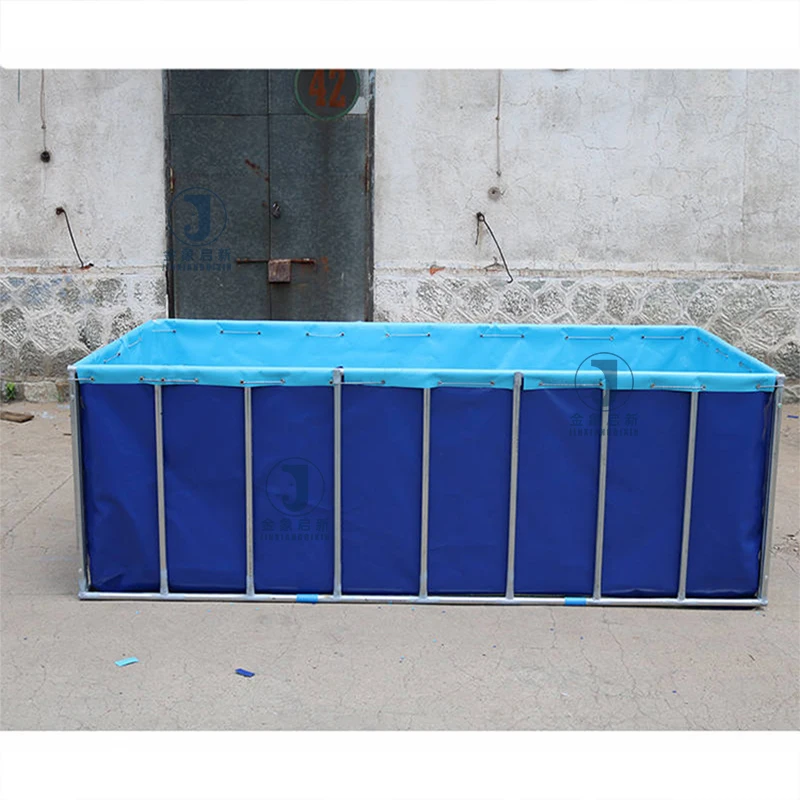
Coating Consistency — hot-melt and laminated lines hold PVC adhesion across the full roll length, verified per batch before dispatch.
Technical Specifications
| Parameter | Value |
|---|---|
| Product Type | PVC Coated Tarpaulin |
| Material | PVC + High-strength polyester mesh fabric |
| Coating Method | Laminated technology & Hot-melt Coating technology |
| Weight (GSM) | 350gsm / 420gsm / 500gsm / 550gsm / 600gsm / 750gsm (range covers product family — confirm the grade for this item) |
| Total Thickness | 0.32mm / 0.35mm / 0.4mm / 0.45mm / 0.5mm / 0.65mm (range covers product family — confirm the grade for this item) |
| Roll Size | 2m width 75m length / 2.1m width 50m length |
| Color | Blue / Red / Yellow / Light blue / Grey (Customized) |
| Cold Crack Resistance | Available — confirm low-temperature rating required |
| Flame Retardant | Available as special treatment (grade not stated — confirm the grade required for your market) |
| Anti-Static | Available as special treatment (standard not stated — confirm surface resistivity target) |
| Anti-Mildew | Treated |
| UV / Sunproof | Treated (test basis not stated — confirm UV exposure hours or standard) |
| Service Life | 3–7 years under normal circumstances (source value — verify against application conditions) |
Application Suitability
| Application | Exposure & Requirement |
|---|---|
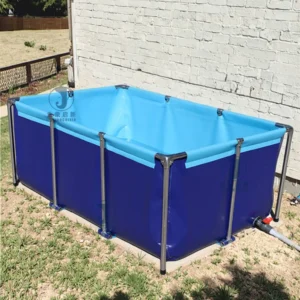
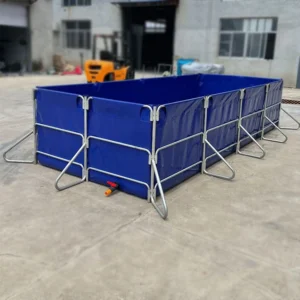
| Fish pond and aquaculture tank liner | Permanent water immersion, soil chemistry contact, puncture from substrate, anti-mildew demand |
| Mining and tunnelling ventilation duct | Continuous airflow, fire-retardant and anti-static compliance, flexing at bends |
| Inflatable and membrane structure fabric | Internal pressure load, UV exposure, welded seam integrity at stress points |
| Tent and temporary enclosure cover | Weather exposure, repeated pack-and-deploy cycles, colour consistency across panels |
Why GSM on the Datasheet Is Not the Whole Story for Specialist Fabric
Coating adhesion and base fabric weave determine real field performance far more than weight alone.
When a PVC coated tarpaulin arrives on site lighter than the quotation stated, the consequences compound quickly: a pond liner that punctures during filling, a ventilation duct that tears at the first bend. [NEED_CITE: coated fabric tensile and tear test methods per ISO 1421] We have seen procurement teams focus entirely on GSM while overlooking the coating method, the denier of the base yarn, and whether flame retardant or anti-static treatments actually carry a test report. For technical containment and ventilation applications, the specification sheet must show more than a number — it must show how that number was achieved and what it delivers in measurable terms.
Coating Technology That Holds Under Submersion and Pressure
The choice between laminated and hot-melt coating directly affects how the PVC layer bonds to the polyester mesh. Laminated construction presses the coating into the base fabric under heat and pressure, producing strong peel resistance that matters when a pond liner flexes against an uneven substrate. Hot-melt coating flows liquid PVC into the weave, filling gaps and creating a thicker barrier — better suited to inflatable structures where internal pressure pushes against the coating from within. Both methods are available across the weight range for this PVC coated tarpaulin product family.
What Compliance Documentation Actually Means on Site
Mining ventilation ducts and aviation-grade containment liners must carry fire-retardant and anti-static certifications that match the site’s regulatory framework. A claim of "flame retardant" without a cited standard fails the first inspection. [NEED_CITE: fire classification standards for coated fabrics in mining and construction] Our R&D team works with buyers to identify the exact grade required — whether that aligns with a specific national mining code or a building membrane fire class — and provides test reports matched to the cited standard with every specialist order.
Reading the Specification Sheet Like a Fabricator
Weight and thickness move together but tell different parts of the story. A 350gsm grade at 0.32mm suits lightweight temporary pond liners where flexibility aids installation over uneven ground, while a 750gsm grade at 0.65mm provides the puncture resistance needed for permanent aquaculture tanks resting on compacted gravel. The high-tenacity polyester yarns carry the tensile and tear load; the PVC coating provides waterproofing and chemical resistance. Cold crack resistance determines whether the fabric remains pliable during winter installation or cold-climate operation, and anti-mildew treatment prevents biological growth on submerged surfaces. Roll widths of 2m and 2.1m allow fabricators to plan panel layouts that minimise welded seams in finished pond or duct constructions.
The Hidden Cost of Specifying on Price Per Roll Alone
When batch colour varies between rolls in the same shipment, the problem becomes visible only after panels are welded side by side on a tent or membrane structure — at which point rework is the only option. A pond liner cut from fabric that lacks verified anti-mildew treatment may perform well for one season before biological degradation begins at the waterline. [NEED_CITE: common failure modes in coated fabric containment liners] Ventilation duct sections that arrive without the fire-retardant certification the site inspector requires cannot be installed regardless of how well the fabric performs mechanically. These failures trace back to incomplete specification at the inquiry stage.
Why Specialist Buyers Source This Fabric Here
Three full production lines and 36 sets of professional equipment mean custom width and colour runs do not displace standard stock orders — both move through the factory on reliable schedules. The 10-person R&D team develops samples for specialist requirements within days, allowing buyers to test weld parameters and coating adhesion before committing to bulk. A dedicated QA/QC process inspects every roll before shipment, checking GSM against the purchase order and verifying colour consistency across the batch. Material specification sheets, test reports for applicable treatments, and pre-shipment inspection records ship with every order, giving site inspectors the documentation they need.
Documentation & Verification
- Material specification sheet stating exact GSM, base fabric denier, and coating type per roll
- Test report for flame retardant or anti-static treatment matched to the cited standard
- Pre-shipment inspection record confirming weight verification before dispatch
- Colour reference number documented to ensure roll-to-roll consistency across the order
- Certificate of origin and customs documentation for cross-border specialist projects
Fabrication, Handling & Storage
- Hot-air welding parameters must match the specific GSM grade — higher weights need longer dwell times for full seam fusion
- Store rolls upright on pallets to prevent flat-spot deformation of the PVC coating surface
- Allow cold-stored rolls to acclimatise before unrolling to avoid coating crack at low temperatures
- Plan panel layouts around the 2m or 2.1m roll width to minimise transverse weld seams in pond liners
- Use compatible PVC-based adhesives for field repairs to maintain coating chemical continuity
What We Need to Quote Accurately
To specify the right grade from this PVC coated tarpaulin range, tell us the application environment — submerged liner, pressurised duct, or membrane structure — and the compliance standards your market requires for fire retardancy or anti-static performance. Provide the required roll width, estimated annual volume, and whether you need raw rolls or finished cut-to-size panels. If colour consistency across multiple rolls is critical for your installation, confirm your colour reference so we can verify batch matching before production.
Frequently Asked Questions
Q: How do I verify the flame retardant grade matches my site requirements?
A: Share the specific standard your project mandates — mining codes, building fire classes, or aviation requirements differ significantly. Our R&D team cross-references your target standard against available treatment grades and provides a test report from a recognised laboratory with the shipment. Confirming this at the inquiry stage prevents installation rejection on site.
Q: What is the process for checking GSM on arrival?
A: We supply a material specification sheet stating the agreed GSM per roll, and our pre-shipment inspection records document the weight check before dispatch. On arrival, buyers can cut a measured sample from the roll edge and weigh it on a calibrated scale. Any discrepancy against the documentation triggers our after-sales support process.
Q: How does weld strength compare to the fabric strength?
A: Properly executed hot-air or hot-wedge welds on PVC coated polyester can approach the tear strength of the base fabric itself. The key variables are welding temperature, speed, and pressure — all of which depend on the specific GSM and coating thickness. We provide fabrication guidance matched to the grade you order so seams perform reliably under load.
Q: What is the minimum order for a custom colour or width run?
A: Custom colour and width requirements involve dedicated production scheduling. The minimum depends on the specific grade and treatment combination you need. Share your colour reference, required width, and approximate volume at the inquiry stage, and we will confirm the production minimum along with sample availability and lead time.