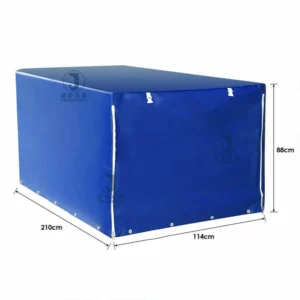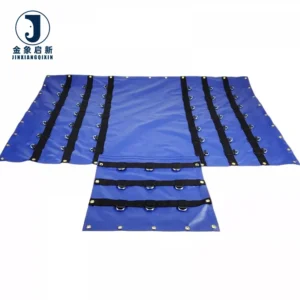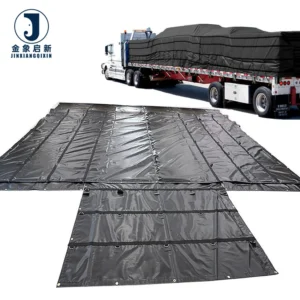
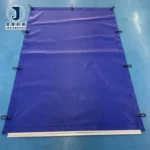
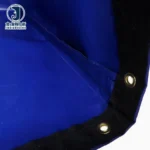
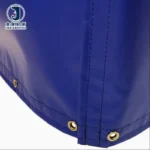
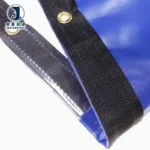
Deep Process Control Over Coating Weight and Adhesion — Every roll of PVC coated truck cover fabric is produced under strict coating weight controls, ensuring the GSM on the specification sheet matches the material you receive on the dock.
Technical Specifications
| Parameter | Value |
|---|---|
| Product Type | PVC Coated Truck Cover |
| Weight (GSM) | 250gsm-1500gsm (range covers product family — confirm the grade for this item) |
| Base Fabric Denier | 200DX300D / 500DX500D / 840DX840D / 1000DX1000D |
| Coating Material | PVC |
| Size Options | 3x4m / 6x8m / 8x10m / 10x12m or custom made |
| Color Options | Blue, Yellow, Black, Green, White, etc. |
| Surface Finish | Glossy or Matte |
| Operating Temperature | -15ºC to 70ºC |
| Flame Retardant | Treated (grade not stated — confirm required grade for your market) |
| UV Treatment | Customized (test basis not stated — request report per order) |
| Anti-Fungal | Treated |
| Waterproof | Yes |
| Working Life | 3-10 years depending on usage environment |
| OEM / ODM | Accepted |
| Printing Option | Custom logo and branding |
| Certifications | ISO, CE |
Application Suitability
| Application | Exposure & Requirement |
|---|---|
| Flatbed truck and trailer load covering | Highway wind load, road debris abrasion, rain and UV exposure, flex-point stress at tie-downs |
| Curtain-sider side fabric | Continuous folding and unfolding, friction against cargo and frame, depot fire compliance |
| Construction equipment transport | Puncture risk from sharp edges, jobsite dust and moisture, multi-temperature storage |
| Sensitive cargo environments | Static discharge risk requiring anti-static treatment, depot terminal safety standards |
Why a Fire Retardant Truck Cover Without a Certified Grade Fails at the Gate
A fire retardant claim without a documented grade is not compliance — it is a liability waiting for an audit.
Fleet operators and transport contractors regularly specify flame retardant fabric for truck covers, only to discover at the depot inspection that the supplier cannot produce a test report matching the required standard. The cover passes visual inspection, the welds hold, the colour matches — but the safety officer rejects the batch because no certificate accompanies it. This is not a material failure; it is a documentation failure that costs weeks of downtime. [NEED_CITE: fire classification standards for transport and temporary structures] The same pattern repeats with anti-static requirements in terminals handling sensitive cargo, where the site safety plan demands a specific resistance range and the delivered cover has no measurement record.
Model-Specific Fitment Eliminates Generic Cover Failure
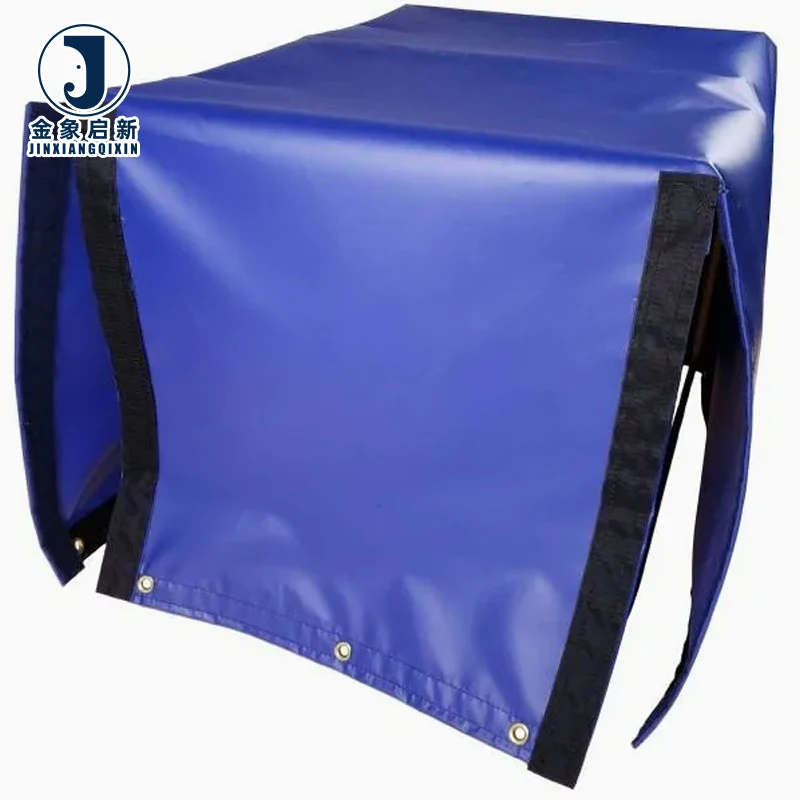
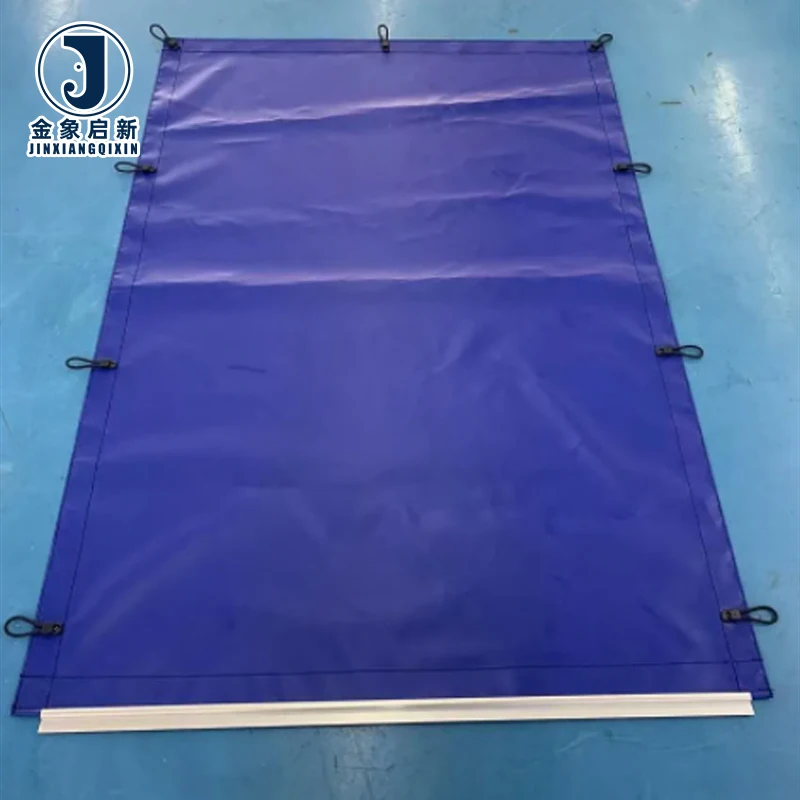
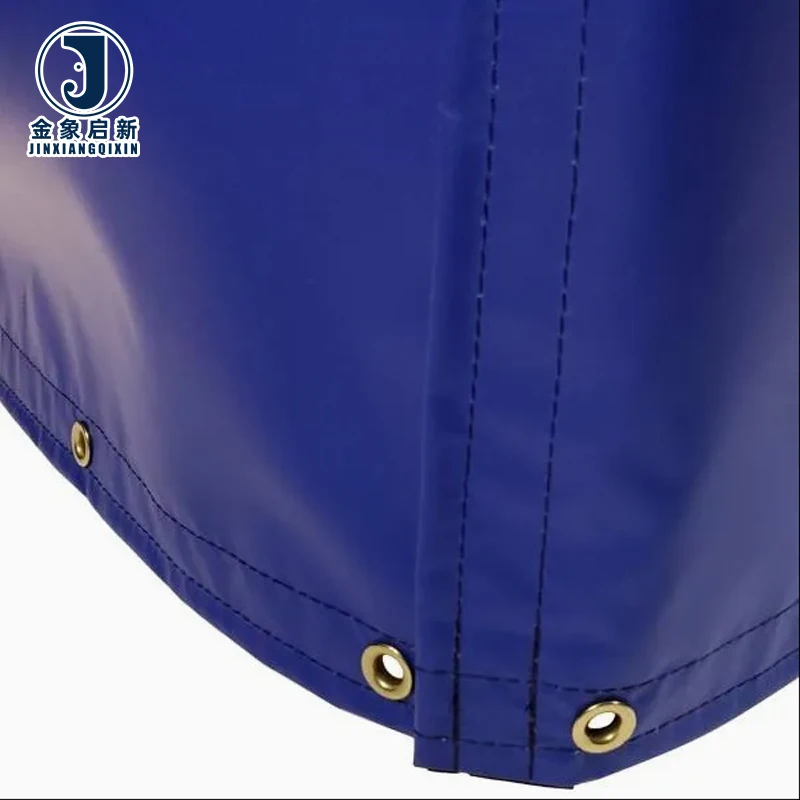
A fire retardant truck cover cut to a generic rectangle will not seat properly on a curtain-sider or tipper trailer. The eyelets miss the frame anchor points, the hem drags on the road surface, and the fabric bunches at the corners where wind load concentrates. Jinxiang cuts each cover to the exact trailer model dimensions provided at inquiry stage, placing tie-down eyelets to match the chassis geometry. This eliminates the gap-and-drag pattern that causes early hem abrasion on off-the-shelf covers.
Seam Integrity at Flex Points Under Load Movement
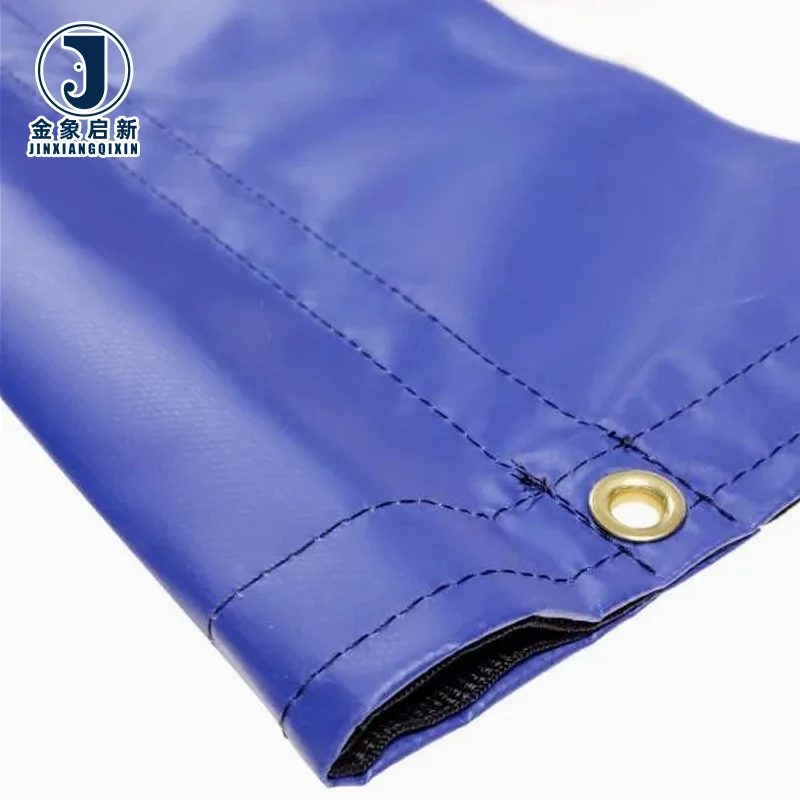
The highest stress on any truck cover occurs where the load flexes during braking and cornering. Stitched seams perforate the base fabric, creating tear initiation points that propagate under repeated load cycles. Welded seams on PVC coated fabric fuse the coating layers without puncturing the yarn structure, distributing stress across a broader zone. [NEED_CITE: tensile and tear test methods for coated fabrics per ISO 1421] For high-denier base fabrics such as 840DX840D and 1000DX1000D, weld parameters must be matched to the coating thickness to achieve full fusion without scorching the PVC layer.
Reading the Specification Sheet Beyond the GSM Number
GSM alone does not determine whether a truck cover will survive highway exposure. A 650 GSM fabric built on a 200DX300D base with heavy coating may resist puncture but tear easily along the warp, while a 550 GSM fabric on a 1000DX1000D base delivers higher tear resistance with less coating weight. The denier of the base yarn and the weave density together define the structural skeleton; the PVC coating adds abrasion resistance, waterproofing, and the surface that accepts weld seams. Operating temperature range of -15ºC to 70ºC sets the boundary for cold-weather brittleness and high-heat softening, both of which affect how the cover behaves when tensioned over a load in different climates. Glossy finish sheds dirt and allows easier cleaning at depot wash-downs, while matte finish reduces glare and provides better adhesion for printed branding.
The Hidden Cost of Specifying the Wrong Grade
Ordering a truck cover with a stated flame retardant treatment but no confirmed grade means the material may pass one regional standard and fail another. A depot in a jurisdiction requiring a specific fire classification will reject covers that lack the matching test report, regardless of fabric quality. Similarly, ordering a GSM at the lower end of the product family range for a route with high wind exposure and sharp-edged cargo leads to early coating abrasion and base yarn exposure. [NEED_CITE: relationship between base fabric denier and tear propagation in coated fabrics] Batch colour variation across rolls in a single order becomes visible when covers are installed side by side on a fleet, forcing re-dyeing or replacement to maintain corporate livery consistency.
Why Transport Fleets Source This PVC Truck Cover Here
Three full production lines and 36 sets of professional equipment support bulk volume with consistent coating weight across every roll in the order. A 10-person R&D team handles material selection, pattern layout for custom trailer dimensions, and sample development within days rather than weeks. Dedicated QA/QC at every production stage includes 100% inspection before shipment, with a documented record covering GSM verification, weld seam integrity, and eyelet pull strength. Deep process control over coating adhesion means the PVC layer does not delaminate from the base fabric at the flex points where load movement concentrates stress. Custom width and length production runs are supported without prohibitive minimums, allowing fleet operators to order the exact cover count needed for a route expansion.
Documentation & Verification
- Material specification sheet stating confirmed GSM, base fabric denier, and coating weight per roll
- Fire retardant test report matching the grade specified at order confirmation
- UV treatment test documentation where UV resistance is required for the route climate
- Pre-shipment inspection record covering weld seams, eyelet reinforcement, and hem construction
- Certificate of origin and customs documentation for cross-border fleet procurement
- Roll packing list with batch reference for colour consistency tracking
Fabrication, Handling & Storage
- Weld temperature and dwell time must match the PVC coating thickness to achieve full seam fusion without scorching
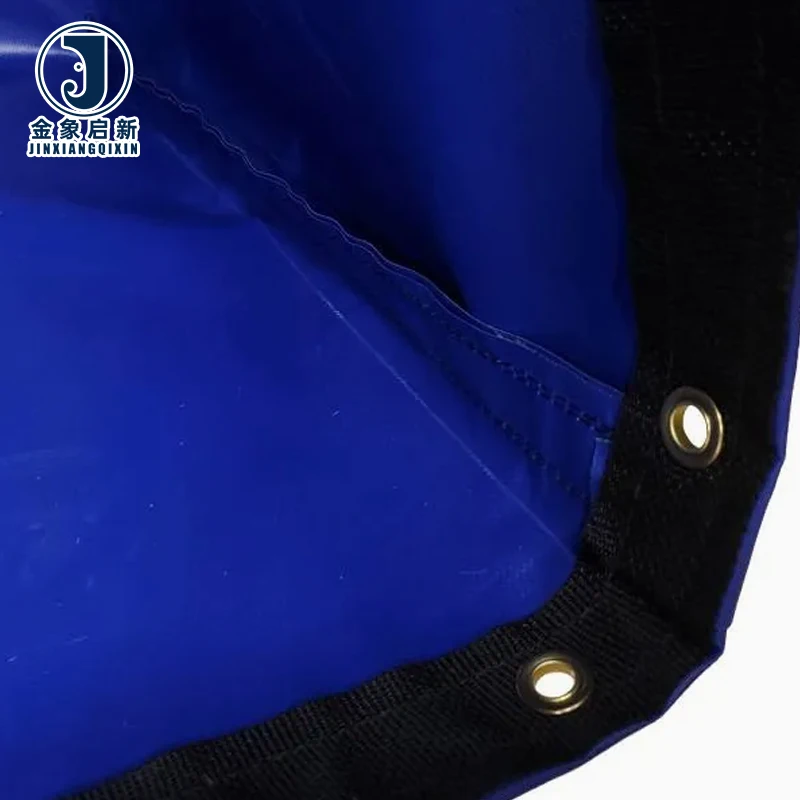
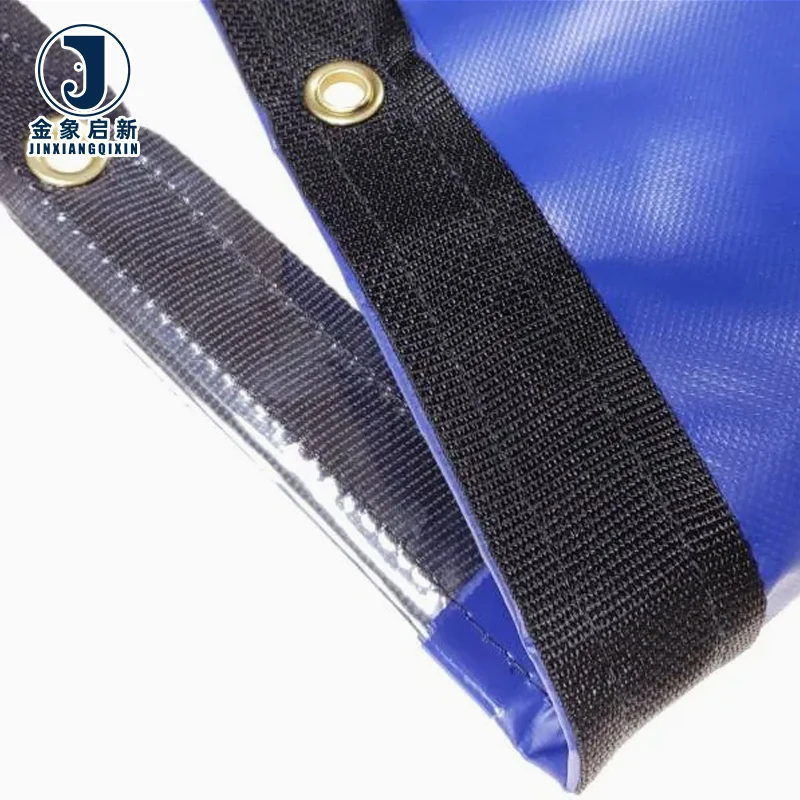
- Reinforced hem tape should be applied at eyelet zones to distribute tie-down load across the base fabric denier
- Rolls stored horizontally on pallets to prevent permanent creasing of the PVC coated surface
- Cold-weather unfolding below -15ºC risks coating micro-cracking; allow the cover to acclimatize before tensioning
- Glossy finish surfaces clean with mild detergent; avoid solvent-based cleaners that attack the PVC plasticizer
- Field repairs on minor punctures use PVC-compatible adhesive patches matched to the coating weight
Requesting a Quotation for Your Fleet
Provide the truck or trailer model designation and the number of covers required so the cut pattern matches your frame geometry. Specify the fire retardant grade or anti-static standard your depot requires, along with the target GSM and preferred colour from the available range. If printed branding is needed, supply the logo artwork and confirm whether glossy or matte finish is preferred for the surface.
Frequently Asked Questions
Q: What fire retardant grade is available and does it meet my regional transport safety standard?
A: Fire retardant treatment is applied to the PVC coated fabric, with the specific grade confirmed per order. Provide your regional standard reference at inquiry stage so the correct test report is generated before production. This ensures the delivered fire retardant truck cover matches your depot or terminal compliance requirement.
Q: How is GSM verified on delivery to ensure the cover matches the quoted specification?
A: Every roll undergoes 100% pre-shipment inspection with a documented record stating measured GSM against the quoted value. The inspection record accompanies the shipment, allowing your receiving team to cross-check weight on arrival without relying on a generic product family range.
Q: Can the truck cover be cut to my exact trailer model dimensions?
A: Covers are cut to the specific trailer model rather than generic sheet sizes. Provide the manufacturer model designation or frame measurements, including eyelet placement preferences, so the pattern matches your tie-down geometry and eliminates excess fabric that drags or bunches.
Q: Is anti-static treatment available for truck covers, and what documentation is provided?
A: Anti-static treatment is available for environments where static discharge poses a risk to sensitive cargo. The treatment specification and any available test documentation are confirmed at the quotation stage, so you can verify alignment with your terminal safety plan before production begins.
Q: How do welded seams perform at load flex points compared to stitched construction?
A: Welded seams fuse the PVC coating layers without perforating the base fabric yarns, distributing flex stress across a wider zone. This reduces tear initiation at the high-stress points where cargo shifts during braking and cornering, compared to needle holes from stitching that concentrate stress in the base denier.