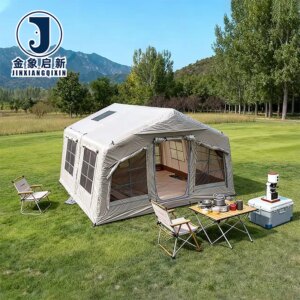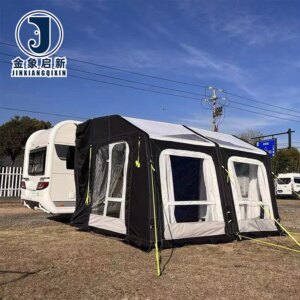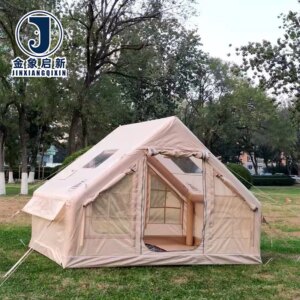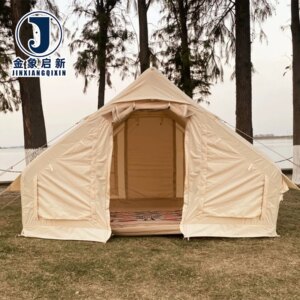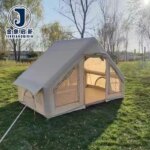
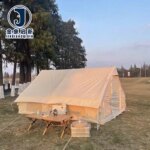
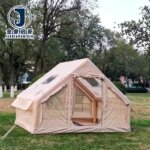
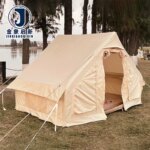

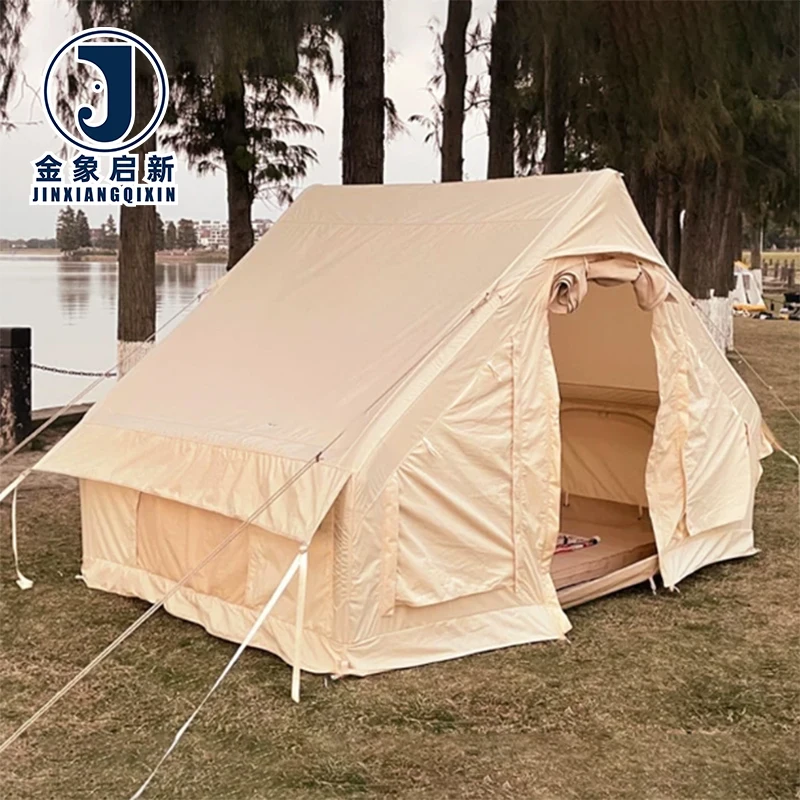
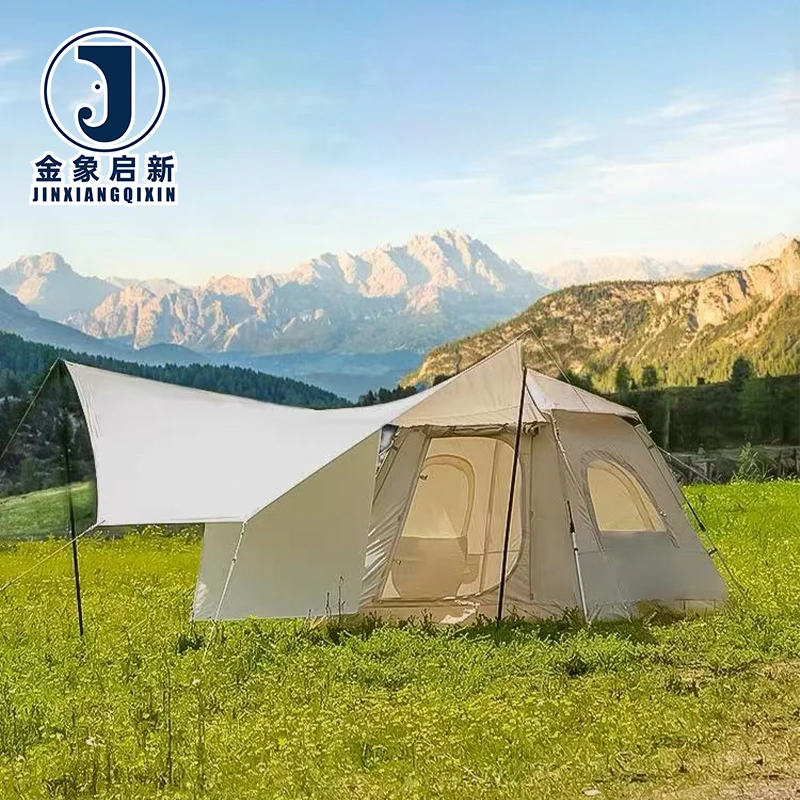
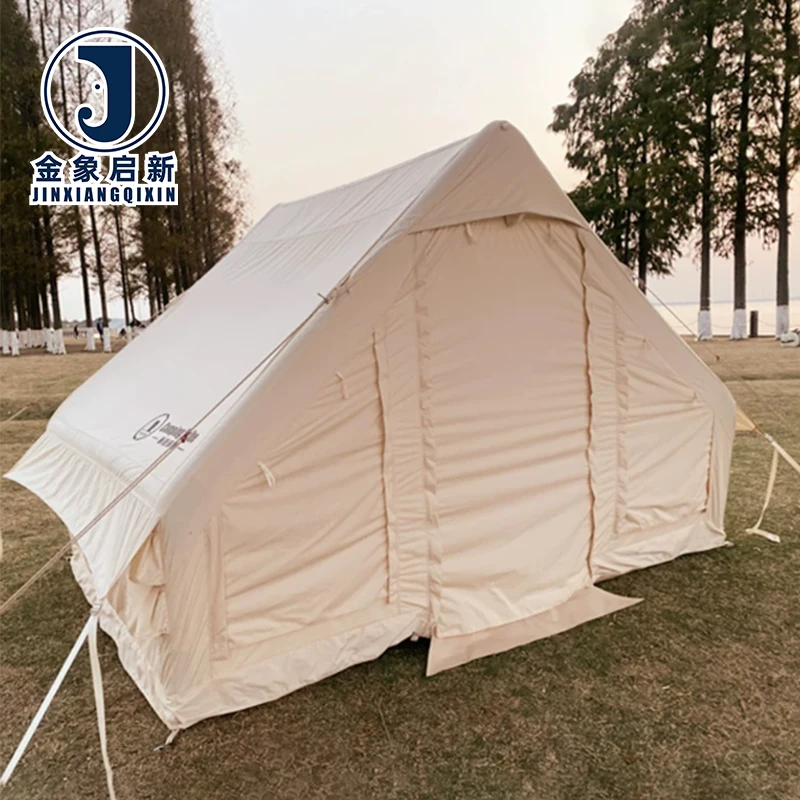
Proven Process Control — Nearly three decades of coating expertise channeled into every roll of inflatable tent fabric, with in-process QA and full compliance documentation from a dedicated technical team.
Technical Specifications
| Parameter | Value |
|---|---|
| Product Type | Inflatable Tent |
| Core Material | PVC Tarpaulin |
| Key Features | Waterproof, UV-resistant, Tear-resistant, Fire-retardant, Anti-static |
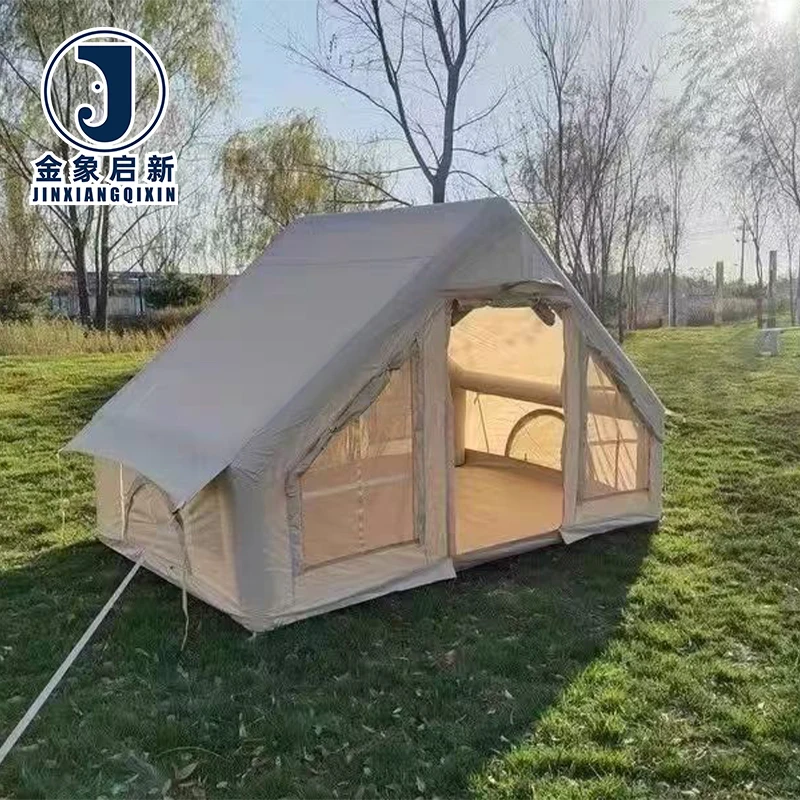
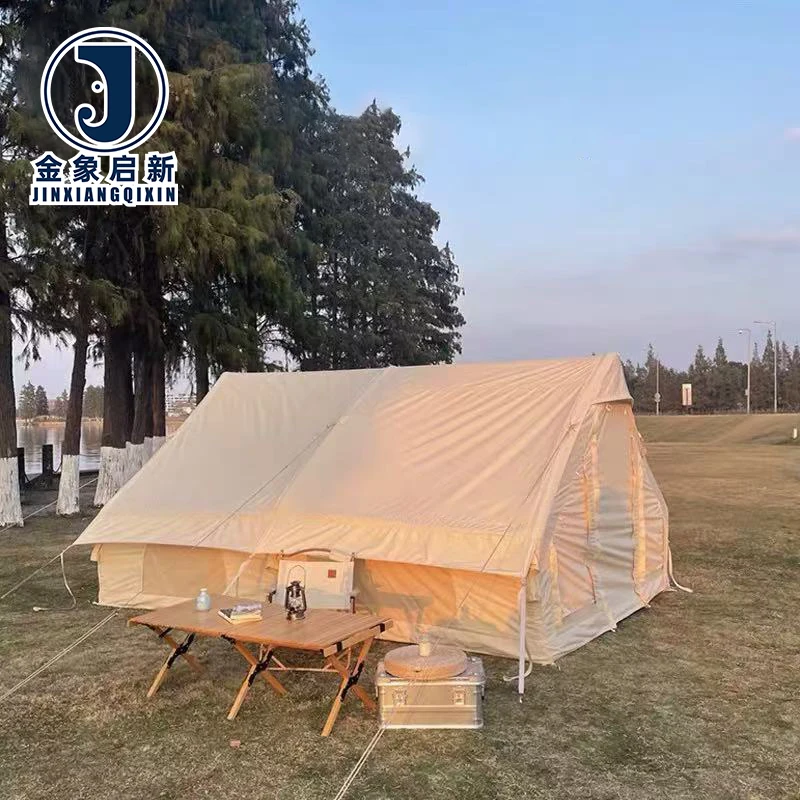
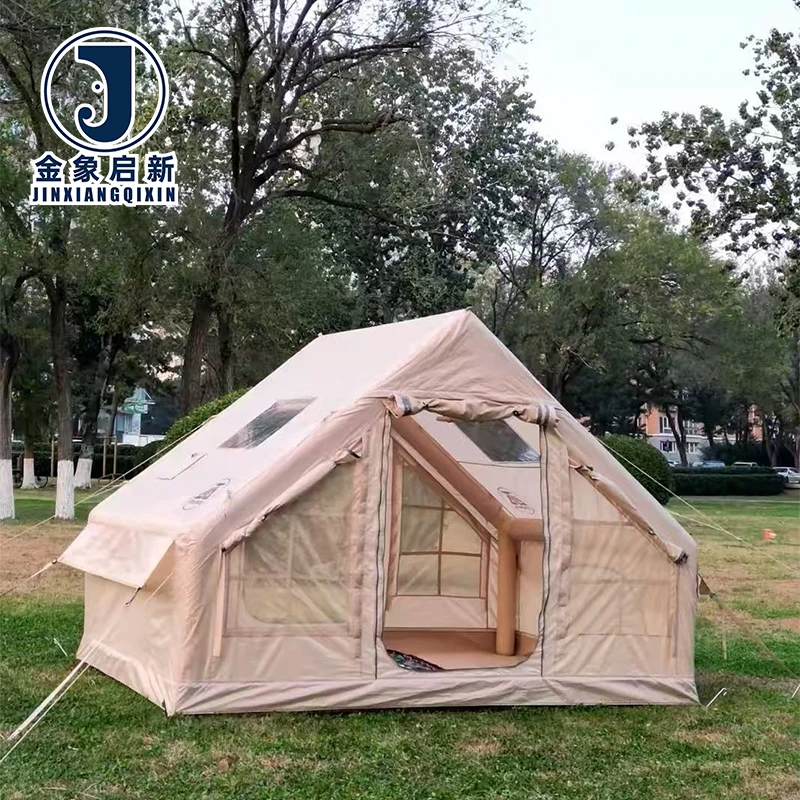
| Structural Design | Inflatable structure with quick automatic opening mechanism |
| Customization | OEM & ODM (sample customization, pattern printing, material selection, product design) |
| Fire Retardancy | Fire-retardant (grade not stated in source — confirm required standard) |
| Anti-Static Property | Anti-static (surface resistance or standard not confirmed) |
| UV Resistance | UV-resistant (test basis not stated in source) |
| Management Standards | ISO9001, ISO14001, ISO45001, CE |
Application Suitability
| Application | Exposure & Requirement |
|---|---|
| Mining and tunnelling command shelters | Confined underground spaces demanding fire-retardant and anti-static compliance, dust exposure, repeated deployment cycles |
| Aviation ground support structures | Tarmac UV exposure, jet fuel proximity, strict flame and static certification for airside operations |
| Emergency disaster relief shelters | Rapid inflation under time pressure, all-season weathering, high-visibility requirements for rescue coordination |
| Remote construction site storage | Wind loading on large membrane surfaces, abrasion from equipment movement, long-term UV exposure |
| Mobile workshop facilities | Internal heat from machinery, ventilation cut-outs requiring reinforced seams, chemical splash risk |
Why Certification Gaps in Inflatable Tent Fabric Create On-Site Risk
Every batch of inflatable tent fabric leaves the factory with its fire-retardant and anti-static test reports attached — not promised later.
When an inflatable shelter arrives at a mining site or airside operation without the documented grade, the structure sits un-deployed while procurement scrambles for paperwork. The fabric may perform adequately, but site safety officers need the test standard on file before inflation begins. Inflatable Tent Fabric fire retardant anti-static certified must carry verifiable documentation matching the jurisdiction’s accepted standard, otherwise the entire deployment timeline stalls. [NEED_CITE: fire classification requirements for temporary structures in mining and aviation environments]
Compliance That Matches the Site Audit Trail
Mining safety regulations and aviation ground operations each reference different test standards for flame propagation and surface resistivity. The PVC tarpaulin core used in these inflatable structures is available in fire-retardant grades — confirm the grade required for your market before ordering. Our 10-person R&D team reviews your site specification and recommends the coating formulation and treatment package that aligns with your auditor’s checklist, ensuring Inflatable Tent Fabric fire retardant anti-static certified arrives with the correct documentation.
Rapid Deployment Without Compromising Structural Integrity
The quick automatic opening mechanism depends on consistent air retention across every welded seam. Tear-resistant PVC tarpaulin construction supports the repeated inflation and deflation cycles that emergency and field shelters demand. When disaster response teams need a command center operational within hours, the membrane must flex under internal pressure without propagating micro-tears at stress concentration points. [NEED_CITE: tensile and tear test methods for coated fabrics per ISO 1421]
How Base Fabric and Coating Weight Interact in Inflatable Membranes
The structural load on an inflatable shelter membrane is biaxial — internal air pressure stretches the fabric in both warp and weft simultaneously. Base fabric denier and weave density determine how that load distributes across the yarn intersections, while the PVC coating weight governs air retention and weld seam strength. A heavier coating improves gas barrier properties but adds dead weight that the air beam must support; a lighter coating reduces mass but may compromise seam peel strength during high-pressure inflation. The coating adhesion to the base scrim is what ultimately decides whether the weld line holds or delaminates under cyclic loading, making the coating method — knife-over-edge, calender, or fusion — a critical specification choice for any inflatable tent fabric order.
The Hidden Cost of Unverified Material Claims
A shelter membrane that fails a fire marshal’s inspection after installation means full removal, replacement, and project delay — costs that dwarf the original fabric purchase. Similarly, anti-static performance that lacks a documented surface resistance reading can shut down operations in explosive-atmosphere zones. When the stated specification does not match the delivered grade, the failure is discovered at the worst possible moment: during the compliance audit, not at the quotation stage. Batch-to-batch variation in coating weight can also shift the thermal properties of the weld zone, leading to seam failures that appear randomly across a production run. [NEED_CITE: weld seam failure modes in coated technical textiles under cyclic stress]
Why Technical Buyers Source Inflatable Tent Fabric Here
Deep process control over PVC coating weight and adhesion comes from nearly 30 years focused exclusively on coated fabrics, not diversified textile trading. Three full production lines and 36 sets of processing equipment provide the capacity to supply large-volume inflatable shelter projects while maintaining consistent quality across every roll. A dedicated 10-person R&D team handles material selection, structural design consultation, and sample development — delivering prototype rolls within days rather than weeks. Every production stage is monitored by on-site QA and QC staff, culminating in 100% pre-shipment inspection that catches coating inconsistencies before they reach your warehouse.
Documentation & Verification
- Material specification sheet detailing PVC coating weight, base fabric construction, and treatment references for each roll
- Batch-specific fire-retardant and anti-static test reports aligned with your site’s accepted standard
- ISO9001, ISO14001, ISO45001, and CE certificates included in shipment documentation package
- Pre-shipment inspection record covering seam integrity, coating uniformity, and dimensional accuracy
- Certificate of origin and customs documentation prepared for cross-border inflatable structure shipments
Fabrication, Handling & Storage
- Heat welding parameters must account for PVC coating thickness — request recommended temperature and dwell time settings for this tarpaulin grade
- Store rolls upright on padded cradles to prevent permanent creasing that weakens the inflatable membrane at fold lines
- Clean PVC tarpaulin surfaces with pH-neutral detergents only; solvent-based cleaners degrade the coating plasticizers
- Allow cold-stored rolls to reach ambient temperature before unrolling to avoid coating micro-cracking
- Repair field punctures using compatible PVC patches heat-welded at edges, matching the base coating formulation
What We Need to Quote Your Inflatable Shelter Project
Share the intended deployment environment, including any fire-retardant or anti-static standards your jurisdiction requires. Specify whether you need roll stock for your own fabrication facility or completed panels cut to your structural design. Include target membrane dimensions, annual volume forecast, and any colour or branding requirements so our R&D team can prepare matched samples promptly.
Frequently Asked Questions
Q: What fire-retardant grade does the inflatable tent fabric meet and which test standard applies?
A: The PVC tarpaulin is available in fire-retardant grades suitable for mining, aviation, and emergency shelter applications. The specific grade and applicable test standard depend on your jurisdiction’s requirements. Confirm your required standard during inquiry, and we supply the corresponding batch test report with shipment documentation for your site compliance audit.
Q: How is anti-static performance verified and what surface resistance is documented?
A: Anti-static treatment is applied to meet requirements in explosive-atmosphere and sensitive environments. The surface resistance value and test method are confirmed against your project specification before production. Each batch ships with a test report documenting the measured anti-static performance for your safety officer’s records and regulatory submissions.
Q: Can material thickness and structural design be customized for specific inflatable shelter requirements?
A: Yes, our 10-person R&D team supports full OEM and ODM customization including material thickness selection, structural panel design, and pattern printing. We develop prototype samples within days for your engineering review, adjusting coating weight and base fabric specification to match your inflation pressure and deployment cycle requirements.
Q: What compliance documentation is provided for mining, aviation, or disaster relief project sites?
A: Every shipment includes a material specification sheet, batch-specific test reports for fire-retardant and anti-static properties, ISO and CE certificates, and a pre-shipment inspection record. Certificate of origin and customs support documents are prepared for international shipments, giving your site manager a complete documentation package for regulatory and audit requirements.
Q: How is batch-to-batch consistency ensured across large-scale inflatable tent fabric orders?
A: Dedicated QA and QC staff monitor every production stage across our three production lines, from coating weight application to final roll inspection. A 100% pre-shipment inspection checks coating uniformity, dimensional accuracy, and seam integrity before dispatch. This systematic approach ensures that replacement rolls ordered months later match the original batch in both specification and visual appearance.