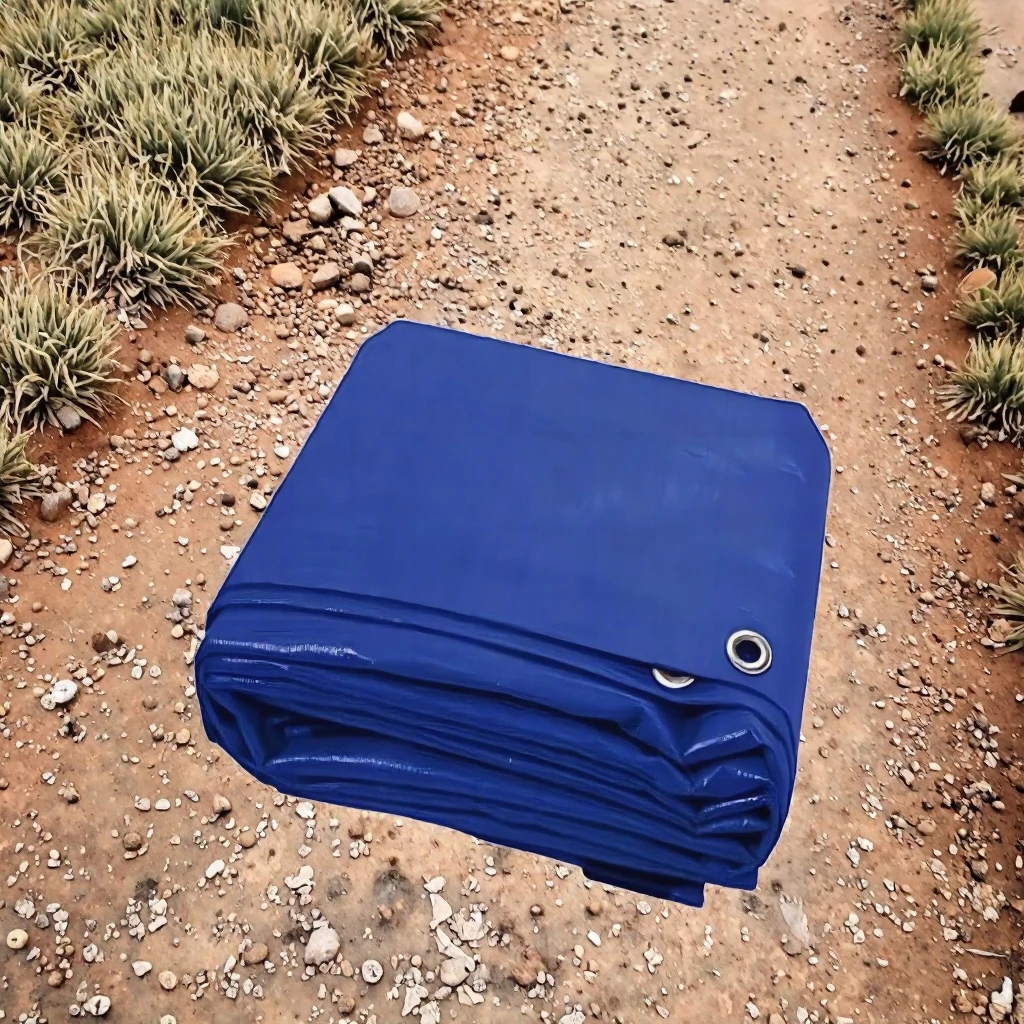
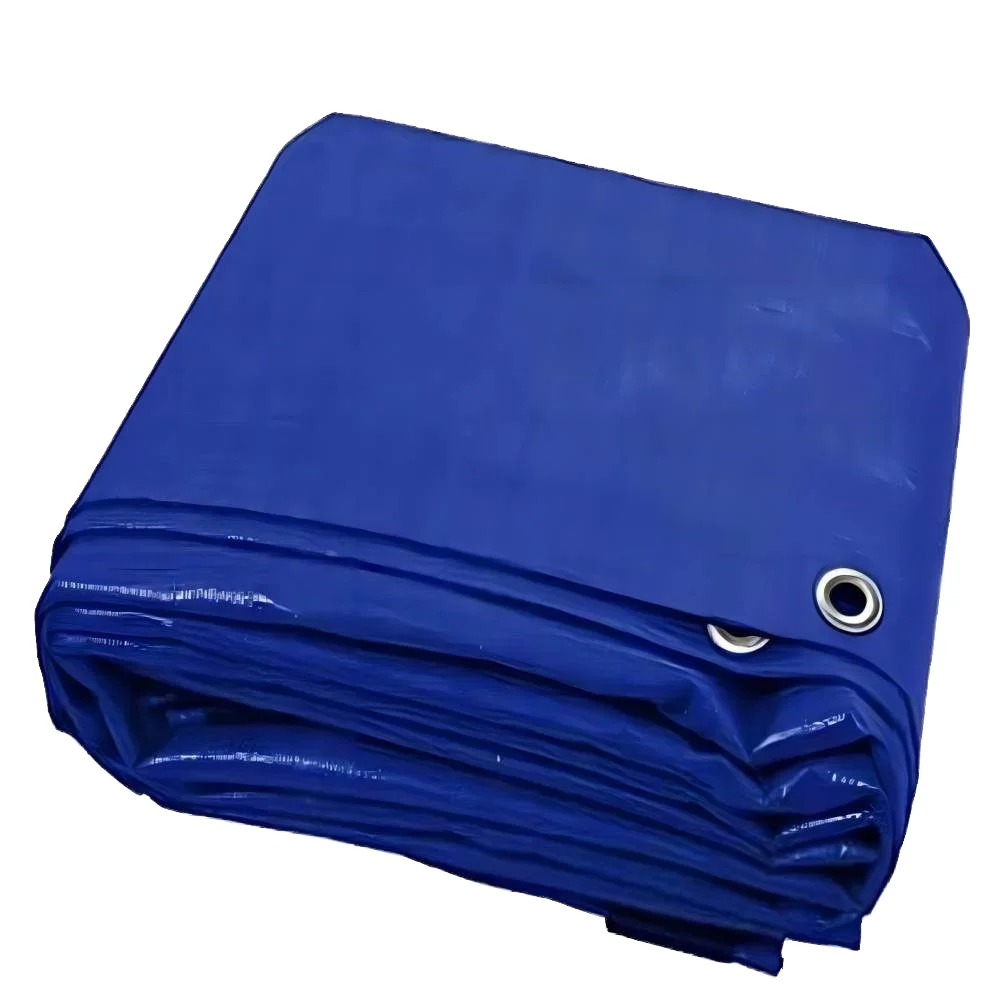
Specialist Ventilation Fabric — Engineered for aviation, mining, and tunnelling air duct systems, with coating process control ensuring certified fire-retardant and anti-static compliance across every roll.
Technical Specifications
| Parameter | Value |
|---|---|
| Product Type | PVC Coated Tarpaulin |
| Base Fabric | High-strength polyester mesh fabric |
| Coating Material | PVC |
| Weight Options | 350gsm / 420gsm / 500gsm / 550gsm / 600gsm / 750gsm |
| Total Thickness | 0.32mm / 0.35mm / 0.4mm / 0.45mm / 0.5mm / 0.65mm |
| Coating Technology | Laminated technology & Hot-melt Coating technology |
| Available Widths | 2m / 2.1m |
| Roll Lengths | 75m / 50m |
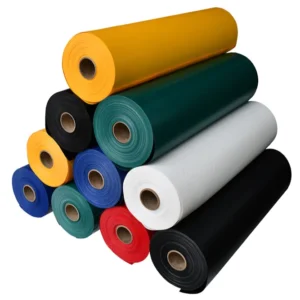
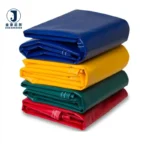
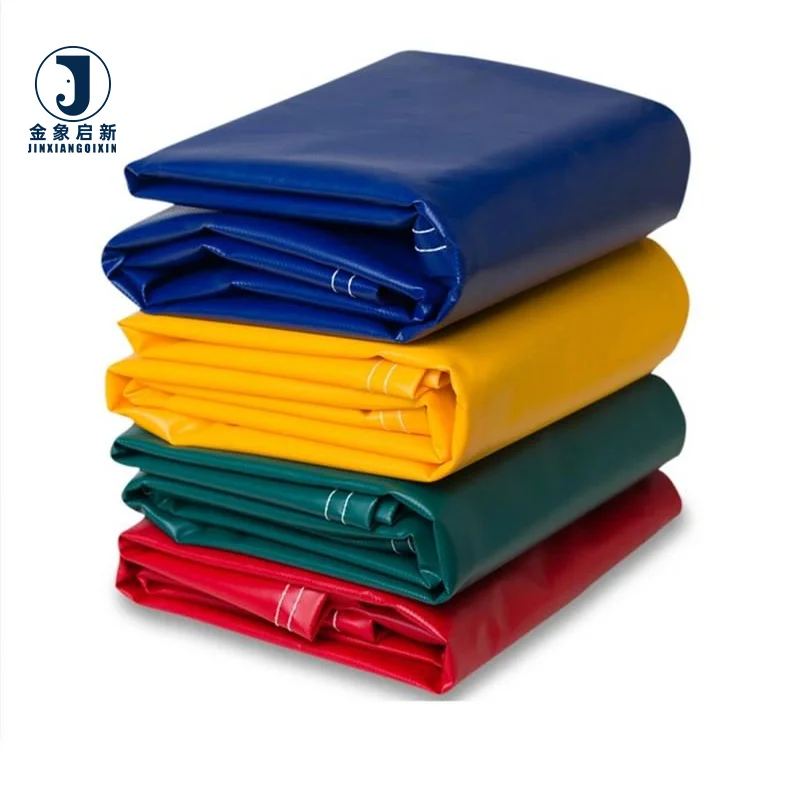
| Color Options | Blue / Red / Yellow / Light Blue / Grey (Customized) |
| Flame Retardant | Available in flame retardant grades — confirm the grade required for your market |
| Anti-Static | Anti-static treatment available — confirm surface resistance standard required |
| Cold Crack Resistance | Yes — confirm test temperature for your installation climate |
| Waterproof | Fully waterproof coated construction |
| Anti-Mildew | Treated for anti-mildew performance |
| Tensile Strength | Grade available on request per test standard |
| Tear Strength | Outstanding tearing strength for welding — test basis available on request |
| Adhesion Strength | Good adhesion strength — test basis available on request |
Application Suitability
| Application | Exposure & Requirement |
|---|---|
| Mine & tunnelling ventilation ducts | Continuous airflow, underground humidity, mandatory fire-retardant and anti-static certification for site compliance |
| Aviation ground support ventilation | High-velocity air movement, temperature fluctuation, ground crew safety standards |
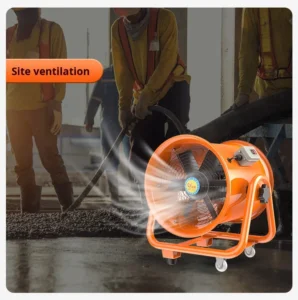
| Construction site temporary ventilation | Dust-laden air, UV exposure on exterior runs, frequent relocation and reinstallation |
| Industrial air containment structures | Membrane stress at attachment points, internal pressure differentials, long-term weather exposure |
What Fire-Retardant Certification Actually Means on a Mining Ventilation Duct
A fabric labelled "flame retardant" without a named test standard is a compliance risk, not a solution.
PVC coated tarpaulin fire retardant specifications are frequently quoted without reference to the grading system the receiving site demands. In underground mining and tunnelling operations, ventilation duct material must pass specific classification protocols — whether M2, B1 per DIN 4102, or NFPA 701 — and the certificate must accompany the shipment documentation. When the grade is not verified before dispatch, entire duct runs fail site inspection upon arrival [NEED_CITE: fire classification requirements for underground ventilation materials]. The cost is not replacement fabric alone; it is project delay while compliant material is sourced and shipped.
Compliance Documentation Before Dispatch, Not After
For mine and tunnelling ventilation contractors, the PVC coated tarpaulin fire retardant grade must be confirmed against the site’s regulatory framework before production begins. Different jurisdictions reference different test methods — DIN 4102 in parts of Europe, NFPA 701 in North American contexts, and local mining authority standards elsewhere. We supply the applicable test report with shipment documentation, specifying the exact grade achieved. This removes ambiguity at the receiving dock and eliminates the scenario where material passes visual inspection but fails the compliance audit.
Anti-Static Surface Resistance for Underground Airflow
Ventilation ducts in mining environments move large volumes of air through confined spaces, generating static charge accumulation on the duct surface. Anti-static treatment must achieve a measurable surface resistance level that satisfies the governing mining authority. Our PVC coated tarpaulin is available with anti-static treatment, and the surface resistance standard can be confirmed against your project specification [NEED_CITE: anti-static surface resistance testing methods for mining ventilation fabrics]. Request the applicable test certificate during the inquiry stage so the value is contractually documented before production commences.
How Coating Technology Determines Duct Fabrication Performance
The choice between laminated and hot-melt coating technology directly affects how the PVC coated tarpaulin performs during duct fabrication. Hot-melt coating embeds the PVC compound into the polyester mesh structure, producing higher adhesion strength between coating and base fabric. This matters at welded seams, where the joint must resist peeling under internal air pressure and mechanical flex. Laminated technology produces a cleaner surface finish suited to applications where appearance matters alongside function. Both methods are available across the weight range — the selection depends on whether your priority is weld integrity under continuous pressure cycling or surface quality for visible installations. The polyester mesh base fabric provides the structural backbone, with higher-denier yarns and tighter weave contributing to tear resistance at stress concentration points such as hanging loops and duct joints [NEED_CITE: tensile and tear test methods for coated fabrics per ISO 1421].
The Cost of Undocumented Material Properties
When fire-retardant grade or anti-static surface resistance is assumed rather than verified, the consequence surfaces at the worst possible moment — during regulatory inspection after installation. Duct runs that fail compliance testing must be removed and replaced underground, an operation far more expensive than the fabric itself. Similarly, when adhesion strength between coating and base fabric is insufficient, welded seams delaminate under air pressure, causing air leakage that reduces ventilation efficiency at the working face. These failures share a common root: material properties that were claimed in the quotation but not documented with test evidence before the purchase order was placed [NEED_CITE: coated fabric weld seam delamination under internal pressure].
Why Procurement Teams Specify This Range
Three full production lines and 36 sets of professional equipment provide the capacity to fulfil bulk duct fabric orders with consistent coating weight across every roll. The 10-person R&D team handles material selection and sample development when your project demands a specific fire-retardant grade or anti-static threshold. Dedicated QA/QC operates at every production stage — coating weight verification, adhesion testing, and visual inspection — with 100% inspection conducted before shipment. Custom widths and colours are produced with lead times that accommodate project schedules, and samples are developed within days for approval before full production runs commence.
Documentation & Verification
- Material specification sheet stating GSM, base fabric denier, coating weight, and coating technology used
- Fire-retardant grade test report referencing the specific standard achieved for your jurisdiction
- Anti-static surface resistance certificate documenting measured values against the required threshold
- Pre-shipment inspection record with roll-by-roll weight and visual verification before dispatch
- ISO and CE certificates included with shipping documentation package
Fabrication, Handling & Storage
- Hot-melt coated grades require adjusted heat settings during welding to prevent coating burn-through at seams
- Store rolls upright on pallets to prevent flat-spot deformation across the 2m or 2.1m width
- Anti-mildew treated fabric still requires dry storage conditions to preserve long-term coating integrity
- Cold crack resistant material should be unrolled gradually in low temperatures to avoid surface stress fractures
- Cut panels with allowance for thermal expansion in high-temperature ventilation duct installations
Project Specification for Your Inquiry
Provide the ventilation application type, operating environment, and the fire-retardant or anti-static standard your site authority requires. Specify preferred roll width, annual volume, and whether you need raw roll stock or finished cut panels. Include any colour or surface finish requirements so we can develop a matching sample for your approval before full production.
Frequently Asked Questions
Q: What fire-retardant grades are available for mining ventilation duct fabric?
A: PVC coated tarpaulin is available in multiple fire-retardant grades depending on your market requirements. Standards such as M2, B1 per DIN 4102, and NFPA 701 can be specified during the inquiry stage. We provide the applicable test report with shipment documentation, confirming the exact grade achieved. Specify your jurisdiction’s requirement so we match the correct classification.
Q: How is anti-static surface resistance tested for underground ventilation compliance?
A: Anti-static treatment is applied during the coating process, and surface resistance is measured using standardised test methods applicable to mining ventilation materials. The measured value is documented on a certificate included with your shipment. Request the specific surface resistance threshold your mining authority requires, and we will confirm compliance before production.
Q: Can you provide third-party test reports for compliance verification?
A: Yes. Test reports documenting fire-retardant grade, anti-static surface resistance, and physical properties are available from accredited testing laboratories. These reports are referenced on the material specification sheet and included in the shipment documentation package. Specify which properties require third-party certification during your initial inquiry.
Q: How do you ensure GSM consistency across multiple rolls for large duct projects?
A: Each roll undergoes weight verification during the pre-shipment inspection process, with results recorded on the inspection report. Coating weight is controlled through calibrated application equipment across all three production lines. For large-volume orders, batch consistency is maintained by producing all rolls from the same coating compound batch.
Q: What cold crack temperature rating is available for extreme climate installations?
A: PVC coated tarpaulin is formulated with cold crack resistance for low-temperature environments. The specific test temperature depends on the compound formulation selected for your order. Provide your minimum operating temperature during inquiry, and we will confirm the applicable cold crack rating with supporting test data.