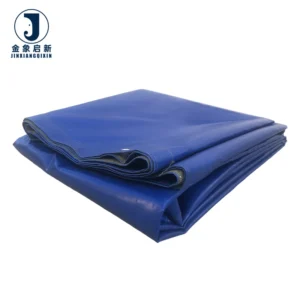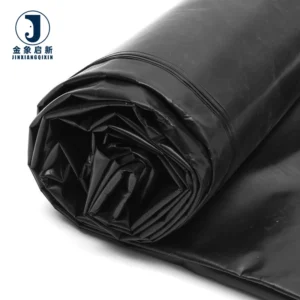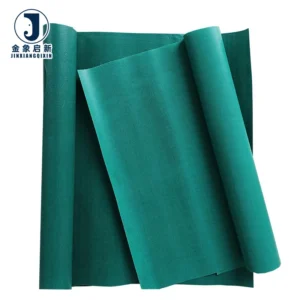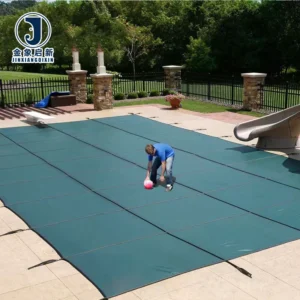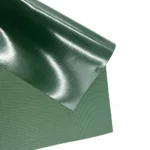

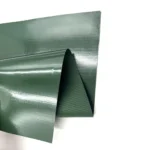


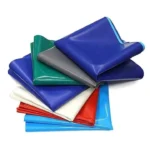
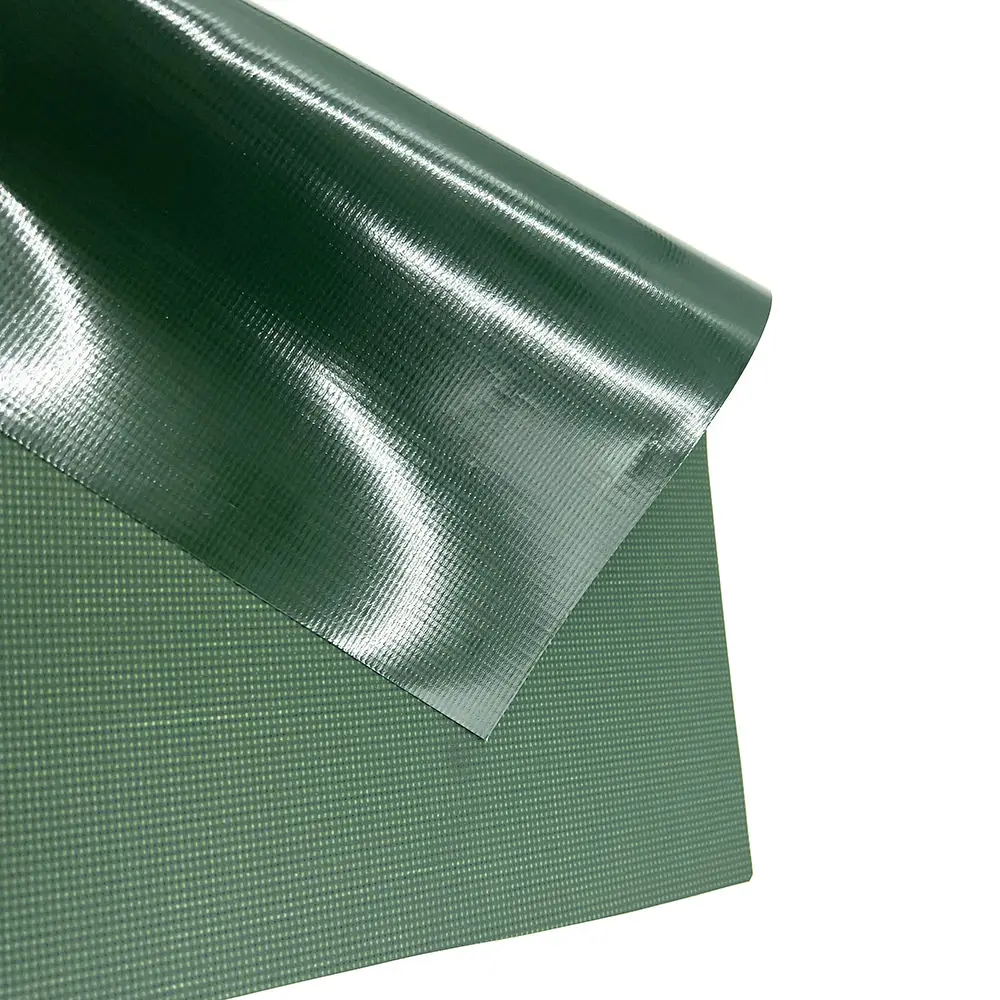
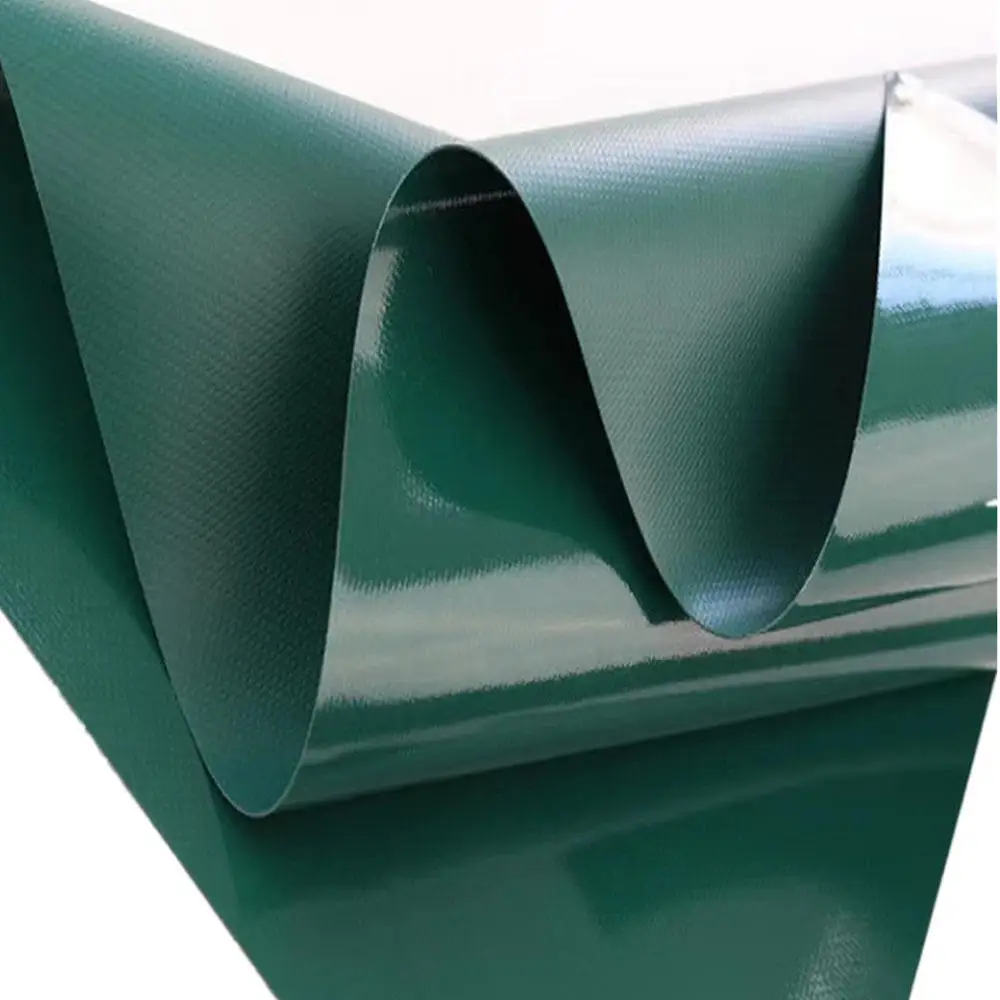
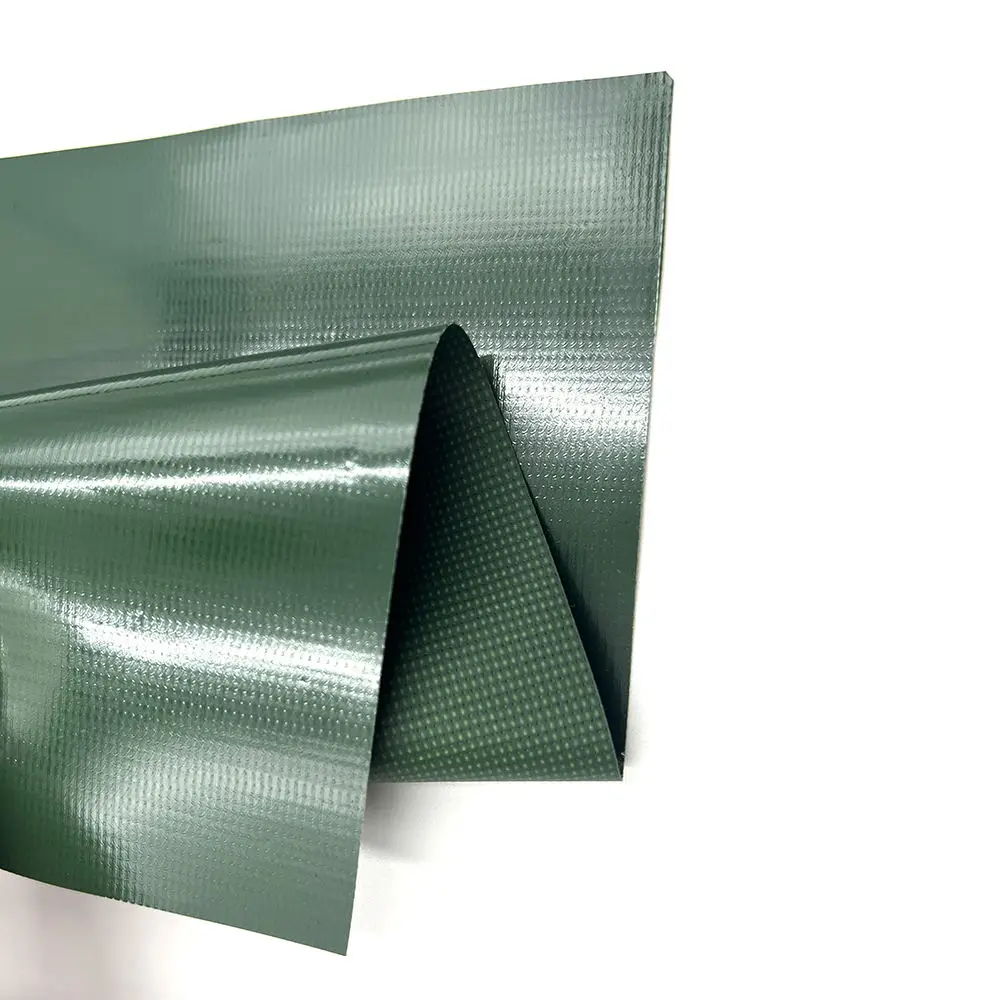
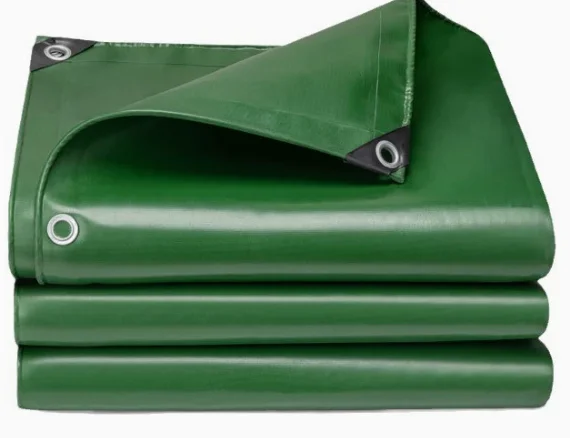

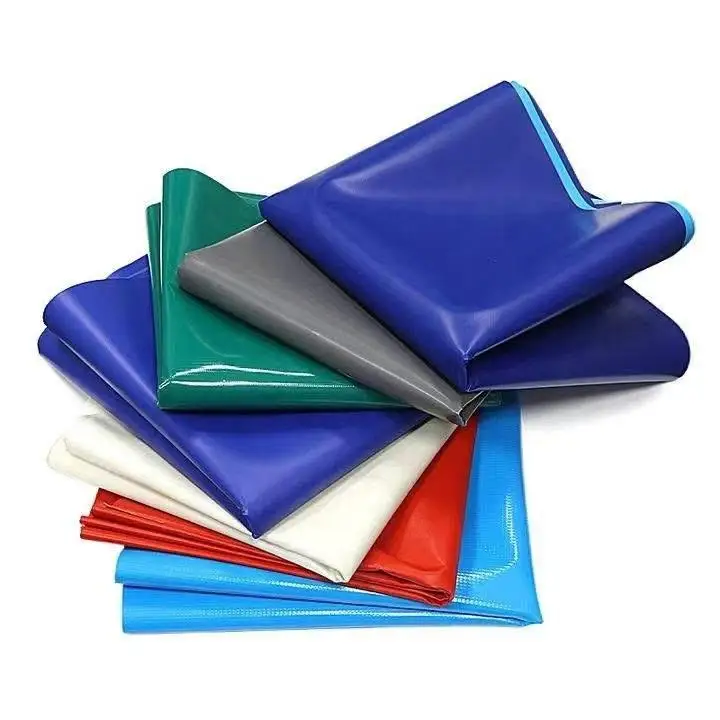
Deep process control over coating weight and adhesion — verified through dedicated QA at every stage on this knife coated PVC tarpaulin roll, ensuring the GSM and coating thickness stated on the spec sheet match the material that arrives at your fabrication floor.
Technical Specifications
| Parameter | Value |
|---|---|
| Product Type | PVC Coated Tarpaulin Roll |
| Material | PVC Knife Coated Fabric |
| Coating Method | Knife coated |
| Coating Material | PVC |
| Color | Green |
| Surface Treatment | UV resistant, fire retardant, antibacterial, mildew proof |
| Welding Compatibility | HF / Hot Air / Sewing |
| Resistance Properties | Tensile, tearing, peeling, oil, stain, acid, alkali |
| Temperature Performance | High temperature and cold resistance |
| Flexibility | Highly flexible yet resistant to cracking |
| Surface Feature | Self-cleaning |
| Standards | ISO / CE certified production |
Application Suitability
| Application | Exposure & Requirement |
|---|---|
| Tensile and membrane structures | Sustained UV cycles, wind loading, structural flex at anchor points |
| Airport hangars and aviation envelopes | Fire retardant compliance, weather resistance, large-span tension |
| Stadium architectural structures | Long-term UV exposure, public safety fire codes, self-cleaning demand |
| Portable storage structures | Repeated assembly stress, seam integrity under air pressure |
| Shade systems and shading installations | Continuous solar exposure, colour stability, surface soiling resistance |
Why "Fire Retardant" Means Nothing Without a Verified Grade
Specifying a fire retardant PVC tarpaulin roll without documented test results puts your structure at risk of failing site inspection.
When a membrane structure or ventilation duct arrives on a construction site, the first thing the safety officer asks for is the fire classification certificate — not the quotation that says "fire retardant." I have seen entire tensile fabric installations held up because the fabric supplier could not produce a test report matching the grade the local fire authority required. The delay costs far more than getting the right documentation upfront. Available in flame retardant grades — confirm the grade required for your market before placing the order. [NEED_CITE: DIN 4102 fire classification for building materials]
Knife Coating Delivers Where Adhesion Matters Most
The knife coated construction of this PVC tarpaulin roll forces PVC compound directly into the interstices of the base fabric under controlled blade pressure. This produces a mechanical bond that resists delamination even when the material is flexed repeatedly under structural wind loads. For fabricators welding seams on tensile structures, that adhesion integrity means the weld zone holds together as a single composite layer rather than splitting between coating and yarn. The result is a PVC knife coated tarpaulin roll that maintains peel strength through the fabrication process and into service.
Welding Compatibility Across Fabrication Methods
Fabricators working on complex membrane geometries need the freedom to choose their joining method based on seam location and stress direction. This material supports high-frequency welding for clean, consistent seams on flat panels, hot air welding for field repairs and curved joins, and traditional sewing for structural hems and reinforcement patches. Each method interacts differently with the PVC compound formulation, and the knife coating process ensures uniform coating thickness so that welding parameters remain stable from one roll to the next. [NEED_CITE: tensile and tear test methods for coated fabrics per ISO 1421]
How Coating Method and Surface Treatment Shape Real Performance
Knife coating applies the PVC layer at controlled thickness across the full fabric width, which directly governs the relationship between coating weight and base fabric denier. A heavier coating does not automatically mean higher tensile strength — that comes from the base yarn count and weave density. The coating weight instead determines tear propagation resistance and surface durability. The self-cleaning surface treatment on this green PVC tarpaulin roll reduces particulate adhesion, which matters on large-span stadium roofs where manual cleaning is costly and access is limited. The antibacterial and mildew proof treatment addresses humid environments such as enclosed portable storage structures or aviation hangars where condensation cycles promote biological growth on untreated fabrics. Oil and stain resistance further supports low-maintenance performance in industrial proximity. Temperature resistance across both high and cold ranges prevents the embrittlement and softening that compromise seam integrity in climates with wide seasonal swings.
The Hidden Cost of Specifying on Colour Alone
Buyers sourcing green PVC tarpaulin roll stock for architectural projects often prioritise colour matching without verifying batch consistency protocols. When rolls from different production batches arrive on site and are installed side by side on a tensile canopy, even slight hue variation becomes visible across the membrane surface. The project then faces the choice of living with an uneven appearance or replacing sections at significant cost. Confirming roll-to-roll colour control and requesting pre-shipment inspection records before dispatch prevents this situation from developing in the first place. [NEED_CITE: colour consistency standards in coated fabric production batches]
Why Fabricators Source This Material Here
Nearly 30 years focused exclusively on coated fabric production gives this team process depth that shows in coating weight consistency across long production runs. Three full production lines and 36 sets of professional equipment support bulk roll orders with reliable scheduling, so your tensile structure project does not stall waiting for material. A 10-person R&D team handles material selection and sample development, delivering custom samples within days when your specification requires a particular fire retardant grade or width. Dedicated QA/QC runs at every production stage with 100% inspection before shipment, catching GSM deviation and coating defects before rolls leave the facility. ISO and CE certified production underpins the documentation package that accompanies each dispatch. [NEED_CITE: ISO quality management requirements for coated textile manufacturers]
Documentation & Verification
- Material specification sheet stating GSM, base fabric denier, knife coating weight and green colour reference
- Fire retardant test report provided when applicable grade is confirmed at inquiry stage
- Pre-shipment inspection record verifying coating adhesion and roll consistency before dispatch
- ISO and CE certificates included with shipment documentation package
- Roll packing list with individual roll weights and dimensions for receiving verification
Fabrication, Handling & Storage
- HF welding parameters should be calibrated to the knife coated PVC thickness before production runs begin
- Hot air welding temperature must match coating compound formulation to avoid surface scorching on this green PVC tarpaulin roll
- Sewn seams on high-stress structural hems require thread compatible with PVC compound to prevent chemical degradation
- Store rolls upright on end caps to prevent flat-spotting and permanent creasing of the coated surface
- Unroll and allow material to relax at ambient temperature before cutting to minimise dimensional shift in cold conditions
- Use PVC-compatible cleaners on the self-cleaning surface to preserve treatment integrity over repeated maintenance cycles
What We Need to Quote Your Project Accurately
Provide the intended application — whether a tensile membrane, airport hangar envelope or shade structure — along with the environmental exposure conditions your site faces. Specify the fire retardant grade or anti-static standard required by your local authority or project specification. Include the roll width and estimated annual volume so we can confirm production scheduling and colour batch allocation. Let us know whether you need sample approval before committing to the full roll order.
Frequently Asked Questions
Q: What fire retardant grade is available for aviation or public assembly membrane structures?
A: Available in flame retardant grades suitable for structural applications. The specific grade depends on your local fire authority requirements — aviation hangars typically demand different classification levels than public assembly stadiums. Confirm the required standard at inquiry stage so the correct test report accompanies your shipment.
Q: How is anti-static compliance verified for mining or tunnelling ventilation duct applications?
A: Anti-static performance must be documented through test results matching the standard your site safety plan references. State the required anti-static grade when inquiring so the material specification and test documentation align with your compliance requirements before production begins.
Q: Which welding method is recommended for high stress seams on tensile structures?
A: High-frequency welding generally produces the strongest and most consistent seams on knife coated PVC fabric for structural applications. Hot air welding suits curved joins and field repairs. The R&D team can advise on optimal parameters based on your specific seam geometry and loading direction.
Q: How is roll to roll colour consistency controlled across large architectural fabric orders?
A: Production runs are scheduled to maintain colour consistency within a single batch allocation. The QA team inspects each roll against the confirmed colour reference during pre-shipment inspection. Request the inspection record if your project requires documented colour verification across multiple rolls.
Q: What UV test data is provided to support long term outdoor exposure claims?
A: UV resistance is available as a treatment option with test documentation provided when specified at inquiry. Different climates and exposure durations require different UV stabilisation levels. State your project location and expected service environment so the appropriate test basis can be confirmed.