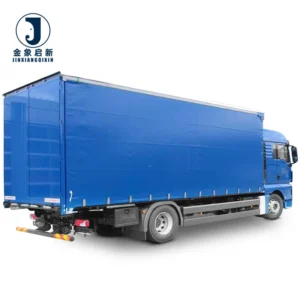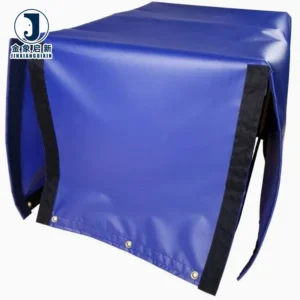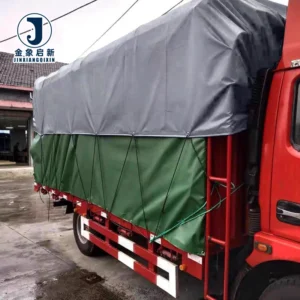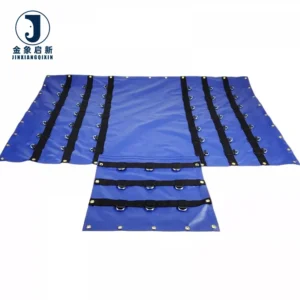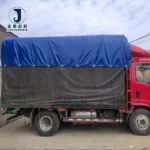
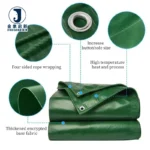
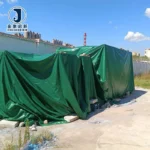
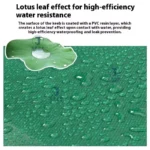
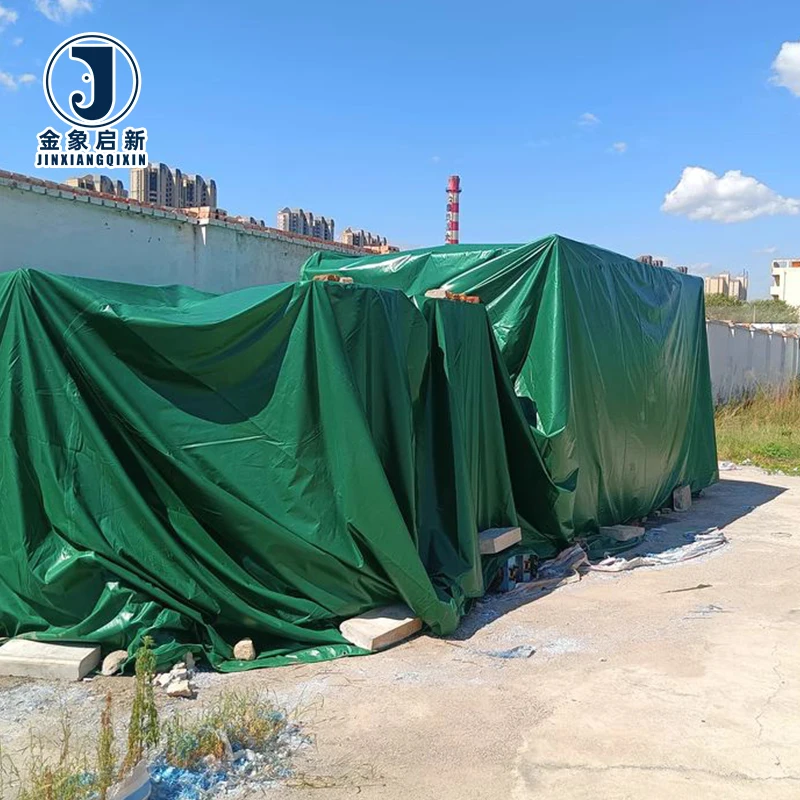
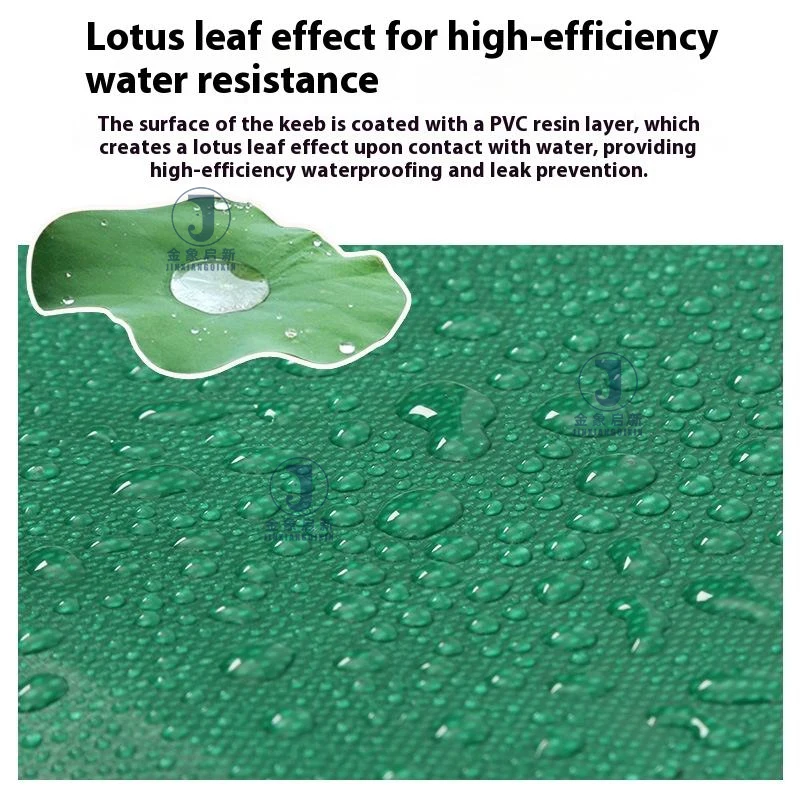

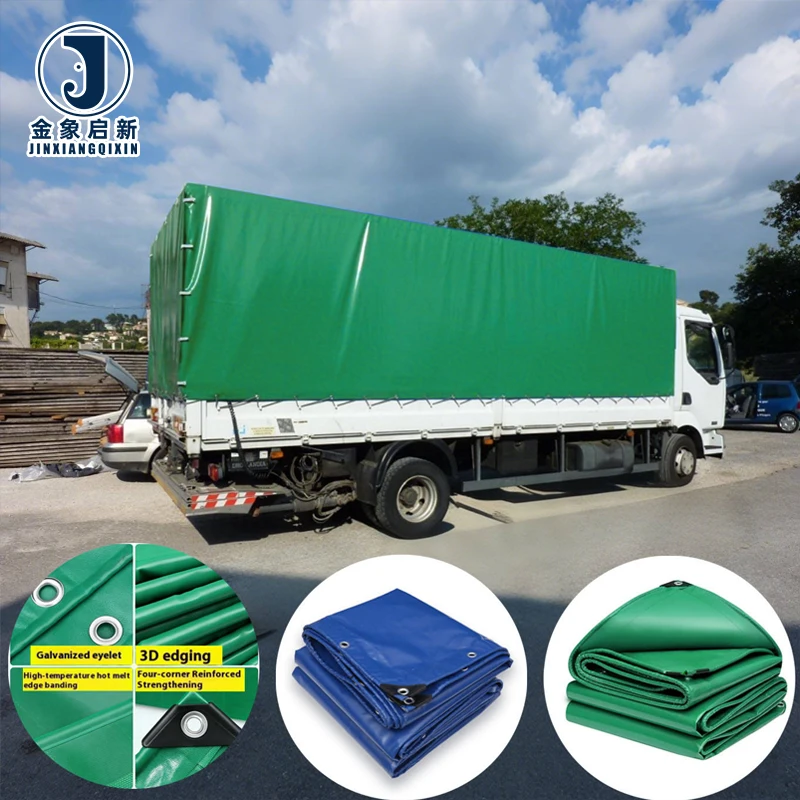
Process Control Depth — three full coating lines and 36 specialist machines allow us to hold PVC coat weight and adhesion within tight tolerances across every roll of industrial ventilation and truck cover fabric we ship.
Technical Specifications
| Parameter | Value |
|---|---|
| Product Type | PVC Coated Tarpaulin |
| Coating Material | PVC laminated sheet |
| Construction | Double-faced |
| Water Resistance | Fully waterproof coated construction |
| Anti-UV Treatment | Yes (test basis not stated — confirm standard required) |
| Flame Retardant | Yes (grade not stated — confirm grade required for your market) |
| Mildew Resistance | Yes |
| Color Options | Multiple colors available |
Application Suitability
| Application | Exposure & Requirement |
|---|---|
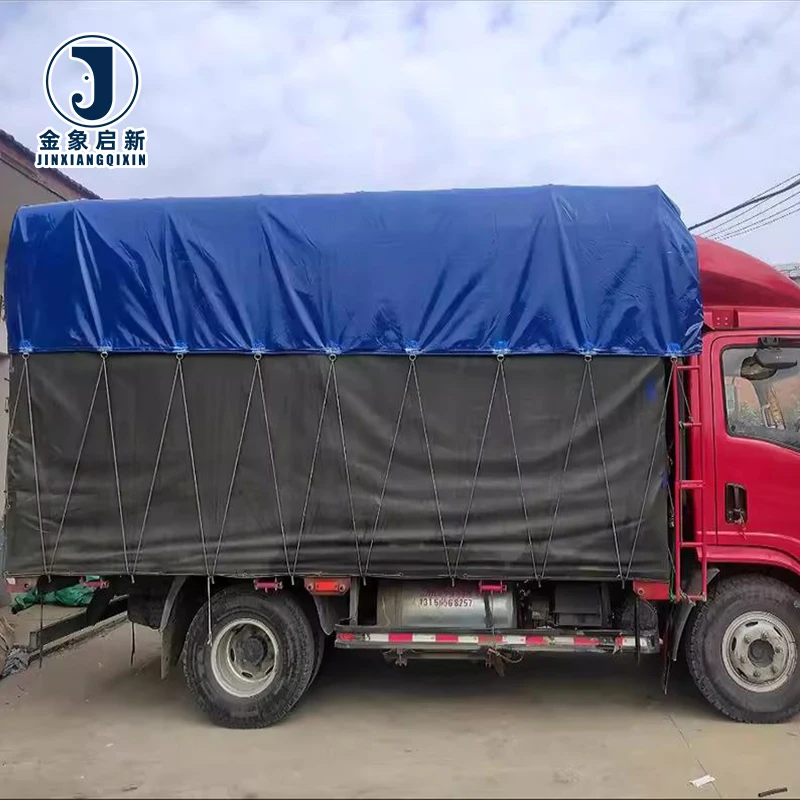
| Truck and trailer side curtain | Constant flexing at load points, road spray, UV exposure, abrasion from tie-down straps |
| Trailer top roof cover | Standing water, thermal cycling, wind uplift stress at seams |
| Architecture membrane structure | Long-term weathering, structural tension loads, fire classification for occupied spaces |
| Inflatable and containment structure | Internal air pressure stress, puncture risk, flame retardant compliance for public venues |
| Construction site tent | Mud, debris impact, repeated assembly and tear-down cycles |
What "Flame Retardant" Really Means Without a Test Standard Behind It
A fabric can be called flame retardant and still fail the fire inspection on site.
Many buyers receive PVC coated truck tarpaulin material with a data sheet that simply states "flame retardant" — no test method, no classification grade, no independent lab reference. When the site safety officer asks for the certificate, the supply chain goes quiet. We have seen mining ventilation ducts rejected at commissioning and truck fleet curtains pulled from service because the documentation did not match the jurisdiction’s fire code [NEED_CITE: common fire classification standards for coated fabrics in mining and transport sectors]. The cost is never just the fabric; it is the downtime, the re-procurement cycle and the contractual penalty.
Matching the Fabric to the Ventilation or Covering Duty
The same PVC coated truck tarpaulin fabric that works as a side curtain may not meet the fire safety classification required for an underground mine ventilation duct. Each application carries a different regulatory expectation — transport fleets follow vehicle fire safety norms, while mining and tunnelling operations demand anti-static and flame retardant grades verified to specific standards. Specifying the end-use environment at inquiry stage prevents costly material swaps later.
Double-Faced Coating and Its Effect on Service Behaviour
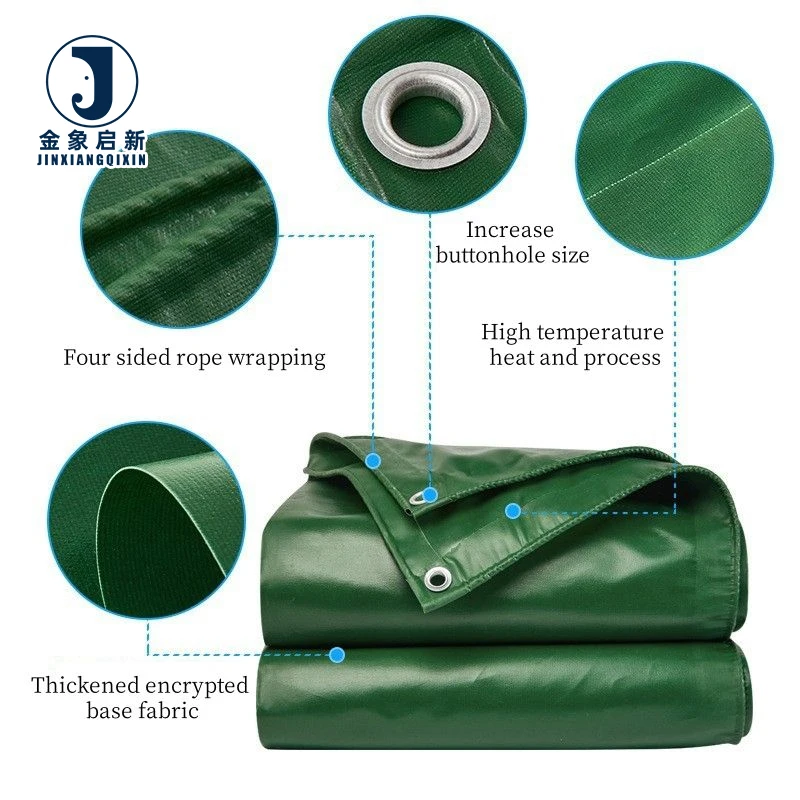
Double-faced PVC lamination means the base fabric is encapsulated on both sides, producing uniform tensile behaviour regardless of which face is exposed. This matters for truck side curtains that experience abrasion on the load-facing side and UV on the outer face, as well as for ventilation ducts where internal airflow friction acts on one surface while external site conditions act on the other. A single-faced material would show asymmetric wear and earlier coating delamination at the uncoated edge [NEED_CITE: coating adhesion and peel strength behaviour in double-faced PVC laminates].
Reading Between the Specs — GSM, Weave and Coating Weight Together
GSM alone tells you how much the fabric weighs per square metre, but it does not tell you how that weight is distributed between the polyester base fabric and the PVC coating. A high GSM driven mostly by coating weight may offer good abrasion resistance but lower tear strength, because the base fabric denier and weave density are what resist tear propagation. Conversely, a tightly woven, high-denier base with a thinner coat delivers superior tensile and tear performance with a lower overall GSM. For truck covers and ventilation ducts, both values must be read together — the base fabric specification defines structural capacity, and the coating weight defines surface protection and weldability.
The Hidden Cost of Overlooking Batch Colour Consistency
When a transport fleet orders PVC coated truck tarpaulin in a branded colour across multiple rolls, colour drift between batches becomes visible the moment curtains are installed side by side on adjacent trailers. The same risk applies to construction tent panels and architectural membrane sections. Batch inconsistency is rarely a performance failure — it is a visual rejection that forces the buyer to re-order and absorb the schedule delay [NEED_CITE: colour matching tolerance standards for coated fabric rolls in fleet and membrane applications].
Why Source Ventilation Duct and Truck Cover Fabric Here
Deep process control over PVC coat weight and adhesion, developed across nearly 30 years of coated fabric production, means the material leaving our lines matches the specification on the data sheet.
Three full production lines with 36 sets of professional equipment support volume runs of truck cover and ventilation duct fabric without compressing lead times at peak demand.
A dedicated 10-person R&D team handles custom colour matching, width slitting and sample development in days, not weeks, so buyers can validate material before committing to a full order.
Stage-gate QA with 100 percent pre-shipment inspection catches coating weight deviation, colour drift and surface defects before rolls are packed, reducing rejection risk at the buyer’s receiving dock.
Documentation & Verification
- Material spec sheet stating base fabric denier, PVC coat weight and GSM for every roll
- Flame retardant test report matched to the grade required by your project jurisdiction
- Pre-shipment inspection record with measured GSM and visual check results
- Roll packing list and certificate of origin prepared for customs clearance
Fabrication, Handling & Storage
- Heat-weld seams using temperature and dwell settings matched to the PVC laminate thickness to avoid coating burn-through
- Store rolls vertically on end caps to prevent flat-spot creasing on the double-faced PVC surface
- Allow cold-stored rolls to acclimatise before unrolling to prevent coating cracking at low temperature
- Use compatible PVC solvent or hot-air welding for field repairs on truck curtain and duct seams
- Clean with mild detergent only — avoid solvents that degrade the PVC coating plasticiser
What to Include in Your Enquiry
To match the correct PVC coated truck tarpaulin grade to your project, provide the application environment and any fire safety classification your jurisdiction requires. Confirm whether you need rolls at standard width or slit-to-size, and indicate annual volume so we can lock batch consistency across your order schedule. If the fabric is for a branded fleet or visible membrane structure, share your colour reference and we will develop a sample roll section for approval before production.
Frequently Asked Questions
Q: What fire-retardant grades are available and which test standards do they meet?
A: We supply PVC coated tarpaulin in flame retardant grades suited to transport, construction and mining applications. The specific test standard — such as DIN 4102, NFPA 701 or a local mining code — must be confirmed at enquiry stage so we match the correct grade and provide the corresponding test report with your shipment.
Q: How is anti-UV performance verified and what is the expected outdoor service life?
A: Anti-UV treatment is applied during the PVC coating process to protect against prolonged sun exposure on truck curtains and membrane structures. We provide test documentation on request. Service life depends on installation tension, local UV index and maintenance — share your climate zone and we will recommend the appropriate treatment level.
Q: Can the fabric be supplied in custom widths and colours for fleet branding?
A: Yes. Our R&D team develops custom colour matches and slit widths for fleet side curtains and branded membrane projects. We produce sample sections for your approval before full production runs, ensuring colour consistency is locked across all rolls in your order.
Q: What is the recommended welding method for double-faced PVC tarpaulin?
A: Hot-air welding is the standard method for double-faced PVC laminated fabric, producing a seam strength that matches the parent material. We recommend test welds on sample offcuts to dial in temperature, speed and pressure settings before committing to full panel fabrication.