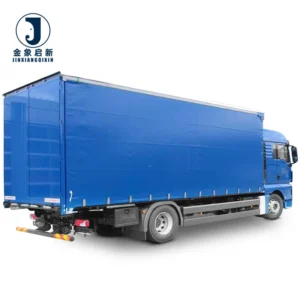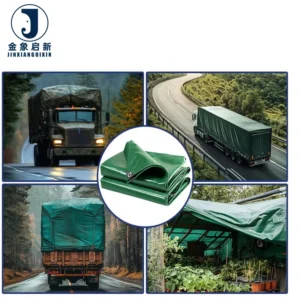

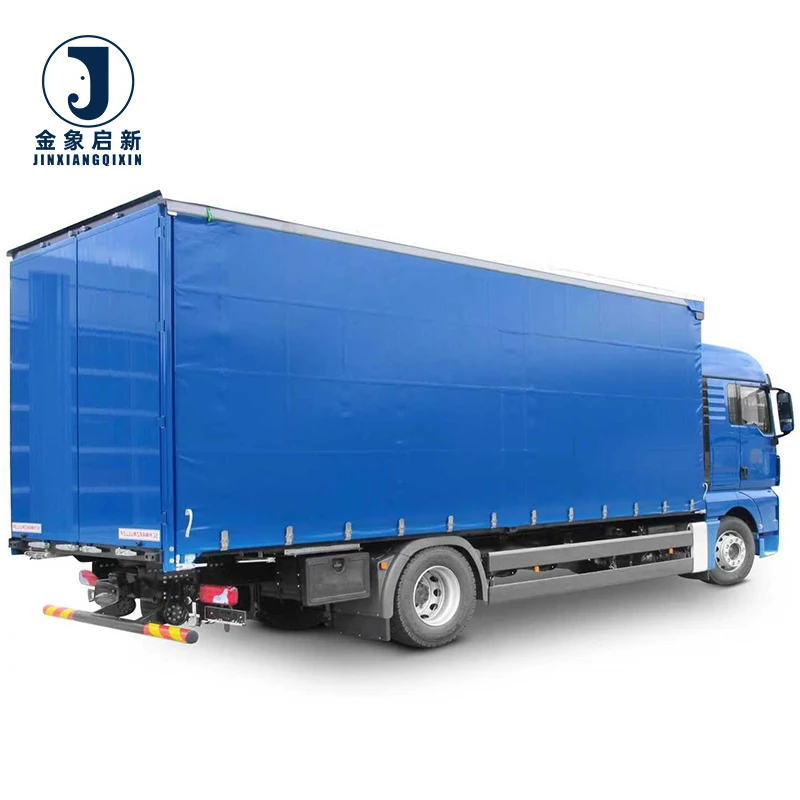
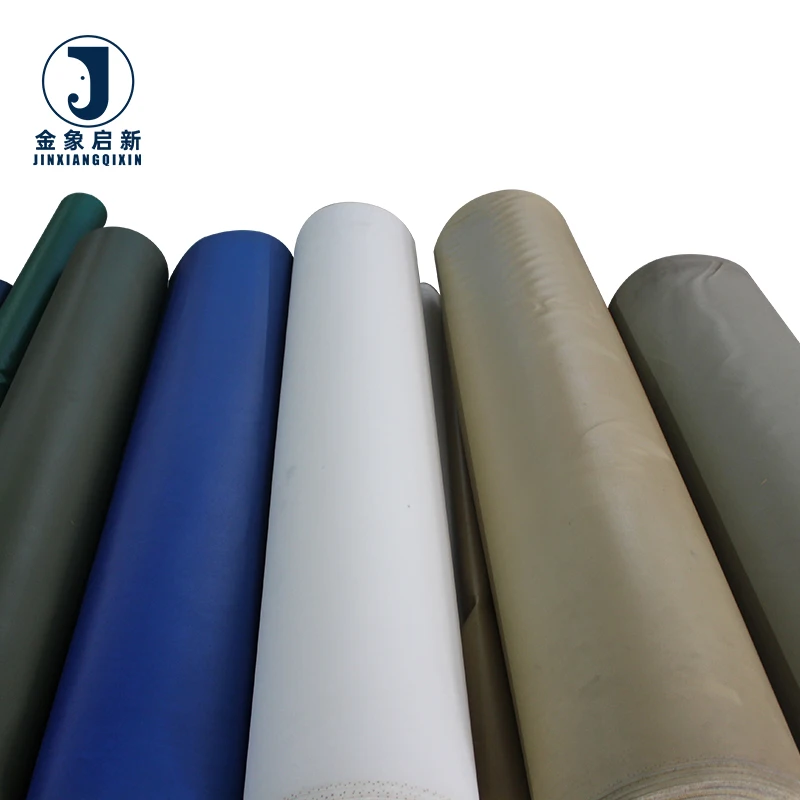
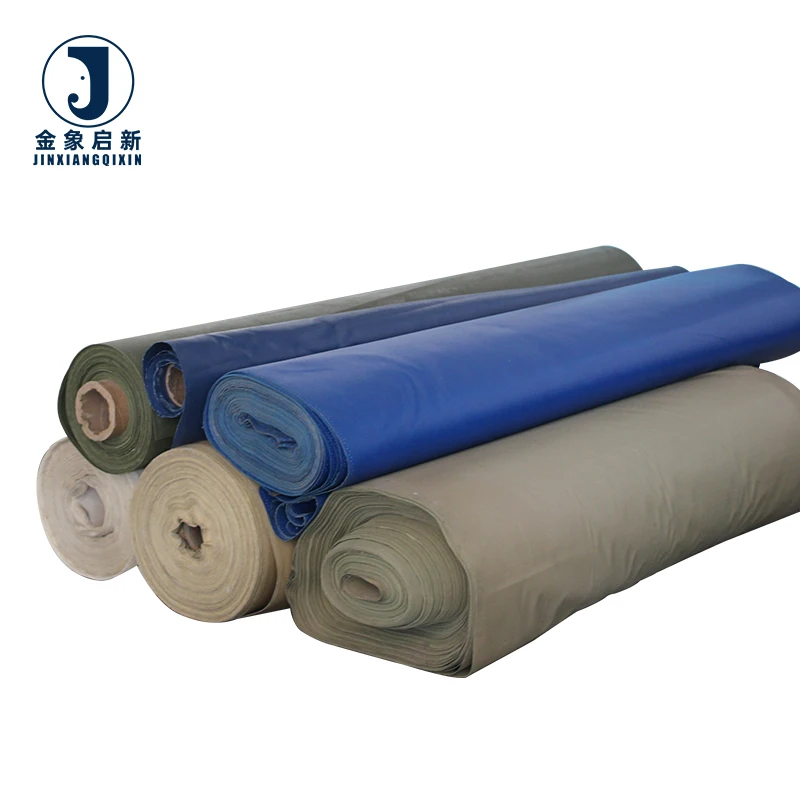
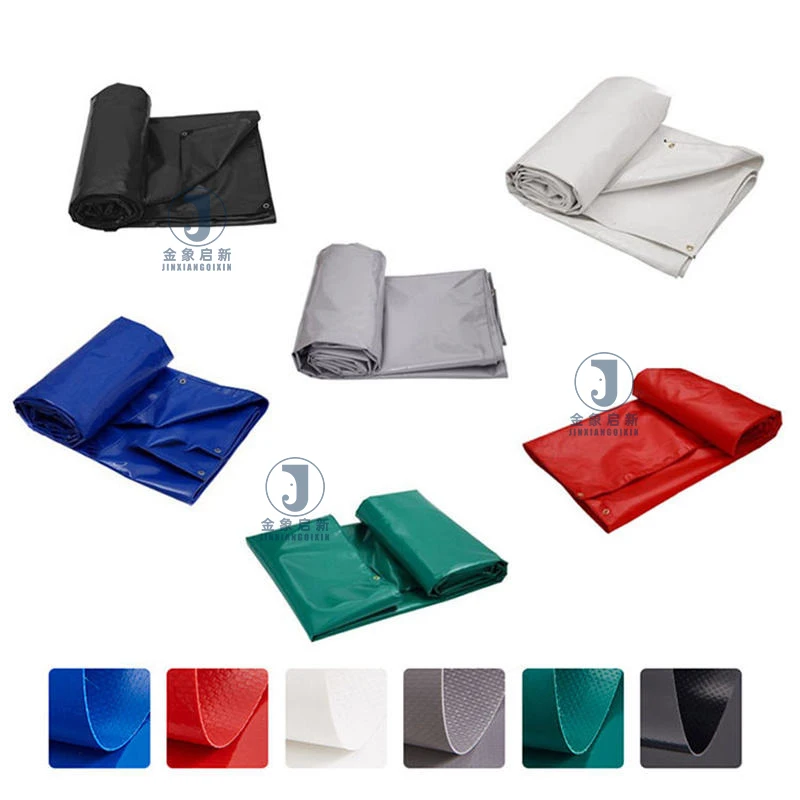
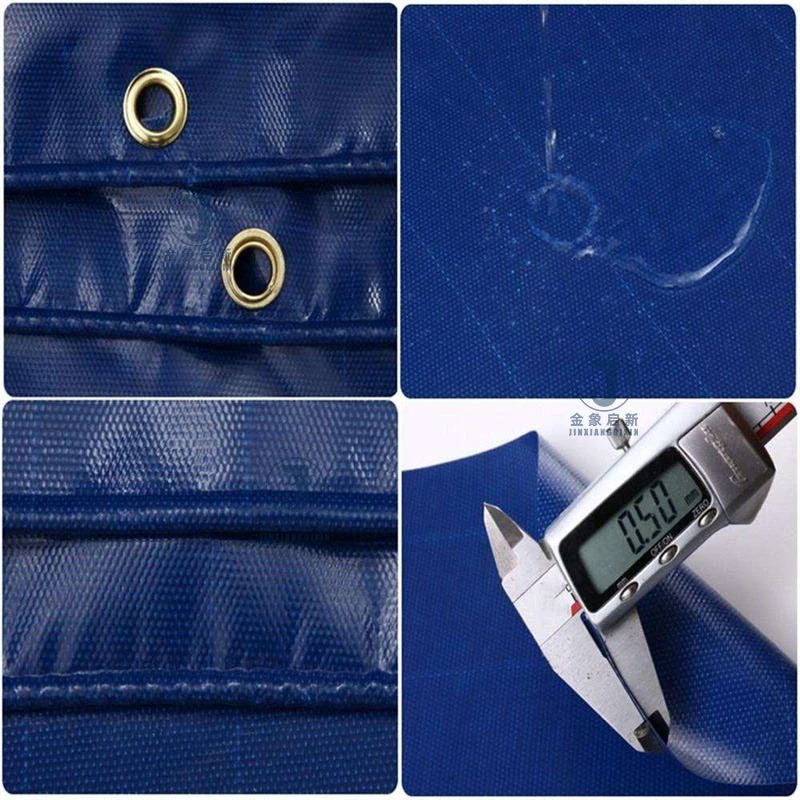
Precision in coated fabric — dedicated QA/QC at every production stage with 100% inspection before shipment, ensuring fire-retardant and anti-static treatments meet project compliance.
Technical Specifications
| Parameter | Value |
|---|---|
| Product Type | PVC Truck Cover |
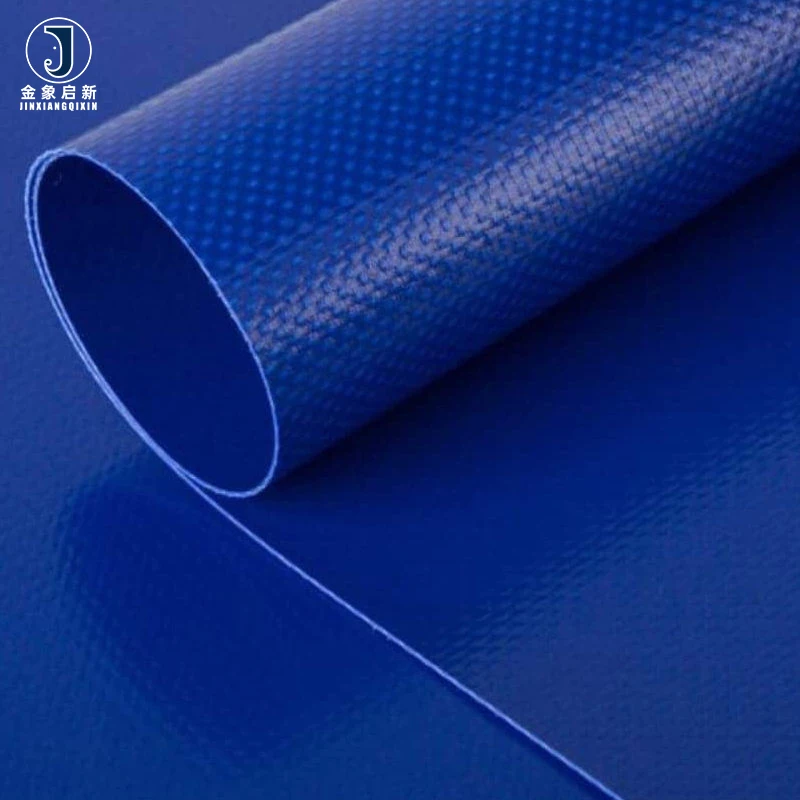
| Material | PVC + High-strength polyester mesh fabric |
| Weight Options | 350gsm / 420gsm / 500gsm / 550gsm / 600gsm / 750gsm |
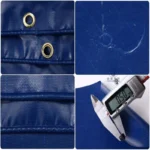
| Thickness Range | 0.32mm / 0.35mm / 0.4mm / 0.45mm / 0.5mm / 0.65mm |
| Coating Technology | Laminated technology & Hot-melt coating technology |
| Roll Size Options | 2m × 75m / 2.1m × 50m |
| Finish Product Size | Custom cut-to-size or sold by inventory |
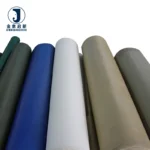
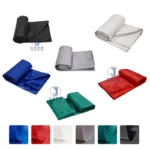
| Color Options | Blue / Red / Yellow / Light blue / Grey (Customized) |
| Key Features | Waterproof, sunproof, cold crack resistance, anti-mildew, color fastness |
| Special Treatments | Flame retardant (grade to confirm), anti-static (grade to specify) |
| Standards | ISO, CE |
Application Suitability
| Application | Exposure & Requirement |
|---|---|
| Mining ventilation duct | Continuous airflow, underground humidity, anti-static and fire-retardant compliance required |
| Tunnelling air duct | Abrasive dust environment, sub-zero temperatures, strict fire safety codes |
| Temporary industrial enclosure | Wind load on membrane surface, UV exposure, rapid deployment and teardown |
| Inflatable structure fabric | Internal air pressure stress, repeated inflation cycles, seam integrity under flex |
| Aviation hangar partition | Fuel vapour proximity, fire-retardant specification mandatory, large panel welding |
| Plant and refinery maintenance cover | Chemical splash exposure, hot work proximity, flame retardant compliance |
Why Flame-Retardant and Anti-Static Grades Must Be Specified Before Production
A PVC truck cover or duct fabric without a verified fire-retardant grade and anti-static test report is a compliance liability on any regulated site.
Ventilation duct and specialist structure projects frequently fail inspection when the fabric arrives without the certification the site safety officer requires. Mining and tunnelling operations in particular mandate specific anti-static surface resistance values and flame-retardant classifications — generic claims on a quotation do not satisfy an auditor. Specify the grade up front, confirm the test standard, and require the report with shipment documentation [NEED_CITE: MSHA and EN fire safety classifications for underground ventilation fabrics].
Hot-Melt Coating and Weld Seam Performance
Hot-melt coating technology bonds the PVC layer to the high-strength polyester mesh under controlled heat and pressure, producing adhesion strength that supports reliable heat-welded seams. For ventilation duct construction and membrane structure fabrication, the weld line is typically the first failure point under flexing and air pressure load — coating adhesion directly determines whether the seam holds or delaminates before the base fabric reaches its tear limit.
Anti-Static Treatment for Underground and Hazardous Environments
Anti-static treatment is available as a special option for PVC truck cover applications and ventilation duct projects where static discharge poses a hazard. The required surface resistance value depends on the regulatory framework governing the installation site — mining codes, aviation fuel handling areas, and grain storage facilities each define different thresholds [NEED_CITE: anti-static surface resistance standards for industrial coated fabrics]. Confirm the target standard before production begins so the treatment formulation matches the compliance requirement.
Decoding GSM, Coating Weight, and Base Fabric Density
Weight in GSM reflects the combined mass of the polyester base fabric and the PVC coating layers, not the tensile or tear strength in isolation. Two fabrics at the same GSM can perform very differently if one uses a heavier coating on a lighter base yarn — the result may resist abrasion but tear more easily at a puncture point. Hot-melt coating versus laminated technology also changes the equation: hot-melt typically delivers higher peel strength between coating and base, which matters when welded seams carry structural load in duct or membrane applications. Thickness values from 0.32mm to 0.65mm correspond to the GSM range, but thickness alone does not indicate base fabric denier or weave density — both of which govern how a tear propagates once initiated. Selecting the right grade means matching base fabric construction and coating method to the mechanical stress profile of the end use, not simply choosing the heaviest option available.
The Hidden Cost of Specifying the Wrong Grade
Fabric that arrives without the fire-retardant grade specified on the purchase order forces a project to halt while replacement material is sourced — a delay measured in weeks for remote mining or tunnelling sites. Anti-static treatment applied to the wrong surface resistance range may pass a casual check but fail the formal compliance audit, requiring full duct replacement underground. Colour inconsistency across rolls in a membrane structure becomes visible only after panels are welded side by side, turning a finished installation into a rework project [NEED_CITE: batch colour consistency standards in coated fabric production]. Weld seam failure at flex points caused by incorrect coating adhesion parameters shows up after the duct is pressurised, not during fabrication — making in-process quality control non-negotiable.
Why Procurement Teams Source This Fabric Here
Three full production lines and 36 sets of professional equipment support bulk roll output with consistent coating weight across the production run, reducing the risk of GSM variance between rolls in a single shipment. A 10-person R&D team handles material selection and sample development, allowing flame-retardant and anti-static treatment grades to be matched to specific project requirements before bulk production commits. Dedicated QA/QC runs at every stage — base fabric inspection, coating weight verification, and 100% pre-shipment inspection — so the inspection record that accompanies shipment reflects actual measured values, not batch assumptions. Custom widths, roll lengths, and finished dimensions are developed with samples within days, giving procurement teams physical confirmation before container loading.
Documentation & Verification
- Material specification sheet stating GSM, base fabric denier, coating method, and colour reference per roll
- Fire-retardant test report with grade classification matching the specified standard
- Anti-static surface resistance measurement recorded against the target regulatory threshold
- Pre-shipment inspection record covering coating adhesion, colour consistency, and dimensional accuracy
- Certificate of origin and roll packing list for customs and freight documentation
Fabrication, Handling & Storage
- Hot-melt coated rolls require weld temperature and dwell time matched to the specific GSM and thickness grade
- Store rolls upright on end caps to prevent flat-spot creasing across the PVC coating surface
- Allow cold-stored rolls to reach ambient temperature before unrolling to avoid coating crack at low flexibility
- Cut patterns should account for the 2m or 2.1m roll width to minimise off-cuts and weld seam count
- Clean finished duct or membrane panels with mild detergent only — solvents degrade the PVC coating bond
What to Include in Your Enquiry
Provide the fire-retardant classification and anti-static standard required by your project’s safety specification, along with the target installation environment — underground mining, aviation, or above-ground membrane structure. Specify whether you need roll stock for your own fabrication or finished cut-to-size panels with welded seams and reinforcements. Include the roll width, colour, and estimated annual volume so the production team can confirm availability and treatment lead times.
Frequently Asked Questions
Q: What fire-retardant grades can this PVC coated fabric achieve, and which test report ships with the order?
A: Flame retardant is available as a special treatment — the specific grade such as M2, B1, NFPA 701, or DIN 4102 must be confirmed against your market requirement before production. The corresponding test report accompanies shipment documentation, listing the classification achieved and the test method applied.
Q: How is anti-static treatment verified for mining and tunnelling ventilation duct projects?
A: Anti-static treatment is formulated to meet the surface resistance value specified by the governing mining code or site safety standard. The measured resistance value is recorded during QA inspection and included in the pre-shipment documentation for compliance audit purposes.
Q: How does hot-melt coating versus laminated coating affect weld seam strength in duct fabrication?
A: Hot-melt coating typically produces higher peel strength between the PVC layer and the polyester base fabric compared to laminated construction. This stronger bond supports more reliable heat-welded seams at duct flex points and membrane panel joints where air pressure and mechanical load concentrate stress.
Q: Can custom widths, roll lengths, and finished duct dimensions be specified for treated grades?
A: Custom widths and roll lengths are available for both standard and treated grades including flame-retardant and anti-static options. The minimum order varies by treatment type and colour — confirm requirements during the sample development stage before bulk production scheduling.
Q: How are batch colour consistency and coating weight verified across multiple rolls for large projects?
A: Each production run undergoes in-process QA checks on coating weight and colour reference. The pre-shipment inspection covers roll-to-roll consistency, and the inspection record documenting these results is included with the shipment documentation for your review upon arrival.