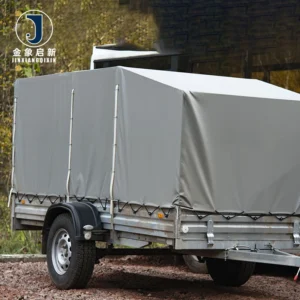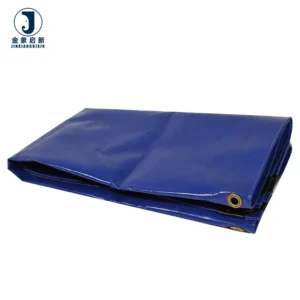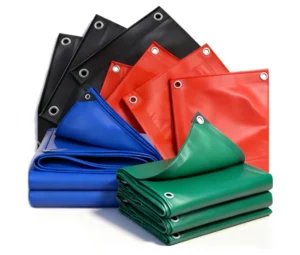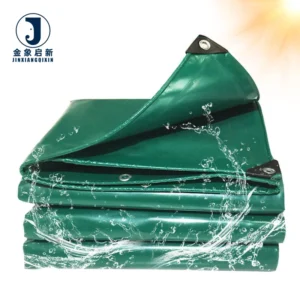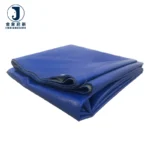

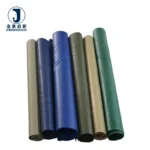

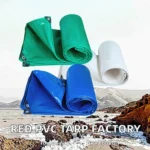
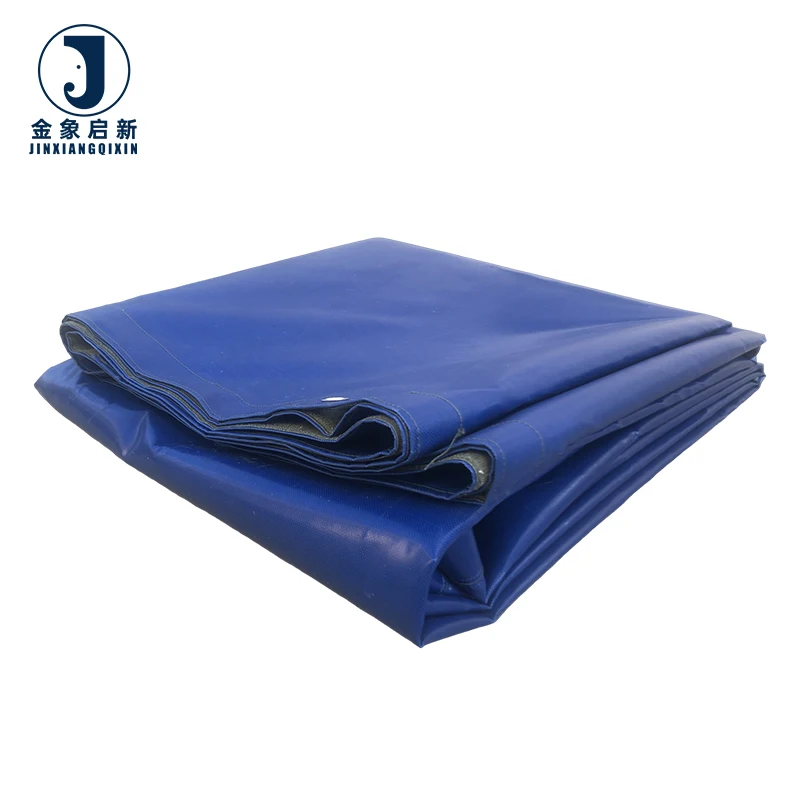
Precision-Coated Technical Fabric — Three dedicated production lines maintain strict GSM and coating-weight control across every roll of PVC coated tarpaulin destined for ventilation, membrane and industrial enclosure projects.
Technical Specifications
| Parameter | Value |
|---|---|
| Product Type | PVC Coated Tarpaulin Roll |
| Base Fabric | 100% high-tenacity polyester yarn |
| Base Fabric Denier Options | 500D / 1000D / 500D–2000D |
| Coating Material | PVC |
| Coating Method | Lamination technology and hot melt coating technology |
| Weight Range (medium-duty) | 400–500 g/m² |
| Thickness (medium-duty) | 0.35–0.45 mm |
| Tensile Strength (medium-duty) | Warp 1500–2000 / Weft 1200–1800 N/5cm |
| Weight Range (heavy-duty) | 700–1000 g/m² |
| Thickness (heavy-duty) | 0.70–1.0 mm |
| Tensile Strength (heavy-duty) | Warp 2000–2500 / Weft 1800–2200 N/5cm |
| Weight Range (super heavy-duty) | 1100–1500 g/m² |
| Thickness (super heavy-duty) | 1.2–1.5 mm |
| Tensile Strength (super heavy-duty) | Warp 2500–3000 / Weft 2200–2800 N/5cm |
| Treatment Options | Flame retardant (grade not stated); Anti-static (surface resistance not confirmed); Cold resistant; Mold proof; UV treatment (weather resistance basis not stated) |
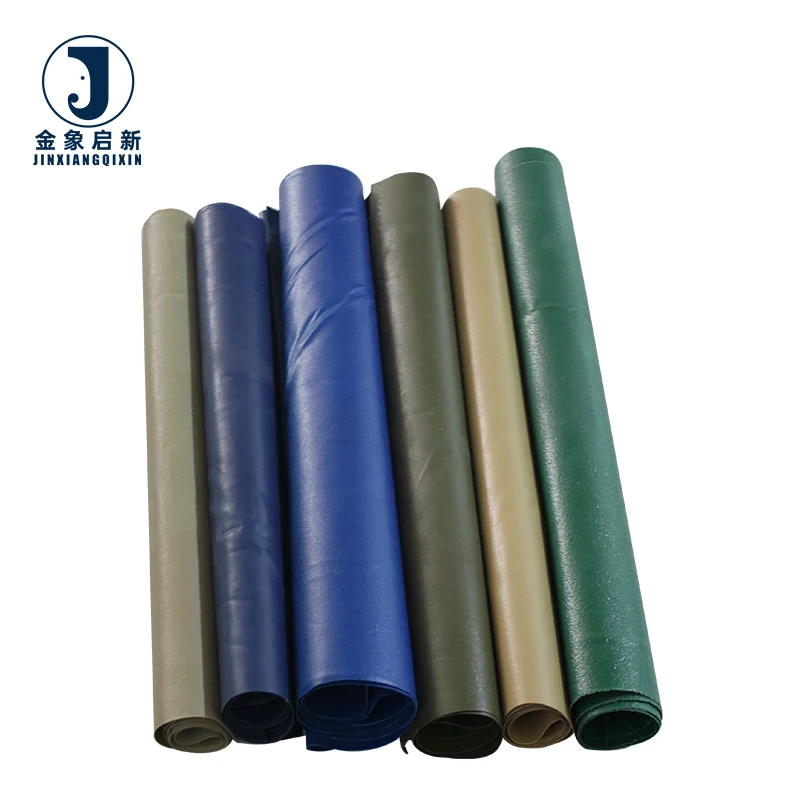
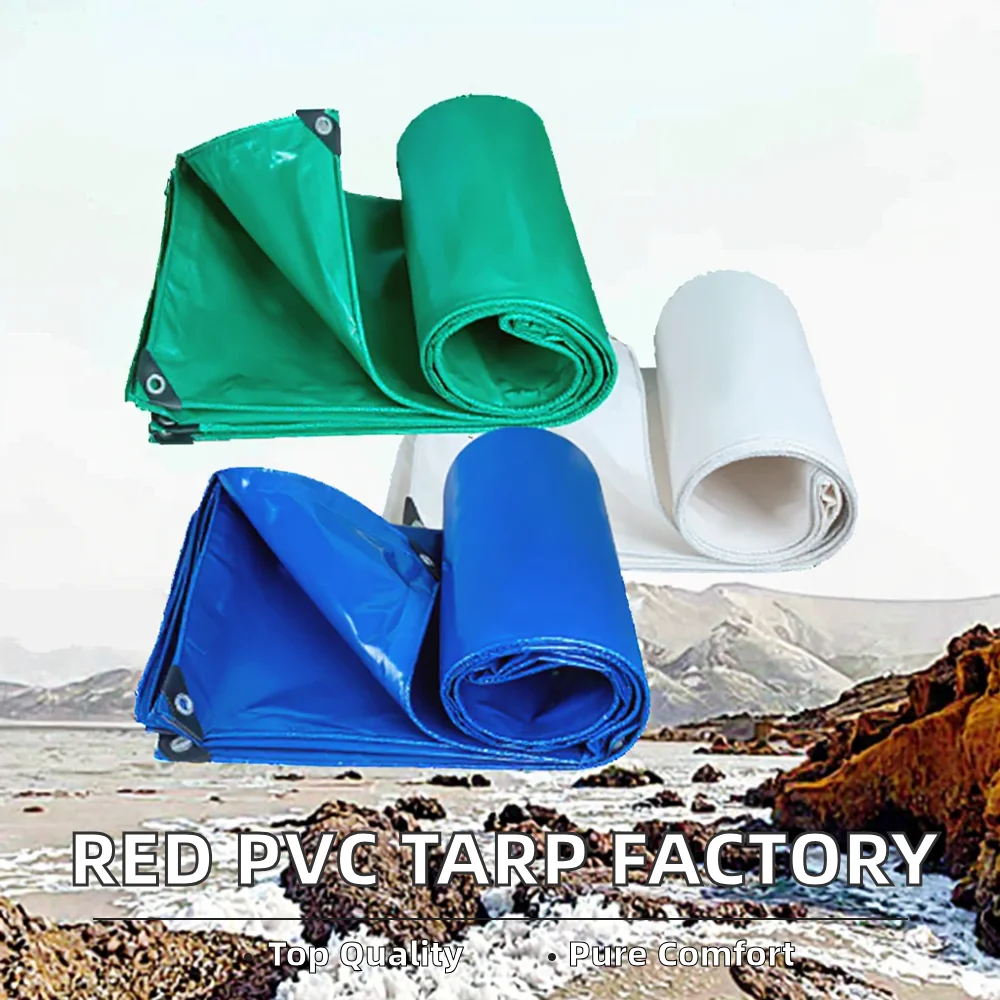
| Colour Options | Blue, Blue/Orange, Green, Grey, Black, Clear, Grey/Green, Orange, custom colours |
| Certifications | ISO, CE |
Application Suitability
| Application | Exposure & Requirement |
|---|---|
| Mining ventilation duct | Continuous forced-air pressure, underground moisture, fire-retardant and anti-static compliance mandated by site regulation |
| Tunnelling duct and temporary enclosure | Rock dust abrasion, high humidity, rapid deployment and takedown cycles |
| Aviation ground-support ducting | Fuel-vapour environment, static discharge risk, frequent repositioning |
| Tensioned membrane structure | Long-term UV exposure, wind uplift load, weld integrity at panel seams |
| Industrial pipe canopy and enclosure | Chemical splash, thermal cycling, weather exposure on static installations |
| Inflatable structure fabric | Internal air pressure, repeated inflation cycles, coating adhesion under flex |
What a Missing Test Report Really Costs on Site
Specifying fire-retardant or anti-static PVC coated tarpaulin without a verifiable test standard is the single most common compliance gap in technical fabric procurement.
A ventilation duct installed underground must satisfy the site safety officer before it ever moves air. When the roll arrives with a datasheet claim but no test report referencing a recognised standard, the entire duct run can be rejected at inspection. I have reviewed projects where the contractor bore the cost of removing and replacing hundreds of metres of fabricated duct because the documentation did not match the specification [NEED_CITE: fire classification standards for underground ventilation materials]. The PVC coated tarpaulin base fabric denier coating GSM tensile strength data may look correct on paper, but without a third-party report the claim carries no weight at audit.
Matching Denier and Coating Weight to Ventilation and Structural Loads
Ventilation duct fabric must resist internal positive pressure, external abrasion from tunnel walls and the repeated flex of installation and removal. A 500D base fabric paired with a 400–500 g/m² coating serves lighter temporary ducting and inflatable enclosures where weight and pack-down size matter. For mining and tunnelling main-line duct, a 1000D or higher base at 700–1000 g/m² provides the tensile reserve needed to withstand sustained airflow pressure without progressive stretch at the seams.
Coating Adhesion and Weld Behaviour in Duct Fabrication
Hot melt coating technology delivers a deeper bond between the PVC layer and the polyester base compared to simple lamination, which directly affects how the fabric behaves when hot-air welded into duct sections. Stronger coating adhesion means the weld line is less likely to delaminate under the cyclic flex that every duct joint experiences during fan start-up and shutdown. When specifying PVC coated tarpaulin for duct or membrane work, the coating method is as consequential as the coating weight [NEED_CITE: coating adhesion test methods per ISO 2411].
Reading GSM, Denier and Tensile Data as a System
GSM alone tells you how much material is present, not how that material is structured. Two rolls both rated at 700 g/m² can show very different tensile and tear figures depending on whether the base fabric is woven from 500D or 1000D yarn and how tightly the weave is set. A higher denier yarn with a looser weave may reach the same GSM through heavier coating rather than stronger base fabric, shifting the failure mode from yarn breakage to coating crack under point load. Tensile values reported as warp and weft N/5cm should be evaluated together: a large gap between the two directions signals an unbalanced weave that will track tears preferentially along the weaker axis [NEED_CITE: tensile and tear test methods for coated fabrics per ISO 1421].
The choice of coating method further influences performance. Lamination technology bonds a pre-formed PVC film to the base fabric under heat and pressure, producing a uniform surface suited to high-speed roll-to-roll processing. Hot melt coating penetrates the weave more deeply, improving peel strength at the cost of a slightly rougher reverse face. For applications demanding repeated hot-air welding — such as joining duct sections — the deeper penetration of hot melt coating generally yields a more reliable seam.
The Hidden Cost of a Specification Gap
When a duct fabric arrives on site without the fire-retardant grade or anti-static surface resistance the project specification demands, the consequences compound quickly. The safety officer halts installation, the fabricated duct sections sit idle, and the contractor absorbs demobilisation costs while replacement material is sourced. Colour variation across rolls in the same shipment creates visible banding once panels are joined side by side on a membrane structure, triggering a cosmetic rejection even though the fabric is structurally sound. Weld seams that fail before the fabric itself — a problem rooted in coating adhesion rather than base strength — force field repairs in confined tunnel environments where hot-air equipment access is limited [NEED_CITE: field failure modes in coated fabric ventilation ducts].
Why Technical Buyers Source This Fabric Here
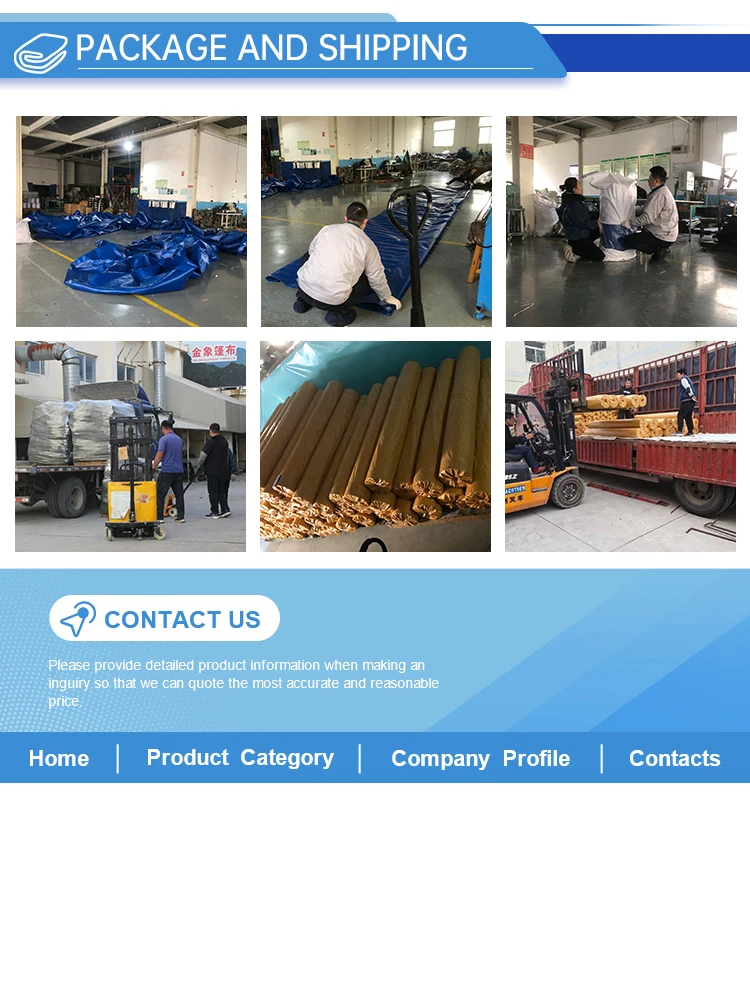
Three full production lines and 36 sets of professional equipment allow dedicated scheduling for technical fabric runs, so ventilation duct and membrane orders are not queued behind commodity tarpaulin batches. The 10-person R&D team develops custom samples within days, matching base denier, coating weight and treatment to a specific project specification rather than offering only catalogue grades. Dedicated QA/QC checkpoints at every production stage culminate in 100% pre-shipment inspection, catching GSM drift and colour deviation before rolls are packed. ISO and CE certification is maintained across the facility, and the documentation package — including test reports where applicable — travels with the shipment. Nearly 30 years of focused coated-fabric production means process parameters for hot melt coating and lamination are refined from long production history, not trial and error on each new order.
Documentation & Verification
- Material specification sheet listing base denier, GSM and coating method per roll batch
- Fire-retardant and anti-static test reports referencing applicable standards when treatments are specified
- Pre-shipment inspection record confirming GSM, colour and dimensional tolerances before dispatch
- ISO and CE certificates included in the shipping documentation package
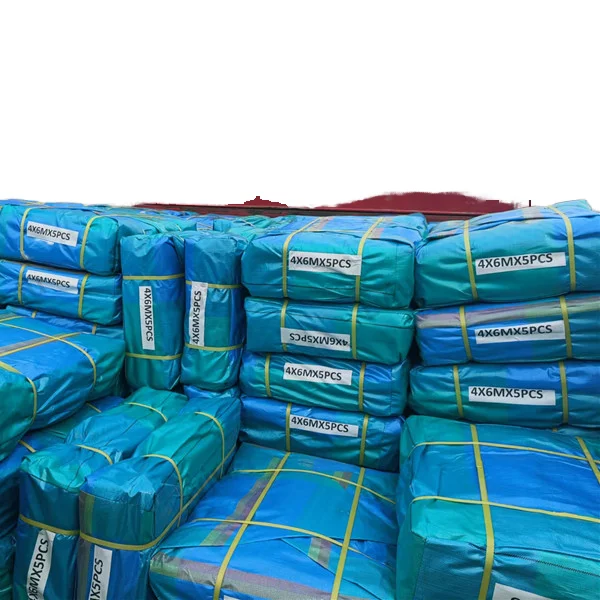
- Roll packing list with individual roll weights for receiving verification
Fabrication, Handling & Storage
- Hot-air weld temperature and speed must be calibrated to the specific coating method — lamination and hot melt coatings respond differently to the same heat setting.
- Store rolls upright on a clean pallet to prevent flat-spot deformation on heavy-duty grades above 1000 g/m².
- Avoid dragging cut panels across abrasive surfaces; the PVC coating on lighter 400–500 g/m² grades is thinner and more susceptible to scuffing.
- Cold-resistant treated fabric should still be unrolled and allowed to acclimatise above 5 °C before welding to prevent brittle crack at the seam.
- Clean finished duct or membrane surfaces with mild detergent; solvent-based cleaners can soften the plasticiser in the PVC coating layer.
- Plan panel cutting layout to minimise transverse welds on membrane structures, as each seam is a potential flex-failure point under wind load.
Before You Send Your Enquiry
Provide the target fire-retardant and anti-static standards your project or jurisdiction requires so we can confirm whether the available treatment grades align. Share the duct diameter or membrane panel dimensions, expected operating pressure or wind load, and whether you need rolls only or finished fabricated sections. If colour matching to an existing structure is necessary, a RAL or physical colour reference ensures batch consistency across your order volume.
Frequently Asked Questions
Q: What fire-retardant and anti-static test standards can the fabric meet?
A: Flame-retardant and anti-static treatments are available, but the specific grade and test standard depend on the formulation selected for your order. Request the applicable test report referencing your target market’s requirements — such as mining ventilation or building membrane regulations — so we can match the correct treatment and supply supporting documentation with the shipment.
Q: Can you supply a test report with each roll shipment?
A: Yes. When fire-retardant or anti-static treatment is specified against a defined standard, the corresponding test report is included in the dispatch documentation package alongside the material specification sheet, ISO and CE certificates, and the pre-shipment inspection record.
Q: How do you control GSM consistency across multiple rolls in one order?
A: Each production run is monitored at in-process QA checkpoints for coating weight and base fabric tension. A 100% pre-shipment inspection verifies roll weight against the stated GSM before packing, and the roll packing list records individual roll weights so you can cross-check on receipt.
Q: What denier and coating weight do you recommend for mining ventilation duct?
A: Mining duct typically requires a heavy-duty or super heavy-duty base fabric with sufficient tensile reserve for sustained internal pressure and abrasion resistance against tunnel walls. Confirm your duct diameter, operating pressure and any fire-retardant or anti-static mandates so we can recommend the appropriate denier and GSM combination.
Q: Can you develop a sample to our specification before we commit to bulk?
A: The R&D team can produce a sample matching your specified base denier, coating weight, colour and treatment requirements within days. Sample approval forms part of the standard sales process before bulk production is scheduled, ensuring the final roll matches your project specification.