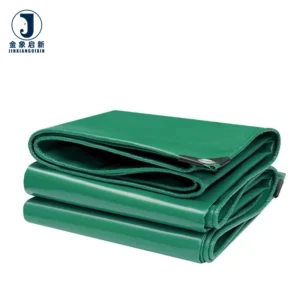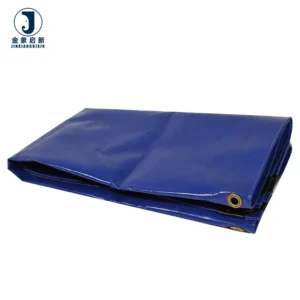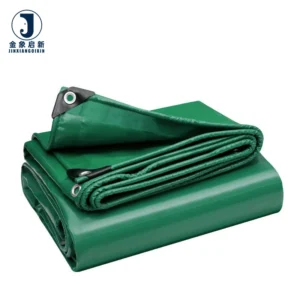
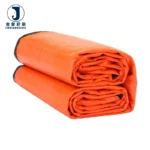
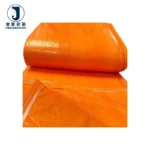
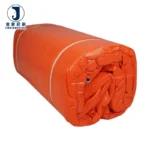

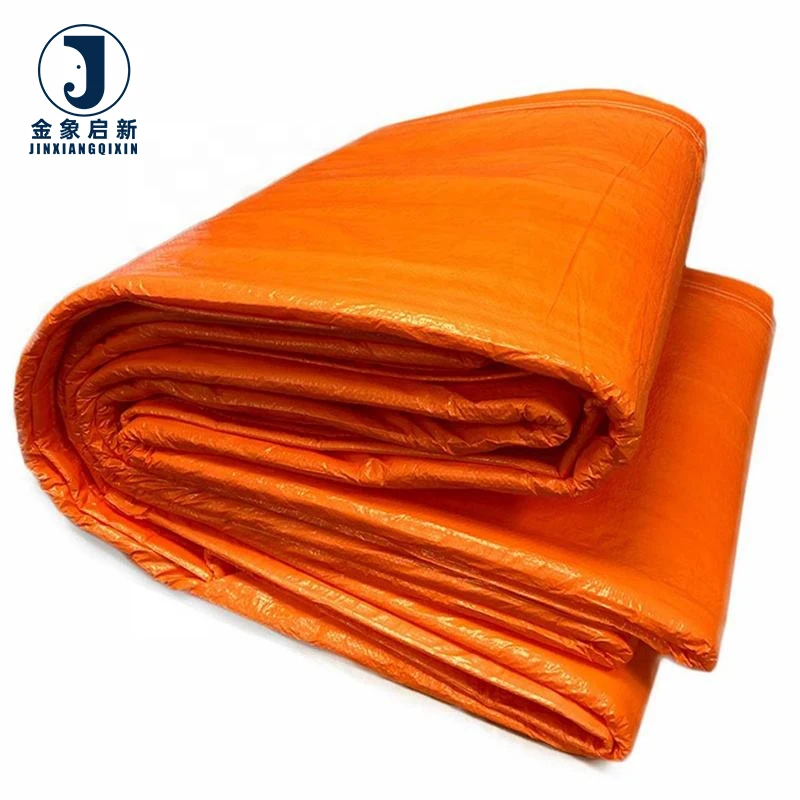
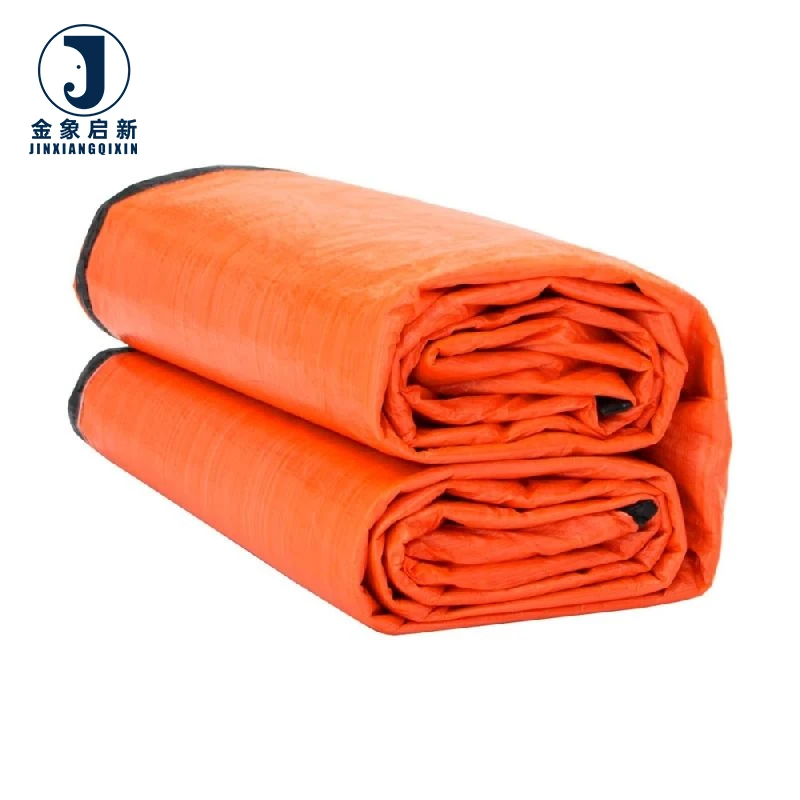
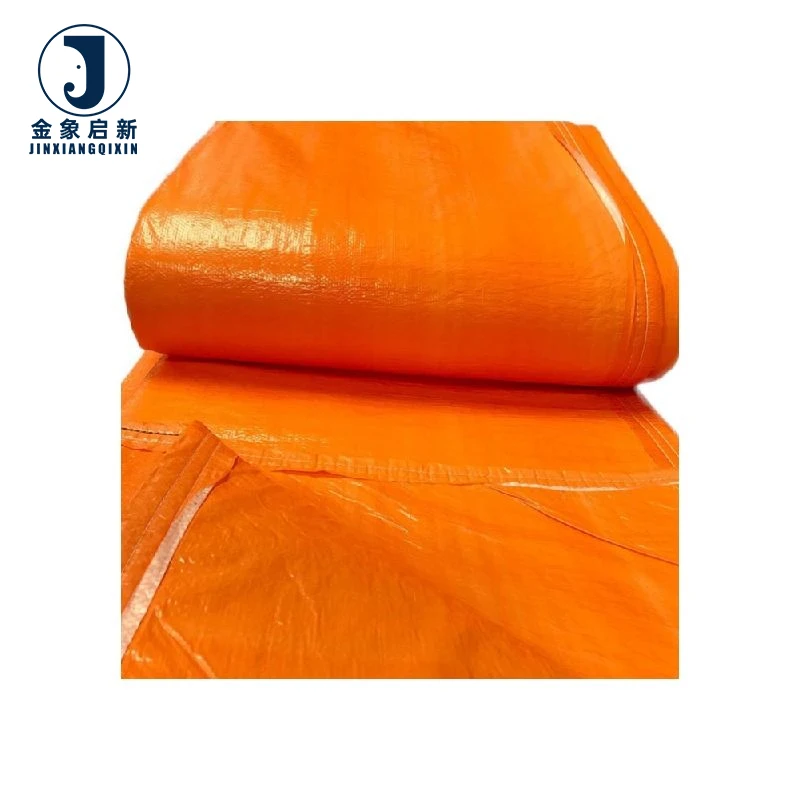
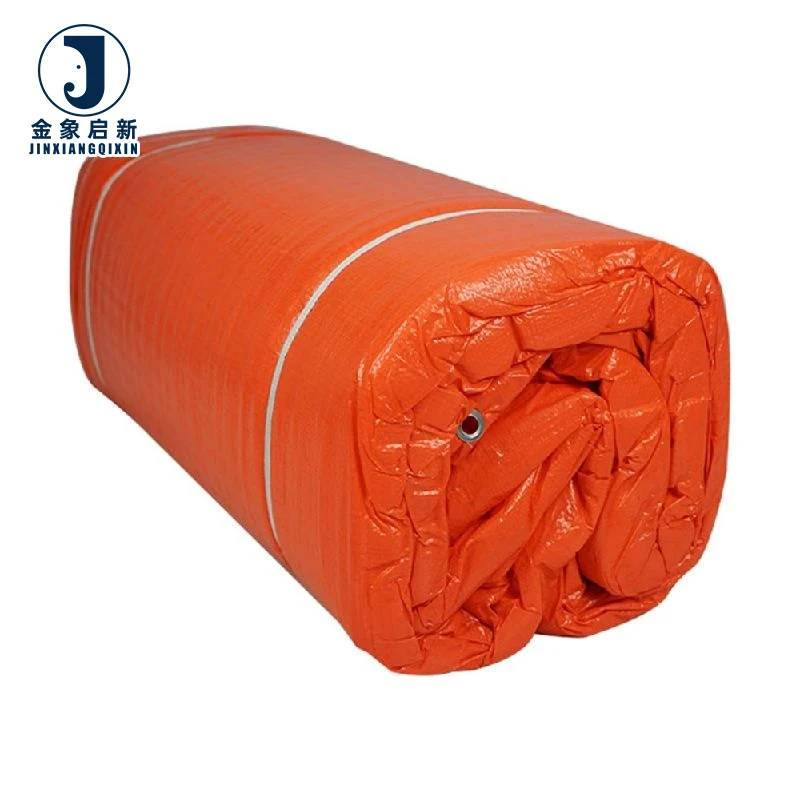
Thermal Barrier Engineering — insulated concrete curing blankets built around a closed-cell PE foam core, manufactured on dedicated coating lines with 100% pre-shipment inspection to hold thickness and edge integrity across every panel.
Technical Specifications
| Parameter | Value |
|---|---|
| Product Type | Insulated Concrete Curing Blanket |
| Dimensions | 6ft×24ft / 8ft×25ft / 12ft×20ft / 12ft×24ft |
| Thickness Options | 2×2mm / 3×1.5mm / 1×4mm / 5mm / 6mm / 8mm / 12mm |
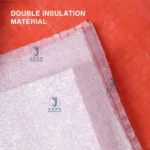
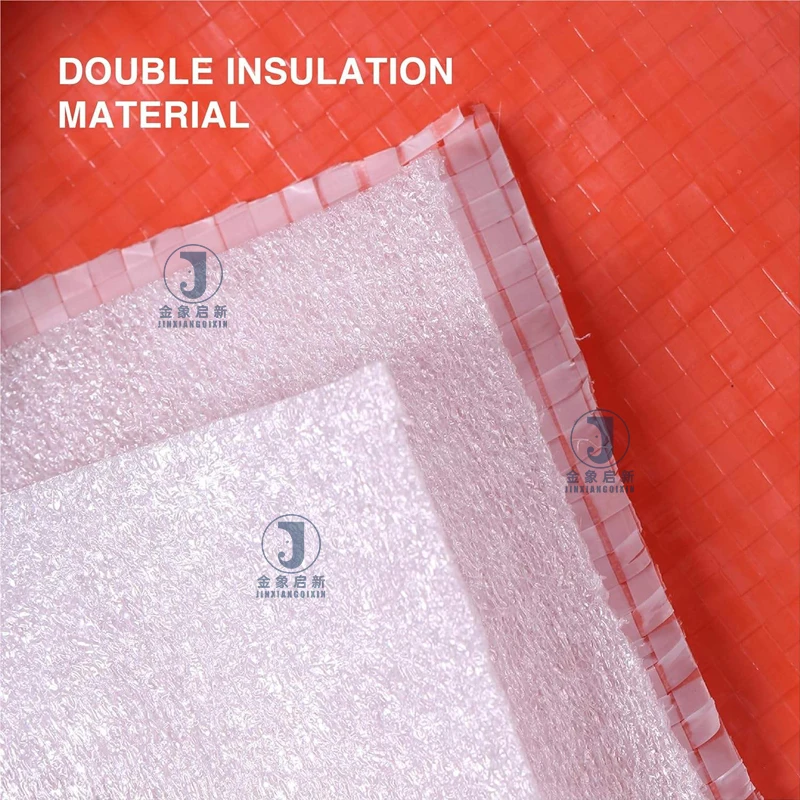
| Structure | PE cloth + closed-cell PE foam core + PE cloth |
| Coating Material | Polyethylene (PE) |
| Grommet Configuration | Aluminum grommets, perimeter spacing at 61cm and 91.5cm |
| Edge Finish | Reinforcement stitch, ripstop construction |
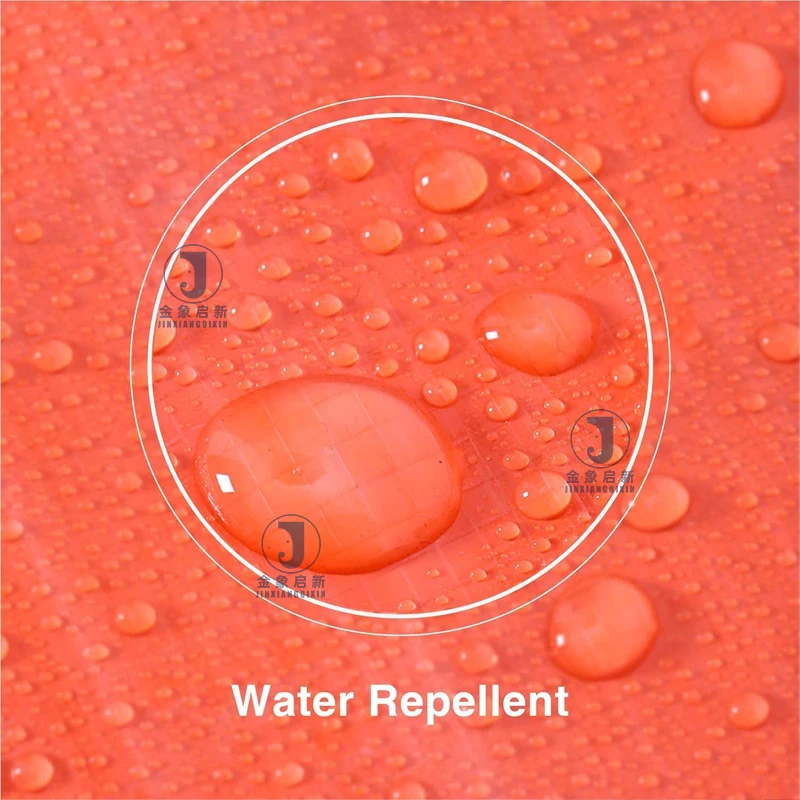
| Surface Treatment | UV resistant (test basis not stated — confirm grade for your market), waterproof |
| Color Options | Orange / Black / White / Silver / Customized color |
| Standards | ISO / CE certified production facility |
Application Suitability
| Application | Exposure & Requirement |
|---|---|
| Cold-weather concrete curing | Sustained heat retention over pour zones, moisture from curing compounds, repeated lay-and-remove cycles |
| Heated enclosure lining | Temperature differential across the panel, wind-driven drafts, contact with temporary framing |
| Vertical wind barrier on exposed sites | Lateral wind load on grommets, abrasion against scaffolding, UV and precipitation exposure |
| Mining and tunnelling temperature control | Low ambient temperatures, dust and particulate contact, compliance documentation for site safety |
Why Insulation Thickness Matters More Than Surface Weight on a Curing Blanket
A curing blanket holds heat through its core layer, not through its face fabric — thickness and foam density define thermal performance, not GSM alone.
Specifying an insulated concrete curing blanket supplier often starts with a target temperature and cure duration. Yet many buyers compare blankets by outer fabric weight, missing the layer that actually prevents heat loss. The closed-cell foam core is where thermal resistance lives. When that core is thinner than the ambient conditions demand, the concrete surface drops below curing temperature regardless of how heavy the outer cloth is [NEED_CITE: thermal resistance measurement methods for insulated construction blankets]. Selecting the right thickness grade against the expected low temperature and cure window avoids both under-insulation and unnecessary material cost.
How the Closed-Cell Core Retains Heat Under Site Conditions
Closed-cell PE foam traps air in discrete pockets that do not communicate, so moisture from rain or curing compounds cannot migrate through the core and degrade its insulation value. This is the critical difference between closed-cell and open-cell foam on a winter pour. The insulated concrete curing blanket maintains its thermal resistance even when the outer PE cloth face is wet or in contact with saturated ground.
Edge Construction and Grommet Layout for Secure Tie-Down
Wind is the primary mechanical threat to any curing blanket hung vertically or laid across a slab edge. The reinforcement stitch and ripstop construction at the perimeter distribute tie-down load across a wider fabric area rather than concentrating it at a single thread line. Aluminum grommets placed at 61cm and 91.5cm intervals give contractors flexibility: the tighter spacing suits high-wind vertical barriers, while the wider spacing is sufficient for flat slab coverage. Each grommet is set through the full three-layer laminate so pull-through resistance depends on the combined thickness of both PE cloth faces and the foam core.
Reading the Thickness Options Against Your Cure Schedule
The available thickness range — from 2×2mm through 12mm — covers the span from mild overnight protection to sustained sub-zero curing. Thinner grades such as 1×4mm suit short-duration pours where ambient temperature stays near freezing, while 8mm and 12mm panels are specified when the temperature differential between the concrete surface and the surrounding air is large and the cure window extends over several days. The multi-layer structure means that each thickness grade adds insulation without proportionally adding weight, so handling on site remains practical even at the heavier end of the range. Surface fabric denier and the foam core density together determine how well the panel resists puncture from rebar or formwork edges — a factor that matters more on congested pour zones [NEED_CITE: coated fabric puncture and tear testing per ISO 1421].
What Happens When the Blanket Grade Does Not Match the Site
Choosing a thickness below what the ambient conditions require leads to surface temperature drop and extended cure times, which delays follow-on trades and can compromise compressive strength development. Conversely, panels that are heavier than necessary increase handling time and material cost without improving the cure outcome. Edge failures appear when grommet spacing is too wide for the wind load on a vertical enclosure — the blanket pulls free, exposes the pour, and the crew must re-rig in the dark. Colour inconsistency between panels in the same order becomes visible when blankets are installed side by side on a high-visibility infrastructure project, prompting rejection at site inspection [NEED_CITE: batch colour consistency standards for construction textiles].
Why Procurement Verification Matters for Insulated Blankets
Our production process controls coating weight and foam lamination pressure at every stage, so the thickness stated on the quotation is the thickness measured on arrival. Three full production lines and 36 sets of professional equipment support bulk orders with consistent lead times. The 10-person R&D team develops samples within days when a project requires a non-standard dimension or grommet layout. QA/QC checkpoints cover foam core density verification, grommet placement accuracy, and seam integrity before any panel leaves the facility — addressing the gap where insulation products arrive on site without the documentation the contractor needs for compliance sign-off.
Documentation & Verification
- Material specification sheet stating structure layers, core thickness, and colour reference for each blanket order
- Pre-shipment inspection record covering grommet placement, edge stitch integrity, and dimensional accuracy
- ISO and CE certificates covering the production facility and quality management system
- Test documentation for UV and flame-retardant grades where applicable — confirm the grade required for your market
- Roll and panel packing list with weight and count for container loading reconciliation
Fabrication, Handling & Storage
- Heat-weld PE cloth faces at manufacturer-recommended temperature to avoid delaminating the foam core layer
- Store panels flat or loosely rolled to prevent permanent compression marks in the closed-cell PE foam
- Inspect aluminum grommets after each repositioning cycle for deformation at the 61cm and 91.5cm spacing points
- Clean surfaces with mild detergent only — solvents may degrade the PE coating and reduce waterproof performance
- Avoid dragging panels across rebar or sharp formwork edges to protect the ripstop edge construction
What We Need to Move Your Enquiry Forward
Provide the lowest expected ambient temperature and the required cure duration so we can recommend the correct thickness grade. Share the panel dimensions and whether the blanket will be used flat on a slab or hung vertically as a wind barrier — this determines grommet spacing and edge reinforcement. If your site specification calls for flame-retardant or anti-static certification, state the standard your project references so we can confirm documentation availability before production begins.
Frequently Asked Questions
Q: How is insulation value verified across thickness grades before shipment?
A: Each production run is checked against the stated core thickness and foam density at multiple QA stages. Pre-shipment inspection records document these measurements alongside dimensional accuracy and grommet placement. We supply the inspection record with every order so your site team can verify the blanket matches the specification on arrival.
Q: What thermal performance documentation accompanies each blanket order?
A: Orders ship with a material specification sheet detailing the three-layer structure, core thickness, and colour reference. Where flame-retardant or anti-static grades are specified, test documentation for the relevant standard is included. ISO and CE certificates covering the production facility are available for compliance submissions.
Q: Can custom dimensions and grommet spacing be specified for site-specific layouts?
A: Yes. Our R&D team develops samples within days for non-standard panel sizes or alternative grommet intervals beyond the standard 61cm and 91.5cm spacing. Custom colours are also available. Confirm the required dimensions and tie-down pattern early so we can factor them into the production schedule and provide an accurate lead time.
Q: How are stitched edges tested for wind-load resistance?
A: Reinforcement stitch and ripstop construction at the perimeter is inspected for thread tension and stitch density during production. The combined laminate thickness of both PE cloth faces and the foam core provides the substrate strength behind each grommet. Panels destined for high-wind vertical applications receive additional edge verification during pre-shipment inspection.
Q: What fire-retardant or thermal certification is available for mining and aviation compliance?
A: Flame-retardant grades are available — confirm the specific standard required for your market and project. We supply test documentation matching the grade specified at enquiry stage. For mining and tunnelling ventilation applications, state whether anti-static properties are also required so we can include the correct certification package with your order.