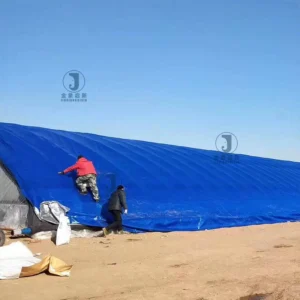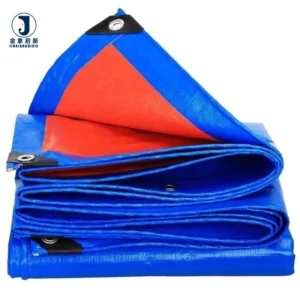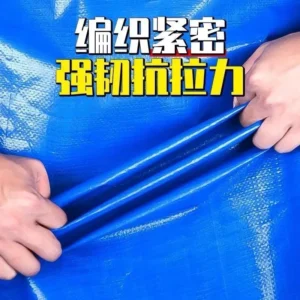
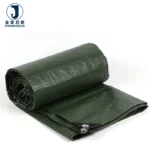
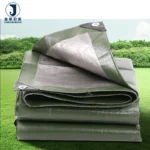
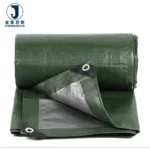
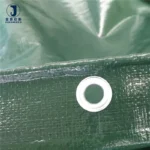
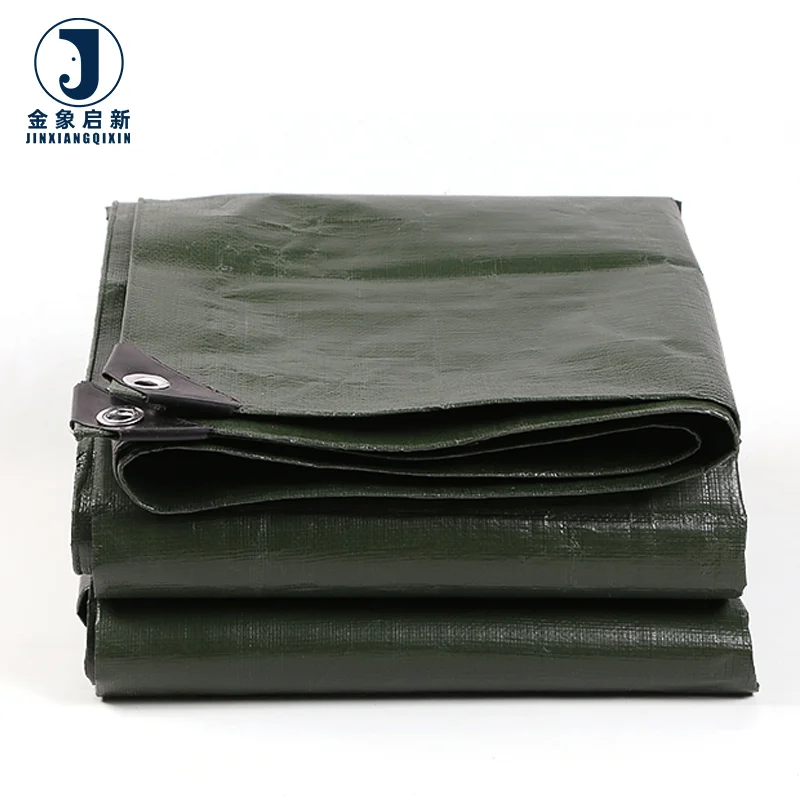
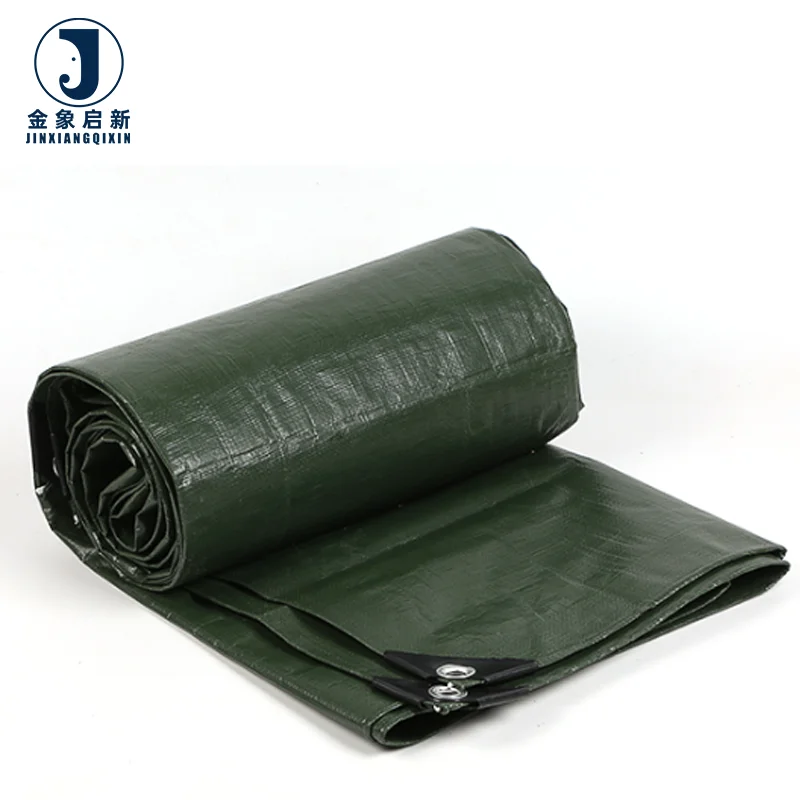
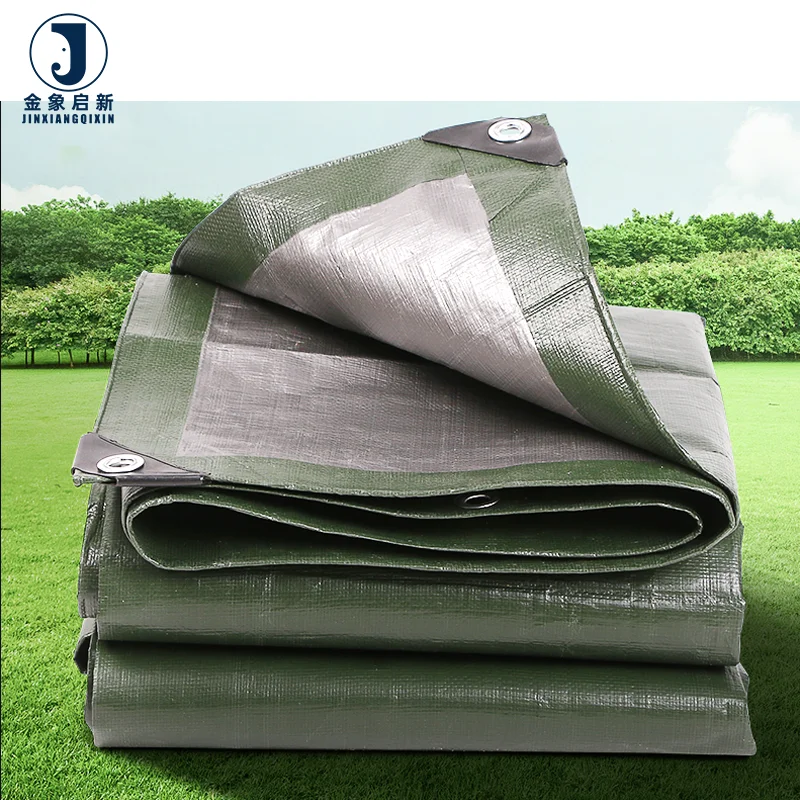
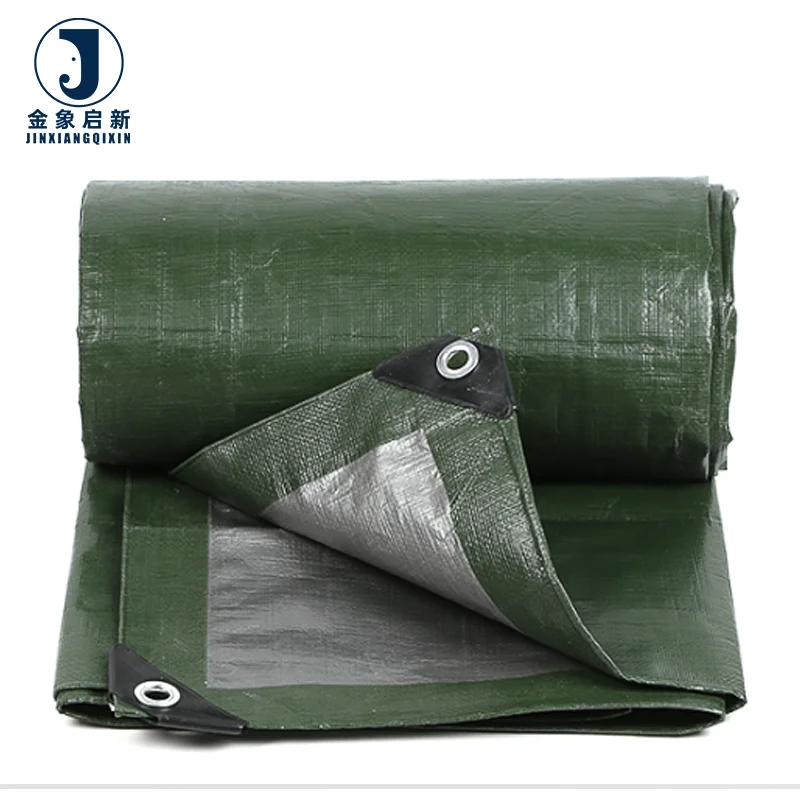
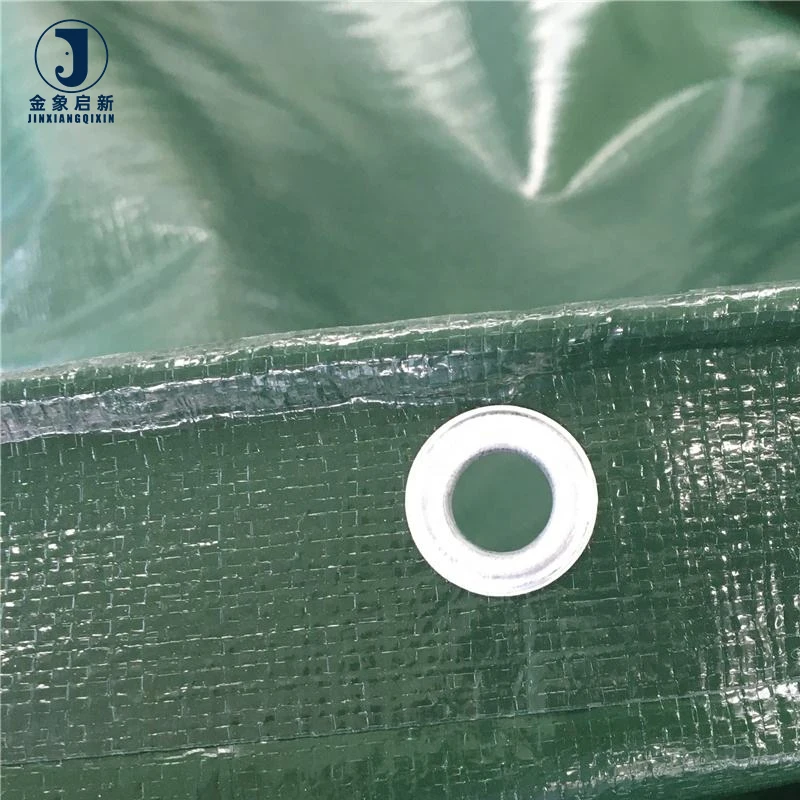
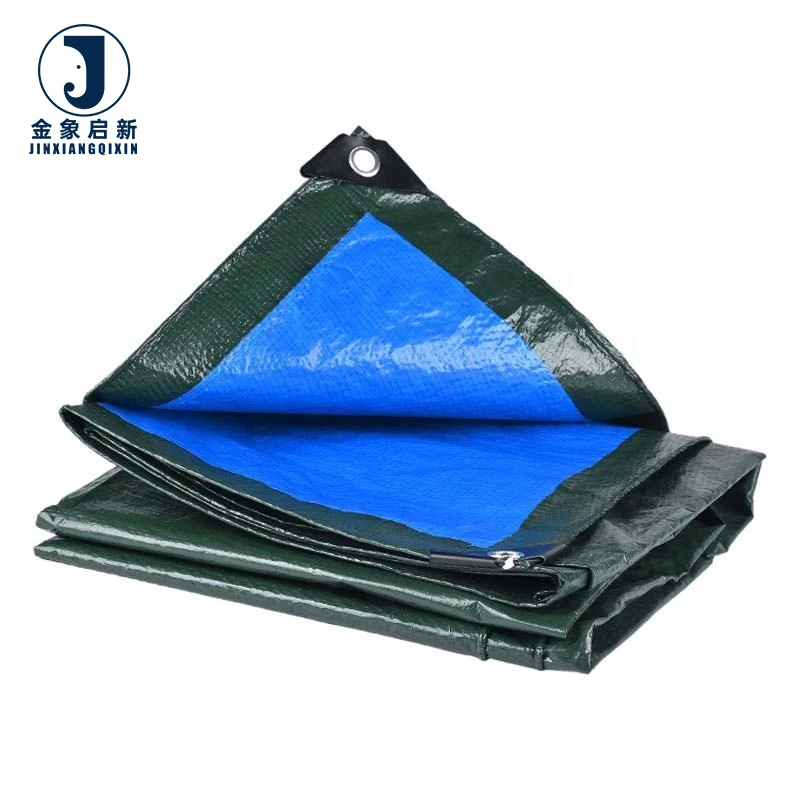
Technical Compliance Built In — Fire retardant and anti-UV documentation supplied with every PE tarpaulin shipment, verified through in-process QA and 100% pre-shipment inspection across all heavy-duty mil grades.
Technical Specifications
| Parameter | Value |
|---|---|
| Product Type | PE Tarpaulin |
| Thickness Options | 5 / 10 / 12 / 16 / 20 Mil |
| Coating Material | PE (Polyethylene) |
| Fire Retardant | Available in flame retardant grades — confirm the grade required for your market |
| Anti-UV | Available with UV stabilisation — confirm test basis required for your region |
| Waterproof | Yes |
| Windproof | Yes |
| Mildew-Proof | Yes |
| Abrasion-Resistant | Yes |
| Key Features | Waterproof, mildew-proof, abrasion-resistant, windproof construction |
Application Suitability
| Application | Exposure & Requirement |
|---|---|
| Mining and tunnelling site covers | Continuous moisture, rock dust abrasion, fire retardant compliance mandated on-site |
| Aviation and industrial temporary enclosures | Flame protection specifications, wind loading, frequent repositioning |
| Vehicle and equipment covers | Road salt, UV exposure, tie-down friction at contact points |
| Cargo and stockpile protection | Prolonged outdoor weathering, handling abrasion, mildew risk in humid storage |
| Specialist membrane structures | Tension loads, UV degradation, fire classification for temporary builds |
What "Fire Retardant" Means Without a Grade Behind It
A Fire Retardant PE Tarpaulin certified to a recognised standard is the difference between passing a site audit and halting an entire project.
Procurement teams regularly receive tarpaulins labelled "fire retardant" on the invoice, only to discover on arrival that no test report accompanies the shipment. Mining sites, aviation facilities, and public event venues each enforce distinct fire classification requirements — NFPA 701, DIN 4102, M2, or B1 — and a generic claim satisfies none of them [NEED_CITE: DIN 4102 fire classification for building materials]. When the documentation gap surfaces during a site inspection, the material is rejected, the installation timeline slips, and the buyer faces emergency re-ordering at premium freight costs. We state the applicable test standard on the specification sheet and include the corresponding test report before dispatch.
Matching Thickness to Duty Level on Technical Sites
Selecting the correct mil thickness for a Fire Retardant PE Tarpaulin certified application depends on mechanical stress rather than weather alone. A 5 Mil grade serves short-term equipment wrapping and light cargo shielding where handling is minimal and exposure measured in weeks. Moving to 12 or 16 Mil introduces the puncture resistance needed when covers are dragged over rough ground, loaded with tie-down straps, or subjected to wind-driven debris on open sites.
How Coating Consistency Affects On-Site Performance
Thickness alone does not guarantee uniform protection across the roll. Coating weight variation between production runs creates thin spots that become failure points under UV exposure or mechanical abrasion [NEED_CITE: tensile and tear test methods for coated fabrics per ISO 1421]. Our production control monitors coating application at each stage across the 5 through 20 Mil range, maintaining batch-to-batch consistency so that a 16 Mil sheet ordered in March performs identically to one ordered in September. This matters for long-term site installations where covers from different batches are deployed side by side.
Reading the Mil Rating Against Actual Site Demands
The mil thickness of a PE tarpaulin governs its tear propagation resistance and its ability to withstand repeated folding and deployment. A 20 Mil sheet provides the mass needed for heavy-equipment covers that are removed and replaced daily, resisting edge tearing at grommet and tie-down points. Thinner grades in the 5 and 10 Mil range remain appropriate for static applications such as stockpile covers or single-season crop protection, where the material is laid once and left in place. Understanding this spectrum prevents over-specifying for cost-sensitive projects and under-specifying for high-wear environments. Mildew-proof treatment across the range ensures that covers stored damp between deployments do not degrade before their next use.
The Cost of Accepting Unverified Treatment Claims
When fire retardant or anti-UV treatment is claimed without documentation, the buyer absorbs the entire compliance risk. A tarpaulin that fails a flame spread test after installation must be stripped and replaced, often under emergency procurement timelines [NEED_CITE: NFPA 701 standard methods of fire tests for flame propagation of textiles and films]. Anti-UV claims without a stated test basis mean the material may embrittle and crack within a single season of full sun exposure, turning a planned multi-year installation into an unplanned recurring purchase. Specifying the required grade and demanding the test report upfront eliminates both failure modes.
Why Technical Buyers Source PE Tarpaulin Here
Our production lines maintain tight control over polyethylene coating weight, ensuring the stated mil thickness is what arrives on site — not a lighter alternative substituted to reduce material cost. The 10-person R&D team develops custom dimensions and treatment combinations, providing sample rolls for verification before bulk production begins.
Every Fire Retardant PE Tarpaulin certified order undergoes 100% pre-shipment inspection with individual roll checks against the specification sheet, catching coating inconsistencies before they reach your dock. Documentation packages ship with each consignment, eliminating the back-and-forth that delays site compliance sign-off. Samples for custom fire retardant grades and thickness combinations are developed within days, allowing procurement teams to validate material behaviour against their specific audit requirements before committing to volume.
Documentation & Verification
- Material specification sheet stating mil thickness, coating type, and treatment grade for each roll
- Fire retardant test report issued against the applicable standard requested at order stage
- Anti-UV treatment confirmation with stated test basis and exposure parameters
- Pre-shipment inspection record covering coating consistency and dimensional accuracy
- Certificate of origin and customs documentation for cross-border procurement
Fabrication, Handling & Storage
- Heat-weld PE seams at temperatures matched to the specific mil thickness for full bond strength
- Reinforce tie-down contact points with additional PE patches on 16 and 20 Mil grades to prevent tear propagation
- Store rolls horizontally on pallets to avoid permanent creasing that weakens the coating structure
- Allow cold-stored sheets to reach ambient temperature before unfolding to prevent coating crack
- Use mild detergent for cleaning; avoid solvent-based agents that degrade the polyethylene surface
- Cut panels with allowance for thermal expansion on large outdoor membrane installations
Preparing Your Enquiry for Technical PE Tarpaulin Supply
To move from specification to sample, provide the intended application environment and any fire classification your site or local authority mandates. State the mil thickness range under consideration, the required roll dimensions, and whether you need flat sheets or finished covers with fabricated edges. If your project demands a specific fire retardant grade such as NFPA 701 or DIN 4102 B1, name it in the initial enquiry so the correct test documentation is prepared alongside the quotation.
Frequently Asked Questions
Q: What fire retardant grade does this PE tarpaulin carry, and does it meet my local site requirements?
A: Fire retardant treatment is available across the 5–20 Mil range, with the specific grade confirmed against your market requirement — whether NFPA 701, DIN 4102, M2, or B1. State your required standard at enquiry stage, and we supply the corresponding test report with your shipment documentation package.
Q: How is the anti-UV treatment tested, and what documentation supports the claim?
A: Anti-UV stabilisation is applied during production and confirmed through testing appropriate to your regional exposure requirements. We provide a written confirmation stating the test basis used, so your compliance team can verify the material against local outdoor exposure standards before installation begins.
Q: Which mil thickness is appropriate for my application and exposure conditions?
A: Lighter 5 and 10 Mil grades suit static stockpile covers and seasonal protection. The 12–16 Mil range handles daily deployment, tie-down abrasion, and wind-driven site conditions. The 20 Mil grade is specified for heavy-equipment covers and tension-loaded membrane structures where puncture and tear resistance are critical.
Q: Can you supply a material specification sheet and test report before shipment?
A: Every order ships with a material specification sheet confirming mil thickness and treatment details, plus the applicable fire retardant test report and pre-shipment inspection record. This documentation package arrives with your consignment, ready for site compliance review.
Q: What is the minimum order for a custom size or specific fire retardant grade?
A: Custom dimensions and specific fire retardant grades are available with minimums that vary by thickness and treatment combination. Request a quotation with your required size, mil grade, and fire classification, and we will confirm the production minimum alongside lead time and sample availability.