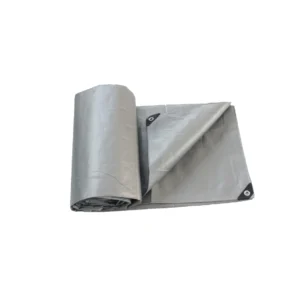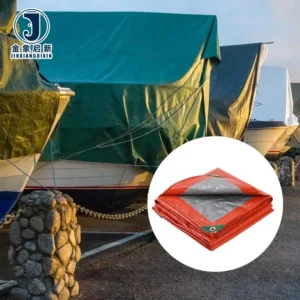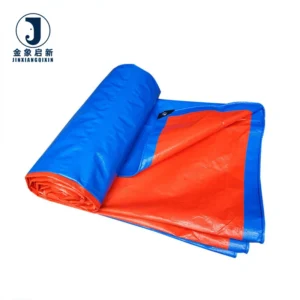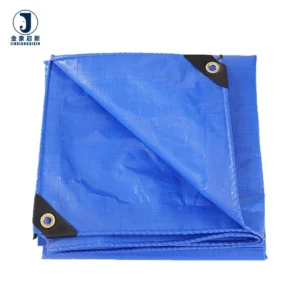
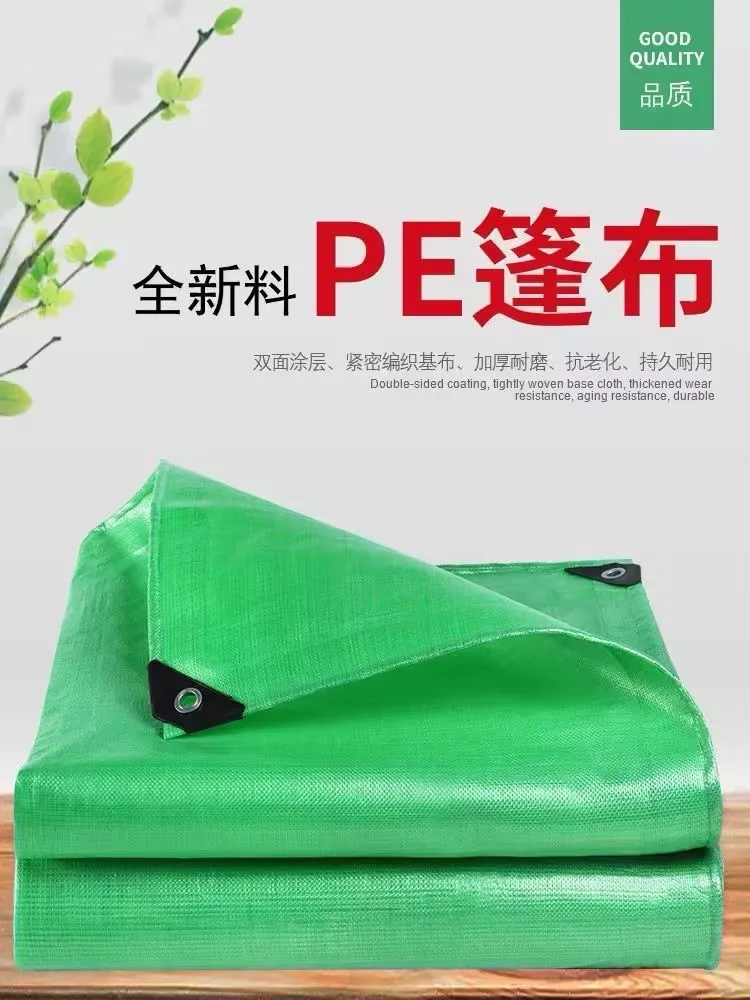
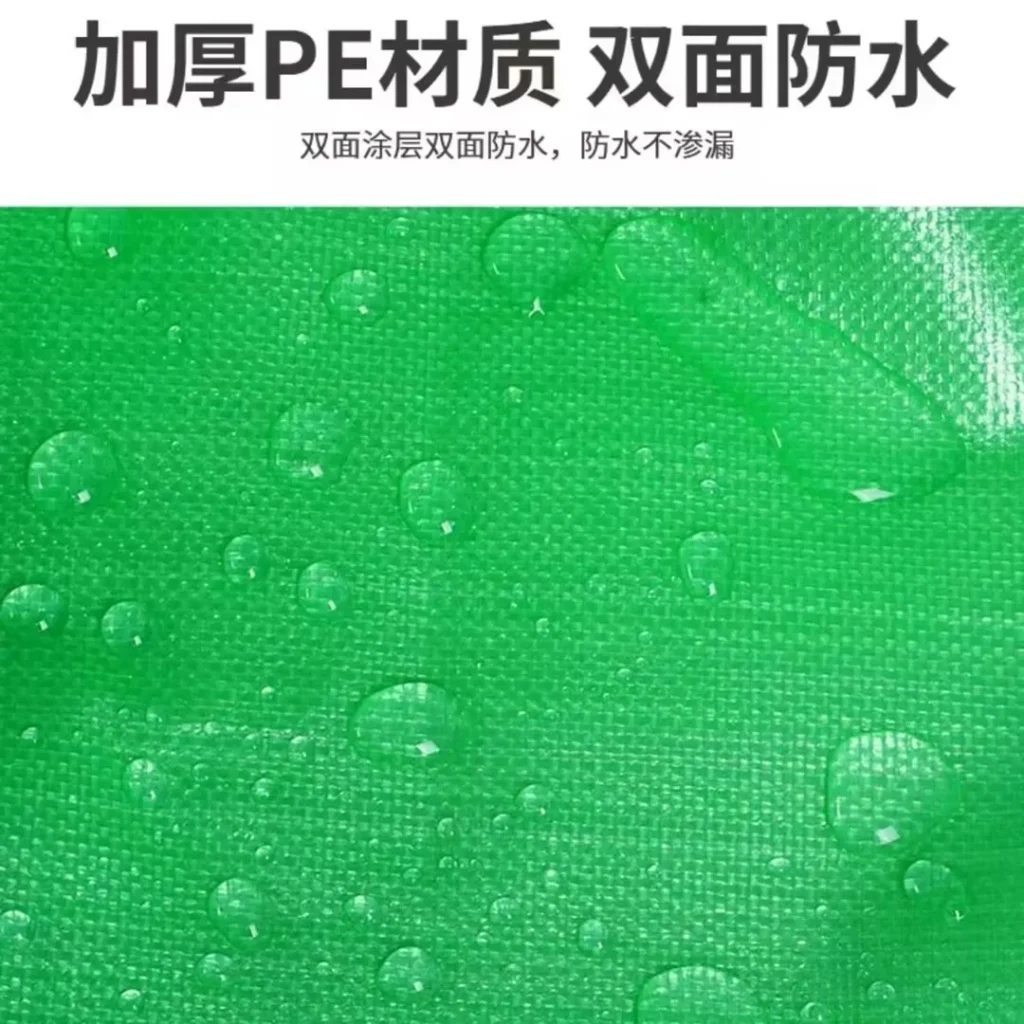
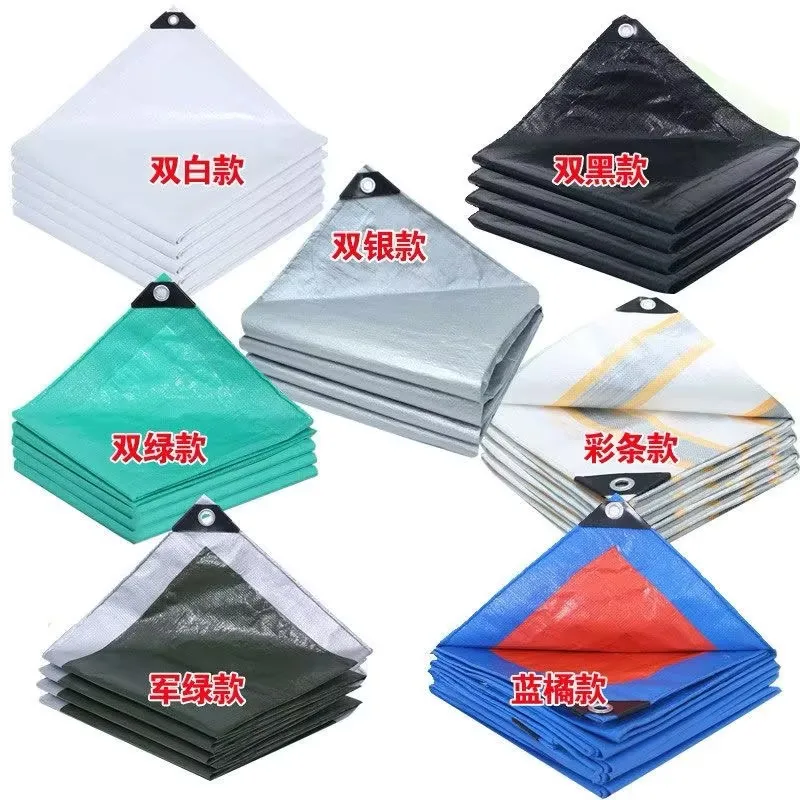
Coating Process Mastery — Nearly 30 years focused on coated fabric gives us deep control over coating weight and adhesion, applied here to PE tarpaulin with consistent medium-weight coverage verified before shipment.
Technical Specifications
| Parameter | Value |
|---|---|
| Product Type | PE Tarpaulin |
| Coating Material | Polyethylene (PE) |
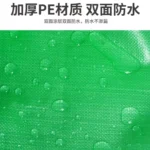
| Waterproof Rating | Waterproof / Rainproof |
| UV Treatment | Anti-UV (test basis not stated) |
| Weight Grade | Medium Weight (exact GSM not stated) |
| Application Type | Outdoor Awning Shade Cover |
Application Suitability
| Application | Exposure & Requirement |
|---|---|
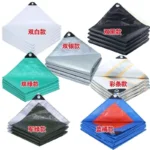
| Temporary site shade structures | Direct sun exposure, wind loading, need for rapid deployment and tear-down |
| Awning and canopy fabric | Tension stress at mounting points, prolonged UV exposure, rain runoff |
| Equipment covers in laydown yards | Abrasion from wind-blown debris, moisture ingress, frequent handling |
| Construction material protection | Heavy rain, ground moisture, stacking load on covered materials |
Why PE Tarpaulin Buyers Get Caught on Unverified UV Claims
Anti-UV treatment means nothing unless the test method behind it matches your installation environment.
PE tarpaulin for ventilation and specialist structures often carries an anti-UV label on the quotation, yet the shipment arrives with no test report and no stated exposure timeline. Buyers source medium weight covers expecting multi-season outdoor service, only to see surface chalking and embrittlement within months when the UV stabiliser package was never specified for their latitude or altitude. The gap between a verbal claim and a documented test basis is where warranty disputes originate. [NEED_CITE: ISO 4892 methods for UV exposure testing of plastics and coated fabrics]
Coating Uniformity Across the Roll Width
Medium weight PE tarpaulin depends on even coating distribution to maintain waterproof integrity across the full installed width. Variations in coating thickness create thin spots where water penetration begins, particularly at fold lines and tension points on awning frames. Our production lines use controlled extrusion and lamination parameters to maintain consistent PE layer thickness from edge to edge, which is checked during in-process QA at intervals through each production run.
Balancing Flexibility with Tensile Demand on Shade Structures
Shade covers and awning installations place the fabric under sustained tension, requiring enough tensile strength to resist creep at mounting points while remaining flexible enough to fold and transport without cracking the coating. The medium weight grade in this PE tarpaulin range sits in the band where handling ease for installation crews meets the tensile demand of tensioned structures. For projects in high-wind zones or with large unsupported spans, confirm the GSM and base fabric denier against your structural engineer’s load calculation before placing the order. [NEED_CITE: tensile test methods for coated fabrics per ISO 1421]
Reading the Specs That Actually Determine Field Performance
The waterproof rating on a PE tarpaulin data sheet tells you the coating resists liquid water penetration, but field durability depends on three interacting factors that spec sheets rarely connect. Coating material type determines chemical resistance to environmental contaminants such as bird droppings, tree sap, and industrial fallout that can degrade PE over time. Weight grade correlates with puncture resistance and overall handling weight — a heavier grade resists sharp-edge damage during installation but adds load to support structures. UV treatment formulation determines whether the fabric survives direct sun through the intended service period, and this must be matched to the geographic location and orientation of the installation. Request the material specification sheet and confirm which UV stabiliser system is used before finalising your order.
The Hidden Cost of Specifying on Price Alone
When a medium weight PE tarpaulin arrives on site lighter than the GSM stated on the quotation, the immediate consequence is reduced puncture resistance during installation and handling. The longer-term consequence shows up when wind loading exceeds what the lighter base fabric can sustain, causing tears to propagate from eyelet points or seam lines. Buyers who accept the lowest quotation without verifying coating weight on arrival often face replacement costs and project delays that far exceed the initial saving per square metre. Colour inconsistency between rolls from the same order forces fabricators to sort and match panels before cutting, adding labour time and material waste. [NEED_CITE: common causes of coated fabric failure in outdoor installations]
Why Sourcing PE Tarpaulin Here Reduces Verification Risk
Deep process control over coating weight and adhesion means the GSM stated on your quotation is the GSM that arrives, verified through dedicated QA at every production stage. Three full production lines with 36 sets of equipment support bulk roll orders with consistent coating quality across the entire batch. A 10-person R&D team handles custom width, colour matching, and sample development, producing samples within days so you can test fit and performance before committing to full production volume. Every roll undergoes 100 percent inspection before shipment, with results documented in the pre-shipment inspection record you receive before dispatch.
Documentation & Verification
- Material specification sheet stating GSM, base fabric denier, and PE coating type for this PE tarpaulin batch
- UV treatment test report confirming stabiliser basis and exposure methodology where applicable
- Pre-shipment inspection record verifying coating weight and visual quality per roll
- ISO and CE certificates accompanying the shipment documentation package
- Roll packing list with individual roll weights and dimensions for receiving verification
Fabrication, Handling & Storage
- Heat sealing temperature must match PE coating melting range to avoid seam delamination on this medium weight fabric
- Store rolls horizontally on pallets to prevent flat spots and coating crease marks before fabrication
- Cut panels with sharp blades to avoid fraying the base fabric at edges before hemming
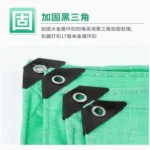
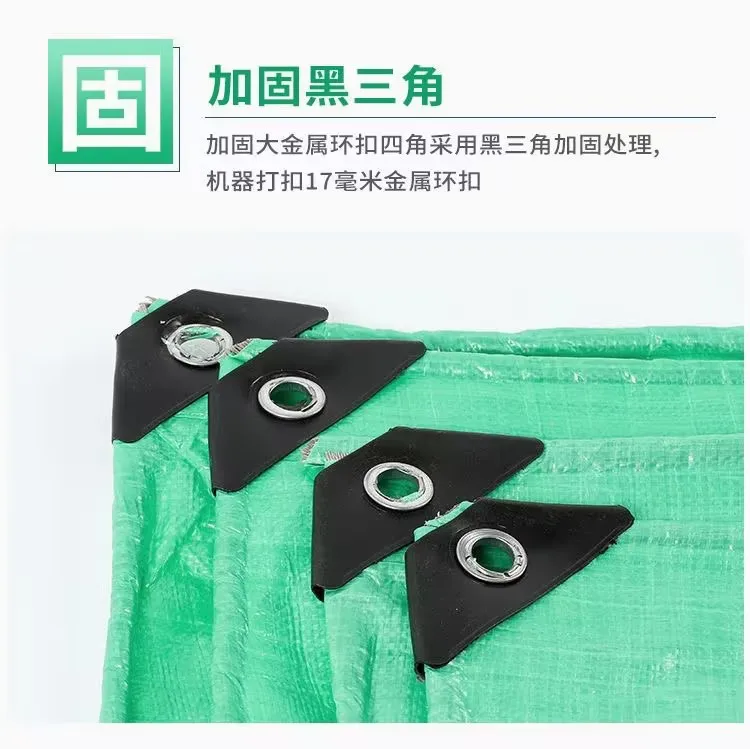
- Use wide reinforcement tape at eyelet and hem points to distribute tension load across the PE coating surface
- Clean with mild detergent only; solvents can degrade the PE coating layer and compromise waterproof integrity
- Allow fabric to reach ambient temperature before unrolling in cold conditions to prevent coating cracking
Before You Request a Quote
Provide your project application, expected exposure conditions including wind zone and UV intensity, and the dimensions or roll quantities you require. Confirm whether you need the PE tarpaulin supplied as finished cut sizes with hem and eyelet reinforcement or as roll stock for your own fabrication. State any colour requirements and whether batch colour consistency across multiple rolls is critical for side-by-side installation. If your project has specific fire compliance or UV performance documentation requirements, specify the test standard your local authority demands so we can confirm feasibility before quoting.
Frequently Asked Questions
Q: How is the anti-UV treatment on this PE tarpaulin verified and what documentation comes with it?
A: Anti-UV treatment is applied during coating, but the specific test basis must be confirmed per order. Request the material specification sheet and UV test report with your inquiry so we can match the stabiliser formulation to your geographic exposure conditions and provide documentation your project requires.
Q: What GSM verification process ensures the PE tarpaulin I receive matches the quotation?
A: Every roll is inspected against the stated GSM before dispatch, with results recorded in the pre-shipment inspection report. Upon arrival, you can verify coating weight by cutting a measured sample and weighing it against the specification sheet provided with your shipment.
Q: Can custom widths and lengths be supplied to reduce waste on my awning project?
A: Custom width and length options are available to match your structure dimensions and reduce on-site cutting. Provide your panel dimensions and quantity, and our R&D team will confirm feasible roll widths and produce a sample for your approval before full production begins.
Q: How is colour consistency maintained when ordering multiple PE tarpaulin rolls for the same project?
A: Colour consistency is controlled through batch-level pigment dosing and verified during the pre-shipment inspection. Rolls destined for side-by-side installation are flagged in the production order so visual comparison is completed before dispatch, and any roll outside tolerance is replaced before packing.
Q: Should PE tarpaulin seams be thermally welded or sewn for awning installations?
A: Thermal welding creates a waterproof seam that maintains the PE coating integrity without needle holes. Sewing introduces perforation points that require additional seam sealing tape. Your fabrication method should be confirmed against the tension load and waterproof requirement of your specific awning design.