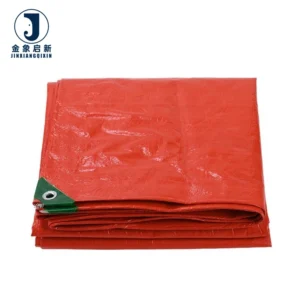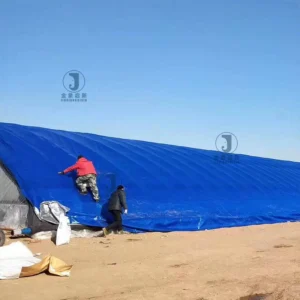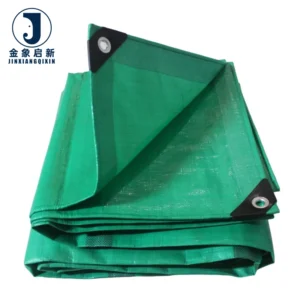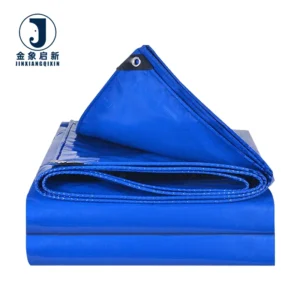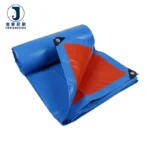
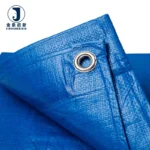


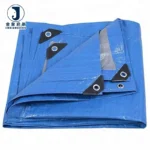
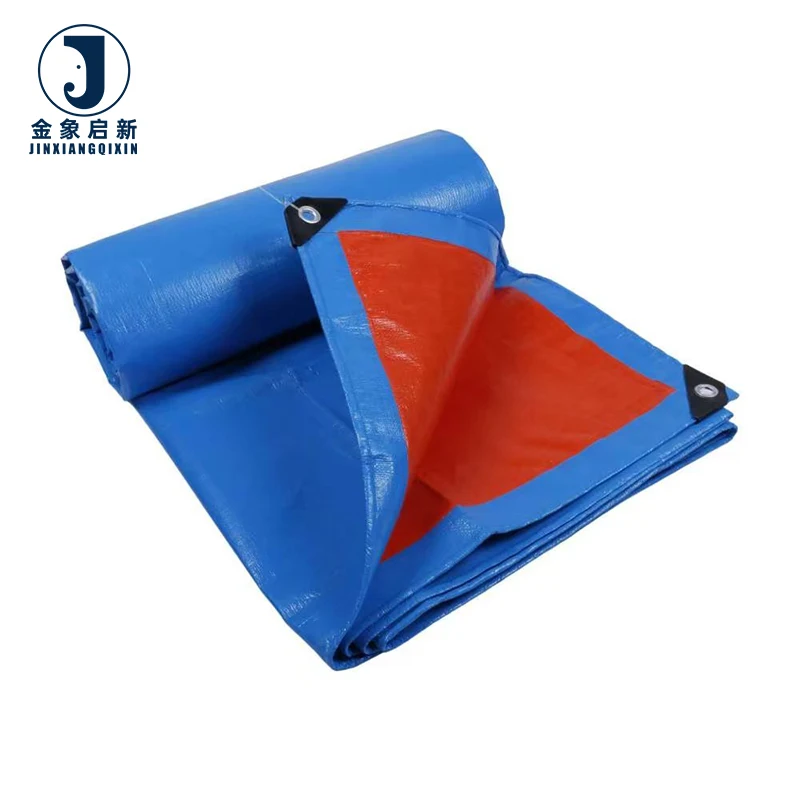
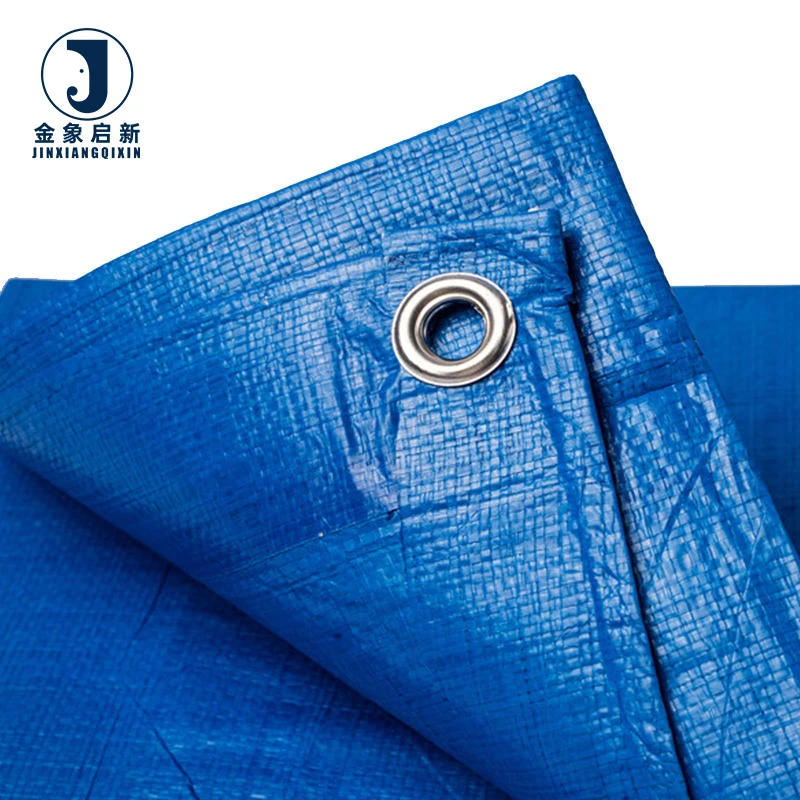
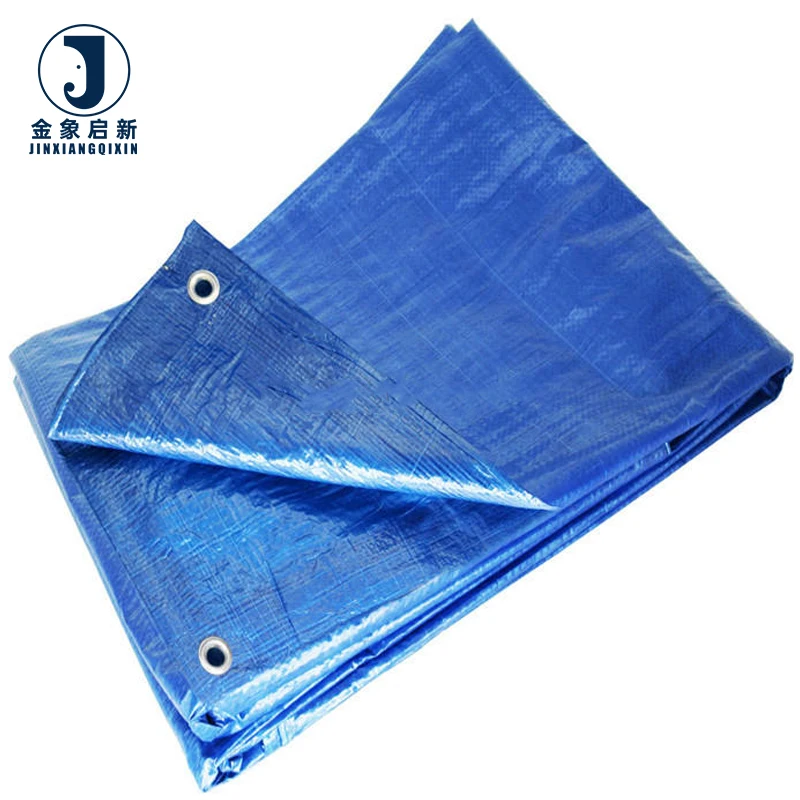
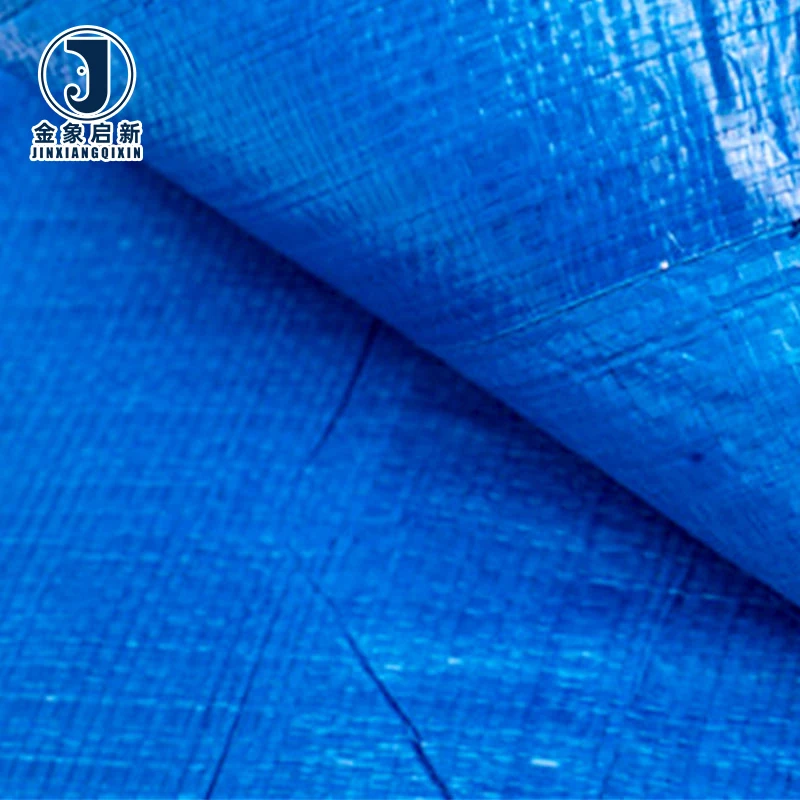
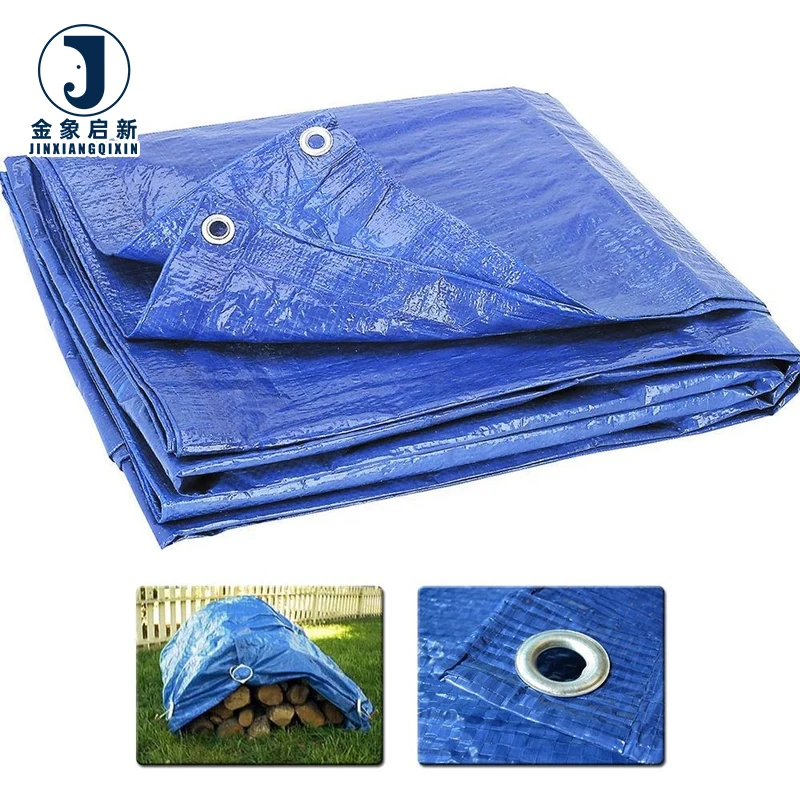
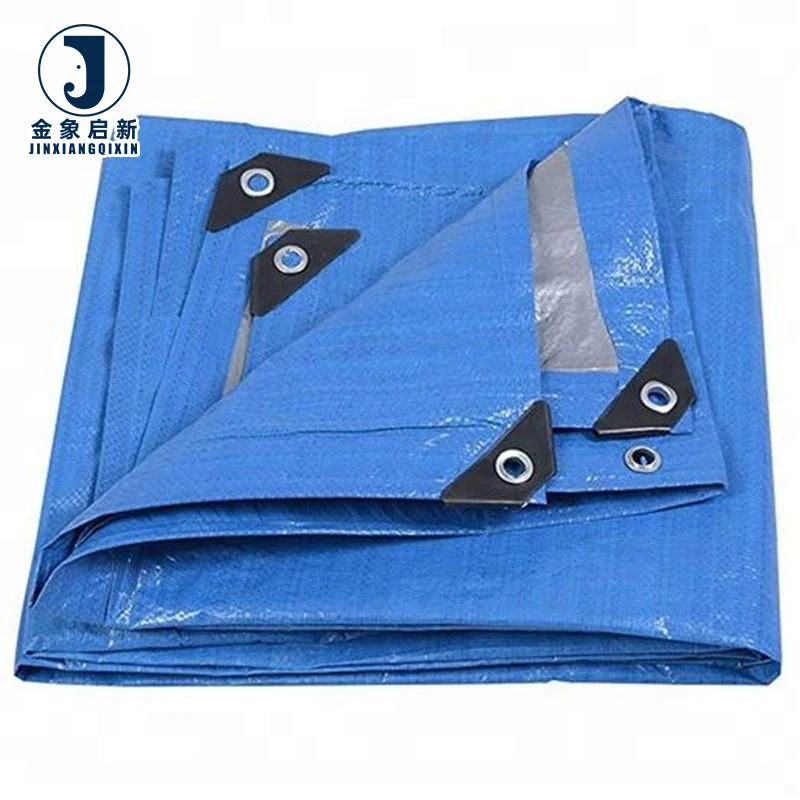
Industrial Ventilation Fabric — PE tarpaulin engineered for mining and tunnelling duct applications, backed by 30 years of coated fabric process control and fire-retardant documentation on request.
Technical Specifications
| Parameter | Value |
|---|---|
| Product Type | PE Tarpaulin |
| Coating Material | PE (woven coated) |
| Construction | HDPE woven base with PE coating |
| Finish | Plain woven |
| Waterproof | Yes |
| UV Treatment | Anti-UV (test basis not stated in source — confirm grade required for your market) |
| Mildew Resistance | Yes |
| Flame Retardant | Available in fireproof grades — confirm the grade required for your market |
| Color | Customizable |
| Size | Customizable |
| Eyelet Options | Available on request |
Application Suitability
| Application | Exposure & Requirement |
|---|---|
| Mining ventilation duct | Continuous airflow pressure, underground humidity, fire-retardant compliance mandatory |
| Tunnelling exhaust ducting | Particulate abrasion, confined-space safety codes, anti-static surface requirements |
| Aviation ground support covers | Static dissipation, outdoor UV exposure, fuel and chemical splash contact |
| Temporary industrial enclosures | Wind load, rain ingress, rapid deployment and teardown cycles |
| Specialist membrane structures | Dimensional stability under tension, long-term weathering, seam integrity |
Why PE Tarpaulin Fire Retardant Claims Fail at Site Inspection
A fabric labelled "fire retardant" without a named test standard is a compliance gap waiting to be found.
Mining and tunnelling contractors specify PE tarpaulin fire retardant fabric for ventilation ductwork because site safety officers demand documentation, not marketing language. When the test report does not match the standard referenced in the project specification, the entire duct run can be rejected at commissioning. [NEED_CITE: fire classification standards for ventilation materials in underground mining operations] I have seen contractors forced to strip and replace installed ducting because the supplier shipped material certified to a building-textile standard rather than the mining-specific flame-spread requirement. The cost of reinstallation and project delay dwarfs the original fabric purchase.
Coating Adhesion and Duct Fabrication Behaviour
The woven coated PE construction provides dimensional stability when the fabric is cut, folded, and heat-welded into rectangular or circular duct sections. PE tarpaulin roll stock used for ventilation ducting must hold a consistent weld bead without delamination at the coating-to-base-fabric interface. When coating adhesion is uneven, the weld line peels under the positive and negative pressure cycles of forced-air ventilation, creating leaks that reduce airflow at the working face.
Anti-Static Performance in Confined Environments
Underground ventilation environments generate static charge through high-velocity particulate-laden airflow across the duct inner surface. Anti-static treatment must be measurable in surface resistivity and documented against the standard your site safety plan references. PE tarpaulin for mining duct applications without verified anti-static data introduces an ignition risk in gassy atmospheres. [NEED_CITE: anti-static surface resistivity testing methods for industrial ventilation fabrics] Request the test method and measured value before confirming your order, rather than relying on a supplier declaration alone.
Reading the Specification Sheet Beyond Coating Weight
GSM alone tells you how much material is on the roll, not how the fabric will behave under duct inflation pressure. The HDPE woven base denier and the weave density together determine tensile and tear performance — a heavier coating over a loosely woven base can yield a high GSM reading while the fabric tears easily along the warp or weft. Coating method matters equally: woven coated PE fabric produced through lamination will separate at the weld seam under repeated flex cycles, while a coating applied by direct extrusion bonds more thoroughly to the base yarns. The plain weave construction in this PE tarpaulin is intended to give a balance between foldability for duct fabrication and in-service stiffness. UV treatment claims should always be verified against a third-party test report that names the exposure standard and measured retention values.
What Happens When the Wrong Grade Ships to Site
Supplying PE tarpaulin without the fire-retardant grade your project specification demands means the ducting fails its pre-commissioning inspection and the contractor absorbs the replacement and reinstallation cost. Colour variation between rolls in a single shipment becomes visible once panels are joined side by side on a temporary enclosure, triggering a rejection that delays the entire project timeline. [NEED_CITE: batch colour consistency tolerance for coated fabric used in visible architectural applications] When the UV treatment is claimed on the quotation but no test result accompanies the shipment, the fabric degrades faster than expected and warranty claims become disputes.
Why Source This PE Tarpaulin Through Jinan Jinxiang
Nearly 30 years of coated fabric production gives us process control over coating weight, adhesion, and batch consistency that newer lines cannot match. Three full production lines and 36 sets of professional equipment support the volume and on-time delivery that mining and tunnelling projects demand when duct replacement is urgent. A 10-person R&D team handles custom width, colour matching, and sample development for your duct fabrication or enclosure specification. Dedicated QA/QC at every production stage with full pre-shipment inspection ensures the PE tarpaulin you approved at sample stage is the material that arrives on site. Samples for custom requirements are developed within days so you can validate weld parameters and colour before committing to bulk production.
Documentation & Verification
- Material specification sheet stating PE coating type, HDPE base fabric, and treatment claims
- Test report for flame-retardant grade or anti-static surface resistance where applicable
- Pre-shipment inspection record covering weight verification, colour check, and dimensional accuracy
- ISO and CE certificates included with every international shipment
- Certificate of origin and full customs documentation for cross-border dispatch
Fabrication, Handling & Storage
- Heat-weld parameters must be tested on each PE tarpaulin roll before production welding begins
- Custom widths reduce the number of longitudinal weld seams in rectangular duct sections
- Store rolls upright on pallets to prevent permanent creasing across the woven coated PE surface
- Allow cold-stored rolls to reach ambient temperature before unrolling to avoid coating micro-cracking
- Clean mildew-proof surfaces with mild detergent only — solvents degrade the PE coating bond
What to Include in Your Enquiry
Provide the ventilation duct dimensions, airflow pressure range, and the fire-retardant or anti-static standard your site safety plan references. Confirm whether you need PE tarpaulin in roll form for your own fabrication shop or in pre-cut panels. Specify the roll width, colour, and annual volume so we can align production scheduling with your project timeline.
Frequently Asked Questions
Q: What fire-retardant grade can the PE tarpaulin meet, and which test standard applies?
A: Fire-retardant grades are available across several test frameworks. We supply the specific test report matching the standard your project or site safety plan references. Confirm the required grade and test method at enquiry stage so production can be planned with the correct additive formulation and certification documentation.
Q: How is anti-static performance measured and documented for site compliance?
A: Anti-static performance is documented through surface resistivity testing conducted by a recognised laboratory. We provide the measured value alongside the test method reference so your safety officer can verify compliance. Request this data before order confirmation to ensure alignment with your site requirements.
Q: Can the fabric be supplied in custom widths and roll lengths for duct fabrication?
A: Custom widths and roll lengths are produced on request. Our R&D team develops samples within days so your fabrication shop can validate cutting patterns, weld parameters, and finished duct dimensions before bulk production begins. Specify your required dimensions at enquiry stage.
Q: What pre-shipment inspection records accompany each batch?
A: Every shipment includes a pre-shipment inspection record documenting GSM verification, colour consistency across rolls, dimensional checks, and coating adhesion results. This record is part of the dispatch documentation package alongside the material specification sheet and certificates.
Q: How do I verify UV treatment claims against actual test data?
A: UV treatment is supported by third-party test reports that name the exposure standard and measured retention values. Request the report at enquiry stage so you can compare the data against the outdoor service life your project requires rather than relying on supplier declarations alone.