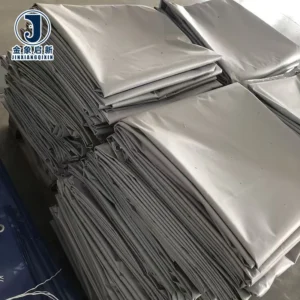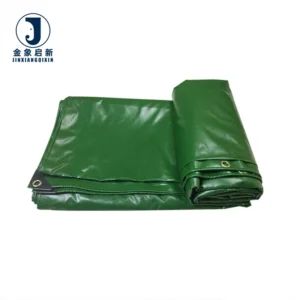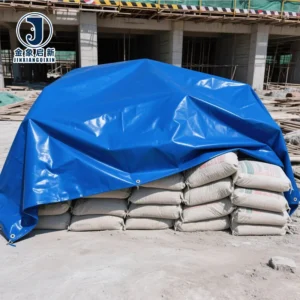



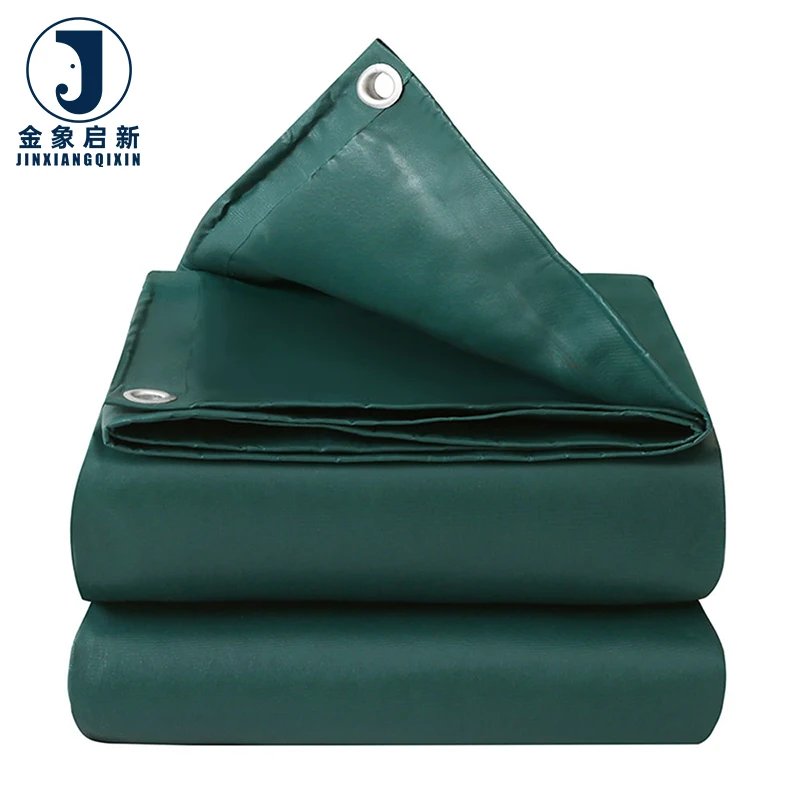
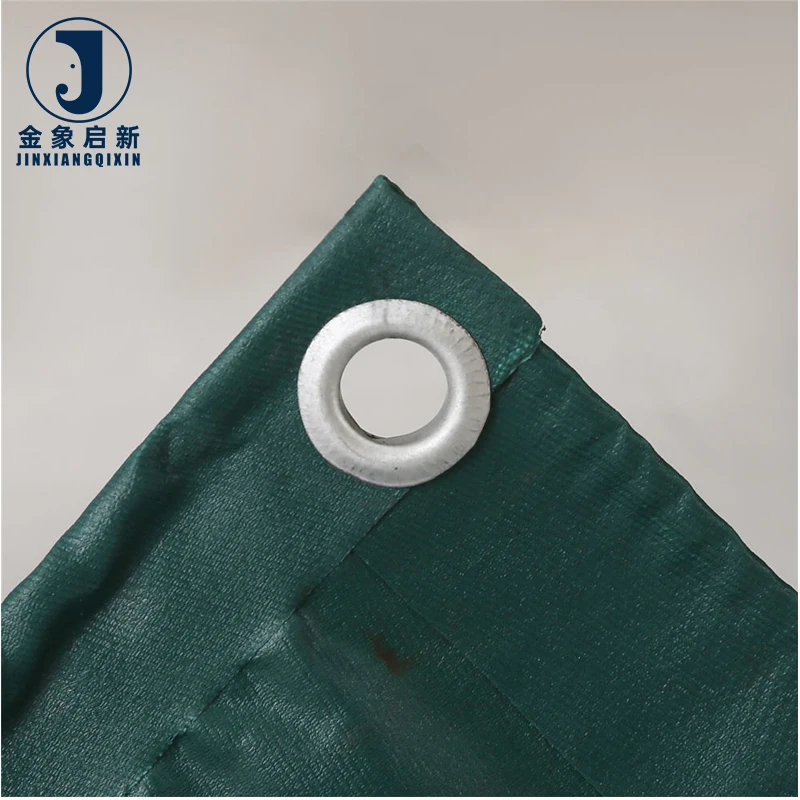

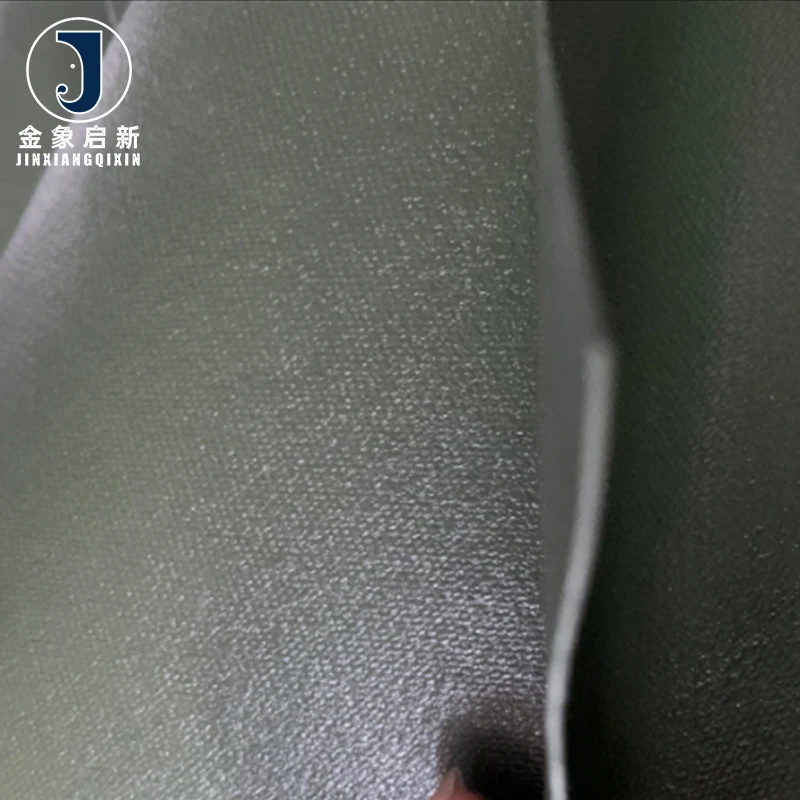
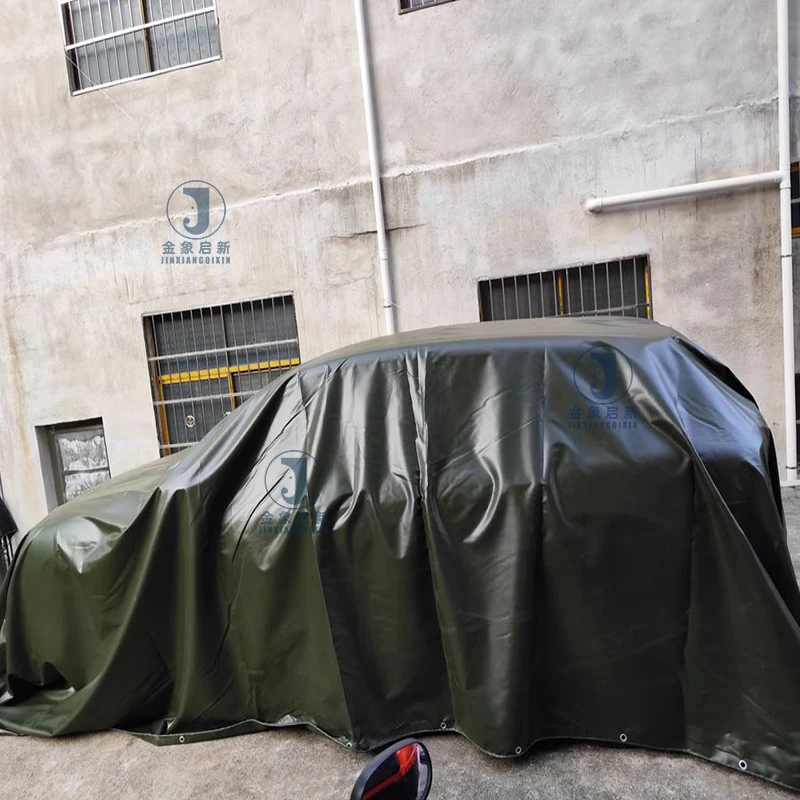
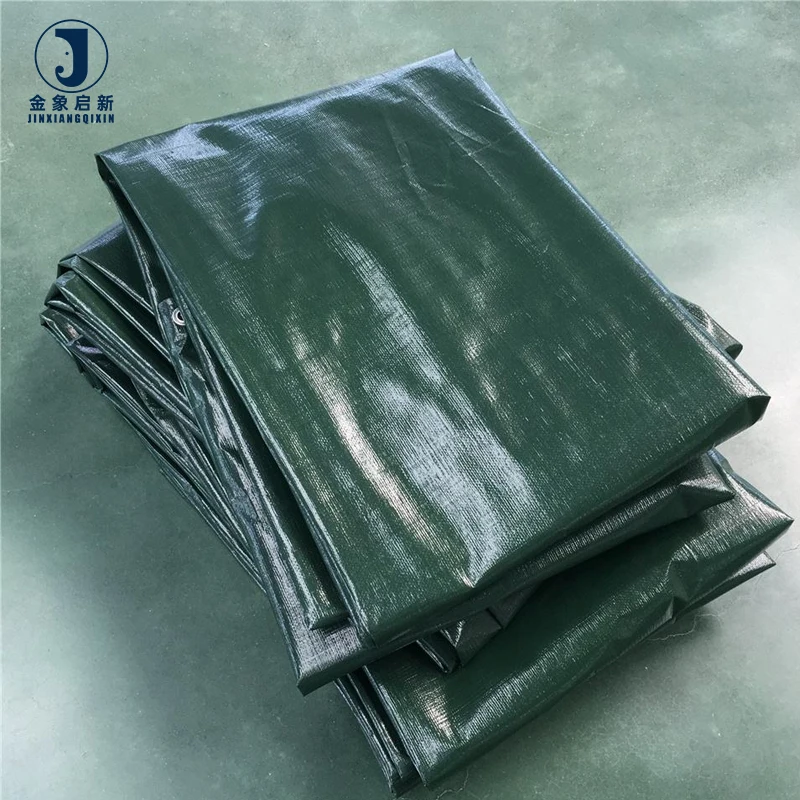
Precision Coating Control — Each roll of PVC Coated Blackout Tarpaulin undergoes stage-by-stage weight and adhesion verification before it leaves the coating line, ensuring the specified GSM and treatment performance are consistent from first meter to last.
Technical Specifications
| Parameter | Value |
|---|---|
| Product Type | PVC Coated Blackout Tarpaulin |
| Base Fabric | High-strength polyester mesh |
| Coating Technology | Laminated & Hot-melt coating |
| Weight Range | 350gsm / 420gsm / 500gsm / 550gsm / 600gsm / 750gsm (confirm grade for your project) |
| Thickness Range | 0.32 mm to 0.65 mm (varies by GSM grade) |
| Roll Dimensions | 2 m × 75 m or 2.1 m × 50 m |
| Colour Options | Blue, Red, Yellow, Light Blue, Grey (custom available) |
| Special Treatments | Flame Retardant, Anti-Static, Anti-cold, Anti-mildew, 3P (grade not stated — confirm requirement) |
| Service Life Expectancy | Suited to extended outdoor exposure under normal conditions |
| Standards | ISO and CE certified production |
Application Suitability
| Application | Exposure & Requirement |
|---|---|
| Mining ventilation duct systems | Continuous airflow pressure, fire-retardant compliance underground, potential contact with rock surfaces |
| Inflatable and membrane structures | Tensioned seams, UV and weather exposure, rapid deployment and repeated folding |
| Aviation temporary shelters | Flame-retardant certification for airfield use, wind uplift on tensioned panels |
| Industrial blackout enclosures | Total light blocking, controlled environment sealing, plant maintenance isolation zones |
| Tunnelling ventilation | High humidity, confined-space fire safety standards, abrasion from duct contact |
Why "Flame Retardant" on the Label Is Not Enough for Site Approval
Specifying PVC Coated Blackout Tarpaulin fire retardant without confirming the exact test standard leaves your fabric vulnerable to rejection at the compliance inspection point.
A site inspector does not ask whether the material is flame retardant in general — they ask for a specific classification. M2, B1, and NFPA 701 represent entirely different test methods, flame spread limits, and afterflame time thresholds. When the test report does not match the regulation your project falls under, the entire installation halts. [NEED_CITE: fire classification standards for temporary structures and ventilation systems vary by jurisdiction]
We have seen entire ventilation duct runs removed from tunnelling projects because the fire-retardant certificate submitted covered a different test method than the one the local authority required. The fabric itself performed adequately in a flame test — but the paperwork did not align with the regulatory framework in force on that specific site. This is not a material failure; it is a specification alignment failure, and it costs time and replacement expense that could have been avoided at the inquiry stage.
Matching the Treatment to the Regulatory Environment
PVC Coated Blackout Tarpaulin for specialist applications is available in multiple treatment grades, but the correct selection starts with the compliance standard, not the material datasheet. Underground mining operations typically mandate specific surface resistivity values for anti-static compliance alongside fire classification. Aviation maintenance shelters operate under their own fire safety frameworks. The fabric can be manufactured with the relevant treatment — the critical step is confirming which test standard your authority having jurisdiction will accept before production begins.
How Laminated Coating Technology Supports Welded Duct Construction
The hot-melt and laminated coating process bonds the PVC layers to the high-strength polyester mesh base under heat and pressure. This adhesion method is directly relevant to duct and membrane fabrication because welded seams depend on the coating’s ability to melt and fuse without delaminating from the base fabric. When adhesion strength is inconsistent, the weld line becomes the failure point under tension or internal duct pressure — a failure that typically shows up after installation, not during factory inspection.
Decoding the GSM, Base Fabric, and Coating Relationship
GSM alone describes total weight per square metre — it does not tell you how that weight is distributed between the polyester mesh and the PVC coating layers. A heavier grade may carry more coating compound rather than a denser base fabric, which changes how the material behaves under tensile load versus tear propagation. For ventilation duct applications, the base fabric denier and weave density govern structural strength under internal air pressure, while coating thickness governs flex life and weld performance. [NEED_CITE: tensile and tear test methods for coated fabrics per ISO 1421] Selecting the right grade requires reviewing both the base fabric specification and the total GSM together, rather than choosing by weight alone.
The Hidden Cost of Underspecifying Treatment Grades
A ventilation duct installed underground without the correct anti-static surface resistance reading faces shutdown the moment a safety audit is conducted. The replacement cost is not limited to new fabric — it includes dismantling, downtime on the tunnelling face, and expedited shipping for the compliant replacement batch. Similarly, a flame-retardant treatment specified at the wrong grade may pass a visual inspection but fail when the test sample is pulled for laboratory verification. These are specification errors, not product defects, and they are entirely preventable by confirming the required standard at the sample stage. [NEED_CITE: site compliance audits for fire and anti-static requirements in underground operations]
Why Technical Buyers Source This Fabric Through Our Process
Three full production lines equipped with 36 professional machines allow parallel runs, so your ventilation duct or membrane fabric order does not wait behind unrelated product batches. The 10-person R&D team develops samples with the specific fire-retardant or anti-static treatment you require, typically within days rather than weeks. Every production stage includes dedicated QA/QC checkpoints, and pre-shipment inspection covers GSM verification, colour consistency, and treatment performance — documented before the rolls are dispatched. This process is designed around the documentation chain that technical and industrial buyers need for site compliance.
Documentation & Verification
- Material specification sheet stating exact GSM, base fabric construction, and coating method for the grade supplied
- Fire-retardant test report referencing the specific classification standard applicable to your project
- Anti-static surface resistance measurement where the treatment grade is specified
- ISO and CE certificates with scope covering coated industrial fabric production
- Pre-shipment inspection record confirming GSM, treatment performance, and roll consistency
- Certificate of origin and customs documentation for international dispatch
Fabrication, Handling & Storage
- Hot-air welding temperature and speed must be matched to the specific GSM grade to avoid delamination at seam lines
- Store rolls horizontally on pallets to prevent permanent creasing in the polyester mesh base layer
- Allow cold-stored rolls to reach ambient temperature before unrolling to prevent coating micro-cracking
- Cut patterns should account for the 2 m or 2.1 m roll width to minimise off-cuts and cross-seams in duct panels
- Clean with mild detergent only — solvent-based cleaners may degrade the PVC coating surface
- Field repairs require compatible PVC weld tape matched to the coating technology used on the original fabric
What to Include in Your Inquiry
Provide the ventilation duct diameter or membrane panel dimensions, the fire-retardant or anti-static standard your site authority requires, and the target annual consumption in linear metres or roll count. If you need finished panels with specific seam configurations rather than roll stock, include fabrication drawings or duct geometry so the sample development phase addresses the correct weld parameters. Colour and width preferences should be stated early, as custom treatments affect production scheduling.
Frequently Asked Questions
Q: How do I match the flame retardant grade to my site requirement?
A: Different jurisdictions require different test standards — M2, B1, and NFPA 701 are not interchangeable. Identify the standard your authority having jurisdiction mandates, then specify that exact classification in your inquiry. We supply a test report matched to that standard so your documentation package passes compliance review without revision or rejection.
Q: What surface resistance values apply for mining ventilation applications?
A: Anti-static requirements in underground environments are typically defined by maximum surface resistivity thresholds set in regional mining safety regulations. Provide the specific resistance value or test standard from your site safety plan, and we will confirm the treatment grade and supply the corresponding measurement report with your shipment documentation.
Q: How should I select roll width for duct circumference optimisation?
A: Available roll widths are 2 m and 2.1 m. Match the width to your duct panel cut pattern to minimise longitudinal seams and material waste. For larger diameter ducts, panel joining is necessary — the laminated coating technology supports strong welded seams, but fewer joins always mean better airflow efficiency and faster fabrication throughput.
Q: What welding parameters work best for this coated fabric?
A: Optimal hot-air welding temperature, pressure, and speed depend on the GSM grade and coating thickness selected. Request a sample piece in your specified grade to conduct weld parameter trials before bulk fabrication begins. Consistent weld strength across the seam depends on matching these variables to the specific coating formulation applied to your batch.
Q: How is delivered GSM verified against the purchase specification?
A: Every production batch goes through pre-shipment inspection where GSM is measured and recorded against the agreed specification. The inspection record accompanies your documentation package, so you have traceable verification of weight compliance before the rolls arrive at your facility for fabrication or installation.