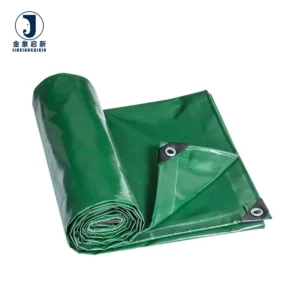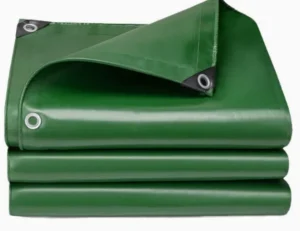
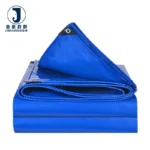
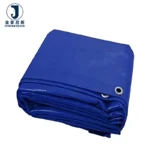
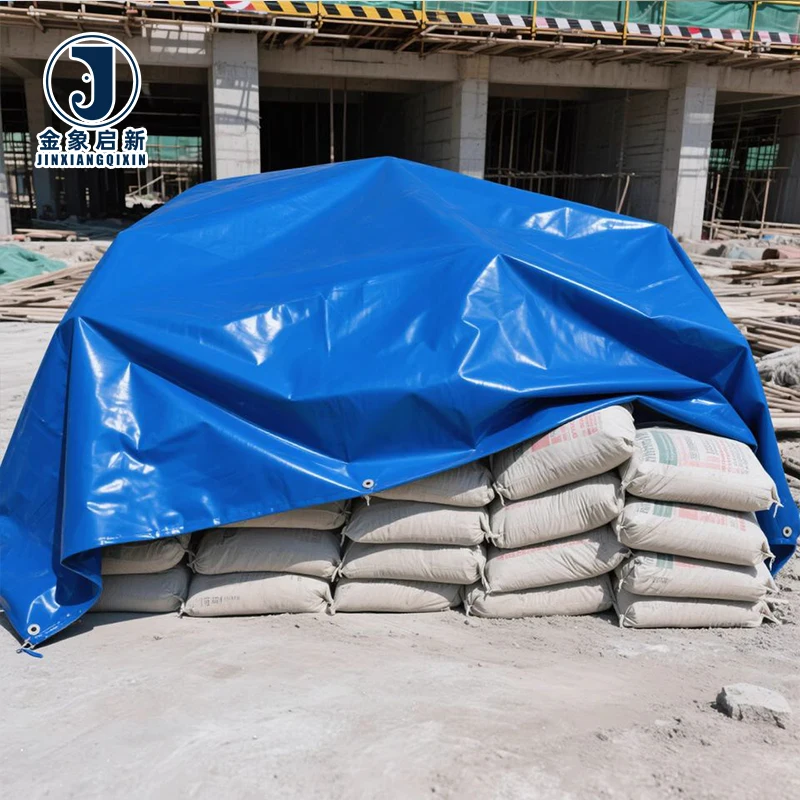
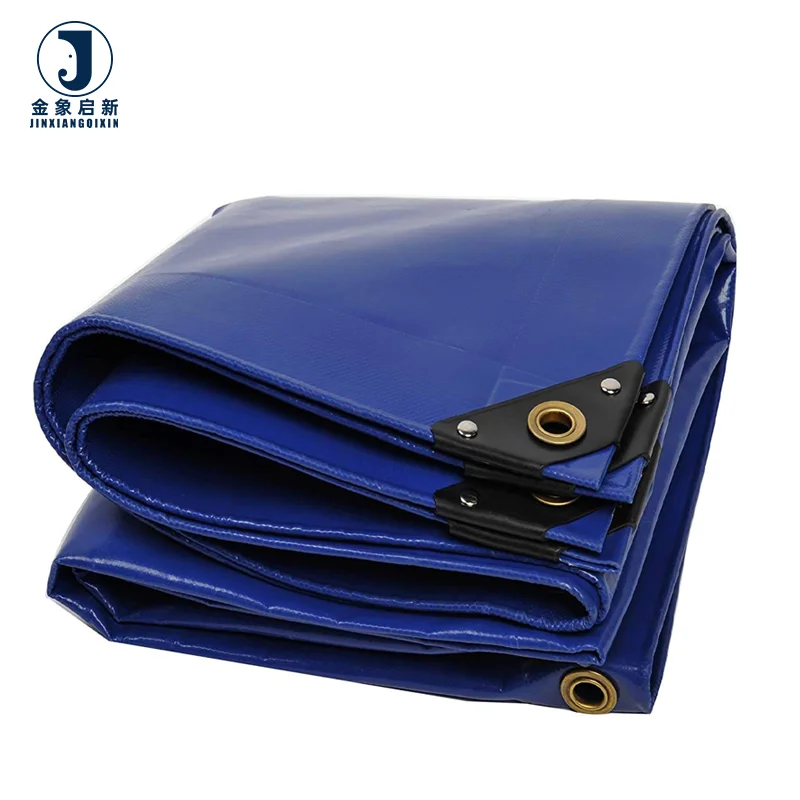
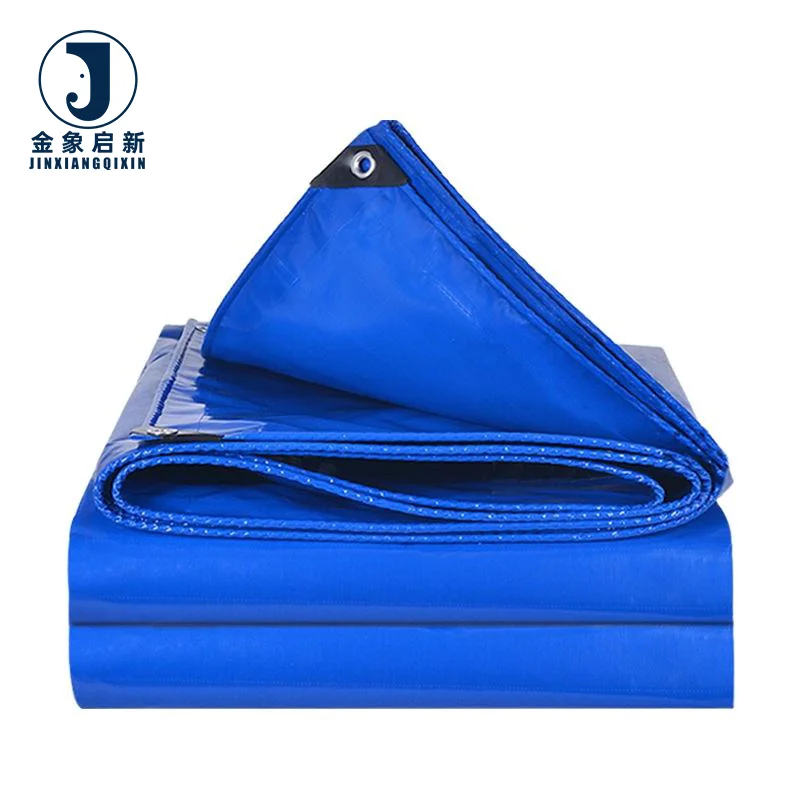
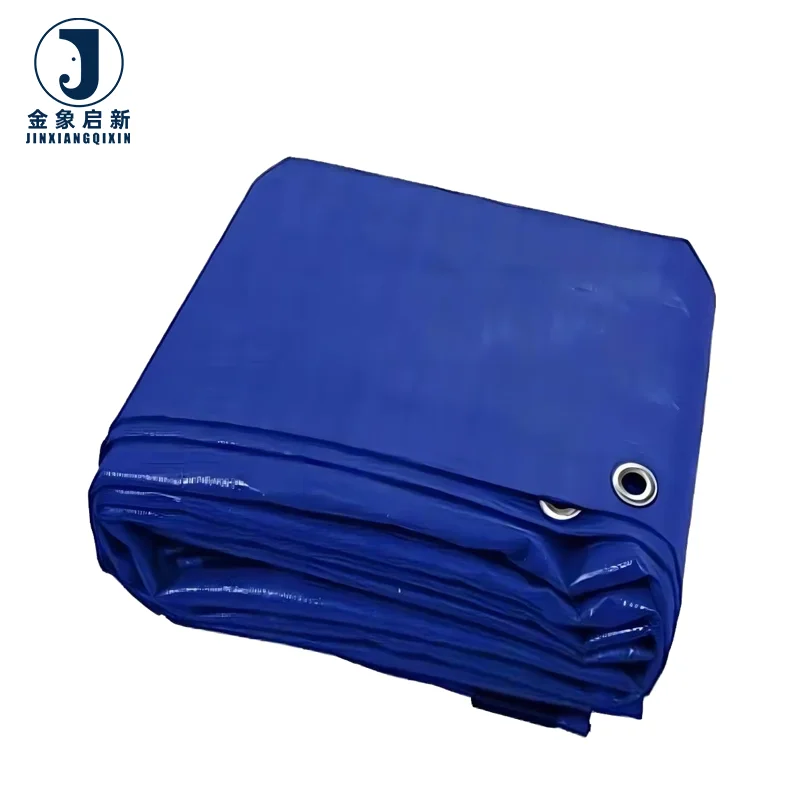
Precision-Coated Fabric — every roll dispatched with a fire-retardant and anti-static test report matched to your project specification.
Technical Specifications
| Parameter | Value |
|---|---|
| Product Type | PVC Coated Tarpaulin |
| Weight Range | 250gsm–1500gsm (confirm the grade for this item) |
| Base Fabric Denier | 200DX300D / 500DX500D / 840DX840D / 1000DX1000D |
| Surface Finish | Available in glossy or matte finish |
| Temperature Range | -15°C to 70°C |
| UV Treatment | Customized (test basis not stated) |
| Flame Retardant | Treated (grade to be confirmed against target standard) |
| Anti-Fungal | Treated |
| Waterproof | Yes |
| Sizes Available | 3x4m, 6x8m, 8x10m, 10x12m or custom made |
| Working Life | 3–10 years depending on usage environment |
| Key Features | Water-resistant, tear-resistant, flexible, abrasion-resistant |
Application Suitability
| Application | Exposure & Requirement |
|---|---|
| Mining ventilation duct | Underground humidity, rock dust abrasion, mandatory fire-retardant and anti-static compliance |
| Tunnel boring ventilation | Continuous positive or negative pressure, mechanical damage risk from equipment movement, confined-space safety codes |
| Aviation ground-support ducting | Fuel-vapour proximity, high airflow velocity, flame-retardant certification for airside operations |
| Membrane and inflatable structures | Long-term UV and weather exposure, structural tensile demand, airtight seam integrity |
Why Ventilation Ducts Fail When the Fabric Lacks Certified Fire and Static Protection
A duct that cannot produce its fire-retardant and anti-static test reports will be rejected at site inspection.
On mining and tunnelling projects, safety officers routinely stop work when documentation is missing or does not match the installed material. I have seen entire duct runs stripped out because the supplier quoted "flame retardant" without referencing the standard the site actually requires. PVC coated tarpaulin fire retardant grades vary widely between markets, and a certificate that satisfies one jurisdiction may be invalid in another [NEED_CITE: fire classification standards for underground ventilation duct materials]. The cost of re-installation, downtime, and failed inspections far exceeds the time spent confirming the correct grade before production begins.
Matching Fabric Grade to Ventilation Pressure and Duct Diameter
Ventilation ducts in underground mines operate under sustained positive or negative pressure, which places continuous tensile load on the fabric and every welded seam. PVC coated tarpaulin with a 1000DX1000D base fabric provides the higher tensile capacity needed for large-diameter ducts running at elevated static pressure. The relationship between denier, weave density, and coating weight must be evaluated together rather than in isolation.
Anti-Static Treatment for Methane and Dust-Rich Environments
In coal mining and certain tunnelling operations, static discharge from an ungrounded duct surface is a recognised ignition source. Anti-static treatment is available in PVC coated tarpaulin for these environments, but the required surface resistivity threshold depends on the specific mine regulation [NEED_CITE: anti-static surface resistivity requirements for underground ventilation]. Always request the test report matched to your project’s compliance framework before authorising bulk production.
How Denier, Coating Weight, and Weld Behaviour Interact
Base fabric denier and weave density determine how a tear initiates and propagates under load, while the PVC coating weight and its adhesion to the yarn govern weld seam integrity. A heavier coating generally improves hot-air weld strength because more thermoplastic material is available at the joint interface. However, excess coating on a low-denier base can cause delamination before the weld itself fails. Selecting the correct combination for industrial ventilation means balancing tensile demand, duct flexibility during installation, and the welding parameters your fabricator uses. Temperature range from -15°C to 70°C is suited to most mine and tunnel ambient conditions, though extreme depth operations should be evaluated case by case.
The Hidden Cost of Specifying Without Verification
When flame-retardant treatment is claimed without a grade, the duct may pass visual inspection but fail the site safety audit. Anti-fungal treatment is relevant in humid underground conditions where microbial growth on the duct interior restricts airflow over time. Welded seams on incorrectly matched coating and base fabric can separate before the fabric body shows wear, leaving the duct split open at the highest stress point [NEED_CITE: coated fabric weld seam peel strength test methods]. Colour inconsistency between rolls may seem cosmetic, but on large membrane structures installed side by side, visible shade variation forces costly panel replacement.
Why Source This Fabric Through Jinxiang
Nearly 30 years of coated fabric production provides process control over coating weight consistency across every roll in a ventilation duct order. Three full production lines and 36 sets of professional equipment support bulk volumes with reliable lead times for mining and tunnelling project schedules. The 10-person R&D team handles custom width and length specifications, reducing on-site cutting waste when fabricating ducts to exact diameter. Dedicated QA and QC at every production stage means 100% pre-shipment inspection with records matched to each roll number. Custom samples are developed within days, allowing fabricators to run weld tests before committing to full production.
Documentation & Verification
- Material specification sheet stating GSM, base fabric denier, and coating weight per roll
- Fire-retardant and anti-static test reports aligned to your project standard
- ISO and CE certificates included in dispatch documentation package
- Pre-shipment inspection record with roll-by-roll weight verification
- Certificate of origin and customs documentation for cross-border shipment
Fabrication, Handling & Storage
- Hot-air weld temperature and speed must match the specific PVC coating weight for reliable seam adhesion
- Reinforced hem sections should be specified at duct suspension points to distribute load on heavier GSM grades
- Store rolls upright on cores in a dry environment to prevent flat-spot creasing on high-denier fabric
- Allow cold-transported rolls to reach ambient temperature before unrolling to avoid coating crack risk below -15°C
- Use mild detergent only on matte finish surfaces; solvent-based cleaners may degrade the anti-fungal treatment layer
What We Need to Quote Your Project Accurately
Provide the duct diameter, total run length, and operating static pressure so we can recommend the appropriate base fabric denier and GSM. Specify the fire-retardant grade and anti-static standard required by your site safety authority. Confirm whether you need rolls at custom width for your fabricator or finished cut panels with welded hems and suspension hardware.
Frequently Asked Questions
Q: Which fire-retardant and anti-static certifications apply to ventilation duct fabric?
A: Requirements vary by country and project. Common frameworks include MSHA and EN standards for mining, and local building codes for surface structures. We supply PVC coated tarpaulin fire retardant grades with test reports matched to your specified standard. Confirm the exact regulation with your site safety officer so we align documentation before production.
Q: How do I choose the right fabric width for my duct diameter?
A: The flat width of the fabric must cover the duct circumference plus overlap for the longitudinal weld seam. Larger diameters typically need 1000DX1000D base fabric for adequate tensile strength. We can produce custom roll widths to minimise cutting waste and reduce the number of transverse seams in your duct fabrication.
Q: What effect does hot-air welding have on seam strength?
A: Weld temperature and speed must be calibrated to the coating weight. Too little heat causes incomplete fusion and the seam peels open under pressure. Excessive heat burns through the PVC layer and weakens the base fabric yarns. We recommend fabricators run weld trials on our sample material to lock in parameters before production.
Q: How is PVC coated tarpaulin for inflatable structures different from duct fabric?
A: Inflatable structures demand high airtightness and UV stability over long service periods, while duct fabric prioritises fire-retardant and anti-static compliance. Both can use the same PVC coated tarpaulin base, but surface treatment and coating formulation differ. Specify the application clearly so we adjust the treatment package accordingly.
Q: Can I get a sample to test welding on my equipment?
A: Yes. We develop samples within days for custom requirements, cut from the same production run formulation intended for your bulk order. This ensures weld behaviour on the sample accurately represents the full shipment. Request the specific GSM, denier, and surface finish needed for your fabricator’s evaluation.